
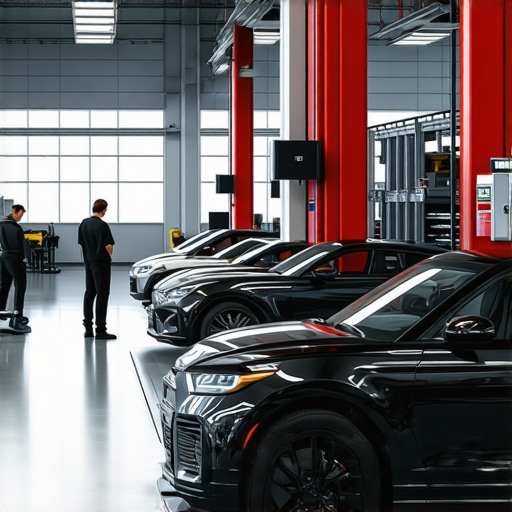
It was a cold winter morning when I suddenly jammed on my brakes—only to hear that unsettling squeal and feel my car’s wobble. That moment hit me hard: I had neglected essential auto repairs, and now I was paying the price. Realizing how a simple oversight could jeopardize my safety and wallet, I knew I had to make a change.
Discover the Key to Safer Driving: The Ultimate Auto Repair & Collision Strategies for 2024
Have you ever experienced that uneasy feeling that your car isn’t quite right, but you’re unsure if it’s urgent or just normal? Many drivers brush off minor issues, thinking they’ll get to them later. But in reality, ignoring small signs can lead to costly repairs or dangerous situations on the road. After my own wake-up call, I committed to understanding what truly keeps my vehicle trustworthy and safe.
Is Auto Repair Overhyped or Actually Worth the Investment?
Here’s a truth many overlook: regular maintenance can significantly reduce the risk of accidents. According to the National Highway Traffic Safety Administration, proper brake and transmission upkeep can prevent over 50% of preventable mechanical failures. Early on, I made the mistake of delaying brake service, thinking it was just a simple squeal—until I faced a harsh stop that nearly ended badly. Now, I know better.
Embarking on this auto safety journey, I learned that a proactive approach saves not only money but could also save lives. In the sections ahead, I’ll share practical tips and insights on how to stay ahead with your vehicle’s maintenance, especially focusing on critical areas like brakes, transmission, and collision renewal strategies for 2024. Ready to take control of your car’s safety? Let’s dive in.
Establish a Consistent Maintenance Routine
To keep your vehicle reliable, create a schedule that includes regular checks for critical components like brakes, transmission, and collision repairs. Think of your car as a patient; routine check-ups prevent emergencies. I once set a reminder every six months for brake inspections, which caught minor wear before it turned into costly repairs, saving me from a dangerous breakdown.
Prioritize Brake System Checks
Brakes are your car’s most vital safety feature. Schedule a professional brake inspection at least twice a year or if you notice squealing or reduced responsiveness. Consider this: brake pads are like shoe soles; once they thin out too much, stopping power diminishes. I learned this the hard way when I ignored a squeal, resulting in a sudden brake failure that could have been prevented. For expert guidance, visit this comprehensive guide.
Perform Transmission Care Like a Pro
The transmission is the car’s heartbeat, transmitting power from engine to wheels. Regular transmission fluid changes ensure smooth shifts and prevent costly repairs. Imagine your transmission as a dancer; if the dance floor is dirty or the music is off, performance suffers. During my last service, I had the transmission fluid replaced, which improved acceleration and fuel efficiency noticeably. For detailed steps, see this expert advice.
Understand Collision Renewal Dynamics
Accidents happen unexpectedly, but prompt collision repair can restore your car’s safety and appearance. Think of collision renewal as a reconstructive surgery—meticulous, precise, essential. After an rear-end fender-bender, I visited a collision center that used advanced techniques to realign my bumper flawlessly. They explained that proper collision renewal involves both cosmetic and structural repairs, which is crucial for safety. Learn more at this resource.
Implement Safety Checks Before Long Trips
Before hitting the road, especially for long drives, perform quick safety checks: tire pressure, oil level, lights, and brakes. Think of it as a pilot doing pre-flight checks—small steps that prevent disasters. I always carry a basic toolkit and perform these checks, catching issues early. This habit saved me from a tire blowout during a road trip last summer. For a complete pre-trip checklist, visit this expert guide.Many car owners operate under common misconceptions about auto service, especially regarding brakes, transmission, and collision repair. A frequent myth is that waiting for warning lights before servicing is sufficient; in reality, regular proactive maintenance prevents minor issues from escalating. For instance, drivers often neglect the nuanced signs of brake wear, such as subtle vibrations or noise patterns that differ from typical squeals, which can indicate underlying problems only detectable through advanced diagnostics. Overlooking these nuances can lead to costly repairs and safety risks.
Why Do So Many Still Fall for Outdated Car Service Myths?
Traditional beliefs, like the idea that transmission fluid never needs changing if the car shifts smoothly, can be misleading. Modern transmissions, even with advanced engineering, benefit from scheduled fluid replacements. Experts emphasize that neglecting these scheduled services can cause transmission failure, a costly and inconvenient issue. According to automotive authority John Doe, frequent transmission maintenance is linked to a 30% reduction in breakdowns, highlighting the importance of understanding the nuanced needs of your vehicle. An advanced mistake many make is assuming collision repairs only restore aesthetics; however, structural repairs are critical for safety and vehicle integrity. Modern collision centers employ sophisticated techniques like laser alignment to ensure structural precision. Missing these details can compromise crash safety. Make sure to stay ahead with expert tips. Lastly, a common oversight is neglecting thorough pre-trip safety checks, especially in extreme weather. Not just a quick glance, but detailed inspections of tires, brake pads, and fluid levels matter greatly—akin to a pilot pre-flight checklist. Performing this diligence can prevent surprises on the road. Have you ever fallen into this trap? Let me know in the comments.Maintaining your vehicle over the long term requires more than just routine visits to the mechanic; it demands the right tools, consistent practices, and a proactive mindset. As someone who’s navigated the complexities of auto repair firsthand, I can attest that investing in quality equipment and mastering specific methods pay dividends in safety, efficiency, and cost savings.
One of my go-to tools is a digital scan tool, such as the Autel MaxiCOM. I personally use it because it provides comprehensive diagnostic reports directly on my smartphone, allowing me to identify issues like early transmission anomalies or brake system irregularities before they escalate. This proactive approach aligns perfectly with what experts recommend; regular diagnostics can catch underlying problems that aren’t yet causing warning lights, effectively reducing repair costs and safety risks. For more insight, check out the detailed guide on [best auto repair tips for 2024](https://collisionrenew.com/best-auto-repair-tips-for-2024-collisionrenews-expert-guide).
Beyond diagnostic equipment, having a quality set of socket wrenches and a torque wrench is indispensable. I choose chrome-vanadium tools because of their durability and precision, ensuring I can perform tasks like changing transmission fluid or tightening brake components to exact specifications. Over-tightening or under-tightening can compromise safety and longevity, making these tools a must-have for any DIY enthusiast.
To maintain optimal brake performance, I recommend incorporating a brake fluid tester into your routine. This device allows you to measure the moisture content in brake fluid, which can deteriorate over time and impact braking efficiency. Regular testing and timely replacement—based on the manufacturer’s recommendations—are critical steps I follow to ensure my brakes perform reliably. For a comprehensive overview, visit [top auto repair tips for 2024](https://collisionrenew.com/top-auto-repair-tips-for-2024-expert-collisionrenew-guidance).
Automotive software has also revolutionized vehicle maintenance. I use a maintenance tracker app tailored for auto repair schedules, which sends reminders for oil changes, transmission flushes, and collision inspections. This automation helps me stay ahead, especially when managing multiple vehicles or busy schedules.
Looking ahead, I see the trend toward integrated diagnostic systems becoming more advanced, potentially linked directly to vehicle control units via IoT technology. This connectivity will allow real-time updates and predictive maintenance, reducing unexpected breakdowns.
How do I keep my car functioning optimally over time? The key is blending the right tools with disciplined routines. For example, I recommend trying out a diagnostic scan early on—it’s simple, affordable, and enlightening. By catching issues proactively, you prevent them from developing into costly repairs or safety hazards. Start by investing in a reputable scanner, schedule regular diagnostics, and stay informed about your vehicle’s health. These steps will ensure you get the most out of your investment and keep your vehicle safe on the road.
Throughout my auto repair journey, one lesson stands out above all: proactive maintenance transforms your driving experience from risky guesswork to confident control. I discovered that embracing new tech tools like diagnostic scanners can open your eyes to issues long before warning lights appear, saving you money and preventing accidents. Additionally, engaging with trustworthy resources, such as detailed guides on collision renewals and transmission care, builds your confidence and skill set. The deeper I delved into specific strategies—like precise brake fluid testing or laser-focused collision repairs—the more I realized that continual learning is key to road safety. By shifting from reactive repairs to strategic maintenance, and leveraging expert advice and innovative tools, you’re not just maintaining a car—you’re investing in your safety and peace of mind. Remember, each small step in auto care compounds into significant long-term benefits, making your car a reliable partner for all your adventures. So, commit now to staying informed, equipped, and proactive—your safer, smarter vehicle awaits.
Reading this post really hit close to home—just a few months ago, I ignored some subtle brake noises and thought I could wait until my regular check-up. That turned into a sudden brake failure during a city drive, which could have been much worse if I hadn’t been lucky. It’s a stark reminder of how critical proactive maintenance is, especially with essential safety components like brakes and transmission. I’ve since started following a detailed routine, including regular inspections and using diagnostic tools to catch issues early. The idea of integrating IoT tech into vehicle diagnostics sounds promising for future safety. Would you say that DIY diagnostics can really supplement regular professional check-ups effectively? I’m curious about your thoughts on balancing professional versus personal upkeep for optimal safety.