
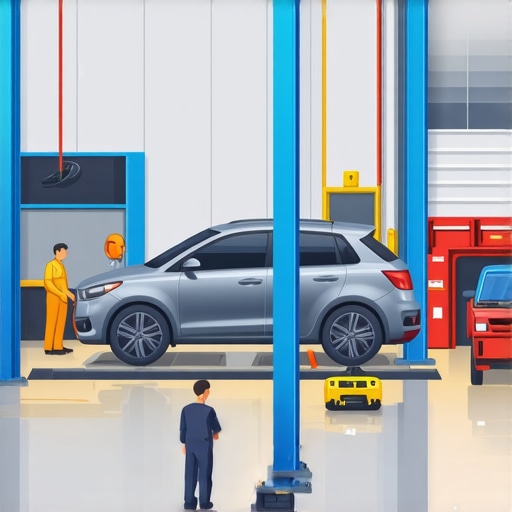
I remember the exact moment when I realized I was doing my car more harm than good. It was a chilly morning, and as I reached for the brake to slow down at a stoplight, I felt a strange wobble—almost like my vehicle was protesting. That light turned green as I nervously pressed forward, worried about what might happen if my brakes failed. Turns out, neglecting critical auto repair and collision renewal strategies doesn’t just compromise safety—it can cost you a fortune in repairs and put your loved ones at risk.
Why Being Proactive About Car Maintenance Is More Critical Than Ever
In today’s world, where road safety is paramount, understanding and implementing top auto repair tips for 2024 can make all the difference. Vehicles are becoming more advanced, but that also means the importance of regular maintenance and collision strategies grows exponentially. Missing out on these could leave you vulnerable on the road. Trust me, I’ve learned it the hard way—early mistakes like ignoring brake issues or delaying transmission checks can escalate into dangerous situations. I once postponed a transmission service, thinking it was just a minor annoyance, only to find myself stranded during a family trip. Since then, I’ve committed to staying ahead of potential issues by staying informed and proactive.
According to the National Highway Traffic Safety Administration, proper maintenance can reduce the likelihood of accidents significantly, emphasizing the need for timely repairs and inspections. So, what can be done today to ensure your vehicle remains reliable and safe? The good news is that a few simple, consistent strategies—like regular brake inspections and collision renew techniques—can save you from costly repairs down the line. In this post, I’ll be sharing exactly what I’ve discovered through my personal experience and research, to help you navigate auto repair and collision renewal effectively.
Is Skipping Regular Maintenance Still Justified? Find Out Why That’s a Bad Idea
Honestly, I used to think that postponing minor repairs wouldn’t hurt. My biggest mistake was delaying a basic brake check, convinced it was unnecessary. But the truth is, small neglects can turn into big safety hazards. When I finally learned about the importance of professional collision renewal strategies—like those detailed on expert collision renewal body repair tips for 2024—I realized I’d been missing out on vital steps for vehicle longevity. It’s crucial to identify signs early and work with trusted auto repair specialists to keep your car in top shape.
Are you currently facing doubts about the necessity of regular maintenance or afraid it’s too expensive? You’re not alone. Many drivers hesitate until they experience a breakdown or an unsettling noise. But prevention is always better—and cheaper—than cure. Starting with simple measures like routine brake, transmission, and collision checks ensures your safety and peace of mind on those busy roads. Ready to dive into practical tips to make auto maintenance effortless and effective? Let’s get started, because your safety can’t wait.
Check Your Brakes Regularly to Prevent Sudden Failures
Scheduling brake inspections every 10,000 miles is essential. I once caught a worn-out brake pad during a routine check on a Saturday. That day, I replaced them myself using a repair kit, which felt daunting but rewarding. This proactive step prevented a potential accident when the brakes started squealing unexpectedly later that month. To simplify this process, follow the guide at top brake transmission maintenance tips for 2024. Regular checks ensure your brake fluid is topped up and brake pads are within safety limits.
Perform Transmission Checks Like a Pro
Understanding your transmission is like knowing how your heartbeat works—crucial for smooth rides. I learned this during a trip where I noticed delayed gear shifting. By checking the transmission fluid level and color—using the dipstick—I identified contamination, which I replaced with fresh fluid. This simple act extended the lifespan of my transmission. Use guidelines from top transmission brake service tips for 2024 for detailed procedures. Keep an eye on leaks, unusual noises, or slipping gears as signs that professional attention is needed.
Maintain Car Body and Collision Readiness
Think of collision renewal as giving your vehicle a superhero armor upgrade. I once got a minor dent repaired through a trusted body shop after a small scrape. The process involved removing damaged panels and repainting. The difference in appearance and safety was noticeable—it prevented rust and further deterioration. Learn the essentials of auto body repair at expert collision renewal body repair tips for 2024. Regular washes, inspections, and prompt collision repairs keep your car resilient against road hazards.
Use Visual Aids to Spot Issues Early
Imagine your car’s warning signs as your vehicle’s way of speaking. Visual cues like smoke, unusual vibrations, or warning lights need immediate attention. I once noticed a mysterious leak under my car. A quick visual inspection revealed a worn seal. Addressing it prevented a costly transmission overhaul. Incorporate image guidance from auto repair tips collisionrenew strategies for 2024 to better understand what to look for. Regular visual inspections can save time and money by catching issues before they escalate.
While many believe that sticking to the basic maintenance schedule suffices, there are subtle nuances and common myths about brake service, transmission, and collision renewal that can lead even seasoned car owners astray. For instance, a widespread misconception is that neglecting minor issues won’t impact long-term vehicle health. In reality, small neglects—like ignoring slow brake fluid leaks or delayed transmission fluid changes—compound over time, increasing repair costs and safety risks. Advanced auto repair experts warn that prioritizing reactive repairs over proactive inspections can trap drivers in a cycle of escalating costs.
It’s also crucial to understand that not all auto repair shops adhere to the same standards. Relying solely on cheap or quick fixes without verifying technician credentials can result in subpar repairs that might compromise your vehicle’s safety. Many drivers fall into the trap of assuming that newer cars don’t need regular collision renewal; however, even modern vehicles benefit from timely body repairs to prevent rust and maintain structural integrity.
In terms of collision renewal, many underestimate the importance of precise body repairs and accurate repainting. Cutting corners here can lead to misaligned panels or paint mismatches, ultimately affecting the car’s safety and resale value. To avoid these pitfalls, consult trusted sources like expert collision renewal guides that detail the latest repair techniques.
What about the myths surrounding transmission care? Some believe that transmission fluid never needs changing, but studies by automotive engineers show that degraded fluid significantly reduces transmission lifespan and efficiency. Regular checks and timely replacements—guided by advanced diagnostics—are essential for optimal performance.
A common mistake is neglecting to perform detailed visual inspections that can spot early warning signs such as discoloration, leaks, or abnormal vibrations. Leveraging visual cues and understanding their significance can prevent costly failures. As I emphasize in my comprehensive guides, vehicle maintenance isn’t just about ticking off routine tasks but about understanding the nuanced signals your car gives you.
**Are you aware of all the subtle errors that could be lurking in your maintenance routine? Check out trusted expert tips and avoid costly pitfalls.** For more insights on safeguarding your vehicle, explore comprehensive auto repair strategies in our detailed guides, ensuring you’re equipped with the knowledge to keep your car safe, reliable, and at its best. Remember, proactive care now saves you from expensive surprises later. Have you ever fallen into this trap? Let me know in the comments.Maintaining your car effectively over time requires more than just routine checks; it demands the right tools, a structured approach, and an understanding of evolving automotive trends. Personally, I’ve found that investing in quality diagnostic equipment and staying updated with the latest repair techniques has transformed my approach to auto maintenance.
Why Precision Tools Matter for Auto Care
Using professional-grade diagnostic scanners, like the Foxwell NT510 Elite, has been a game-changer in my routine. These devices provide comprehensive data on engine health, transmission status, and fault codes, allowing me to identify issues before they escalate. Unlike generic scanners, a high-quality tool offers detailed insights, making troubleshooting more accurate and quicker, which ultimately saves time and money. As automotive technology advances, tools that support OBD-II protocols and CAN bus data interpretation are becoming essential for any serious car owner or mechanic.
Another critical tool I’ve incorporated is a magnetic oil drain pan, which simplifies fluid changes during maintenance. It ensures cleanliness and reduces mess, especially when working on transmission fluid or brake systems. Combining this with a torque wrench calibrated to manufacturer specifications ensures that components like wheel lug nuts and suspension bolts are secured properly, preventing long-term wear or safety issues.
The Power of Digital Record-Keeping and Service Software
Staying organized through digital maintenance logs, like those available in apps such as Car Minder Plus, helps track service history and schedules. This proactive approach ensures that I never miss critical intervals, such as transmission fluid replacement or collision repairs, which are vital for long-term vehicle health. Automated reminders and detailed records also facilitate smoother interactions with auto repair professionals, who often request detailed service histories.
Looking ahead, I believe the integration of AI-driven diagnostics and predictive maintenance will redefine how we care for our vehicles. Machine learning algorithms could soon analyze driving patterns and sensor data to predict failures before symptoms even appear, enabling true proactive maintenance.
How do I maintain my car’s longevity over time?
Adopting a disciplined maintenance routine empowered by the right tools is key. Regularly inspecting crucial components like brakes and transmissions with diagnostic support ensures early detection of wear and tear. Additionally, partnering with trusted auto repair specialists—guided by expert collision renewal tips—can extend your vehicle’s lifespan significantly. For instance, consulting detailed guides found on [collisionrenew.com](https://collisionrenew.com/expert-collisionrenew-body-auto-repair-tips-for-2024-safety) helps keep your collision repairs aligned with best industry practices. Don’t hesitate to try advanced diagnostic procedures or upgrade your toolkit periodically, as these steps pay dividends in safety and reliability.
Unexpected Truths that Changed My Approach to Car Maintenance
One of the biggest eye-openers I experienced was realizing how overlooked minor issues like slow brake response or faint transmission slips can dramatically escalate if ignored. These subtle cues, once dismissed, turned into costly repairs and safety hazards. That realization pushed me to prioritize diagnostics and early interventions, especially with the help of expert collision renewal strategies detailed at collision renewal guides. Embracing proactive maintenance transformed my driving experience and saved me from avoidable stress—and expenses.
Another lesson was understanding that not all auto repair is created equal. Settling for quick fixes or cheap repairs might seem economical but often compromises safety and longevity. Once I started trusting reputable sources and invested in quality parts and skilled technicians, the difference was palpable. This shift was reinforced by insights from comprehensive guides that emphasize meticulous collision renewal and body repairs, ensuring my vehicle’s safety and aesthetic appeal endure the test of time.
Furthermore, I learned how integrating advanced diagnostic tools can revolutionize auto care. Using devices like high-end OBD-II scanners allowed me to catch issues like transmission fluid degradation early, well before warning lights appeared. With resources from top maintenance tips for 2024, I discovered that understanding my car’s signals and visual cues creates a seamless maintenance routine that keeps my vehicle in prime condition and on safer roads.
Secret Weapons for Better Auto Maintenance
- Invest in Diagnostic Accuracy: Reliable scanners and tools help you detect problems at their inception, saving money and keeping you safe.
- Build Relationships with Trusted Professionals: Find trusted auto repair and collision renewal specialists who understand your vehicle’s unique needs.
- Stay Informed with Expert Content: Regularly review authoritative guides on body repair, brake, and transmission care to stay ahead in maintenance.
- Practice Visual Vigilance: Conduct periodic visual inspections; early signs like fluid discoloration or corrosion can prevent major failures.
Your Move Toward Safer Driving
Empowering yourself with knowledge and the right tools truly makes a difference. Whether it’s mastering routine brake checks, understanding transmission health, or navigating collision renewal, each step enhances your safety and peace of mind. Remember, proactive auto care is an ongoing journey—one that keeps you ahead of potential hazards and preserves your vehicle’s value. Are you ready to implement these insights and elevate your car maintenance game? Your safest drive starts now.