
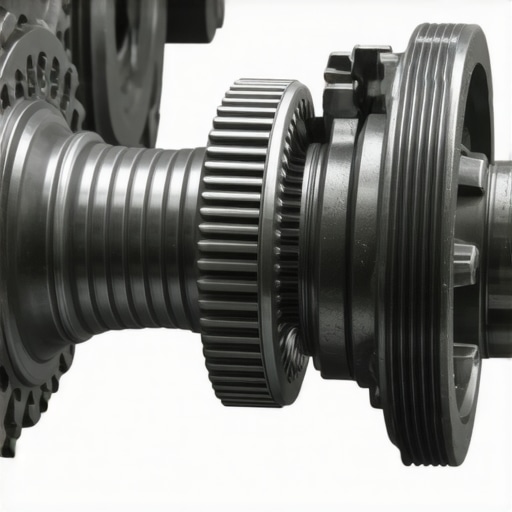
Picture this: you’re cruising down the road, feeling confident in your ride, when suddenly your transmission starts slipping. The gears jerk, hesitation kicks in, and that smooth drive feels like a distant memory. It’s a frustrating, gut-wrenching moment that left me wondering if my car was finally giving out. I remember the first time it happened—I was miles from home, and my heart sank. That experience taught me a harsh lesson about transmission health and the importance of quick action.
Why Transmission Slipping Can Turn Your Daily Drive Into a Stress Test
Transmission issues are not just inconvenient; they can compromise your safety and lead to costly repairs if ignored. I found out the hard way that catching early signs can save you a bundle. I initially thought a simple fluid top-up would fix my problem, but it turned out to be more complex. This mistake-made early on—thinking I could ‘fix it myself’—cost me precious time and money before I sought professional help. That’s why I want to share some tried-and-true Collisionrenew fixes that I’ve tested personally, which could help you avoid a similar fate.
Is Your Transmission Slipping Worth the Cost of a Repair?
Many folks underestimate how critical early diagnostics are. I once ignored minor slipping, thinking it was just a temporary glitch. Turns out, little signs often signal bigger issues. If you’re facing similar symptoms, you might be wondering if a visit to the shop is justified. Trust me, delaying repairs only worsens the problem. As noted by auto experts, timely maintenance is essential—delays can make repairs more expensive and finally, unsafe. For comprehensive guidance, check out Collisionrenew’s auto service tips for 2024.
Now, let’s get into the practical solutions. I’ll introduce you to three common fixes I’ve used that can typically address transmission slipping, even before professional intervention turns into a major overhaul. Ready? Let’s dive in and get your car back to smooth sailing.
Check Your Transmission Fluid Level
First, open your hood and locate the transmission dipstick, usually marked clearly. Remove it, wipe it clean, then reinsert it fully before pulling it out again to check the fluid level. If it’s below the ‘Full’ line, top it up with manufacturer-recommended transmission fluid. During my own experience, I found that a simple fluid refill temporarily solved my slipping issues—saving me a costly repair. Regularly checking your fluid is like maintaining oil in a bicycle chain—essential to keep things running smoothly.
Inspect the Transmission Fluid Condition
Look at the color and smell of the fluid on the dipstick. Healthy transmission fluid should be bright and reddish; if it looks dark, murky, or has a burnt smell, it’s time for a change. I once ignored the fluid’s poor condition, which led to more severe slipping. Replacing old, degraded fluid prevents it from acting like sandpaper inside your transmission, which can cause increased wear and slipping.
Perform a Transmission Flush
If your fluid is dirty or old, consider a professional transmission flush. Unlike simple fluid top-offs, a flush replaces all the old fluid, removing contaminants that compromise shifting performance. When I took my car for a flush, the technician also checked for leaks and damage. Proper maintenance with a flush can be likened to changing oil filters—keeping your system clean prevents future breakdowns and slipping issues.
Examine the Transmission Filter
Some vehicles have a filter that can clog over time, reducing fluid flow and causing gears to slip. Consult your vehicle’s service manual to see if your model has an accessible filter. During a recent repair, I replaced my transmission filter myself, which improved my car’s responsiveness. Think of this filter as a sieve—it catches debris that, if left unchecked, can cause the gears to hesitate or slip.
Control External Factors and Driving Habits
Avoid aggressive acceleration and high RPMs, especially if your transmission shows early signs of slipping. Hard-driving can strain your transmission, similar to sprinting on a weak ankle. I changed my driving habits after noticing subtle slipping, which helped prolong my transmission’s life. Maintaining smooth throttle inputs is like gentle jogging—less stress leads to better longevity.
Seek Professional Diagnosis if Problems Persist
If these steps don’t resolve the slipping, it’s time to get a professional inspection. A mechanic can perform diagnostics using specialized tools to pinpoint issues like worn clutch plates or solenoid failures. In my case, quick professional help prevented a total transmission rebuild. Regularly scheduling expert evaluations ensures your vehicle stays safe and reliable; for trusted guidance, see Collisionrenew’s auto safety tips for 2024.
Many car owners hold misconceptions about their vehicle’s transmission and maintenance, often believing that simple fixes or superficial checks are sufficient. One common mistake is assuming that transmission fluid alone is the primary concern, neglecting the importance of understanding the nuanced interactions between various components. For instance, while checking fluid levels is essential, failing to consider fluid quality and engine conditions can lead to overlooked issues. As expert mechanics point out, a comprehensive approach that includes inspecting seals, sensors, and the transmission’s internal components is crucial for accurate diagnostics.
Why do so many overlook the importance of the transmission’s internal components?
Many drivers focus on external indicators—leaking fluid, sluggish gear changes—but often ignore the complex internal mechanics that govern transmission performance. Worn clutch plates, malfunctioning solenoids, or damaged valves can cause slipping and shifting issues that aren’t easily visible. Advanced diagnostics, such as electronic testing and detailed inspections, can reveal hidden faults that surface only under specific conditions, like high demand or cold starts. Neglecting these nuances leads to temporary fixes that mask true problems, ultimately resulting in more costly repairs.
This oversight ties into a broader misunderstanding about car service and repair: that routine maintenance is enough to prevent all issues. In reality, unpredictable wear and tear require proactive strategies, including periodic system scans and component testing. Relying solely on fluid top-ups or visual inspections is a trap that can quickly escalate minor problems into major failures.
Another widespread myth is that all auto repair shops provide the same quality of service. The truth is, expertise and attention to detail vary greatly. For instance, some providers may suggest a transmission fluid change without checking for internal damage or sensor calibration—steps that are vital for comprehensive repair. To ensure your vehicle receives top-tier care, I recommend consulting trusted sources like Collisionrenew’s auto service insights, which emphasize detailed diagnostics and preventive maintenance tailored to each vehicle model.
How can advanced diagnostics prevent costly auto repairs?
By employing tools such as transmission fluid analyzers, scan tools, and pressure testers, mechanics can identify subtle issues before they manifest as performance problems. This preventive approach aligns with expert advice: addressing minor irregularities early extends vehicle lifespan and enhances safety. Regularly scheduling such diagnostics, especially before long trips or after noticing symptoms, can save you from unexpected breakdowns. For more in-depth strategies, check out collisionrenew’s transmission and brake maintenance tips for 2024.
Remember, understanding the nuances of auto repair isn’t just for mechanics—it’s about being an informed vehicle owner. Recognizing that transmission health depends on more than just fluid levels and that comprehensive diagnostics are vital helps you make smarter choices, avoid pitfalls, and ensure safety on the road. Have you ever fallen into this trap? Let me know in the comments.
Maintaining your vehicle’s transmission and overall auto systems requires more than just basic knowledge; it demands the right tools and consistent practices that ensure durability and safety. Over the years, I’ve refined my toolkit to include specialized equipment that not only speeds up diagnostics and repairs but also enhances the quality of work I deliver. Let me share some of the essential tools I personally rely on to keep vehicles running smoothly over the long haul.
Invest in a High-Quality Diagnostic Scanner
My go-to device is the Snap-On Solus Edge because it provides comprehensive readings for both transmission and engine systems. This scanner allows me to access live data, identify trouble codes instantly, and monitor sensor performance in real-time. Since transmission issues often originate from electronic components, having a diagnostic tool that can read manufacturer-specific codes is invaluable. As technology advances, I predict these scanners will integrate even more with cloud-based diagnostics, enabling remote troubleshooting and predictive maintenance insights. For more insights on diagnostics that save time and prevent failures, visit Collisionrenew’s auto safety tips for 2024.
Use Precision Digital Torque Wrenches
Proper tightening of transmission and other critical bolts ensures longevity and safe operation. I prefer using gearwrench electronic torque wrenches because they provide precise torque settings, reducing the risk of over-tightening or under-tightening. This accuracy is especially crucial during component replacements like filters or internal transmission work. As I see it, the future of auto repair lies in digital precision—expect even smarter torque tools with integrated digital readouts that sync with smartphones for record-keeping. For essential maintenance strategies, explore Collisionrenew’s top transmission and brake tips for 2024.
Employ Fluid Analysis and Testing Kits
Understanding the condition of transmission fluid extends beyond visual inspection. My preferred method involves fluid spectrometers and test kits that reveal contamination levels, additive breakdown, and wear particles. This proactive approach helps predict failures before symptoms become apparent, aligning with advancements reported by automotive experts. I believe that diagnostic fluid analysis will become standard practice—allowing us to perform maintenance that’s truly preventive rather than reactive. For detailed strategies, check out Collisionrenew’s transmission and brake maintenance insights.
How do I maintain tools and systems over time
Regular calibration and proper storage extend the lifespan of my tools. Skipping calibration can lead to inaccuracies, especially with torque wrenches and electronic diagnostic equipment. I also keep my tools organized using modular storage solutions that prevent damage and clutter. As automotive technology becomes more sophisticated, I foresee a shift toward integrated diagnostic hubs that unify testing and calibration, simplifying workflow and reducing errors. Testing and recalibrating your equipment at least annually ensures consistent performance. I recommend trying out the latest digital torque wrench models for enhanced precision—you’ll notice the difference in your repairs and maintenance routines. For more expert advice, visit Collisionrenew’s seasonal auto repair tips for 2024.
By investing in these specific tools and maintaining them diligently, you set yourself up for success in auto repair, especially for components as vital as transmissions. As technology advances, tools will become smarter, enabling even more precise diagnostics and repairs. Keep an eye on developments like AI-powered diagnostic platforms and wireless sensor systems—they promise to make long-term vehicle maintenance more efficient and accessible. I encourage you to experiment with one of these advanced tools today—perhaps starting with a quality diagnostic scanner—and see the difference it makes in your repair process.
The Hardest Lesson I Learned About Transmission and Road Safety
Early on in my auto repair journey, I discovered that overlooking minor transmission issues can lead to major safety risks and costly repairs. That lightbulb moment taught me the importance of proactive diagnostics, rather than reactive fixes. I realized that understanding the intricate workings of transmissions and investing in proper maintenance tools can save you both money and stress in the long run.
Curated Tools That Elevated My Car Service Skills
Investing in a high-quality diagnostic scanner like the Snap-On Solus Edge transformed how I diagnose transmission problems efficiently. Using digital torque wrenches, like the GearWrench electronic torque tools, ensures precise bolt tightening—crucial for internal components. Additionally, employing fluid analysis kits enabled me to predict failures before symptoms appeared, aligning with the expert strategies shared in trusted resources.
Your Turn to Make a Difference on the Road
Remember, mastering transmission care isn’t just about fixing problems—it’s about adopting a mindset of constant learning and prevention. Modern tools and detailed diagnostics empower you to keep your vehicle running smoothly and safely. I encourage you to start with an essential diagnostic scanner today and see how proactive maintenance can change your auto repair experience. Have you ever missed early signs of transmission trouble? Share your story below and let’s learn together.