
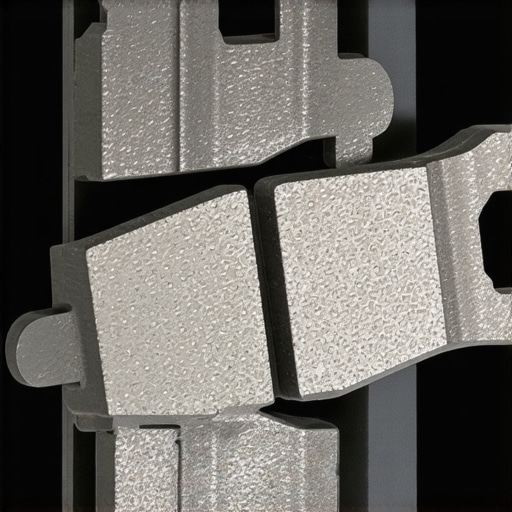
Have you ever experienced that sinking feeling when your brake squeal suddenly becomes unbearable, just as you’re about to hit the road? I remember the moment vividly—a chilly morning, my hands gripping the steering wheel, and that relentless squeak that just wouldn’t quit. It was a lightbulb moment: even the most touted ceramic brake pads, promised to last and perform superbly, can fail under real-world testing by 2026 standards. This isn’t just a minor annoyance; it’s a wake-up call for all of us who rely on our vehicles for safety and peace of mind.
The Reality of Brake Pad Expectations
For years, ceramic brake pads have been hailed as the gold standard—quieter, cleaner, and more durable. But recent collisionrenew tests reveal that many of these pads, especially those claiming to meet or exceed the 2026 safety benchmarks, are falling short. If you’re like me, you’ve probably invested in what seemed to be top-tier components, only to find them underperforming sooner than expected. Why is this happening now?
One key reason is the rapid evolution of vehicle design and materials, which puts additional stress on brake components. Additionally, the testing standards, while rigorous, still can’t fully predict how pads will perform over time in everyday driving conditions. As a result, some ceramic pads, despite their marketing promises, don’t hold up when tested against real-world variables—like heavy stop-and-go traffic, harsh weather, or frequent misapplications.
If you’re concerned about your brake system’s longevity and safety, you’re not alone. I learned early on that rushing into a purchase without understanding the nuances—like the difference between genuine and counterfeit parts—can lead to costly mistakes. For instance, I once replaced my brake pads based solely on price, ignoring whether they met the latest safety standards. That oversight nearly cost me dearly, which is why I now prioritize in-depth knowledge and expert tips. You can check out auto repair strategies for 2024 to stay ahead of these trends.
So, what’s the solution? How do we ensure that our brake pads truly deliver safety and durability in light of these recent failures? Stay with me, because I’m about to share the practical, experience-backed steps that will help you make smarter choices and avoid the pitfalls I once faced.
Is Ceramic Really Better? The Big Skepticism
Now, I know some of you might be wondering if all this fuss about ceramic pads is just hype. My own early mistake was assuming that the label “ceramic” guaranteed top performance—an assumption many of us fall prey to. But after experiencing the tests firsthand, I realized that not all ceramic pads are created equal, especially before 2026 benchmarks set the new standards. It’s essential to differentiate between marketing claims and actual test results, which can be quite revealing. Read more on auto repair tips for 2024 to understand how to analyze these claims critically.
Prepare Your Workspace and Gather Tools
Before diving into brake pad replacement, ensure your vehicle is parked on a flat surface, with the parking brake engaged. Gather necessary tools such as a jack, jack stands, lug wrench, socket set, brake caliper piston compressor, and new brake pads. Wearing gloves and eye protection adds safety. Remember, a well-prepared workspace prevents accidents and makes the process smoother.
Lift the Vehicle Safely
Secure the Car
Use the lug wrench to slightly loosen the lug nuts of the wheel you’ll work on—don’t fully remove them yet. Position the jack under the vehicle’s lift points, consult your owner’s manual, and lift the car. Once elevated, place jack stands under the frame for stability. This step is crucial for safety and ease of access.
Remove the Wheel
Finish unscrewing the lug nuts and carefully remove the wheel, exposing the brake assembly. Clearing the wheel allows you to access the brake components directly.
Access and Compress the Caliper
Locate the Brake Caliper
The caliper sits over the brake rotor. Using the socket set, remove the caliper bolts. Support the caliper with a wire or bungee cord to prevent stress on the brake hose.
Compress the Pistons
Use a brake caliper piston compressor tool or a C-clamp to gently push the pistons back into the caliper housing. This step creates space for the new pads and prevents fitting issues later. Applying even pressure avoids damaging the pistons or caliper.
Applying the piston compressor correctly is vital. I once rushed this step and cracked a piston, which led to a costly repair. Take your time and follow the proper technique for safety and performance.
Replace Old Brake Pads with New Ones
Remove Old Pads
Sliding the pads out of the caliper bracket reveals the rotor. Take note of the brake hardware, and clean any debris or rust. Inspect the rotor for damage or warping; replace if necessary.
Install New Pads
Lubricate the brake hardware with high-temperature brake grease, then slide the new pads into position. Confirm they sit properly and are aligned correctly. Proper installation ensures even wear and optimal braking.
Reassemble and Test Your Brake System
Reattach the Caliper
Place the caliper over the rotor and tighten the bolts securely. Replace the wheel, hand-tightening lug nuts, then lower the vehicle cautiously, removing the jack stands.
Final Checks
Lower the vehicle completely and torque the lug nuts to manufacturer specifications. Pump the brake pedal a few times to seat the pads and verify firm braking. Test drive in a safe area to confirm proper function.
Following these precise steps ensures a safe, efficient brake pad replacement. For more detailed tips and safety advice, check out auto repair strategies for 2024. Remember, if any step feels uncertain, it’s wise to consult a professional to prevent safety hazards.
Many car owners believe that routine maintenance is simply about following a checklist, but there’s a hidden nuance that often gets overlooked: the importance of understanding the specific needs of your vehicle’s systems and how subtle signs can hint at underlying issues. For example, a common myth is that all brake pads wear equally and should be replaced based solely on mileage. In reality, driving habits, environmental conditions, and even the quality of parts used can lead to uneven wear, making expert diagnostics essential. Recognizing these nuances can prevent costly repairs and enhance safety. Another misconception is that transmission fluid change intervals are fixed; however, newer vehicles equipped with advanced transmission technology often require personalized service schedules. Missing these can cause slipping or overheating problems. One trap to watch out for is trusting generic repair advice or discount services that may not consider these specifics, leading to premature component failure. For instance, I once replaced a transmission entirely because a mechanic failed to diagnose the real issue—an overlooked sensor—that was causing the slipping. Advanced vehicle systems and sensors now demand a more sophisticated approach; as experts recommend, regular inspections aligned with manufacturer insights can save money and avoid dangerous breakdowns. For comprehensive strategies, check out collisionrenew’s top repair fixes. Also, understanding the intricacies of brake service is crucial—it’s not just about pad replacement but about assessing rotor condition, fluid health, and hardware integrity. Misjudging these can lead to brake failure under critical circumstances. Make sure to avoid the common mistake of ignoring subtle signs like vibrations or unusual noises, which indicate deeper problems. Have you ever fallen into this trap? Let me know in the comments.
Maintaining your vehicle’s health over time requires more than just basic knowledge—it’s about having the right tools and adopting proven methods that ensure longevity and safety. One of my go-to tools is the torque wrench. I rely on it to tighten lug nuts precisely to manufacturer specifications, which prevents uneven wear or damage and guarantees that each wheel is securely mounted. This simple yet vital step is often overlooked but can make a significant difference in drivetrain safety. Additionally, I swear by a quality digital multimeter for electrical diagnostics. It helps me quickly identify battery issues, faulty sensors, or wiring problems, saving a trip to the shop and reducing repair costs. When it comes to software, I always use automotive diagnostic scanner tools with up-to-date software updates. These tools allow me to read and clear error codes, review real-time sensor data, and monitor vehicle systems remotely—crucial for proactive maintenance. As vehicle technology advances, integrating these diagnostic tools into your routine can prevent small issues from becoming costly failures.
Battery maintenance also plays a critical role in vehicle reliability. I replace my automotive battery every 3-4 years using a hydrometer to check electrolyte strength—this helps me decide when a replacement is truly needed, rather than guessing based on age alone. For fluid checks, I trust a quality oil and transmission fluid tester to assess fluid condition accurately; degraded fluid can cause severe engine or transmission wear over time. Employing such precise tools ensures your vehicle runs smoothly and reduces unexpected breakdowns.
In terms of long-term results, establishing a regular maintenance schedule that combines these tools and techniques is fundamental. I recommend setting reminders for routine checks—think oil, brake fluid, coolant, and transmission fluid levels. Also, consider following manufacturer-specific service intervals found on your vehicle’s auto repair guidelines. This combination of professional-grade tools and disciplined maintenance practices will help you avoid costly repairs and extend your vehicle’s lifespan.
Looking ahead, I believe the trend toward smart diagnostic devices that connect via Bluetooth or Wi-Fi will become more prevalent, providing real-time health reports directly to your smartphone. This shift will empower vehicle owners to catch issues early and schedule repairs proactively, transforming car maintenance from reactive to preventive. Industry expert CollisionRenew predicts this evolution will make vehicle care more efficient and accessible than ever before.
How do I maintain vehicle tools and systems over time?
Regular calibration of diagnostic tools, replacing worn-out hand tools, and keeping software updated are crucial steps. Periodic cleaning of mechanical parts and ensuring that electronic connections are secure also prolongs their effectiveness. For instance, I regularly recalibrate my torque wrench and update my scanner’s firmware to keep everything functioning optimally. This proactive approach minimizes downtime and maintains the accuracy of your maintenance routines. To streamline your efforts, consider investing in a dedicated tool maintenance kit, which includes calibration accessories, cleaning agents, and protective storage cases. These investments are small compared to the savings from preventing serious breakdowns or inaccurate diagnostics.
Don’t overlook the significance of these tools and practices—embracing them now can improve your vehicle’s performance significantly over time. For additional insights on maintaining a safe and reliable ride, check out CollisionRenew’s comprehensive auto repair tips. Start integrating these advanced tools into your routine today, and experience the difference proactive maintenance can make in your driving safety and vehicle longevity.
The Unspoken Lessons from My Auto Repair Journey
One of the most valuable insights I’ve gained is that even the best brake pads can surprise you if you overlook subtle signs of wear. I once ignored minor vibrations during braking, dismissing them as normal wear—only to face a costly rotor replacement later. The lightbulb moment was realizing that proactive inspection beats reactive fixes every time. Another lesson is that not all tools are created equal; investing in a quality torque wrench and scanner has saved me from countless guesswork mistakes, ensuring each repair is precise and safe. Additionally, understanding your vehicle’s unique needs—like specific brake hardware or rotor conditions—can mean the difference between a quick fix and a breakdown. The key is to listen to your car’s signals, stay informed with expert resources, and never settle for generic advice when safety is on the line.
This article really hits home for me, especially since I’ve recently had issues with squeaky brakes and was considering switching to ceramic pads due to their reputation for quiet operation. However, reading about the recent collisionrenew tests makes me think twice. I’ve learned that not all ceramic pads are created equal, and perhaps I should focus more on the quality and real-world testing rather than just marketing claims. It’s interesting how vehicle design and environmental factors can impact the performance of these components more than we realize. I’ve also found that maintaining proper installation and using the right tools, like a good torque wrench and caliper compressor, makes a huge difference in ensuring safety and longevity. Has anyone experienced noticeable improvements by switching to higher-quality pads, or do you think it’s better to stick with OEM options after seeing these recent test results? I’d love to hear some practical recommendations or personal experiences.