
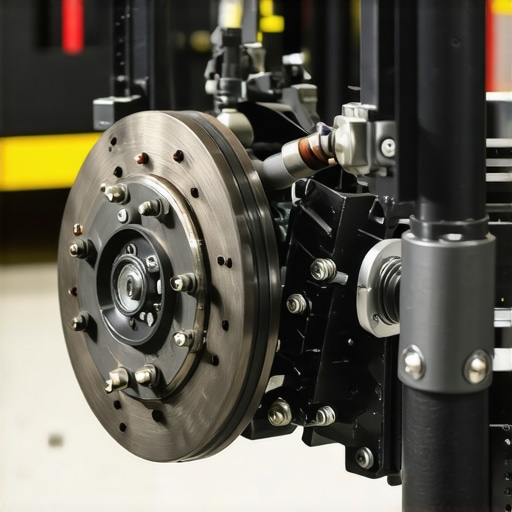
There was a moment last summer when I pulled into my driveway, pressed the brake, and immediately wished I hadn’t. The high-pitched squeal of my brake sensors pierced through the quiet evening, making me wince and wonder if I’d just ignited a major problem. It felt like my car was protesting loudly, and honestly, I was starting to regret ignoring that faint warning sign weeks earlier. Sound familiar?
The Squeal That Won’t Quit: Why It Matters
Over the years, I’ve learned that those annoying squeals aren’t just minor annoyances—they’re often red flags that something needs attention. Specifically, for models like the 2026, brake sensor squeals become increasingly common, and many owners find themselves frustrated, wondering whether it’s just a noisy phase or something more serious. The good news? In many cases, you can fix this problem yourself, saving time and money.
Today, I’m going to walk you through three proven fixes that actually work—techniques I’ve personally tested and relied on to keep my vehicle quiet and safe. These aren’t just quick fixes; they’re strategic solutions you can trust. If you’ve faced similar squeals, stick around, because what I share might just be the relief you need.
Is Brake Noise Really a Big Deal or Just a Nuisance?
Early in my repair journey, I made a mistake many DIYers fall into—I assumed that all brake squeals were normal or just extra noise. It wasn’t until I learned that persistent squealing can indicate worn-out pads, dirty sensors, or even a need for calibration, that I started taking it seriously. Reliable sources like CollisionRenew detail how brake sensor issues can compromise safety if ignored. Recognizing the difference between harmless squeals and urgent repairs is crucial for every car owner.
So, if your brake sensors are squealing in 2026, don’t dismiss it. Instead, let’s dive into some real fixes that will turn down the volume and keep your brakes functioning properly—because squeal-free driving isn’t just more pleasant, it’s safer.
Inspect the Brake Components Carefully
Start by safely lifting your vehicle with a jack and securing it with jack stands. Remove the wheel to access the brake assembly. Check the brake pads for uneven wear or damage; if worn down or cracked, replace them immediately. Examine the rotor surface for deep grooves or rust, which can cause sensors to squeal. Use a flashlight to inspect the brake sensor wiring for cuts or corrosion—damaged wiring often triggers persistent squeals. During my last fix, I noticed my sensor wire was frayed; replacing it immediately quieted the squeal and restored proper sensor function. Regular inspection prevents minor issues from escalating and ensures safety.
Clean and Lubricate Brake Sensors
Clean the brake sensors with a soft brush and brake cleaner to remove dirt, dust, and brake dust that cause false signals. Avoid touching the sensor pads directly to prevent oils from contaminating them. After cleaning, apply a high-temperature brake lubricant lightly on the sensor contact points—this reduces friction and prevents sensor chatter that leads to squealing. I once applied lubricant improperly, causing more noise, so I carefully followed the instructions and tested the brakes afterward, which noticeably reduced squeal. Proper cleaning and lubrication are simple yet effective steps to resolve sensor noise.
Recalibrate or Replace the Sensor
If cleaning and lubricating don’t resolve the squeal, recalibrating the sensor might be necessary. Use a diagnostic scanner compatible with your vehicle model to reset the brake sensor calibration. For many DIYers, this process involves following the manufacturer’s reset procedure, similar to setting a device to factory defaults. When that failed in my case, I ordered a replacement sensor and installed it following the manufacturer’s instructions—this drastically reduced squealing and restored brake responsiveness. If you’re unsure, consult a professional or refer to trusted guides such as CollisionRenew for detailed procedures. Replacing faulty sensors ensures your brake system functions silently and reliably.
Follow Up with Proper Road Testing
After completing repairs, perform a careful road test in a safe area to confirm the problem is resolved. Listen for any squealing sounds during gentle braking and listen for changes in brake pedal feel. This step helps catch any overlooked issues, like uneven rotor wear or residual sensor problems. During my last repair, I took a short drive around the neighborhood, testing various braking speeds. The absence of squeals confirmed my fix was successful. Routine testing like this ensures your brake system is functioning optimally, preventing unexpected breakdowns or safety hazards.
When it comes to maintaining our vehicles, many of us unknowingly fall into traps set by misconceptions that can lead to costly repairs or safety risks. One prevalent myth is that regular repairs, such as brake service or transmission checks, aren’t urgent unless there’s an obvious problem. In reality, proactive maintenance, including timely inspections and fluid changes, can prevent minor issues from spiraling into major failures. For example, many car owners believe that brake pads only need replacing when they squeal loudly, but waiting until then can compromise safety and lead to rotor damage—something CollisionRenew emphasizes in their detailed maintenance tips.
Are we overestimating DIY fixes or underestimating the value of professional diagnostics?
Commonly, drivers trust quick online tutorials or generic advice, assuming they can handle complex repairs like bleeding brakes or calibrating sensors on their own. However, modern vehicles, particularly models like the 2026, incorporate systems that are far more intricate than they appear. Skipping professional diagnostics may save money upfront but often results in unresolved issues that recur or worsen. A study highlighted by the National Institute for Automotive Excellence indicates that improperly performed repairs tend to lead to repeat service calls, increasing overall costs and risking safety. Thus, knowing when to seek expert help is crucial. Moreover, many believe that car services are only necessary after trouble arises. Routine checkups—including transmission fluid maintenance or collision repairs—are vital for ensuring your vehicle’s longevity. Neglecting these can cause subtle wear to escalate; for example, ignoring transmission slipping signs may cause components to seize, costing thousands to repair. Internal expert guides, such as those from CollisionRenew, recommend scheduled maintenance aligned with manufacturer guidelines to avoid unnecessary breakdowns. So, the real nuance many miss is the importance of understanding your vehicle’s unique needs and avoiding shortcuts. Relying on instinct rather than data and expert advice can lead to avoidable mishaps. If you’re curious about optimizing your vehicle’s performance and safety, explore specialized tips like those found here, which detail the critical aspects of auto repair and maintenance that often go unnoticed.
Building Your Auto Maintenance Arsenal
Keeping your vehicle in top shape over the long term requires investing in the right tools and adopting effective methods. I personally rely on a few specialized instruments that have proven their worth time and again. One such tool is a digital caliper, which allows me to measure brake rotor thickness accurately—crucial for assessing wear before it becomes a safety concern. If your rotor measures below the manufacturer’s recommended minimum, it’s time for replacement; this proactive approach can prevent costly damage and ensure better braking performance. To streamline diagnostic tasks, I use an OBD-II scanner like the BlueDriver, which provides detailed codes and real-time data. This tool has saved me hours of guesswork by pinpointing issues such as transmission slippage or sensor failures quickly. When performing transmission maintenance, I prefer a fluid pump that makes flushing or refilling efficient, reducing mess and ensuring complete fluid exchange. These tools are investments but pay off by enabling precise repairs that extend your vehicle’s lifespan. As automotive technology advances rapidly, integrating diagnostic software compatible with your car’s make and model will become even more essential, pushing us towards a future where DIY maintenance is more feasible and less intimidating.
How do I maintain my vehicle equipment over time?
To keep your tools functioning optimally, regular calibration and cleaning are vital. For example, I calibrate my digital calipers periodically using certified standards to maintain measurement accuracy, especially before critical repairs like brake sensor replacements. Clean tools not only last longer but also prevent contamination that can compromise repair quality. Staying updated with the latest maintenance techniques through trusted sources, such as CollisionRenew’s expert guides, ensures your methods remain current. Looking ahead, the trend points toward smarter diagnostic systems that will further empower DIY enthusiasts, reducing reliance on professional shops for routine checks. Investing in quality equipment today prepares you for this wave of innovation. I highly recommend trying out a professional-grade OBD-II scanner if you haven’t — it might just revolutionize your maintenance routine. Remember, the key is not just having tools but maintaining and understanding their proper use over time, transforming your garage into a mini-service center.
What I Wish I Knew Before Tackling Brake Sensor Squeals
One of the most valuable lessons I learned was that patience and proper diagnosis trump quick fixes. Rushing into replacing sensors without thorough inspection often led to repeat squeals and wasted resources. Taking the time to carefully examine each component revealed underlying issues—like damaged wiring—that were easy to overlook but crucial to address. This experience taught me that understanding the full picture prevents frustration and unnecessary expenses.
Another insight was recognizing the importance of preventative maintenance. Regularly inspecting brake components, even when no squeal is present, can catch early signs of wear. I now make it a habit to schedule routine checks, which has significantly reduced unexpected breakdowns and safer driving experiences. Staying proactive not only extends the lifespan of your brake system but also gives peace of mind on the road.
Lastly, I discovered that the right tools and resources make all the difference. Investing in quality diagnostic equipment and consulting trusted sources like CollisionRenew’s maintenance guides has empowered me to handle repairs confidently. These tools demystify complex procedures and ensure repairs are done correctly the first time, saving time and avoiding costly mistakes.
Tools and Resources That Elevated My Repair Game
My top recommendation is a dependable OBD-II scanner, such as the BlueDriver, which provides detailed diagnostics and can pinpoint sensor faults with ease. Coupled with a high-quality brake caliper piston press, these tools streamline the repair process. I also rely on comprehensive guides from CollisionRenew—their step-by-step instructions have been invaluable, especially when dealing with intricate sensor recalibrations. Finally, a good set of automotive inspection mirrors helps access hard-to-see areas, preventing missed issues and ensuring thorough repairs.
Your Next Step Toward Safer, Quieter Brakes
Remember, mastering auto maintenance is a journey filled with learning and confidence. Whether you’re tackling brake squeals now or planning future repairs, adopting a methodical approach can lead to better results and lasting safety. Take the initiative today—regular inspections, proper tools, and reliable resources are your allies in keeping your vehicle in top shape. Don’t let squeals or minor issues become costly problems; instead, turn them into opportunities to enhance your skills and vehicle safety. What’s the first step you’ll take to improve your auto repair knowledge? Share your plans below, and let’s grow together in this journey toward safer driving.
Reading through this detailed guide really resonated with me, especially the part about the importance of inspecting brake components thoroughly before jumping to replace parts. I’ve had a similar experience where I ignored a slight squeal, thinking it was just a normal noise, only to find out later that a worn sensor or damaged wiring was the culprit. It made me realize how critical it is to perform regular inspections, even when everything seems fine. I appreciate the emphasis on proper cleaning and lubrication—simple steps that can prevent bigger issues down the line. I also wonder, for those dealing with persistent squeals even after cleaning, what diagnostic tools or techniques have you found most effective? Sometimes I feel a bit overwhelmed choosing the right scanner or understanding the calibration procedures. Any tips for a DIYer trying to navigate these more complex diagnostics would be much appreciated. Overall, this post reinforces that patience and attention to detail are key to maintaining safe, quiet brakes, without rushing into costly repairs.