
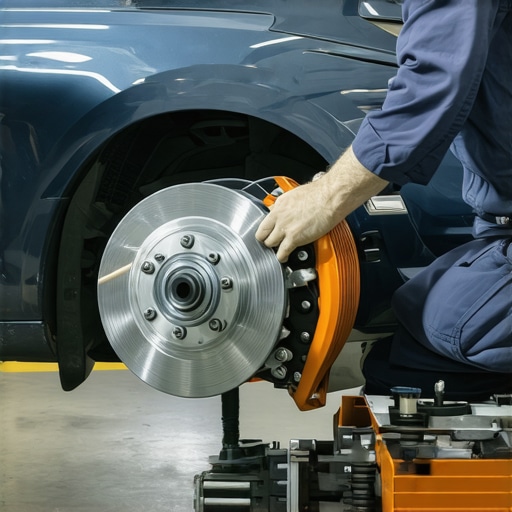
It was a chilly morning, and I was pulling out of my driveway when suddenly, my brake pedal felt unresponsive. That dull, spongy sensation—not the firm, reassuring stop I was used to—made my stomach tighten. For a moment, I froze, wondering if my brakes would hold, if my car was dangerously compromised. That lightbulb moment hit hard: something was wrong with my regenerative brakes, and I had to figure out what was happening.
Why Do Regenerative Brakes Feel Spongy in 2026 Models?
In recent years, electric and hybrid vehicles have become more popular, and with them, regenerative braking systems have gained prominence. These systems recover energy that would otherwise be lost during braking, recharging the battery and improving efficiency. But, as I learned the hard way, they can also introduce some quirks—like that unsettling spongy feel—especially as they age or encounter specific issues.
What causes this sensation? Often, it’s related to the brake fluid level, a build-up of debris, or even calibration issues within the system. Early on, I made the mistake of assuming that a simple brake fluid top-up was enough, only to realize later that the problem was more complex. It’s a common mistake because the systems are newer and sometimes less straightforward than traditional brakes. For example, many vehicle owners overlook the importance of regular inspection of the brake components, which can lead to decreased performance and safety risks.
The good news? A proper diagnosis and maintenance can restore that firm pedal feel and ensure your safety. To help you avoid the pitfalls I fell into, I’ll share what I learned—plus some expert tips on maintaining your regenerative brakes beyond just the basics. For a comprehensive guide on auto repair and ensuring your vehicle remains safe and reliable, check out [CollisionRenew’s expert brake and transmission services](https://collisionrenew.com/expert-brake-transmission-services-for-safer-roads-in-2024).
But before we dive into the fixes, I want to address a common concern I hear from many drivers: “Is this problem really worth the fuss?” Many assume that since regenerative brakes are newer, they won’t need much attention. However, neglecting these signs can lead to more costly repairs down the road—including damaged brake sensors or compromised safety systems. I learned this early on, and I want you to avoid the same mistake. Let’s explore what you can do to keep your brakes feeling solid and secure.
Inspect Brake Fluid Levels and Quality
First, park your vehicle on level ground, turn off the engine, and locate the brake fluid reservoir—usually near the firewall on the passenger side. Open the cap and check the fluid level against the ‘MIN’ and ‘MAX’ marks. If it’s below the recommended level, top it up with the manufacturer-approved brake fluid. Using old or contaminated fluid can cause sponginess, so consider flushing and replacing the brake fluid if it hasn’t been done in over two years. Remember, degraded brake fluid is like muddy water passing through clean pipes—it hampers system performance.
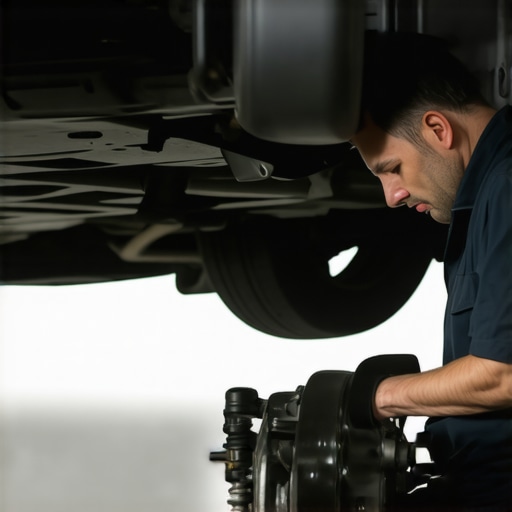
Clean and Examine Brake Components
Remove the wheels and visually inspect the brake pads, rotors, and calipers for buildup of debris or corrosion. Use a dedicated brake cleaner to remove dirt and grime. Pay particular attention to the regenerative brake sensors, which can get dirty or misaligned. This step is akin to cleaning the lenses of a camera to ensure a clear picture—if dirt obstructs the sensor, brake response can feel inconsistent.
Calibrate the Regenerative Braking System
Most 2026 hybrid and electric vehicles require system calibration after brake maintenance. Follow your vehicle’s specific calibration procedure—this often involves a series of gentle stops from varying speeds to let the system learn optimal braking patterns. In my experience, performing this calibration on a quiet, flat parking lot reduced variables, resulting in a smoother pedal feel. If you’re unsure about calibration steps, consult your service manual or professional technicians for assistance, which can be found at [CollisionRenew’s expert brake and transmission services](https://collisionrenew.com/expert-brake-transmission-services-for-safer-roads-in-2024).
Check Brake Sensor and Electrical Connections
Wiring issues are common culprits for sponginess. Using a multimeter, verify that the brake sensors are transmitting correct signals. Look for frayed wires or loose connectors—think of it as ensuring all the cables in your home are securely plugged in to avoid flickering and outages. Reconnect or replace faulty sensors as needed. If this step seems complex, professional assistance ensures your safety and peace of mind.
Test and Fine-Tune Brake Response
After completing the previous steps, conduct a controlled test drive. Start with gentle braking, then progressively apply more pressure to verify pedal firmness and stopping power. Listen and feel for irregularities or delays. If issues persist, repeat calibration or consider professional diagnostics—sometimes, the system needs a software update, which can be performed at authorized service centers. Regular brake maintenance, like following the tips in [ultimate brake maintenance guide](https://collisionrenew.com/ultimate-brake-transmission-maintenance-tips-for-2024-safety), ensures longevity and safety of your vehicle.
Many vehicle owners operate under the assumption that basic check-ups suffice for maintaining their car’s performance. However, this oversimplification often leads to overlooked issues that can escalate into costly repairs. For instance, a frequent myth is that replacing brake pads is all that’s necessary when experiencing braking problems. In reality, the entire braking system, including sensors, calipers, and fluid, should be evaluated regularly—neglecting this can result in compromised safety and expensive damage, a trap many fall into.
Another misconception involves transmission maintenance. Some believe that low transmission fluid levels alone cause slipping or jerking, but the underlying cause may be deeper, such as worn-out clutches or overheating, which require professional diagnosis. Relying solely on fluid top-ups without comprehensive inspection is a common mistake that can lead to further damage; for detailed insights, see [top auto repair tips](https://collisionrenew.com/top-auto-repair-tips-collisionrenew-strategies-for-2024).
Advanced car diagnostics have evolved, yet many drivers rely on outdated, rudimentary methods. For example, immediately replacing parts without proper testing can be unnecessary and wasteful. Modern diagnostic tools can accurately identify issues like electrical sensor failures or software glitches; skipping these diagnostics and jumping directly to parts replacement often results in higher costs and frustration. To understand more about system diagnostics, check out [expert brake and transmission services](https://collisionrenew.com/expert-brake-transmission-services-for-safer-roads-in-2024).
What most people overlook is the importance of aligning repair practices with manufacturer specifications. For instance, a common mistake is using generic parts or ignoring calibration after repairs, which can cause systems like regenerative braking to malfunction. Proper calibration ensures sensors and electronic controls operate seamlessly, avoiding the ‘spongy’ pedal feeling I experienced. Be aware that neglecting calibration procedures after brake or transmission repairs can significantly reduce vehicle safety and efficiency—more details can be found in [best brake and transmission maintenance strategies](https://collisionrenew.com/best-brake-transmission-maintenance-strategies-in-2024).
Are you aware of the pitfalls that can derail your vehicle’s longevity? Incorporate thorough diagnostics, calibration, and regular professional inspections to avoid these hidden issues. Remember, a proactive approach is always better than reactive repairs. Have you ever fallen into this trap? Let me know in the comments. To stay ahead, explore [collisionrenew’s expert auto repair tips](https://collisionrenew.com/auto-repair-masterclass-top-collisionrenew-tips-for-2024-care) for advice on keeping your car in prime condition.Maintaining your vehicle’s critical systems like brakes and transmissions requires more than just basic knowledge—it demands the right tools and a strategic approach. Over the years, I’ve refined my toolkit to include high-precision diagnostic devices and specialized cleaning equipment, which have proven invaluable in my auto repair journey. Investing in these tools not only speeds up repairs but also ensures long-term reliability and safety.
One of my go-to diagnostic tools is the OBD-II scanner, specifically models like the Launch CRP129X. I prefer this device because it offers comprehensive ECU diagnostics, real-time data streaming, and even bi-directional controls. This allows me to pinpoint issues with transmission shifting or brake system sensors quickly, saving time and reducing guesswork. For instance, when dealing with complex regenerative braking quirks, real-time data helps me identify irregular sensor outputs that could be missed during a standard visual inspection.
Alongside diagnostic equipment, I recommend a quality brake cleaning gun—such as the Mityvac Brake Bleeder Kit—which simplifies flushing brake fluid and cleaning calipers without the mess. Regularly using this tool ensures debris doesn’t accumulate in critical components, prolonging their lifespan. Additionally, a digital multimeter with high precision (like the Fluke 115) allows me to verify electrical signals from sensors and wiring harnesses, confirming system integrity.
The future of auto maintenance points towards integrated diagnostic software solutions. Manufacturers are increasingly releasing proprietary apps that sync with in-vehicle modules, providing detailed system health reports. Staying updated with these tools, such as the FordPass or Tesla app, offers a proactive approach to maintenance, alerting owners to potential issues before they escalate.
How do I keep these tools working over time? Regular calibration and cleanings are essential. For example, calibration of the OBD-II scanner ensures accurate readings; I do this monthly following manufacturer guidelines. Also, storing all diagnostic devices in a moisture-free, organized toolbox prevents damage and loss. These simple steps prolong the lifespan of your equipment, saving money and frustration.
Prediction-wise, I believe the trend towards AI-driven diagnostic tools will revolutionize car maintenance over the next decade. Automated error detection and predictive analytics will make repairs more precise and less invasive, ultimately reducing vehicle downtime and increasing safety.
To maximize your vehicle’s safety and efficiency, I highly recommend trying the detailed calibration techniques I mentioned. Upgrading your diagnostic setup with a reliable OBD-II scanner can be a game-changer. Remember, having the right tools is only part of the equation—knowing how to use and maintain them is equally vital for top performance. For more expert insights, check out [CollisionRenew’s auto repair masterclass](https://collisionrenew.com/auto-repair-masterclass-top-collisionrenew-tips-for-2024-car-maintenance-2).
The Unexpected Lessons That Changed My Approach to Brake Upkeep
One of the most profound lessons I learned was that even cutting-edge regenerative braking systems require attentive care and regular check-ups. I previously believed these systems were maintenance-free due to their modern technology, but experience proved otherwise. I realized that neglecting small signs of wear, like soft pedal feel or unusual warning lights, could lead to complex failures or safety hazards. This shift in perspective pushed me to prioritize regular diagnostics and system calibrations for optimal safety and performance.
Tools and Resources That Keep Me Ahead of Brake Problems
My essential toolkit includes a top-rated OBD-II scanner, like the Launch CRP129X, which provides detailed insights into brake sensor signals and system health. I also rely on high-quality brake cleaning kits, such as the Mityvac Brake Bleeder, for precise fluid flushing and component cleaning. Staying updated with manufacturer-specific diagnostic software ensures I can quickly identify hidden issues before they escalate. Trust in these tools has consistently helped me maintain safe, reliable braking—more tips are available in [the expert brake and transmission services guide](https://collisionrenew.com/expert-brake-transmission-services-for-safer-roads-in-2024).
Why I Encourage You to Take Action Today
Brakes keep us safe, especially in electric and hybrid vehicles relying on regenerative systems. Don’t wait for warning lights or spongy pedals to make your next move. Regular maintenance, calibration, and professional diagnostics safeguard your investment and your loved ones. Remember, proactive care now can prevent costly repairs and potential accidents down the line. If you’re wondering how to start, explore [collisionrenew’s auto repair masterclass](https://collisionrenew.com/auto-repair-masterclass-top-collisionrenew-tips-for-2024-care) for comprehensive guidance. Your vehicle’s safety is in your hands—take control today.