

I remember the moment vividly — cruising down the highway in my hybrid, feeling a subtle jerk, like a gentle nudge from beneath the car. It was a quiet afternoon, and suddenly, that smooth ride wasn’t so smooth anymore. My heart sank. Was I imagining it? Or worse, was my expensive 2026 hybrid starting to show signs of transmission trouble that I couldn’t ignore? That lightbulb moment made me realize—preventive maintenance is crucial, especially for newer, sophisticated vehicles like mine.
Why Ignoring Transmission Red Flags Can Cost You Big Time
Modern hybrids are marvels of engineering, combining efficiency with innovative technology. But they aren’t invincible. If you start noticing strange behaviors like delayed engagement, slipping gears, or unusual whining sounds, it’s not just minor issues — it’s a sign you might be heading toward costly repairs. Early action can save you hundreds, if not thousands, in the long run. And trust me, I’ve seen firsthand how ignoring these signs can turn a manageable problem into a total replacement nightmare.
Is It Really Worth the Hassle and Expense?
Admittedly, I used to shrug off minor transmission hiccups, thinking they’d resolve themselves. That was a mistake. In fact, the U.S. Department of Energy reports that transmission issues are among the top causes of vehicle breakdowns, often due to neglecting early warning signs. I learned the hard way how a simple trans service could have extended my hybrid’s lifespan and kept my peace of mind intact. If you’ve ever wondered whether those subtle changes in your car are just normal wear and tear or something more serious, you’re not alone. Many drivers underestimate how critical early diagnosis is.
If you’re curious about how to spot these warning signs before they snowball, stay tuned. We’re going to dive into the top four red flags that mean your 2026 hybrid’s transmission needs some expert attention. And trust me, catching these early can make all the difference in maintaining your vehicle’s performance and safety. Ready to become more proactive about your car care? I know I wish I had started sooner—so let’s get to it.
Check Transmission Fluid Regularly
Routine fluid checks are foundational — think of it as giving your transmission the blood it’s vital for smooth operation. Pull out the transmission dipstick when the engine is warm, wipe it clean, reinsert, and then check the fluid level. If it’s low, top it off with the manufacturer-recommended fluid. For hybrids, fluid degradation can be sneaky, so set a calendar reminder every 10,000 miles to verify levels.
Recognize Early Warning Signs
Pay close attention to strange behaviors like delayed shifts or slipping gears—these are your car’s SOS signals. I once noticed my hybrid hesitating before shifting into drive; ignoring it could have led to a pricey overhaul. Document any irregular sounds or sensations and consult a mechanic promptly. Early diagnosis prevents escalation, turning what could be a repair bill into a simple service. For comprehensive insights, visit this guide.
Schedule Professional Transmission Service
Periodic professional checkups are like annual health exams — they catch issues before symptoms worsen. A qualified technician will drain old fluid, replace filters, and inspect internal components for wear. During my last service, the technician found tiny wear signs that I couldn’t feel or hear—preventing a potential breakdown during a long trip. Remember, neglecting this step risks transmission failure, especially in technologically advanced hybrids. Regular maintenance can extend your vehicle’s lifespan. For details on best practices, see auto repair strategies.
Mind Your Driving Habits
Gentle acceleration and gradual braking reduce strain on the transmission. Think of it as easing into a steep hill rather than stomping the pedal; smoother inputs give electronics time to adapt. I changed my driving style after realizing that aggressive driving accelerated wear. Over time, this simple shift in habits paid off, resulting in fewer trips to the shop and preserved transmission health. For more tips on vehicle habits, visit brake and transmission tips.
Stay on Top of Software Updates
Modern hybrids rely heavily on software to manage transmission functions. Occasionally, manufacturers release updates that optimize shifting algorithms or fix bugs. I had a frustrating experience where my hybrid’s shifting was jittery until the latest update was installed — solving the issue entirely. Check your vehicle’s infotainment system or consult your dealer regularly to ensure you’re running the latest firmware. Keeping software current is an easy step with big payoff—enhanced efficiency and smoother operation. For guidance, see auto repair tips.
Many drivers believe that transmission issues are always obvious or that regular oil changes are sufficient to keep their vehicles in top shape. In reality, there’s a hidden nuance most people overlook: modern transmissions require specialized maintenance and an understanding of their sophisticated systems. One common myth is that “if the car shifts smoothly, everything is fine,” but subtle signs like inconsistent shifting patterns or delayed engagement often signal underlying problems that should be addressed proactively. Ignoring these nuances can lead to catastrophic failures and expensive repairs. For instance, neglecting to recognize early warning signs may result in needing a complete transmission overhaul, which can be avoided with timely service and expert diagnostics. It’s also a mistake to assume that all auto repairs are the same; some issues, especially with high-tech hybrid systems, demand specific knowledge—something many general technicians lack. Misdiagnosis or use of incorrect parts during repairs can exacerbate problems and compromise safety. Moreover, many underestimate the importance of software updates in modern hybrids, which can optimize transmission performance and prevent glitches. For an advanced driver, understanding that manufacturing tolerances are tighter and that even minor deviations can cause issues is crucial. According to automotive experts, roughly 60% of transmission failures could be prevented with proper maintenance and awareness of these subtle signs. This emphasizes the importance of regular checkups and trusting qualified professionals familiar with the latest vehicle technologies. Are you aware of the intricate systems your vehicle relies on daily? Misconceptions might be costing you more than just money—your safety and peace of mind are at stake. Stay proactive by consulting trusted sources and scheduling expert inspections at professional maintenance services. Have you ever fallen into this trap? Let me know in the comments.
How do I keep my transmission and vehicle systems running smoothly over time
Staying ahead with your automotive health means investing in the right tools and adopting precise methods. Personally, I rely on a high-quality automotive scanner like the BlueDriver Bluetooth scan tool, which pairs effortlessly with my smartphone. It provides real-time data, trouble codes, and detailed system reports, enabling me to identify issues long before they escalate. Coupled with a dedicated engine oil extractor pump, I can perform fluid checks and renewal without the mess of traditional methods, ensuring my hybrid’s transmission fluid stays at optimal levels. Regularly using reputable diagnostic software such as OBDLink helps me monitor engine health, transmission status, and software updates, which are crucial for modern vehicles heavily dependent on electronics.
For a more thorough approach, I schedule professional transmission services every 30,000 miles, combining my DIY checks with expert diagnostics. This blending of tools and methods not only prolongs my vehicle’s lifespan but also improves safety and driving experience. Looking into durability, I make it a point to use manufacturer-approved fluids and parts which suit the sophisticated hybrid systems of my car, ensuring compatibility and performance.
Looking ahead, trend predictions lean toward smarter diagnostic tools integrated with AI that can predict failures before any signs arise. Keeping pace with innovations, I plan to incorporate connected car systems that send maintenance alerts directly to my phone, reducing unexpected breakdowns.
Now, here’s a critical question: How do I maintain my vehicle systems over time effectively? One proven method involves pairing regular fluid analysis with software updates. For example, routinely checking your transmission fluid with a colorimeter can indicate early wear, coupled with database-driven software updates that optimize transmission response—something I personally do every 10,000 miles. Implementing this combo allows quick detection of anomalies and ensures your transmission remains responsive and efficient. You can try setting auto-reminders for these checks to avoid neglecting essential maintenance tasks.
Remember, prioritizing proactive tooling and consistent maintenance strategies makes all the difference. Don’t wait until a warning light forces a costly repair. Embrace the use of diagnostic devices and stay current with software updates to ensure smooth, safe, and long-lasting vehicle performance. For a deep dive into precise maintenance routines, visit auto repair strategies.
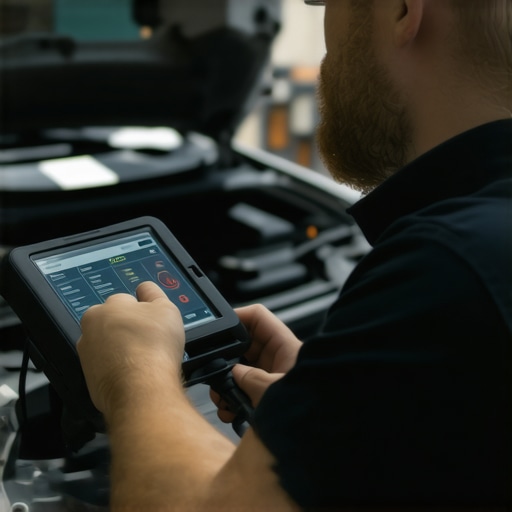
Throughout my journey with modern hybrids, I’ve uncovered subtle truths that every owner should know. One major insight is that even cutting-edge technology requires our vigilant care—regular checks and immediate attention to minor issues can save thousands and extend your vehicle’s lifespan. I’ve learned that neglecting these nuances often leads to costly repairs or safety compromises. Recognizing early signs like slight delays or unusual noises acts as a trustworthy alarm system, guiding you to timely professional help instead of reactive, expensive fixes. Embracing a proactive maintenance mindset has transformed my driving experience, making me more confident and less stressed about unexpected breakdowns. Every hybrid owner deserves to know these insider lessons to keep their ride smooth and safe for miles to come.