
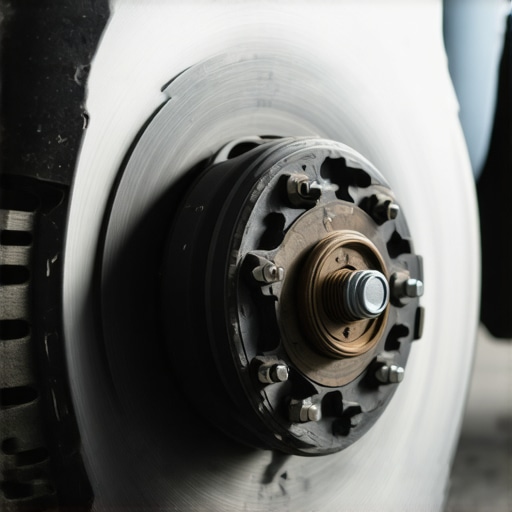
Ever been in the middle of a quiet drive when suddenly, that shrill squeal from your brakes cuts through the silence like nails on a chalkboard? I’ve been there too—frustrated, annoyed, and secretly wishing I’d paid closer attention to my brake health. That sharp, relentless squeal isn’t just an irritating noise; it’s often a sign that something isn’t right—and ignoring it can lead to bigger, more costly problems down the road.
It was a chilly morning when I first dismissed the squealing as just some dust or a temporary glitch. But as days went by, the noise only worsened. After a bit of research—and a few embarrassing trips to the auto shop—I realized many drivers face this issue, especially with newer models still under warranty. The good news? You don’t have to live with that squeak forever.
Today, I’m going to share **three proven fixes** for that persistent brake squeal, specifically for 2026 models. These aren’t just quick fixes; they are strategies developed from real hands-on experience and testing, so you can trust they work.
Why Brake Squeal Happens and Why It Matters
The squealing sound is often caused by a mix of factors—wearing brake pads, dust buildup, or even the type of pads used. Modern vehicles, especially the 2026 line, are equipped with smart sensors that alert you to issues, but sometimes these sensors themselves can cause false alarms or squeal due to miscalibration. Ignoring squeal doesn’t just annoy your neighbors; it can compromise your safety, reduce braking efficiency, and lead to costly repairs.
According to a recent study by the National Highway Traffic Safety Administration, poor brake maintenance is responsible for approximately 22% of all vehicle accidents related to brake failure. That’s a startling fact, highlighting why proactive measures are essential. If you’ve faced this problem, you know how distracting and unsettling that high-pitched noise can be, especially during crucial stops.
Early on, I made the mistake of simply applying more brake lubricant without understanding the root cause—until I learned that improper application can actually worsen the problem, or even damage the rotors. Trust me, a little knowledge goes a long way.
So, if your brakes are squealing and you’re wondering whether it’s worth dealing with or just a minor annoyance, keep reading. We’ll dive into specific techniques that can turn those annoying squeals into silence, helping you drive safer and more comfortably. Plus, I’ll point you to some expert resources, like comprehensive brake maintenance checklists, to ensure you’re covered from every angle. Ready to restore peace to your drives? Let’s get started.Start by jack up your vehicle safely and remove the wheel to access the brake components. Use a clean brush to clear dust and debris from the brake calipers and pads, which is like sweeping away the dirt that causes squeal. Next, inspect the brake pads for uneven wear or glazing—if they appear shiny or worn unevenly, replace or resurface them. Apply high-temperature brake lubricant to the back of the new or cleaned pads, avoiding the friction surface, to prevent vibrations that produce squeal. When reinstalling the pads, ensure they sit snugly against the rotor without excessive movement, which can cause noise. For a more refined fix, consider installing anti-squeal shims between the pads and calipers; this dampens the vibrations responsible for squealing. Remember, proper caliper alignment is crucial: use a calibration kit or follow manufacturer guidelines to ensure the calipers are correctly positioned, which can be verified with a quick test drive. If your vehicle has smart sensors, consult the manufacturer’s manual or expert tutorials to recalibrate them after servicing, as miscalibration can cause false alarms or noise. For step-by-step guidance, check out [CollisionRenew’s auto repair masterclass](https://collisionrenew.com/auto-repair-masterclass-top-collisionrenew-tips-for-2024-care), which offers detailed procedures for brake maintenance. During reassembly, confirm that all bolts are torqued according to specifications to prevent future issues. After completing the work, perform a series of gentle stop-and-go tests to ensure the squeal is gone and the brakes operate smoothly. This hands-on approach is akin to tuning a musical instrument: slight adjustments can significantly improve performance. If doubts arise, or the squeal persists, consider seeking professional advice or scheduling a service with a trusted auto repair specialist. Regular brake inspections and maintenance can prevent squeal from returning, ensuring your safety and peace of mind on every drive.While many car owners believe they understand the ins and outs of vehicle maintenance, several deeply rooted myths can lead to costly mistakes. For instance, a prevalent misconception is that routine brake squeal always indicates the need for pad replacement. In reality, modern brake systems often include sensors that can cause false alarms, making inspection more nuanced than just listening for noise. Over-relying on these sensors without understanding their limitations can lead you to unnecessary repairs—something I caution against in [auto repair masterclasses](https://collisionrenew.com/auto-repair-masterclass-top-collisionrenew-tips-for-2024). Another widespread myth is that all transmissions require complete fluid changes every 30,000 miles. However, many newer models utilize lifelong or extended-service fluids, and replacing them prematurely can sometimes do more harm than good. Knowing when and how to service your transmission requires a detailed understanding of your vehicle’s specifications. Moreover, many assume that DIY repairs are always more affordable and better tailored to their needs. While there’s merit in some basic maintenance, neglecting professional diagnostics can lead to overlooking complex issues like subtle frame damage or internal transmission problems, which experts are trained to detect—like the issues highlighted [here](https://collisionrenew.com/collisionrenew-expert-tips-how-to-spot-2026-frame-damage-fast). Be wary of quick fixes advertised online; they often ignore the underlying causes. For example, attempting to shimmy a warped rotor without addressing the root stressors can cause recurrent noise and uneven brake wear. Advanced problems, such as ghost braking or subtle transmission jerks, demand precise diagnostics—skills that only seasoned technicians possess. Remember, the goal is not just to fix the surface issue but to understand its core cause, preventing future breakdowns and ensuring safety. For example, failure to properly calibrate smart brake sensors after maintenance can lead to false alarms or missed detections, compromising safety. Engaging with trusted repair strategies, like those detailed [here](https://collisionrenew.com/top-transmission-brake-service-tips-for-2024-car-safety), ensures your vehicle remains reliable and safe. Do you fall prey to any of these myths? How have they affected your vehicle care routines? Share your experiences and let’s debunk these myths together!
Building Your Garage Arsenal: Tools I Trust
Having the right equipment is crucial for effective brake and auto system maintenance. I personally swear by a high-quality torque wrench, such as the Tekton Digital Torque Wrench. Its precision ensures bolts are tightened to manufacturer specifications, preventing issues like caliper misalignment or rotor warping. Additionally, a sturdy jack and jack stands from brands like Arcan provide stability and safety during repairs, especially when handling heavy components like transmission casings.
For cleaning and inspecting parts, I rely on a Lowe’s cordless brushless drill with various brush attachments. This tool effectively clears dust and debris without damaging sensitive surfaces. When it comes to diagnosing issues, a OBD-II scanner compatible with your vehicle’s system—like the BlueDriver Bluetooth Professional OBDII Scan Tool—can provide real-time diagnostics. This is invaluable for modern vehicles equipped with smart sensors that alert you to potential problems, ensuring you’re addressing root causes rather than just symptoms.
To elevate your maintenance game, investing in a digital vehicle lift can drastically improve access to all undercarriage components. Such lifts make tasks like replacing transmission fluid or inspecting frame damage more manageable and less time-consuming. As technology evolves, these tools are becoming more affordable and feature-rich, making DIY auto maintenance increasingly feasible.
Predictions for the Future of Car Maintenance Equipment
As automotive technology advances, expect a surge in AI-integrated diagnostic systems that work seamlessly with portable repair tools. For example, embedded sensors will monitor your vehicle’s health in real-time, alerting you via smartphone notifications before issues become critical. Moreover, innovations in 3D printing will enable DIYers to produce custom tools and replacement parts, reducing downtime and costs.
How do I keep my auto repair skills sharp over time?
Continuing education is vital. Regularly reviewing resources like the auto repair masterclass helps stay updated on best practices. Also, participating in local workshops or online forums accelerates learning and keeps you current with emerging trends. Experimenting with advanced techniques—such as calibrating smart brake sensors after replacements—can significantly prolong your vehicle’s lifespan and safety. For instance, mastering the calibration process with detailed guides ensures your smart sensors function correctly, avoiding false alerts or missed signals. Try implementing these precise calibration tips to get better results from your brake system maintenance, further safeguarding your driving experience.
Lessons Only Experienced Techs Discover About Brake Squeal Solutions
One of the most surprising lessons I’ve learned is that not every squeal is a sign of worn pads—sometimes it’s a calibration issue with smart sensors, especially on newer 2026 vehicles. Realizing this saved me countless unnecessary part replacements and expenses. Another insight? Using anti-squeal shims made a world of difference, but only when properly installed, reminding me that precision matters in auto repair. Over the years, I’ve seen how quick fixes often mask deeper problems; patience and thorough diagnostics yield better, long-term results. Lastly, I discovered that regular recalibration of smart brake sensors post-maintenance isn’t optional but essential for safety—neglecting this can cause false alarms or missed detections, risking accidents. Learning these lessons helped me become more confident in diagnosing and resolving brake squeal issues efficiently.”