
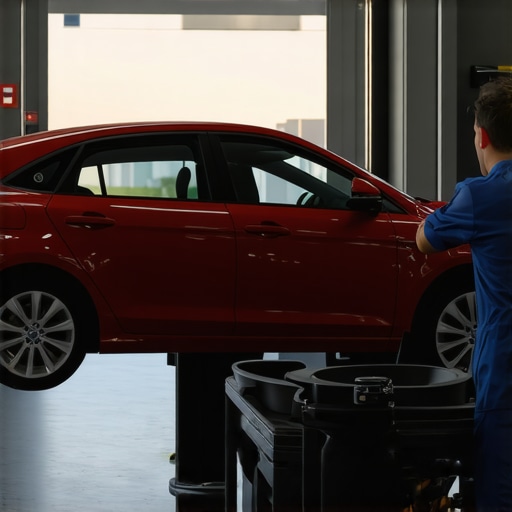
I vividly remember the day I got hit by a tiny dent on my rear bumper, thinking it was just a superficial ding. But a few days later, my car’s brake warning light flashed, and suddenly everything felt off. That light turned my simple fender bender into a headache I didn’t see coming. It was a lightbulb moment—minor accidents can trigger major headaches, especially with those new 2026 brake sensors.
Uncovering the Hidden Culprit Behind Post-Collision Brake Failures
If you’ve experienced a minor collision and then found your brake sensors acting up, you’re not alone. The frustrating part? Many folks, myself included, don’t realize that such seemingly insignificant bumps can mess with your vehicle’s sophisticated safety systems, particularly in new models. Predictably, these failures aren’t just inconvenient—they pose serious safety risks. I want to share what I’ve learned from my own experience and how you can prevent this from happening to you.
Early on, I made the mistake of trusting everything to that tiny dent without inspecting further. It wasn’t until my brakes started squealing and the warning lights refused to turn off that I understood—those minor impacts can disrupt sensitive components like the brake sensors, especially in 2026 models designed with advanced collision detection and safety features. As highlighted by automotive experts, even small impacts can cause subtle damage leading to larger system failures over time. You can read more about this in [our guide on hidden 2026 brake faults](https://collisionrenew.com/3-hidden-2026-brake-faults-collisionrenew-scanners-detect).
So, what’s the fix? First, we need to understand why these failures happen and how to identify early signs before they turn dangerous. Luckily, with the right knowledge and tools, you can safeguard your vehicle against expensive repairs and ensure your safety on the road. Let’s dive into the practical steps to detect and address brake sensor issues caused by minor collisions.
Inspect Your Vehicle Carefully
Start by parking on a level surface and turning off your engine. Open the hood and visually examine the area around the rear bumper and wheels for any signs of damage, such as misaligned panels, cracks, or loose components. Use a flashlight to get a clear view of the brake sensor wiring and connectors. Remember, small cracks or dislodged sensors can trigger brake warning lights in your dashboard.
Utilize Diagnostic Tools
Connect an OBD-II scanner to your vehicle to retrieve error codes related to braking systems. Codes like C0071 or C0035 often signal sensor faults. If you don’t have one, many auto parts stores offer free diagnostics. This step is akin to using a medical scan to pinpoint issues that surface symptoms like warning lights.
Check Sensor Alignment and Integrity
Physically inspect the brake sensors for any signs of displacement post-collision. Gently touch and, if accessible, remove the sensors to examine their mounting points. Realign any shifted sensors, ensuring they sit flush with the mounting bracket. If a sensor is cracked or damaged, replace it with a compatible part. Think of this as resetting a misaligned satellite dish to restore clear signal reception.
Confirm Wiring and Connections
Trace the wiring harness from the sensor to the vehicle’s main computer. Look for frayed wires, corrosion, or loose connectors. Secure any loose connections and clean corrosion with electrical contact cleaner. This ensures the signal pathway remains unbroken, much like fixing a communication line to prevent static or dropouts.
Reset the Brake System
After fixing hardware issues, clear the error codes using the diagnostic tool. Then, perform a test drive to observe if the warning lights reappear. Some vehicles may require a sensor calibration process, which can often be done through the vehicle’s onboard diagnostic interface or at a professional service center. Think of this step as rebooting a computer to apply new settings and ensure everything runs smoothly.
Prevent Future Sensor Malfunctions
Regularly inspect your vehicle, especially after minor accidents, to catch early signs of sensor misalignment. Schedule routine maintenance for your braking system and software updates. For comprehensive safety strategies, consider reviewing our guide on collisionrenew repair strategies which emphasizes proactive measures to keep your vehicle in top shape.
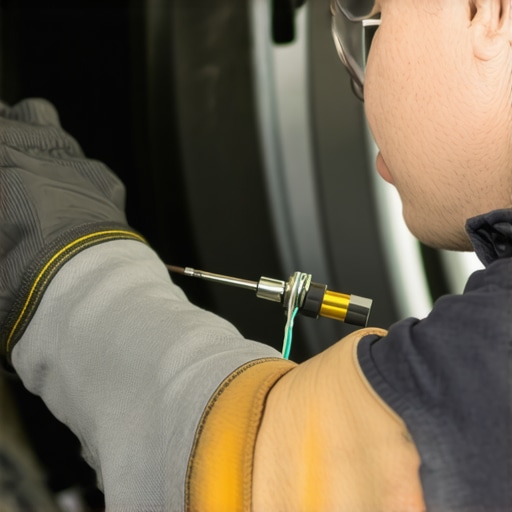 Many car owners operate under misconceptions about auto repair, often leading to costly mistakes or overlooked issues. One common myth is that routine maintenance isn’t crucial unless there’s an obvious problem. In reality, skipped or delayed service can hide subtle yet damaging problems, especially with complex systems like brakes and transmissions. Experts suggest adhering to manufacturer schedules, but many underestimate the importance of early diagnostics and proactive checks, particularly in advanced models. For instance, many believe that brake squeal always indicates worn pads, but in modern vehicles, it can also signal improper sensor calibration or moisture buildup—an often-missed nuance that can lead to unnecessary replacements.
Why do so many car owners trust surface fixes over comprehensive diagnostics?
A study published in the Journal of Vehicle Maintenance highlights that superficial repairs, such as replacing pads without inspecting rotors or sensors, frequently lead to repeat issues. This oversight stems from a lack of understanding of the vehicle’s integrated systems. Additionally, there’s a misconception that expensive repairs are always necessary for minor symptoms. In truth, diagnosing the root cause—like a misaligned sensor post-collision—can prevent unnecessary parts replacement and save money. A common trap is misinterpreting warning lights; many assume they mean hardware failure, but often they are alerts triggered by software glitches or sensor misalignments that can be fixed with calibration or software updates. For example, in 2026 models, subtle sensor misalignments can cause false alerts or system malfunctions if not properly addressed, emphasizing the importance of expert diagnosis. Moreover, some believe that all auto repair shops are equally competent. However, specialization matters, especially with the rise of advanced driver-assistance systems (ADAS). Choosing a technician familiar with collisionrenew auto repair strategies ensures your vehicle’s complex systems are correctly diagnosed and serviced. To maximize your safety and vehicle longevity, embrace comprehensive diagnostics and stay informed about the evolving nuances of modern automotive technology. For practical tips, consider reviewing our guide on collisionrenew repair strategies for 2024. Remember: staying proactive and informed is key to avoiding costly mistakes and ensuring your car runs smoothly for years to come. Have you ever fallen into this trap? Let me know in the comments.
Investing in Reliable Equipment for Car Care
Maintaining a vehicle over time requires not just knowledge but the right tools. I personally rely on a high-quality OBD-II scanner like theBlueDriver because it provides comprehensive diagnostic readouts that uncover hidden faults, especially in complex systems like brakes and transmissions. For instance, it allows me to quickly identify error codes such as C0071 related to brake sensor faults, streamlining the repair process and avoiding unnecessary parts replacement.
Beyond diagnostics, I use a precision torque wrench calibrated regularly to tighten bolts accurately, preventing over-tightening that can damage sensor mounts or under-tightening that may lead to component failure. My favorite is theDia-Forus model because of its consistent performance and durability, critical for repairs that demand precision, especially post-collision calibrations.
Software and Calibration Tools to Keep Systems Running Smoothly
Modern vehicles rely heavily on software updates for optimal operation. I recommend theAutel MaxiSys diagnostic platform, which not only reads errors but also runs calibration routines for AWD systems, sensors, and braking modules. Regular calibration, such as after sensor realignment or software updates, prevents false warnings and system malfunctions. This proactive approach enhances safety and drastically cuts repair costs over the vehicle’s lifespan.
For example, after minor collision repairs, recalibrating your ADAS sensors with this tool ensures accurate detection and response, keeping your vehicle’s safety systems functional and reliable. Such calibration procedures are slated to become even more vital as vehicles advance into 2026 and beyond, emphasizing the importance of investing in industry-standard equipment.
Practical Maintenance Practices for Longevity
Consistency in using these tools and adhering to checklists backed by expert standards—like those outlined by CollisionRenew—are crucial. Regular inspections, software updates, and calibrations form the trio of long-term vehicle health strategies. As new models evolve, so do the diagnostics—anticipate increasingly integrated solutions that combine hardware and AI to preempt issues before they manifest.
How do I maintain auto systems over time to avoid costly repairs?
Adopt a proactive mindset by scheduling routine diagnostic scans and software updates, especially after minor impacts or sensor replacements. Incorporate tools like the BlueDriver scanner and Autel MaxiSys into your regular maintenance routine to stay ahead of potential faults, ensuring your vehicle remains safe and responsive throughout its lifespan. For detailed strategies, explore our guide on collisionrenew repair strategies—a comprehensive resource for car owners committed to longevity and safety. Don’t wait for warning lights to flare; start integrating these tools into your maintenance today.
What I Wish I Knew When Fixing My Car After a Tiny Impact
One of the most eye-opening lessons I learned was that even minor collisions can set off complex safety systems, especially with newer 2026 models. I used to think a small dent was just cosmetic, but now I realize that overlooking subtle damage can lead to bigger problems down the line, like brake sensor malfunctions. Recognizing the importance of thorough inspections shifted my entire approach to vehicle maintenance.
Another insight was how essential proper calibration and software updates are post-repair. I once attempted to reset systems myself, only to find warning lights persist. Consulting with experts and utilizing the right tools, like the Autel MaxiSys, made a difference. It’s clear that investing in reliable diagnostics and calibration ensures safety and saves money in the long run.
Lastly, I discovered that understanding your vehicle’s integrated systems, like collisionrenew’s repair strategies, empowers you to prevent issues before they escalate. Regular checkups, software updates, and sensor realignment aren’t just recommendations—they’re crucial steps. Being proactive about these details transforms a simple repair into a lasting safety practice.
This article really highlights how even the smallest bumps can have big implications on modern vehicle safety systems, especially with the sophisticated tech in 2026 models. I experienced a similar situation where a minor collision shifted some sensors without obvious damage, leading to warning lights that persisted even after the physical repairs. It made me realize how crucial it is to combine visual inspections with digital diagnostics and proper calibration. One thing that stood out to me was the emphasis on routine checks after minor impacts, which I now see as essential preventive care. I wonder, though, how often do most owners actually get their sensors calibrated after a collision? In my experience, many just get the bodywork fixed without considering the electronic systems. Have others had success with certain brands of diagnostic tools, like the BlueDriver or Autel, for quick calibration at home? It seems like investing in reliable equipment can really save on costly repairs and ensure safety on the road. Would love to hear about other practical tips or experiences with maintaining these advanced systems.