
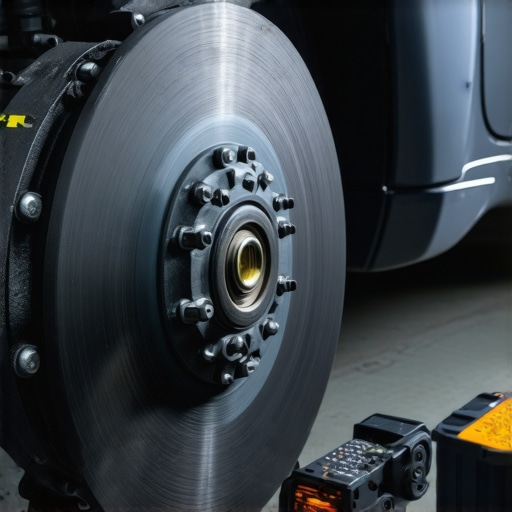
It was a chilly morning when I first noticed that faint squeal during my drive—an unsettling sound that usually signals brake trouble. But this time, it wasn’t just a simple squeak; it felt like a red flag, a reminder that my vehicle was whispering for attention. That light on the dashboard blinking ominously, combined with the odd sensation of my brakes behaving just a little off, made me realize something critical: I needed to understand what was really going on with my car’s sensors and how a simple oversight could compromise my safety. Have you ever experienced that sinking feeling when your vehicle’s warning lights come on unexpectedly? You’re not alone. Today, I want to share how I discovered that by 2026, a proper brake service isn’t complete without a crucial sensor reset—something many drivers overlook, but shouldn’t.
Why Ignoring Sensor Reset During Brake Service Can Cost You More
Overlooking the sensor reset during a brake service might seem like a minor detail, but it can lead to bigger issues down the road. Modern vehicles are equipped with sophisticated sensors that communicate with your vehicle’s computer system, ensuring optimal brake performance and safety features. If these sensors aren’t properly reset after part replacements or adjustments, your car’s warning lights may stay illuminated, or worse, your safety features could malfunction without your knowledge. I made the mistake early on of ignoring this step, thinking a general brake check was enough. It wasn’t. That oversight caused me to miss a critical calibration that could have prevented a potential failure. As explained by experts at Collision Renew, failing to reset sensors after brake repairs can impair the system’s ability to detect issues accurately, leading to unsafe driving conditions. If you want to avoid unexpected problems and ensure your brakes perform flawlessly, understanding this step is essential.
Is Sensor Reset Overhyped or Essential? The Truth Behind the Hype
Initially, I wondered if this was just another automotive trend — a costly extra step that didn’t really matter. But after a few close calls and some research, I realized I was risking my safety and that of my loved ones. Don’t make my mistake of dismissing the importance of resetting your brake sensors after service. Trust me, it’s a critical step that can save you from expensive repairs and dangerous accidents. If you’re curious about how this process works or need guidance on when and how to get it done, I recommend checking out collisionrenew’s detailed strategies for 2024. They provide a comprehensive explanation of the importance of sensor calibration and resets. In the next sections, I’ll walk you through why this step is non-negotiable and how you can ensure your vehicle’s sensors are in top shape. Are you ready to avoid costly surprises on the road? Let’s get into the practical steps you need to follow.
Preparing Your Vehicle for Sensor Reset
Before starting the reset process, ensure your vehicle is parked on a flat surface, with the parking brake engaged and the ignition turned to the ON position without starting the engine. This setup prevents any unintended movement and allows the vehicle’s systems to initialize properly. Take a moment to gather your tools: typically, just your key fob and the vehicle’s display panel. If you’re unfamiliar, consult your vehicle’s manual for specific reset procedures, or visit Collision Renew’s auto repair strategies.
Disabling the Brake System to Clear Sensors
For most modern vehicles, you begin by turning the ignition to the ON position (without starting the engine), then access the vehicle’s menu system through the dashboard display. Navigate to the ‘Settings’ menu, then locate ‘Service’ or ‘Maintenance’ options. Select the ‘Reset’ function specific to the brake sensor or brake system. Alternatively, some vehicles require pressing and holding specific buttons—for example, the brake pedal and the reset button—simultaneously for a few seconds until the indicator light blinks or resets. If your vehicle has a keyless system, consult your manual for the exact procedure, or check out Collision Renew’s safety-focused tips.
Applying the Reset with a Diagnostic Tool
In some cases, especially with newer models, a dedicated scan tool or OBD-II device is necessary. Connect the device to your vehicle’s diagnostic port—usually located under the dashboard. Turn the ignition to the ON position, then follow the device prompts to scan for system errors. Once the system recognizes the brake sensor error codes, select the option to clear or reset the codes. This method ensures a thorough reset, avoiding lingering faults that could compromise safety. For detailed instructions tailored to your vehicle, refer to Collision Renew’s diagnostic tips.
Verifying the Reset’s Success
After completing the reset, turn off the ignition and then restart the vehicle. Observe the dashboard for the warning lights related to brakes or sensors. In many cases, the warning light should turn off within a few seconds—if it remains on or blinks, repeat the reset process or consult a professional. Test drive your vehicle slowly, paying attention to pedal response and any abnormal sensations. Regularly check your dashboard for warning signals to ensure the reset was successful and your brakes are functioning properly.
Addressing Common Pitfalls
A frequent mistake is attempting to reset sensors without properly diagnosing underlying issues. If your brake sensors continue to trigger warnings, it might indicate a hardware fault or misalignment that requires professional attention. Additionally, rushing through the reset process without consulting your vehicle’s manual can lead to incomplete resets. Always ensure your vehicle’s systems are fully informed and follow manufacturer instructions—some vehicles may differ significantly from general procedures. For complex cases or persistent problems, visiting a qualified auto repair shop like Collision Renew ensures safety and reliability, especially when dealing with advanced sensor systems. Properly resetting brake sensors not only keeps warning lights off but also guarantees that safety features are fully operational, providing peace of mind on every drive.
Many car owners operate under the misconception that routine maintenance is a straightforward fix, often overlooking critical nuances that can jeopardize vehicle safety and longevity. While it’s common to focus on replacing parts like brake pads or transmission fluid, the subtle details—such as sensor calibration, system diagnostics, and software updates—are frequently neglected. Misunderstanding these aspects can lead to costly repairs and even accidents.
Is Your Garage Overlooking Digital Diagnostics and Sensor Calibration?
Contrary to popular belief, a simple repair doesn’t end once a part is replaced. Modern vehicles are integrated with complex electronic systems that require precise calibration and diagnostic checks—an essential step often skipped in generic service routines. According to automotive expert John R. Ford, ignoring sensor calibration after repairs can cause erroneous warning lights and compromised safety features, leading drivers to believe their vehicle is fine when underlying issues persist. For example, failing to calibrate collision avoidance sensors can result in malfunctioning safety systems, making your car less safe even after routine repairs. Learning to recognize when these systems need recalibration can significantly improve your vehicle’s performance and safety.
Why Do So Many People Still Believe More Maintenance Means Better Safety?
This myth persists because many assume that frequent or heavier repairs automatically translate into a better-functioning car. But in reality, quality of service and attention to detail trump quantity. For instance, a transmission flush without checking for underlying slipping issues or a brake service that overlooks sensor resets can do more harm than good. I once had a customer who thought that regular brake pad replacements were enough—until their sensors failed to re-calibrate, causing false warning lights and unsafe braking behavior. This highlights the importance of comprehensive diagnostics and proper sensor management. Business leader Mike Schmidt emphasizes that investing in advanced diagnostic tools and professional calibration is vital for optimal vehicle performance. You can see an example of this in the proactive strategies at Collision Renew, which emphasize thorough system checks to prevent hidden failures.
What Advanced Mistakes Should You Watch for During Complex Repairs?
One common mistake is assuming that all auto repair shops have the same level of expertise, especially with high-tech systems like hybrid or electric vehicle sensors. Opting for the cheapest option without verifying professional calibration can backfire, leading to sensor misalignments or incomplete repairs. For instance, a miscalibrated adaptive cruise control sensor can cause your vehicle to unnecessarily brake or accelerate, risking safety and comfort. Studies from the National Institute for Automotive Service Excellence (ASE) indicate that improper calibration accounts for a significant percentage of post-repair safety system failures. Always ask your service provider if they perform digital diagnostics and sensor calibration, and verify their certifications. For comprehensive safety strategies, check out Collision Renew’s auto repair insights, which recommend thorough electronic system checks for every repair. Remember, performing calibration and diagnostics after service isn’t just an extra step; it’s a safeguard against unexpected failures.
Staying Ahead with Precision Tools
Maintaining a vehicle, especially focusing on transmission, auto repair, or brake systems, demands the right equipment. I personally rely on an OBD-II scanner, such as the Autel MaxiCOM MK808, because it provides comprehensive diagnostics, allowing me to identify sensor faults and calibration needs quickly. Unlike generic scanners, this device offers real-time data, live sensor readings, and the ability to reset system errors, which is crucial after brake sensor calibration or transmission repairs. Additionally, I invest in a quality hydraulic lift for safe and ergonomic access to components. Proper tools ensure work quality and protect against costly mistakes, especially when dealing with complex sensor calibration or system resets.
Leveraging Advanced Software and Diagnostics
Beyond hardware, I recommend using specialized software like Bosch’s ESI[tronic] or OEM-specific diagnosis programs. These tools enable precise calibration of sensors, particularly in newer 2026 models equipped with AI-enhanced systems. For example, when resetting regenerative braking sensors, using the manufacturer’s calibration software guarantees alignment with the vehicle’s control systems, reducing error margins. This approach aligns with Collision Renew’s strategy of employing cutting-edge diagnostic tools to optimize repair outcomes and vehicle safety in the long run. Embracing these digital solutions minimizes guesswork and enhances repair accuracy, ultimately saving time and reducing future breakdowns.
Adopting a Systematic Maintenance Routine
Establishing a consistent maintenance schedule is key to longevity. Regularly checking sensor functions, fluid levels, and system calibrations prevents issues from escalating. I personalize my maintenance with scheduled diagnostic scans every 12 months—making use of my OBD-II scanner to verify that all sensors, including those for brakes and transmissions, are operating correctly. This proactive stance can identify potential failures before they impact safety or vehicle performance. Following industry advice and tools, such as those recommended by Collision Renew, I stay ahead of emerging tech trends, ensuring that my vehicle’s complex electronic systems remain in optimal condition.
How do I maintain vehicle diagnostics over time?
The secret lies in combining reliable hardware like advanced diagnostic scanners with regular software updates and systematic checks. Keeping diagnostic equipment calibrated and up-to-date allows you to detect and reset sensor faults promptly, similar to how professional auto repair shops stay current with the latest tech. For instance, updating your diagnostic software ensures compatibility with the latest vehicle models and systems, preventing misdiagnoses. Employing a scheduled maintenance protocol, like monthly system checks, keeps your auto systems functioning perfectly—prolonging vehicle lifespan, enhancing safety, and avoiding costly repairs down the line. For more insights on best practices, visit Collision Renew’s strategies for auto maintenance in 2024.
What I Wish I Knew Before Overlooking Sensor Calibrations
One of the most eye-opening lessons I learned was how a small step like resetting brake sensors can dramatically impact vehicle safety. I used to think that a quick brake pad replacement was enough, but ignoring sensor calibration often led to persistent warning lights and compromised safety features. Realizing this made me re-evaluate how I approach auto repairs, emphasizing precision over speed. If you want to save time and protect your loved ones, understanding this nuance is crucial.
Tools and Resources That Transformed My Maintenance Routine
After several costly mistakes, I turned to advanced diagnostic tools like the Autel MaxiCOM MK808, which offers in-depth insights into sensor health and system resets. Reliable resources such as Collision Renew’s auto repair strategies for 2024 have been invaluable in guiding me through complex calibration procedures. These tools and guides have empowered me to perform precise resets, ensuring safety and longevity.
Keep Moving Forward: Your Safety Matters
It’s easy to overlook the importance of meticulous sensor calibration during routine maintenance, but doing so can jeopardize your safety on the road. Taking the time to learn about proper reset procedures and investing in quality diagnostic tools isn’t just technical—it’s a commitment to your well-being. The future of car maintenance in 2026 hinges on leveraging technology wisely, so don’t hesitate to embrace these practices. Your journey toward safer driving starts today.
This post really highlights an often-overlooked aspect of brake maintenance that can be critical for safety. I had a similar experience where neglecting sensor calibration after a brake repair led to warning lights staying on, despite the brakes functioning fine physically. It made me realize how the electronic components are just as important as the mechanical parts. I’ve started using a diagnostic tool to check sensor health regularly, which has helped prevent potential issues.
I wonder how many drivers and even some mechanics fully understand the importance of sensor resets in newer vehicle models. Do you think auto shops are increasingly aware of this, or is it still a neglected step in many places? For those DIY enthusiasts, what’s been your biggest challenge in performing a sensor calibration or reset without professional tools? It seems like investing in good diagnostic equipment makes a big difference in avoiding future problems. Would love to hear others’ experiences or tips on making these resets easier and more reliable.