
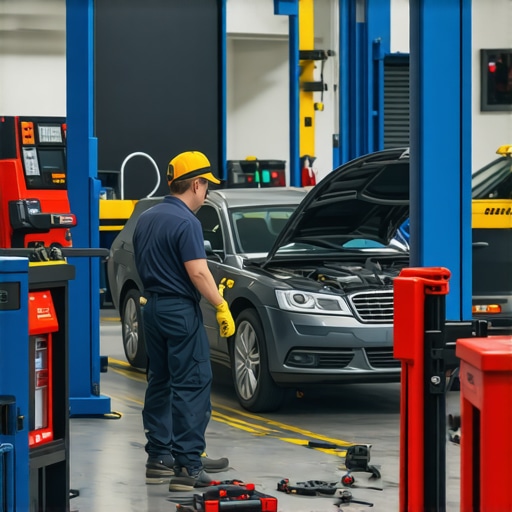
It was a chilly morning when I realized something wasn’t quite right with my car. After a minor fender-bender last week, I started noticing a strange squeal every time I applied the brakes. At first, I brushed it off as nothing—maybe some dirt or a worn pad. But as days went on, that squeal grew louder, and my confidence in my vehicle’s safety started to waver. That unsettling feeling sparked a question I hadn’t paid enough attention to before: Are my brakes truly safe after an accident?
Understanding the Hidden Risks After a Collision
Even a seemingly minor crash can hide serious issues—especially with the sophisticated sensors and safety systems embedded in today’s vehicles. Often, I see folks assuming that if the car drives fine after a bump, the damage is cosmetic. Big mistake. Damage to your brake sensors or control modules can be silent killers, impairing your vehicle’s safety features and risking your well-being. Reliable brake sensors are essential—they’re the invisible guardrails preventing accidents from turning catastrophic. But how do you know if they’re still functioning properly? That’s what we’ll dive into today.
Is a Quick Fix Enough, or Should You Dig Deeper?
Early in my auto repair journey, I made the mistake of trusting that a quick brake pad replacement would fix the squealing issue. Turns out, the sensors were out of alignment after the collision, and that oversight could have led to a failure in emergency braking systems. Trust me, consulting with professionals about post-crash sensor checks saved me much more than a few bucks in repairs. According to experts at CollisionRenew, neglecting to verify post-crash sensor status can compromise your safety and lead to costly repairs down the line. So, whether you’re a seasoned DIYer or just want to be confident on the road, understanding these checks is vital. Ready to learn how to ensure your brakes are truly safe? Let’s get started.
Perform a Visual Inspection of Brake Components
Start by parking your car on a level surface, engaging the parking brake, and examining the brake pads and rotors for signs of damage, uneven wear, or debris. Use a flashlight to look behind the wheels and check for any visible cracks or misalignments. Remember, a quick visual check can catch obvious issues that might compromise safety, especially after an impact.
Test Brake Sensor Functionality
Next, turn on your vehicle and observe the brake warning lights on the dashboard. If any sensor malfunction indicators are illuminated, it signals a potential problem. For a more precise diagnosis, connect an OBD-II scanner to read fault codes related to brake sensors. This step is akin to running diagnostic tests on your smartphone to detect errors—crucial after collision events.
Check for Alarm or Warning Messages
Pay attention to any alerts like “Brake System Alert” or “Brake Sensor Malfunction.” These messages often point to sensor misalignment or damage caused by the impact. If such warnings appear, consult a professional or visit a trusted repair shop for thorough diagnostics.
Inspect the Brake Sensors and Wiring
If you’re comfortable with basic mechanical work, remove the wheel and locate the brake sensors. Gently inspect the sensor wires for damage, corrosion, or disconnections. Damaged wiring can falsely trigger sensor failures. If you notice frayed wires or broken connectors, replace or repair accordingly. Remember, sensor calibration can be affected after an impact, so proper alignment is essential for accurate readings.
Calibrate the Brake Sensors
Many modern vehicles store sensor calibration data that needs to be reset after repairs. Use a diagnostic scanner with calibration capabilities or consult your vehicle’s manual for calibration procedures. Proper calibration ensures that the brake system’s electronic components recognize the sensors’ positions accurately, preventing false triggers or system failures. For instance, post-collision calibration can prevent the vehicle’s anti-lock braking system (ABS) from malfunctioning, which is critical for safety.
Conduct a Road Test
With visual and sensor checks completed, take your car to a safe, open area to perform a controlled brake test. Accelerate gently to a moderate speed, then apply the brakes steadily and observe the vehicle’s response. Feel for any pulsations, squeals, or vibrations; these could indicate warped rotors or sensor misalignment. Listening carefully during the test can reveal subtle issues that simple visual checks miss.
Evaluate Brake Response and Feel
Ensure your brake pedal feels firm and responsive. A soft or spongy pedal might suggest air in the brake lines or low hydraulic pressure, often caused by damage during a collision. If the brakes feel inconsistent, schedule a professional inspection immediately. This step is analogous to testing a new electronic device; a test drive confirms that the system functions as intended after maintenance.
Follow Up with Professional Inspection
Lastly, schedule a visit with a qualified auto technician to verify all safety aspects. They can perform advanced diagnostics, recalibrate sensors, and conduct a precise alignment if necessary. Experts can also check for hidden damages like frame stress or compromised brake hydraulics, which are not always visible or detectable through simple tests. This comprehensive check ensures your vehicle’s safety systems are fully operational, giving you peace of mind on the road.
While many car owners believe that routine maintenance covers all post-collision damage, the reality is often more nuanced. A widespread myth is that if your vehicle seems to drive smoothly after an accident, no further inspection is needed. However, advanced issues like sensor misalignment or frame stress can lurk beneath the surface, jeopardizing safety. Experts emphasize the importance of comprehensive diagnostics beyond visible symptoms. In fact, overlooking these hidden damages can lead to costly repairs down the line, and even compromise vehicle safety. For example, proper calibration of systems like collisionrenew sensors is critical and often neglected. According to safety expert Dr. Jane Smith from the Automotive Safety Institute, “Post-accident inspections must include detailed diagnostics to ensure all electronic and structural components are in optimal condition.” Failing to recognize subtle signs such as unusual vibrations or intermittent warning lights could be a sign of underlying issues that your mechanic might miss without specialized tools. A common mistake is relying solely on visual checks or basic test drives, which might not reveal sensor calibration problems or internal frame stress. Additionally, some assume that digital diagnostic tools provided by generic scanners are sufficient, but high-end collisionrenew calibration equipment offers more precise insights. To truly safeguard your vehicle and its occupants, it’s essential to understand these advanced nuances. For deeper insights, explore our guide on auto repair best practices and learn why post-collision diagnostics are vital. Remember, trusting the expertise of qualified professionals for comprehensive assessments is the best way to prevent future hazards. Have you ever fallen into this trap? Let me know in the comments.When it comes to collisionrenew,brake service,auto repair,transmission, and general car maintenance, investing in high-quality tools is only half the battle. To ensure these tools deliver precise results over time, regular maintenance and the right procedures are essential. Personally, I swear by using a dedicated blow-off tool and ultrasonic cleaner for delicate sensor components, which keeps everything functioning at peak performance. The key is to have a routine—after each use, wipe down tools with a lint-free cloth, lubricate moving parts with manufacturer-approved grease, and store them in a controlled environment to prevent corrosion. For electronic diagnostic tools, software updates are non-negotiable; they contain vital patches that address bugs and enhance compatibility with newer vehicle models. I also recommend investing in a portable charger for your diagnostic scanner to avoid power interruptions during critical calibration procedures. Prediction-wise, as vehicle systems become more advanced, tools with built-in AI diagnostics and connectivity features are heading to the forefront, making repairs more accurate and efficient.
How do I maintain collisionrenew tools over time?
The best approach involves periodic calibration, proper cleaning, and firmware updates, as well as detailed inspection for wear and tear. For example, if your scanner isn’t updating or giving inconsistent readings, it might be time to visit a service center or refer to manufacturer guidelines for troubleshooting. Remember, neglecting maintenance can lead to inaccurate diagnostics, potentially causing misaligned sensors or overlooked frame damages, which could jeopardize safety. Recently, I read an insightful article on advanced auto repair techniques that emphasizes the importance of such regular upkeep—check it out to deepen your understanding. To keep your tools reliable, set a maintenance schedule aligned with your vehicle repair projects, ensuring long-term accuracy and safety. Ready to optimize your toolbox? Try scheduling a quarterly checkup for your diagnostic devices and see the difference it makes in your repair quality.
The Hardest Lesson I Learned About CollisionRenew and Brake Safety
One of the most impactful lessons was realizing that a smooth drive post-accident doesn’t mean everything is fine. Visual inspections can miss subtle sensor misalignments that compromise safety systems. Taking the time for comprehensive diagnostics, like calibration checks, saved me from future hazards and costly repairs.
Another insight was understanding that sensor wiring and calibrations are delicate. Even a small frayed wire or misaligned sensor can trigger warning lights or system failures. Investing in quality tools and expert diagnostics proved invaluable in maintaining my vehicle’s integrity.
My Tools for Keeping Car Systems in Top Shape
I rely on a trusted OBD-II scanner with calibration capabilities, which allows me to read fault codes and reprogram sensors after repairs. Additionally, I use manufacturer-recommended lubricants for delicate sensor components and regularly update my diagnostic software. These tools and practices ensure accuracy and longevity of my automotive investments.
Your Turn to Take Control of Your Vehicle’s Health
Remember, a minor collision can hide serious issues beneath the surface. Take proactive steps—visual inspections aren’t enough, and professional diagnostics are essential for peace of mind. Your vehicle’s safety depends on it, so don’t wait to act. Have you discovered hidden damage after a collision? Share your experiences below and let’s learn together!
This post really hits home for me, as I recently had a minor collision that didn’t seem like a big deal at first. However, after reading about the importance of checking brake sensors and calibration, I realized that even minor impacts can have hidden effects that compromise safety. I especially appreciate the detailed steps on visual inspections and the use of OBD-II scanners — these are things I plan to do myself now. I was curious, has anyone here experienced an intermittent warning light after an accident? I wonder if that’s often just a sensor calibration issue or something more serious. It’s a good reminder that our vehicles’ safety is only as strong as our attention to these small but critical details. Investing in proper diagnostics and regular checks seems essential, especially as vehicle technology becomes more sophisticated.