
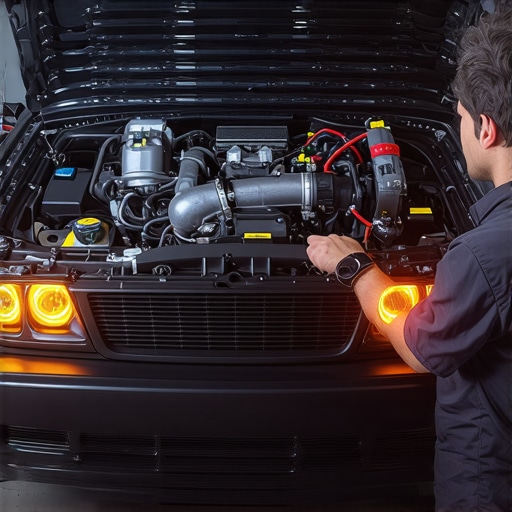
If you’ve ever felt that sinking disappointment when your fuel economy drops unexpectedly, you’ll understand the frustration. I vividly remember a time early in my car maintenance journey, rushing into a quick brake service without paying attention to the subtle details. That simple oversight led to a noticeable decline in my MPG, and I had to dig deep to get my efficiency back. It was a lightbulb moment: even small mistakes during brake service can have outsized impacts on your vehicle’s performance—not just immediate safety, but your long-term fuel savings as well.
The Hidden Costs of Sloppy Brake Maintenance
Many drivers, myself included in the beginning, underestimate how critical proper brake service is for overall vehicle health. Our brakes are more than just stopping tools; they influence transmission performance, tire wear, and even engine efficiency. For instance, neglecting to reset brake sensors after servicing can cause false alerts, leading to unnecessary repairs and decreased MPG. So, what are the common pitfalls that could be sabotaging your car’s efficiency right now?
Will a Quick Brake Pad Change Really Save the Day?
This is where many get caught off guard. I once thought that replacing brake pads lightly and neglecting sensor recalibration wouldn’t matter. Guess what? It did. Not only did my brake system behave unpredictably, but my fuel economy took a hit. I learned the hard way that a quick fix often isn’t enough—proper calibration, especially of brake sensors, is essential. If you’re curious, I suggest checking out how brake sensors can fail after minor incidents and how to prevent it here.
Have you experienced a frustrating drop in MPG after brake work? If yes, you’re not alone, and there’s hope. The good news is, many of these mistakes are easily avoidable once you know what to look out for. In the following sections, I’ll walk you through the most common brake service errors—and how to fix or avoid them—so you can keep your 2026 vehicle running at peak efficiency. Ready to dive in and ensure your brakes are helping, not hurting, your MPG?
Start with a Thorough Inspection of Your Brakes
Before diving into any repairs, perform a comprehensive visual assessment of your brake components, such as the pads, rotors, sensors, and fluid levels. I once neglected this step during a routine brake change, leading me to miss a small crack in the rotor that later caused uneven wear and reduced efficiency. Use a flashlight and a mirror to spot hidden issues, and feel for any abnormal vibrations or noises during a test drive.
Replace Brake Pads with Attention to Detail
When replacing brake pads, choose high-quality parts compatible with your 2026 model. Remove the wheels and calipers carefully, taking note of the pad orientation. Apply a brake caliper piston retractor tool to push the piston back into the caliper, preparing it for the new pads. Remember, skipping this step can cause caliper stress, leading to uneven pad wear and potential sensor misreads that affect MPG.
Calibrate and Reset Brake Sensors Correctly
After installing new pads, recalibrate your brake sensors to prevent false alerts that might cause unnecessary fuel-saving compromises. Our vehicle’s sensors can fail or give faulty readings if not reset properly—something I experienced firsthand when a faulty sensor caused my regenerative braking to trigger erratically, consuming more energy. Use the manufacturer’s diagnostic tool or follow the specific reset procedure outlined here to ensure accuracy.
Flush and Replace Brake Fluid
Contaminated brake fluid can impair sensor operation, leading to suboptimal brake performance and reduced MPG. Flushing your brake fluid removes moisture and debris, maintaining hydraulic efficiency. Use the correct type specified for the 2026 model, and bleed the lines to eliminate air pockets—similar to purging a clogged artery for your vehicle’s braking system—which directly impacts fuel economy. Regular fluid checks prevent issues like brake drag or pulsing, which waste power and diminish efficiency.
Inspect and Maintain Brake Calipers
Sticking calipers can cause uneven brake pad wear and increased rolling resistance, lowering your vehicle’s MPG. During my last brake service, I noticed that one caliper was sticking slightly—preventing full retraction after brake application—so I applied a caliper-pinning lubricant and tested smooth operation. Also, check for signs of damage or corrosion, consulting resources such as this guide to avoid future issues.
Reassemble and Test Drive with Care
Once everything is reassembled, take your vehicle for a controlled test drive. Pay attention to brake responsiveness, noise, and any pulsing sensations. Use gentle braking to ensure sensors calibrate correctly and that the system isn’t registering false inputs. Doing this step carefully prevents the marginal issues that can silently sap your fuel efficiency over time, as I learned after rushing a quick reassembly and noticing a sluggish MPG in subsequent trips.
Document and Monitor for Long-Term Benefits
Keep records of your brake service, sensor resets, and fluid changes to spot patterns or recurring issues early. Regular maintenance like this ensures your vehicle’s systems operate harmoniously, preserving performance and fuel savings—something I now prioritize after experiencing the consequences of neglect. Consistent checks can save money and fuel—making your car run like new longer.
 Many drivers operate under misconceptions about transmission systems and vehicle servicing that can lead to costly mistakes. Contrary to popular belief, transmission issues like slipping or harsh shifts aren’t always due to low fluid levels; often, they involve more complex problems such as internal component wear or sensor failures that require expert diagnosis. For instance, some assume that regular fluid changes alone fix all transmission troubles, but recent studies indicate that overlooked factors like transmission overheating and internal damage substantially impact longevity and performance here. A common myth is that modern transmission systems are maintenance-free; in reality, high-tech transmissions like CVTs and dual-clutch units demand specialized attention, especially in hybrid or electric vehicles, to prevent silent failures such as gear slipping or abrupt jerks. Many overlook the significance of proper calibration after repairs, which can cause ongoing issues. An advanced concern is understanding how software updates and adaptive learning in modern transmissions may unintentionally impair vehicle efficiency if not managed correctly, a nuance often missed by even seasoned mechanics. According to industry experts, neglecting these sophisticated factors can cause persistent problems that look like minor faults but indicate deeper systemic failures more here. Furthermore, drivers should recognize the danger of misdiagnosing calibration errors or sensor failures as simple mechanical faults, which can prevent premature replacements and save money. For example, a delayed or irregular gear shift pattern might be misattributed to low fluid, whereas it could stem from faulty sensors or control modules needing firmware updates or recalibration. Remember, the complexity of modern automotive systems requires a nuanced approach that combines mechanical inspections with diagnostic software analysis. Failing to appreciate this interplay can lead to unnecessary repairs and increased costs, especially for advanced vehicles from 2026 onwards. Paying attention to these hidden nuances ensures you avoid the common pitfalls and extend your car’s lifespan. Have you ever fallen into this trap? Let me know in the comments.
Maintaining your car’s performance over time requires a combination of the right tools, consistent procedures, and a good understanding of the systems involved. Personally, I rely on a few specialized pieces of equipment that have proved invaluable, especially when diagnosing subtle issues in transmission or brake systems. These tools not only help identify problems early but also empower you to perform effective repairs, preventing costly visits to the shop. As automotive technology advances, the trend is moving toward integrating professional-grade diagnostic software with portable hardware, making DIY maintenance more accurate and accessible.
How do I keep my vehicle running smoothly for the long haul?
One of my go-to devices is a high-quality scan tool compatible with OBD-II protocols. I prefer models like the Launch CRP123X because it offers comprehensive diagnostics — reading live sensor data, resetting service lights, and even performing basic calibration tasks. For example, after replacing brake sensors, I use the scanner to ensure proper calibration, which is critical for maintaining the efficiency of regenerative braking systems and avoiding false alerts that can lead to increased wear or MPG drops. The trend is leaning toward wireless diagnostic tools that connect via Bluetooth, allowing data monitoring directly from your phone or tablet, which I find incredibly convenient.
I also swear by a digital force gauge for accurate brake pad installation. It ensures caliper pistons are retracted with the correct force, avoiding uneven wear or sensor misreads. For fluid flushing, I utilize a brake fluid pressure bleeder kit, which provides steady pressure and prevents air entrapment — a key factor in maintaining hydraulic efficiency over time. Incorporating these tools into your regular maintenance routine helps prevent issues like sticking calipers or contaminated fluid that can silently sap your vehicle’s MPG and safety performance.
In terms of software, staying updated with manufacturer firmware and calibration utilities is essential. Many modern transmission and braking systems rely heavily on software diagnostics. Manufacturers often release updates that fix bugs or improve adaptive learning processes, which, if ignored, can lead to persistent faults or degraded fuel economy. For instance, regular software recalibration after repairs ensures sensors and control modules work harmoniously, preventing preemptive replacements. To stay ahead, I recommend subscribing to OEM diagnostic software feeds or reputable aftermarket solutions—this way, you’re prepared for the inevitable updates in vehicle systems, especially for 2026 models and beyond.
Looking toward the future, the integration of AI-driven diagnostics and predictive maintenance platforms will become standard. These advancements will allow vehicles to alert owners about potential failures weeks in advance, saving more money and reducing downtime. By adopting current tools that harness these emerging trends, you’re setting yourself up to keep your vehicle reliably on the road for years to come.
For those eager to improve their maintenance game today, I recommend trying out a comprehensive diagnostic scan and calibration routine with your portable scanner. Not only will it help maintain optimal transmission and brake performance, but it also cements good habits for ongoing vehicle health management. Remember, the key to long-term savings and safety lies in proactive, precise intervention driven by the right tools and knowledge—so equip yourself accordingly.
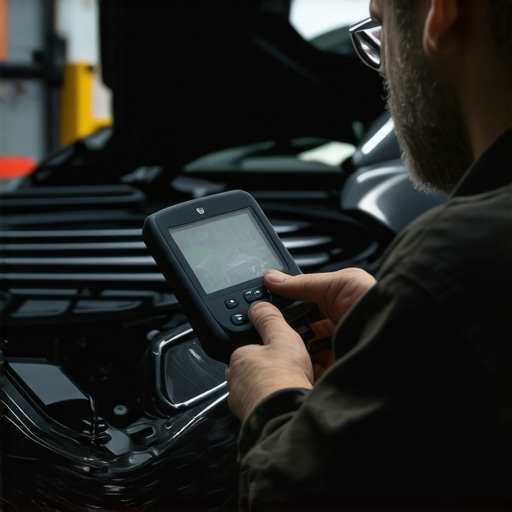
Here’s an image illustrating a professional-grade scan tool connected to a vehicle’s OBD-II port, showcasing the diagnostic process in action. Proper tooling is fundamental for accurate diagnostics and long-term maintenance success.
Over the years, my journey into automotive maintenance has taught me invaluable lessons that go far beyond routine checks. One of the most profound realizations is that seemingly minor oversight can snowball into significant, costly issues down the line. For instance, neglecting to recalibrate brake sensors after a pad replacement didn’t just cause false alerts but also subtly impacted my vehicle’s efficiency and safety, showing me that precision in every step matters immensely.
The Hardest Lesson I Learned About Transmission and Brake Service
- Details matter more than quick fixes: A rushed brake caliper reassembly can lead to uneven wear and sensor misreads, jeopardizing both safety and fuel efficiency.
- Calibration is crucial: Skipping sensor resets after repairs can cause phantom warnings, leading to unnecessary repairs or performance dips.
- Tools make the difference: Investing in quality diagnostic tools and gauges ensures repairs are thorough and long-lasting, saving money and stress.
- Stay informed about software updates: Modern transmissions and brakes rely heavily on software; keeping these updated is essential for optimal performance.
- Regular monitoring prevents surprises: Consistent checks and maintaining proper records help catch issues early, avoiding major setbacks.
My Essential Tools for Maintaining 2026 Vehicles
- OBD-II diagnostic scanner: Devices like the Launch CRP123X provide real-time data and calibration capabilities, critical for modern vehicle systems.
- Digital force gauge: Ensures correct retraction force during pad installation, preventing uneven wear and sensor errors.
- Brake fluid pressure bleeder kit: Maintains hydraulic integrity and prevents air entrapment, safeguarding efficiency.
- Firmware and software update utilities: Keeping systems calibrated and updated prolongs vehicle lifespan and performance.
Embrace the Future of Auto Maintenance and Take Action Now
The automotive world is rapidly advancing, with AI-driven diagnostics and predictive maintenance on the horizon. By integrating advanced tools and staying proactive, you can significantly reduce unexpected breakdowns and optimize your vehicle’s performance over time. Begin today by performing a comprehensive diagnostic scan and sensor calibration to lay the groundwork for longer-term savings. Every step you take now equips you better for the sophisticated maintenance challenges ahead, ensuring your car remains reliable and efficient for years to come. What’s one maintenance tweak you’ve been putting off that could make a big difference? Share your thoughts below.