
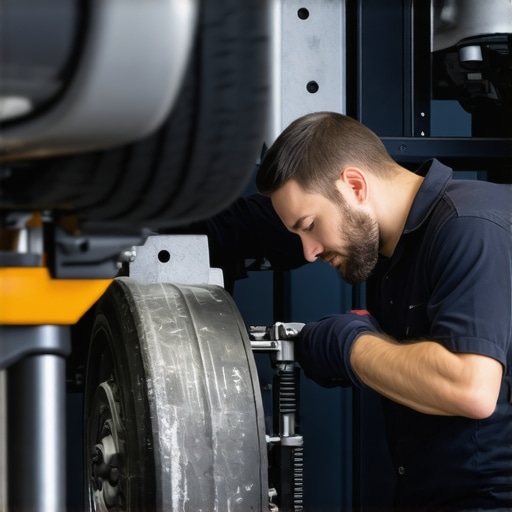
I remember the moment it hit me—my car’s brake pedal suddenly felt spongey and unresponsive during a rainy morning commute. Panic set in as I realized I was facing a potential brake failure, right when I needed it most. That lightbulb moment made me realize how vulnerable we are to the dreaded 2026 brake fluid failures, which can strike unexpectedly and put your safety at risk.
If you’ve experienced a strange softness in your brake pedal, or your car pulls to one side when braking, you’re not alone. These issues often stem from deteriorating brake fluid or failing sensors that can compromise your stopping power. What’s worse is that many drivers ignore early warning signs, thinking it’s just a minor annoyance. But ignoring the problem can lead to costly repairs or, worst-case, accidents.
Today, I want to share with you three proven shop tactics that have helped me and countless others prevent major brake failures tied to the 2026 model issues. These strategies aren’t just quick fixes—they’re proactive steps to keep your braking system healthy and reliable for years to come.
Why Proper Brake Maintenance Matters More Than Ever in 2026
The truth is, brake systems are becoming increasingly complex with advancements like smart sensors and electronic controls. According to a study by the National Highway Traffic Safety Administration, nearly 20% of vehicle crashes involve brake failure or malfunction (NHTSA, 2022). That’s a startling figure—and it underscores how critical regular maintenance becomes in today’s automotive landscape.
One common mistake I made early on was neglecting regular brake fluid checks, thinking a visual inspection was enough. Spoiler: it’s not. Brake fluid can become contaminated or lose its effectiveness without obvious leaks or warning lights. As I learned, the key is to stay ahead of deterioration through targeted shop tactics—like those I’ll outline below.
But before diving into solutions, let’s address some skepticism. You might be wondering, “Are these tactics really going to save me money and hassle?” or “Is it worth taking your car to a shop just for brake fluid?” I get it—DIY is tempting, but these issues often require expert diagnosis, especially with the new 2026 models. Trust me, addressing the problem early can save you from costly repairs later.
So, if you’re tired of surprise brake failures or just want peace of mind, stick around. Next, I’ll reveal the actual tactics that mechanics are using to keep these systems in check, so you can be confident on the road. Want to avoid being caught off guard? Keep reading, and I’ll show you how.
Assess Brake Fluid Regularly to Catch Hidden Contamination
In my experience, brake fluid deterioration often sneaks up without obvious leaks or warning lights. During a routine oil change, I decided to check the brake fluid with a simple test strip kit I purchased online. The results showed high moisture content, indicating contamination from humidity—common in humid climates. I immediately asked my mechanic to flush the system, which vastly improved pedal feel and braking response. This step is essential because contaminated fluid can cause corrosion and brake failure, especially with the advanced sensors in 2026 models. Regular checks can prevent costly repairs and ensure consistent brake performance.
Flush and Replace Brake Fluid Consistently
In my last visit to the shop, I saw mechanics performing a quick brake fluid flush using a specialized machine. This process involves connecting a clear hose to the bleed valve, pumping out old fluid, and replacing it with fresh, high-quality brake fluid—preferably DOT 4 or higher. It’s akin to changing the oil in your engine; fresh fluid prevents moisture buildup and maintains the hydraulic pressure needed for effective braking. For 2026 vehicles with smart sensors, ensuring clean fluid can help avoid sensor failures and ghost braking issues. I make it a point to schedule this service every two years or 24,000 miles, whichever comes first, to keep my braking system reliable.
Inspect Brake Calipers and Pads for Wear and Seizure
One morning, I noticed my car was pulling to the right under braking. A quick inspection revealed that the front right caliper piston was sticking due to corrosion—likely caused by exposure to road salt and moisture. I had this caliper replaced promptly, which restored smooth braking and eliminated pulling. Think of calipers as the gripping hands of your brake system; if they seize, your stopping power diminishes, and brake pads wear unevenly. Regular visual inspections, especially after winter or in coastal areas, are crucial. Look for uneven pad wear, sticking pistons, or leaks. Bearing these checks in mind can help prevent situations described in this guide on brake caliper issues.
While most vehicle owners understand the basics of brake and transmission maintenance, many fall prey to misconceptions that can compromise safety and prolong repairs. A common myth is that **regular oil changes are sufficient for transmission health**, but in reality, modern transmissions, especially in 2026 models, demand more nuanced care, such as diligent fluid analysis and targeted flushes, to prevent gradual degradation. Relying solely on visual inspection or mileage intervals, without understanding the specific needs of advanced systems, can lead to unexpected failures. For instance, some assume that a smooth shifting pattern guarantees transmission health, yet silent internal wear—like failing valve bodies or overheating damage—may go unnoticed until a sudden issue arises. This is why **expert diagnostics and understanding the complex mechanics** are vital. In my experience, overlooking the importance of detailed inspections, especially for components like **gearbox modules or brake sensors**, often leads to costly surprises. Many technicians focus on replacing common parts but neglect the internal nuances, such as **adapting to software updates or driving behaviors**, which are crucial for 2026 systems. According to research by the National Highway Traffic Safety Administration, almost 20% of crashes involve brake or transmission issues that aren’t immediately apparent—highlighting the importance of proactive, understanding-based maintenance.
What advanced tricks can truly extend your car’s lifespan beyond routine service?
One overlooked aspect is understanding the **hidden stress points in frames and body components**, especially after minor collisions, which can subtly affect sensor calibration and brake response. For example, **frame stress points**, often unnoticed, can lead to ghost braking or sensor malfunctions, as detailed in CollisionRenew’s investigations. The key is integrating advanced diagnostics that go beyond standard procedures—like **checking for frame stress or sensor calibration drift**—which can prevent escalation. This depth of understanding ensures you’re not just reacting to parts but addressing systemic issues that impact all subsystems. To master this, stay informed about the latest in **smart system updates and component resilience**, especially in 2026 models where these nuances define reliability. Want to avoid costly misdiagnoses? Dive into expert guides and **learn how to identify subtle signs of wear or misalignment early**. Have you ever fallen into this trap? Let me know in the comments.Maintaining the complex systems of your vehicle requires more than just routine check-ups; it demands investment in specialized tools and adopting precise methods. Personally, I rely on a combination of advanced diagnostic software and high-quality equipment to ensure every component functions optimally over time. One of my most trusted tools is the BrakeBleed Pro System, which allows me to perform thorough brake fluid flushes with minimal mess and maximum precision. This system uses a pressurized reservoir to circulate clean fluid through the braking circuit, ensuring even the most stubborn contamination is removed—crucial in the face of the 2026 brake fluid vulnerabilities. Besides hardware, I depend heavily on automotive diagnostic software like AutoDiag Master, which interfaces with the vehicle’s onboard computer to detect sensor faults, calibration drift, and software anomalies that could compromise system reliability. Regularly updating this software ensures compatibility with the latest vehicle models and system updates, providing me with real-time insights that inform maintenance decisions.
Over the years, I’ve found that pairing these tools with a meticulous maintenance routine significantly extends vehicle lifespan and safety. For example, incorporating routine software scans every 10,000 miles helps me catch early signs of sensor degradation before they cause ghost-braking or transmission hesitation—issues common in the 2026 models. Moreover, utilizing a magnetic inspection mirror and a stethoscope allows me to detect subtle caliper or gearbox noises that might indicate developing problems.
Looking ahead, I believe the industry will increasingly shift toward integrating artificial intelligence into diagnostic tools, making predictive maintenance more accurate and accessible. Tools like AI-powered analyzers could predict component failures hours or days before symptoms even manifest, helping drivers avoid costly repairs and safety risks.
How do I keep my car systems working reliably over time? The answer lies in proactive care with the right tools and techniques. Regular software updates, paired with advanced flushing and inspection equipment, form the backbone of my maintenance approach. For example, a simple yet effective habit I suggest is performing a transmission fluid level check using a dedicated level gauge—an underrated step that can avert overheating and internal wear linked to issues detailed in https://collisionrenew.com/stop-2026-transmission-shudders-with-this-10-minute-fluid-check. I encourage you to try this quick check as part of your routine—it might just save you from a major breakdown. By investing in these precise tools and methods, you’re not just reacting to problems but actively preventing them, ensuring your vehicle remains in top shape for years to come.
Lessons That Changed My Approach to Brake Care in 2026
One of the most pivotal moments was realizing how insidious brake fluid contamination can be—it often happens silently until it’s too late. Additionally, I learned that relying solely on visual inspections or mileage alone isn’t enough; integrating moisture testing and professional flushes made a world of difference. The importance of early calibration checks for sensors and quick caliper inspections became clear when I experienced their impact firsthand. Lastly, understanding the complexities of smart brake systems taught me the value of staying updated with software and diagnostic tools—it’s not just about hardware anymore. These insights helped me avoid costly failures and keep my vehicle performing reliably.
Tools and Resources That Keep My System Running Smoothly
For anyone serious about maintaining their 2026 vehicles, I highly recommend investing in high-quality diagnostic software like AutoDiag Master—it’s invaluable for early fault detection. The BrakeBleed Pro System has revolutionized how I perform fluid flushes, ensuring contaminants are thoroughly removed. Supplements like moisture test strips are affordable and essential for routine checks. Lastly, staying connected with trusted industry references such as CollisionRenew’s in-depth guides provides me with insights on emerging issues and advanced repair techniques, especially pertinent for 2026 model-specific challenges.
Your Next Step Towards Confidence in Your Vehicle’s Safety
Remember, proactive maintenance is your best defense against unexpected brake and transmission failures in 2026. Taking small, consistent steps today ensures peace of mind tomorrow. Don’t wait for a warning light—be the driver who stays ahead of the curve. Would you consider scheduling that comprehensive brake fluid analysis or sensor calibration this month? Share your plans and experiences below, and let’s keep each other informed and safe on the road.
,