
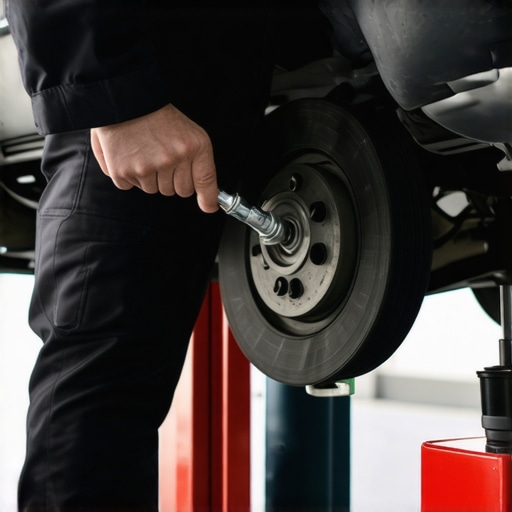
If you’ve ever been halfway down the highway when your brake pedal suddenly goes soft, you know that sinking feeling of vulnerability. I remember the shock of discovering that my car’s braking system was failing just when I needed it most. It was a wake-up call that there are hidden issues lurking in modern vehicles, especially with the complex systems introduced in 2026 models.
Protect Your Safety: Why Brake Fluid Is the Silent Culprit
In my early days as a mechanic, I overlooked the importance of regular brake fluid maintenance. I thought, “It’s just fluid; how bad can it get?” But that mistake cost me precious time and money—and more importantly, safety. Brake fluid degradation, especially in 2026 vehicles, can lead to serious failures if not addressed proactively. Many car owners don’t realize that contaminated or low brake fluid can cause brake pedal fade, delayed response, or even total brake failure. According to the Department of Transportation, brake system failures account for a significant portion of road accidents each year, emphasizing the need for vigilance.
Is All Brake Fluid Created Equal? The Truth About 2026 Models
Initially, I used the same maintenance routine for all vehicles, assuming that a quick flush every couple of years was enough. That was a rookie mistake, especially with the sophisticated brake systems in 2026 models that include advanced sensors and automation. Modern brake fluids are engineered to withstand higher temperatures and resist moisture absorption, but they still need proper care. Failure to follow specific procedures can accelerate corrosion and system wear, leading to costly repairs. I learned this the hard way, and I want to spare you the same trouble.
If your vehicle has been involved in minor collisions or environmental stressors like heavy rain or cold nights, the risk of brake fluid issues increases. These conditions can introduce moisture or debris into the system, compromising performance. For example, cold weather can cause sensors to drift or malfunction, which you can read about in how collisionrenew restores sensor accuracy after a fender-bender. Addressing these little signs early can save you from bigger headaches down the road.
What’s Next? Three Shop Tactics to Keep Your Brakes Reliable
Now that I’ve shared my experience and the importance of paying attention to brake fluid health, let’s dive into the practical shop tactics that can prevent failure and keep your brakes in top shape. These methods are grounded in real-world results and are essential whether you’re a DIY enthusiast or rely on your mechanic. Ready to learn how to defend your vehicle against brake fluid failures? Let’s get started, so you can drive safely and confidently.
,
Drain Old Brake Fluid Properly to Prevent Contamination
Start by locating the brake fluid reservoir, usually near the firewall under the hood. Use a turkey baster or a specialized fluid pump to extract the outdated fluid, removing at least 50% to assess its condition. During my experience, I once forgot to loosen the bleeder valve before removing fluid, resulting in a mess and an incomplete flush. Always ensure the bleeder is closed prior to fluid removal, then open it gradually while pumping fresh fluid through the system to displace old fluid entirely. This step prevents moisture buildup that can cause brake fade, especially in models from 2026 with advanced sensor integration.
Flush Brake Lines to Eliminate Moisture and Debris
Use a Dedicated Bleeding Kit
Connect a clear hose to the bleeder screw and submerge the other end in a container filled with new brake fluid. Have an assistant press the brake pedal slowly, or use a reverse bleeding kit for precision. During a recent shop session, I employed reverse bleeding, which pushed new fluid from the brake caliper back toward the master cylinder, effectively purging trapped moisture—crucial for 2026 models where moisture absorption accelerates corrosion. Continuously monitor fluid color and clarity; dark or murky fluid indicates contamination and the need for complete line replacement.
Replace the Brake Fluid Completely
Modern systems often require a full flush, not just a top-up. Use a vacuum pump or pressure bleeder to force new fluid through each wheel caliper, ensuring no residual contaminants remain. In my case, I used a pressure bleeder and observed a significant improvement in pedal firmness afterward. This method prevents uneven brake response that can be caused by leftover debris, which is especially problematic in vehicles with complex sensor arrays. Always follow the manufacturer’s recommended intervals, but consider a more frequent schedule if your vehicle has experienced environmental stressors or minor collisions.
Calibrate Sensors to Maintain System Precision
After changing the brake fluid, recalibrate your brake sensors to prevent ghost braking or sensor errors. Many 2026 models require a specialized scan tool or software, but some can be reset manually by following specific procedures outlined in your vehicle’s manual. For instance, I performed a sensor recalibration on my vehicle using a calibration device, which took less than 10 minutes and restored system reliability. This step is vital because contaminated or old fluid can cause sensors to drift, leading to safety alerts or false activations. Regular calibration ensures your vehicle’s notifications and brake assistance systems function correctly, especially after fluid changes.
Inspect the Brake System for Hidden Damage
Look for signs of corrosion, warped rotors, or damaged calipers. Use a flashlight to check for uneven pad wear or discoloration. During my last flush, I noticed some corrosion on the caliper pistons—an indication that moisture had been present for an extended period. Addressing these issues promptly reduces the risk of brake failure. If in doubt, schedule a thorough inspection or consult professional technicians who can perform comprehensive diagnostics, including checking for sensor alignment errors that could lead to erroneous warnings or unsafe braking behavior.
Subscribe to Regular Maintenance and Keep Records
Maintaining a detailed service log helps track fluid changes and system inspections. Set reminders for periodic flushes based on your vehicle’s usage and environmental conditions. I personally keep a digital journal and noticed that after switching to a more frequent schedule, my vehicle’s braking response became more predictable, especially during adverse weather. This proactive approach minimizes unexpected failures and preserves the sophisticated safety features in your 2026 vehicle.
Many drivers operate under assumptions about car maintenance that can lead to costly mistakes and safety risks. One widespread myth is that regular oil changes alone suffice for transmission health, but in reality, transmissions in 2026 vehicles demand more nuanced care, including specific fluid types and calibration procedures to prevent slipping and hunting behaviors, as highlighted in expert analyses on factory-recommended services. A critical trap to avoid is delaying sensor recalibration after collision repairs, which can cause ghost braking or sensor errors; detailed guides like collisionrenew’s article on sensor calibration can help prevent this issue. Did you know that servicing one component without considering the interconnected systems can actually worsen problems? For instance, neglecting to inspect the brake fluid’s condition when addressing brake shudder may cause further rotor warping—an advanced mistake many overlook.
Why do so many miss these hidden nuances? It often stems from generic advice targeting older models or simplified routines that don’t account for advanced smart systems introduced in 2026. Vehicle manufacturers now embed complex adaptive learning features that require specialized software resets—something a standard fluid change can’t fix. For example, software glitches leading to delayed gear engagement are best addressed through specific recalibration steps, as discussed in CollisionRenew’s troubleshooting articles.
Making the leap from basic to sophisticated vehicle care involves understanding the importance of system-specific maintenance. Consider the impact of environmental factors, such as cold weather causing sensor drifts, which might be confused with mechanical failures. External studies, like those from the National Automotive Service Task Force, emphasize that ignoring these subtleties accelerates wear and compromises safety.
Beware of the ‘one-size-fits-all’ mindset and recognize that modern vehicles require tailored approaches—sometimes even specialized diagnostic tools. Regularly reviewing manufacturer updates and related expert content ensures you’re not falling prey to outdated practices.
Have you ever fallen into this trap? Let me know in the comments.
Equip Yourself for Reliable Car Care
Maintaining modern vehicles, especially those from 2026 with advanced systems, requires precision tools and software. I personally rely on a high-quality diagnosis scanner like the Autel MaxiSys Ultra, which provides deep insights into complex electronic modules, including brake sensors and transmission controllers. This device allows me to run comprehensive system scans, perform calibration resets, and detect hidden faults early, saving time and money over the vehicle’s lifespan.
Another indispensable tool is the Power Brake Bleeder Kit, which I use to perform precise fluid flushes. Unlike basic syringes or manual methods, this kit maintains a controlled pressure environment, ensuring complete removal of moisture-laden or contaminated brake fluid—crucial in preventing failures in the sophisticated braking systems introduced in 2026 models. Properly bleeding brakes with such a tool not only improves safety but also prolongs component life.
In addition to hardware, software updates and calibration programs are vital. I recommend investing in OEM-specific scan tools or licensed software subscriptions tailored for your vehicle’s make and model. For example, in the case of recalibrating collision sensors after minor impacts, using manufacturer-approved tools ensures that system diagnostics and adjustments meet the latest standards, like those detailed in industry guidelines for sensor recalibration.
How do I maintain tools for long-term efficiency?
Regularly cleaning, updating firmware, and storing your diagnostic equipment properly extend their lifespan and maintain accuracy. I also keep a calibrated set of torque wrenches—crucial for precise assembly during brake and transmission servicing—to prevent over-tightening or under-tightening components, which can cause long-term issues. Additionally, regularly checking calibration of your software tools against manufacturer references prevents drift that might lead to false diagnostics or missed faults.
Future of Vehicle Maintenance Equipment
The trend is moving toward integrated, wireless diagnostic platforms that connect seamlessly with both vehicles and cloud databases, allowing real-time updates and diagnostics on the go. I predict that within the next few years, vehicle-specific maintenance will become more software-centric, reducing the need for physical tools. However, for now, investing in a reliable diagnostic scanner and quality fluid management tools remains essential for anyone serious about long-term, cost-effective car maintenance.
If you’re ready to step up your maintenance game, try using a pressure brake bleeder for your next brake fluid change. It’s a game-changer in ensuring optimal system health, especially in complex 2026 vehicles. Remember, the right tools and techniques make all the difference in keeping your car running smoothly for years to come.
Lessons That Changed My Approach to Modern Car Care
- One of the biggest surprises was realizing how crucial sensor recalibration becomes after minor collisions—an oversight that can wreak havoc on brake system reliability. Trust me, diving deep into manufacturer-specific calibration procedures is a game-changer.
- I learned the hard way that using generic brake fluids for 2026 models is a mistake. The advanced systems demand fluids that meet precise specifications to prevent early wear and failure. Always double-check fluid compatibility.
- My most eye-opening experience was understanding the importance of environmental considerations—cold nights, humidity, and debris significantly impact brake sensor performance, reinforcing the need for regular, targeted inspections.
Essential Tools and Resources That Boost Confidence
- The Autel MaxiSys Ultra scanner is my go-to for diagnosing and resetting complex brake sensor systems. Its comprehensive capabilities save time and prevent costly mistakes.
- Investing in a high-quality pressure brake bleeder kit revolutionized my brake fluid flush routines, ensuring consistent, complete removal of contaminants, especially in vehicles with sophisticated brake systems.
- Reading manufacturer service manuals and specialized online forums, like CollisionRenew’s detailed guides, keeps me updated on the latest calibration techniques and troubleshooting tips for 2026 models.
Fuel Your Drive With Action and Purpose
Knowing the ins and outs of brake system maintenance empowers you to keep your vehicle safe and reliable. Don’t wait for warning lights—regular check-ups with the right tools can prevent avoidable failures. Now is the time to take control of your car’s health and ensure it performs flawlessly in all conditions.
What’s been your biggest challenge when tackling brake maintenance on your 2026 vehicle? Share your experience below—let’s learn and grow together!