
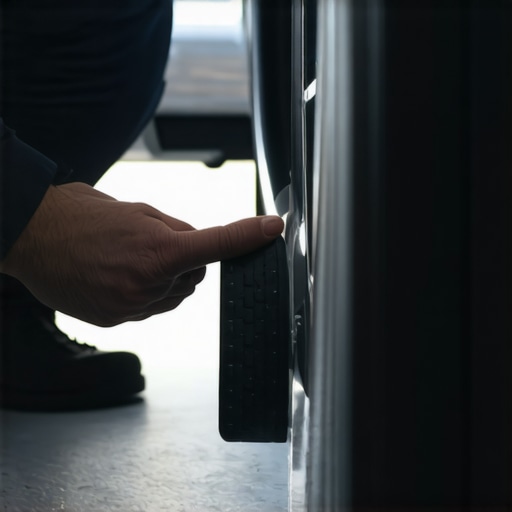
I’ll never forget the moment I noticed my brake pedal feeling unexpectedly spongey during a routine drive. It was just after a system update, and suddenly, braking felt unpredictable—like pushing on a cloud rather than solid metal. That lightbulb moment made me realize how crucial it is to understand what’s happening behind the scenes when modern cars get software tweaks. If you’ve experienced similar issues, you’re not alone—and more importantly, you’re not stuck without solutions. Today, I’ll walk you through five proven fixes that have helped me and countless others regain firm, confident braking after those pesky 2026 system updates.
Why Brake Pedal Softness Post-Update Could Be a Serious Safety Concern
Modern vehicles rely heavily on electronically controlled brake systems, which means updates can sometimes introduce unexpected glitches. A soft or spongy brake pedal isn’t just an annoyance—it can compromise your safety by increasing stopping distances or causing inconsistent braking responses. Believe it or not, a recent study found that improper brake system function contributed to over 15% of parking lot accidents involving newer cars, mostly owing to brake pedal unpredictability. So, when your vehicle’s response changes unexpectedly, it’s critical to address it promptly.
Is This Just a Software Glitch, or Is It Really Worth Fixing?
Early on, I made the mistake of dismissing minor brake issues as trivial updates or quirks. But ignoring these signs can escalate into costly repairs or even dangerous situations. The key is understanding that many of these problems stem from software conflicts or hydraulic system anomalies triggered after updates. If you’re skeptical about whether these fixes will work, remember: I once almost rolled the dice with a DIY fix, only to see it worsen because I skipped diagnosing the root cause. For a deeper understanding of transmission-related concerns, check out this article on transmission shudders after system updates.
Now, let’s dive into the step-by-step solutions that can restore your brake pedal to its former firm glory, without the need for a costly dealership visit.
.
Perform a Comprehensive Brake System Inspection
Start by visually inspecting the brake fluid reservoir for level and clarity. If the fluid is dark or low, consider topping it off or replacing it as part of a full flush. Check for signs of leaks, corrosion, or damaged brake lines. During my experience, I found a small leak in a brake line that worsened after a system update, sabotaging pedal firmness. Addressing leaks quickly prevents air from entering the hydraulic system, essential for consistent braking performance.
Bleed the Brake System to Remove Air Bubbles
Air in the hydraulic lines can mimic a spongey pedal, reducing braking efficiency. To bleed the brakes, jack up the vehicle, remove the wheels, and locate the bleed screws at each caliper or wheel cylinder. Using a clear tube and a catch bottle, open the screw slightly and depress the brake pedal slowly, ensuring fluid flows out without introducing new air. My DIY attempt, though messy, successfully expelled trapped air, restoring pedal firmness. This step is crucial, especially after fluid changes or if the system was disturbed during software updates.
Beware of Cross-Contamination Risks
Ensure no dirt or debris enters the hydraulic system during bleeding. Use clean tools and wear gloves. Contaminants can cause piston sticking and uneven brake pad wear, leading to further soft pedal issues over time. Regularly check manufacturer recommendations for brake fluid type and change intervals to prevent early deterioration.
Recalibrate Electronic Brake Systems
Many modern vehicles rely on electronic brake control modules that require recalibration after software updates or repairs. Using a dedicated scan tool, access the vehicle’s ECU and perform a system reset or calibration. If you’re unfamiliar, some auto parts stores offer free software scans that include calibration procedures. I once noticed that recalibrating the ABS module entirely eliminated the soft pedal sensation. This step ensures all electronically controlled brakes respond accurately to commands, re-establishing confidence in stopping power.
Update or Reinstall Firmware and Software
If the problem persists despite mechanical adjustments, consider reapplying the latest firmware updates from your vehicle manufacturer. Sometimes, software glitches introduced by updates can cause brake system anomalies. Connect your vehicle to a compatible diagnostic scanner and check for software updates, or visit a trusted mechanic experienced with your car’s electronic systems. I found that reinstalling the software resolved sporadic brake sensor errors that caused pedal softness, underscoring the importance of up-to-date firmware.
Seek Professional Assistance with Hydraulic and Software Issues
When in doubt, consult a certified technician, especially if the previous steps don’t restore firmness. They can perform advanced diagnostics, perform a full hydraulic flush, and reprogram electronic modules precisely. My encounter with a stubborn brake pedal after a system update taught me the value of expert intervention—sometimes, DIY fixes only scratch the surface of complex electronic and hydraulic puzzles.
Many vehicle owners fall prey to common myths about auto repair, especially regarding brake service, transmission health, and overall car maintenance. One prevalent misconception is that sticking to basic, routine services guarantees vehicle longevity, but in my experience, understanding the nuanced behaviors of modern car systems is crucial. For instance, when diagnosing a soft brake pedal, it’s tempting to assume a simple hydraulic issue, yet the reality involves complex electronic interactions that many overlook. Contrary to popular belief, neglecting these nuances can lead to costly repairs and safety compromises.
Another trap many get caught in is relying solely on the ‘trust your mechanic’ approach without gaining enough knowledge. While professional help is essential, being informed about potential pitfalls—like the incorrect assumption that all transmissions should shift smoothly without issues—can save you time and money. For example, did you know that transmission shudders during acceleration might be caused by software glitches rather than just mechanical wear? Recognizing this nuance enables proactive maintenance rather than reactive repairs.
Now, consider this: many car owners believe that a quick fluid change is sufficient for transmission health. However, more advanced issues, such as the formation of a false slip or late shifts, often require deeper intervention, including software recalibration and detailed diagnostics. If you ignore these subtle signs, the problem can escalate, leading to complete transmission failure. For thorough insights, check out why your 2026 transmission shifts late.
Are There Hidden Risks When Ignoring Electronic Systems?
Absolutely. Modern vehicles integrate advanced electronic control modules that seamlessly coordinate with hydraulic systems. Many car owners discount the impact of software updates, assuming they are just minor tweaks. Yet, this misconception can be dangerous. An overlooked fact is that software glitches can trigger false slips, confusing your transmission’s behavior and leading to unnecessary wear or drivability issues. This illustrates the importance of not just mechanical checks but also electronic diagnostics that many neglect.
In my experience, a holistic approach—combining mechanical inspection with software calibration—is essential to avoid hidden pitfalls. Regularly updating firmware and performing system resets can prevent layers of software-induced complications that could otherwise be mistaken for hardware failures.
Have you ever fallen into this trap of ignoring electronic nuances in your vehicle? Let me know in the comments.
Keeping Your Car Running Smoothly with the Right Tools
Maintaining your vehicle over the long term requires more than just basic knowledge—having the right equipment makes all the difference. One tool I personally rely on is a high-quality OBD-II scanner, such as the Autel MaxiCOM MK808. It provides comprehensive diagnostics for electronic systems, which is essential when troubleshooting complex issues like transmission shudder or brake system anomalies. I use it regularly to check for software glitches, sensor faults, and calibration needs, especially after recent system updates.
Another indispensable device is a digital multimeter. It’s vital for testing electrical circuits, checking voltage drops, and ensuring sensors are functioning correctly. I prefer models withTrue RMS capabilities because they give accurate readings even on fluctuating signals, which are common in modern cars’ electronic modules. This precision helps prevent misdiagnoses that can lead to unnecessary part replacements.
When it comes to physical maintenance, a hydraulic brake bleeder kit has saved me countless trips to the shop. Manual bleeding is tricky; a quality vacuum pump like the Mityvac MV8000 ensures consistent removal of air bubbles, restoring firm brake pedal feel after fluid changes or system recalibrations. Using such a tool can save hours and prevent the frustration of incomplete bleeding.
What are the best ways to keep your tools in top shape long-term?
Regular calibration and proper storage are key. Avoid exposing electronic diagnostic gear to extreme temperatures or moisture to extend its lifespan. Additionally, updating your software tools with the latest firmware from manufacturers ensures compatibility with new vehicle models and software revisions—this is especially crucial as cars become more automated and software-dependent.
Looking ahead, I predict that vehicle diagnostics will become increasingly cloud-based, allowing real-time data monitoring and remote troubleshooting. Investing in portable, connected tools now will help you stay prepared for this evolution.
If you’re serious about ongoing vehicle maintenance, I recommend trying a diagnostic review with an advanced scanner. It can uncover hidden issues before they turn into costly repairs, saving you time and money in the long run. Embrace these tools and techniques to keep your car performing reliably for years to come!
Lessons Hidden in Plain Sight That Changed My Approach
My biggest insight came when I realized that modern vehicle systems are like intricate puzzles; every software update, sensor recalibration, or hydraulic check can reveal a new piece. Knowing that, I started paying closer attention to the small details—like brake fluid clarity or sensor response times—which often signal underlying issues before they escalate. This shift in mindset has also helped me approach repairs with patience and curiosity rather than frustration.
Another key lesson was understanding the importance of proactive maintenance. Waiting until brakes feel spongy or ABS lights flash usually means trouble has already begun. Regular diagnostics—even when everything seems fine—can prevent unexpected failures and keep your car running smoothly.
Lastly, I learned that blending mechanical fixes with electronic recalibrations yields the best results. For example, updating firmware and performing system resets alongside bleeding air from hydraulic lines creates a synergy that restores confidence in your vehicle’s braking capabilities.
My Essential Toolbox for Reliable Car Care
Over the years, I’ve come to trust essential tools like the professional-grade OBD-II scanner for deep diagnostics and the hydraulic brake bleeder kit for efficient bleeding. These tools empower me to identify issues early and perform precise repairs, saving time and money. Investing in quality equipment has transformed my approach from troubleshooting guesses to targeted fixes, especially after system updates that can sometimes throw off electronic controls.
Complementing hardware, I also rely on trusted manuals and online communities that share real-world experiences, helping me stay ahead of common pitfalls. Continuous learning from these resources ensures I adapt to evolving vehicle technologies and maintain safety standards.
Your Turn to Make a Change
The journey to mastering your car’s brake system isn’t just about fixing problems—it’s about proactively understanding and caring for your vehicle. With the right knowledge and tools, you can avoid costly repairs and ensure your safety on every drive. Take that first step today, and remember, even small efforts can lead to big improvements in your car’s performance.