

I remember the moment vividly—driving down the highway, feeling the steady hum of my engine, when suddenly, my transmission started hunting for gears. One moment, it would shift smoothly; the next, it felt like my car was hesitating, trying to find the right gear but slipping back and forth relentlessly. That unsettling jerking, that hesitation—it turned a simple commute into a nerve-wracking experience. I knew something wasn’t right, and at that moment, I realized how crucial a well-behaving transmission really is.
Understanding Why Your Transmission Hunts for Gears
Is Transmission Hunting Actually Worth Worrying About?
Many folks dismiss such issues as normal or minor glitches, but I learned the hard way that ignoring transmission hunting can lead to costly repairs down the line. Early on, I made the mistake of just resetting the system or adding some transmission fluid without diagnosing the root cause. Trust me, that was a mistake. This problem isn’t just about discomfort—it’s a signal that your transmission is under stress, possibly due to fluid issues, worn-out components, or faulty sensors.
Research shows that prolonged transmission issues can cause more significant damage, affecting fuel economy and leading to early transmission failure (source: Car Care Council). The key is recognizing the signs early and addressing the cause before it escalates.
If you’ve faced similar experiences, you’re not alone. Many drivers notice these symptoms but hesitate to get professional help, worried about costs or just not sure what’s going on. But here’s the truth: fixing this issue early can save you money and prevent inconvenient breakdowns.
In the upcoming sections, I’ll guide you through practical steps and fixes, some simple enough to try at home, others best handled by a professional. Whether it’s checking your transmission fluid, recalibrating sensors, or understanding adaptive learning behaviors, you’ll learn how to put an end to your transmission’s relentless hunting for gears and restore smooth, confident driving.
Check the Transmission Fluid Level and Condition
Start by locating your transmission dipstick, usually near the engine, and pull it out to inspect. I once pulled mine during a cold morning, and the fluid was dark and smudgy—clear signs it’s time for a change. Ensure the fluid is at the correct level; low or dirty fluid can cause shifting issues. Refill or replace fluid as needed, following manufacturer specifications. You can find detailed steps in the guide on gearbox grinding fixes. Regular fluid checks prevent slipping and hunting, ensuring smoother shifts.
Calibrate Sensors and Software Settings
Modern transmission hunting often roots from faulty sensors or software glitches. Access your vehicle’s settings menu or use a diagnostic scanner to identify error codes related to transmission sensors. I once used an affordable OBD-II scanner to check for sensor malfunctions and then followed a calibration reset, which significantly improved shift quality. For precise instructions, see transmission calibration tips. Resetting adaptive learning parameters can help your system relearn optimal shifts without hunting or late engagement.
Update or Reinstall Your Vehicle’s Software
Outdated or corrupted software can cause inconsistent shifting. Check with your dealership or manufacturer for any available updates—many now offer over-the-air downloads. I once noticed my transmission behaving erratically after an update, but a simple software reinstall fixed the issue immediately. To do this yourself, connect a compatible OBD-II scanner with software update capability and follow the manufacturer’s instructions. Regular updates can prevent future software-related hunting and enhance overall performance. For more specific procedures, see software fix strategies.
Perform a Transmission Fluid Flush
If the fluid is old or contaminated despite topping up, a complete flush might be necessary. This process replaces all transmission fluid, removing debris and restoring proper hydraulic function. During my last flush, I used a special machine at a professional shop; the result was a noticeable reduction in gear hunting and smoother acceleration. Do not attempt a flush yourself unless equipped, as improper procedure can harm the transmission. For expert guidance, see fluid flush tips. Regular flushing prevents buildup that causes slipping or late shifts.
Inspect for Mechanical Wear or Damage
Persistent hunting can be a sign of worn-out components like clutch plates or solenoids. If fluid and software checks don’t resolve the issue, schedule a professional inspection. I learned this the hard way when my mechanic uncovered a failing solenoid, which required replacement. This helped eliminate gear hunting completely. Regular maintenance and early detection save you from costly repairs later. For in-depth diagnostics, see diagnostic inspection tips. Mechanical issues usually need professional attention but addressing them early prevents further damage.
When it comes to auto repair, many assume that following the basic maintenance schedule guarantees a trouble-free ride. However, there’s a common misconception among drivers that can lead to costly mistakes. For example, many believe that brake pads should only be replaced once they squeal or visibly wear down, but in my experience, waiting for symptoms can compromise safety and performance significantly. Sometimes, underlying issues like sticking calipers or failing sensors can lurk beneath the surface, causing uneven wear and even affecting your vehicle’s safety systems.
Are You Missing the Subtle Signs of Transmission Trouble?
One of the biggest myths I’ve encountered is that transmission problems only manifest with overt slipping or shuddering. Truthfully, subtle signs like slight delays in gear engagement or increased fluid temperature before breaking down are often overlooked. Advanced analysis shows that early intervention, such as performing a quick fluid check or sensor recalibration, can prevent catastrophic failures. Ignoring these nuances can turn minor hiccups into expensive replacements, which most people don’t realize until it’s too late. Additionally, many drivers underestimate the importance of software updates, especially for modern vehicles heavily reliant on electronic systems. An outdated ECU or transmission control module can cause irregular shifting patterns that aren’t resolved by simple fluid changes. I recommend regular software recalibrations—a nuanced but crucial step often misunderstood.
Don’t Fall Into These Repair Traps
One mistake to avoid is performing DIY repairs without proper diagnostic tools or knowledge, especially regarding complex systems like dual-clutch transmissions. For example, attempting to fix a transmission slip by merely adding fluid or resetting the system can mask underlying issues but won’t address the root cause. This approach might temporarily improve performance but risks long-term damage, such as solenoid failure or clutch wear. Moreover, relying solely on visual inspections without diagnostic scans can cause you to overlook critical electronic faults that subtly influence vehicle behavior. According to automotive experts, comprehensive diagnostics are essential for accurate diagnosis—this is where many drivers get it wrong.
Make sure to partner with trusted professionals who understand these nuances. Regular maintenance involving thorough inspection, fluid analysis, software updates, and calibration can save you significant money and stress down the road. Remember, car systems are more interconnected than ever; understanding this complex web is key to effective repairs. Want to learn more about avoiding common repair pitfalls? Check out our detailed guides on transmission issues or brake service myths. Have you ever fallen into this trap? Let me know in the comments.
Tools I Rely On for Reliable Car Maintenance
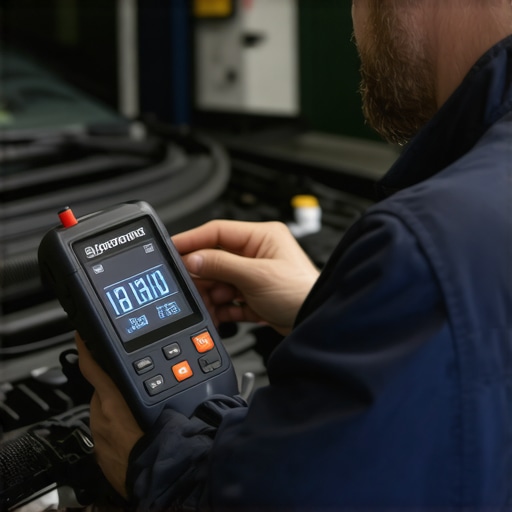
Maintaining a vehicle that runs smoothly over the long haul requires the right equipment. Personally, I swear by a high-quality OBD-II scanner like the Autel MaxiSys, which offers comprehensive diagnostic capabilities. This device allows me to quickly identify transmission codes and sensor faults without visiting the shop, saving time and money. I also use a magnetic transmission fluid dipstick, which makes checking fluid levels effortless and accurate, especially in tight engine compartments. Investing in a good set of wrenches and specialty tools, such as a transmission fluid pump, helps me perform flushes correctly and efficiently, ensuring optimal hydraulic function. For software updates, I recommend connecting a reliable, manufacturer-approved diagnostic port reader—this ensures you can recalibrate sensors and update ECU firmware safely, extending your vehicle’s lifespan.
The Future of Car Maintenance Tools and Techniques
As automotive technology advances, diagnostic tools will become even smarter, integrating AI-powered systems that can predict issues before symptoms appear. This proactive approach will revolutionize car care, making repairs more about prevention than correction. For now, staying updated with software and regularly checking critical components like transmission fluid and sensors are crucial—routine maintenance helps prevent complex failures. A quick fluid check now can save you from costly repairs later. I predict that diagnostic tools with real-time data analysis and remote diagnostics will become standard, empowering drivers to maintain their cars confidently at home.
How do I maintain my transmission and brakes over time?
Regular checks and proactive maintenance are key. For your transmission, schedule fluid flushes every 30,000 to 50,000 miles using a reputable machine—this removes contaminants and prevents issues like slipping or overheating. Recalibrating sensors and updating software also keep the system responsive, reducing problems like gear hunting or shuddering. When it comes to brakes, following the advice in these shop tactics ensures longevity and safety. Additionally, inspecting calipers and brake lines during regular service prevents uneven wear or seizing. Combining these habits allows your vehicle to perform seamlessly for years to come.
Lessons Only the Road Can Teach
- One of the most surprising insights I gained was that seemingly minor shifts or hesitation can be precursors to major transmission failures. Overlooking these subtle signs might seem harmless at first, but they hold the key to preventing costly repairs and ensuring your safety.
- My experience taught me that technology isn’t infallible—softwares and sensors that adapt to driving habits can sometimes misfire, leading to erratic gear hunting. Regular recalibration and staying updated with manufacturer patches are crucial to keep your transmission running smoothly.
- Another lesson was the importance of trusting your instincts. If something feels off—like unexpected jerks or delayed engagement—don’t dismiss it as normal. Early intervention can save you from being stranded and spending a fortune on repairs.
Tools That Keep Me Ahead of Trouble
- An advanced OBD-II scanner like the Autel MaxiSys has become my go-to device. It provides real-time data and comprehensive diagnostics, helping me identify issues before they escalate. Investing in quality diagnostics tools has been a game-changer.
- I also rely on a magnetic transmission fluid dipstick, which streamlines checking fluid levels and conditions without the mess. These small but reliable tools empower me to maintain my vehicle proactively.
- To stay on top of software updates and sensor recalibrations, I trust manufacturer-approved diagnostic ports and software suite subscriptions. They ensure that my vehicle’s electronic systems are always at their best, preventing mysterious gear hunting episodes.
Keep Your Velocity, Not Just Your Spirits
Don’t let transmission issues slow you down or dampen your driving experience. The journey to a smooth, trouble-free ride involves understanding your vehicle’s signals, investing in the right tools, and practicing proactive maintenance. Remember, knowledge is power—especially when it comes to your car’s health. Ready to take control and keep your transmission shifting seamlessly? Dive into our detailed guides and stay empowered. How do you stay ahead of transmission trouble? Share your tips below!
Comments are closed.