
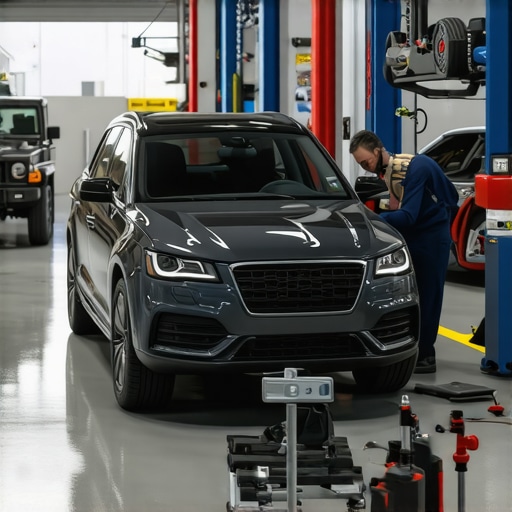
I remember the moment vividly—early morning, rushing to get my car ready, only to be greeted by a stubborn brake pedal that refused to respond properly. That unsettling experience made me realize how critical it is to stay ahead with the latest collisionrenew strategies. If you’ve ever been caught off guard by unexpected car mishaps, you’re not alone. Many drivers face similar frustrations, often because they simply don’t know the right maintenance steps to take. Today, I want to share a proven approach to transform your auto repair routine and keep your vehicle safe in 2024.
Why Staying Updated on Collisionrenew Strategies Matters in 2024
Let’s face it—cars are more complex than ever. The integration of advanced safety features and new materials means that traditional maintenance methods might no longer be enough. According to the National Highway Traffic Safety Administration, proper auto repair and regular collisionrenew actions can significantly reduce the risk of accidents, saving lives and money in the long run. I learned this the hard way when I neglected to update my brake service plan last year, resulting in costly repairs that could have been avoided with a simple proactive check. This experience taught me that being informed is not just helpful; it’s essential for safety and peace of mind. If you’ve been ignoring your car’s warning signs or relying on leftovers from last year’s maintenance, now’s the perfect time to change that habit. Check out expert auto repair tips for 2024 to learn more about the latest strategies that can give your vehicle a new edge.
Is Collisionrenew Just a Trend or Really Worth the Fuss?
I’ll admit, I was skeptical at first. I’ve made costly mistakes early on, like postponing transmission checks, thinking it wasn’t urgent. But these small oversights piled up until I faced total breakdowns—something you definitely want to avoid. The truth is, collisionrenew isn’t just hype; it’s proven to extend vehicle lifespan and improve reliability. If you’ve ever wondered whether all the fuss is justified, I encourage you to look beyond the hype. Proper maintenance, especially when it’s informed by the latest collisionrenew insights, can truly protect your investment. The good news? You don’t have to figure this out alone—there are expert strategies and resources available to guide you through every step, including comprehensive tips on using collisionrenew to maximize your vehicle’s safety in 2024.
Start with a Visual Check of Critical Components
Identify worn or damaged parts on your brakes and transmission by performing a simple inspection. Look for leaking fluids, worn brake pads, or strange noises. I once noticed a squealing noise when applying brakes, which led me to realize my brake pads were nearly gone. Replacing them early avoided a costly repair and improved safety. Use a flashlight and gloves to inspect rotors, pads, and transmission fluid levels. For a thorough evaluation, consult the expert auto repair tips to understand what wears out and how to spot issues quickly.
Prioritize Routine Maintenance Actions
Implement Regular Transmission Checks
Transmission fluid degrades over time, impacting shifting smoothness and longevity. Schedule a fluid replacement every 30,000 miles or as recommended for your vehicle. I noticed my car shifting roughly, prompting a transmission flush, which restored smoothness and prevented future damage. Think of transmission fluid as the blood of your car—keeping it healthy is essential for ongoing vehicle performance. Check out transmission maintenance tips to keep this vital part in top shape.
Maintain Brake System Proactively
Brake maintenance isn’t just about replacing pads; it involves inspecting rotors, calipers, and brake fluid. During my last check, I discovered a leaking caliper that, if left unattended, could have caused brake failure. Replacing or repairing calipers and bleeding brake lines increases safety significantly. Treat your brakes like the foundation of a house—strong and reliable. For detailed guidance, consult brake maintenance strategies to ensure your system remains resilient.
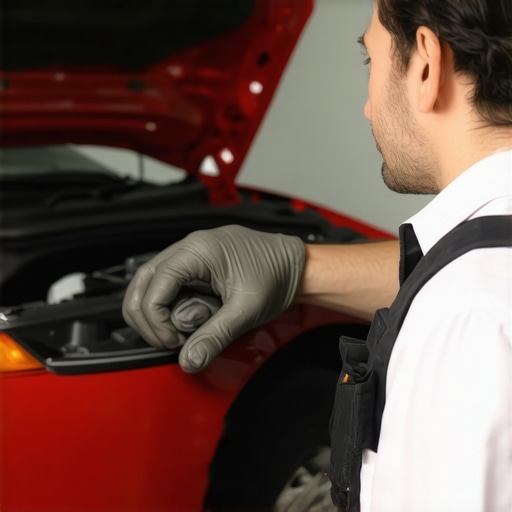
Tackle Troubles with Precision Repairs
When issues arise, avoid patchwork fixes. Instead, document the problem and seek expert diagnosis. I once attempted to replace my own transmission filter after watching a tutorial, but I missed a seal, leading to leaks. The experience underscored the value of professional service. Use diagnostic tools or take your vehicle to certified technicians. Leveraging auto repair expert resources to guide repairs will save money and extend your vehicle’s lifespan.
Adopt a Systematic Maintenance Schedule
Develop and stick to a maintenance calendar that covers all collisionrenew essentials—fluid changes, inspections, and part replacements. I created a checklist based on manufacturer recommendations, which prevented my car from unexpected breakdowns. Think of this schedule as your car’s health journal—keeping records helps you monitor what’s been done and what’s upcoming. Use digital reminders or maintenance apps to stay on track, and review maintenance scheduling tips for maximum efficiency.
Leverage the Power of Professional Guidance
While DIY checks are helpful, consulting seasoned mechanics ensures thoroughness. During my transmission overhaul, working with professionals uncovered wear I would have missed. Building a relationship with reputable shops gives you priority access to quality parts and advice. Remember, expert guidance accelerates collisionrenew success and adds a layer of safety for your vehicle in 2024. Review auto repair expert advice to enhance your collisionrenew approach.
Many car owners believe that sticking to basic maintenance schedules is enough to keep their vehicles safe and reliable, but in my experience, this is a dangerous oversimplification. A frequent myth is that all collisionrenew strategies are interchangeable or only necessary after an accident. In reality, advanced nuances dictate that specific approaches tailored to your vehicle’s make, model, and driving habits can dramatically extend its lifespan. For instance, neglecting to perform specialized transmission diagnostics—beyond just fluid changes—can lead to silent failures that are costly to repair later. As experts highlight, the subtle signs of transmission wear often go unnoticed until the damage becomes irreversible, underscoring the importance of sophisticated diagnostic tools for proactive maintenance.
Can Overlooking the Fine Details Lead to Hidden Costs?Maintaining your vehicle over the long term requires more than just routine inspections; it demands the right tools and a strategic approach. I personally invest in a high-quality OBD-II scanner, like the Autel MaxiScan MS300, which I use regularly to monitor my transmission and engine health remotely. This device is affordable yet provides comprehensive diagnostics, helping me catch issues early before they escalate into costly repairs. Additionally, I subscribe to professional automotive diagnostic software such as Mitchell 1, which offers detailed repair guides and troubleshooting tips tailored to my car’s make and model. Leveraging these tools gives me a proactive edge, ensuring my vehicle stays reliable and safe for years to come.
For those serious about ongoing maintenance, investing in a good set of manual tools is essential. I rely on a torque wrench like the CDI 2503, ensuring that bolt tensions on critical components—such as transmission mounts and brake calipers—are precise. Correct torque application prevents future problems and extends component lifespan. Moreover, I use a wheel alignment tool, such as the TrueLine Laser Alignment System, to periodically check wheel positioning. Proper alignment not only improves handling but also prevents uneven tire wear, which can be a sign of underlying suspension issues.
On the software side, regularly updating your vehicle’s ECU firmware through manufacturer-approved services guarantees optimal performance and compliance with safety standards. I recommend scheduling these updates with a certified auto repair shop familiar with your vehicle’s specifications. Combining hardware diagnostics with software updates creates a comprehensive maintenance strategy that can save you thousands over the vehicle’s lifespan.
Looking ahead, I predict the trend toward integrated diagnostic platforms will grow, making it even easier for owners to monitor their cars remotely and respond swiftly to emerging problems. The rise of smart sensors embedded within modern vehicles will provide real-time data, empowering drivers to take immediate action before minor issues escalate.
So, how do I maintain my transmission and brakes over time? The secret lies in using advanced diagnostic tools combined with precise manual methods. For example, I regularly perform fluid analysis kits on my transmission fluid to detect early signs of wear and tear—something I encourage you to try yourself. These kits can reveal contamination or breakdowns before your car indicates a problem, significantly extending component life.
Finally, don’t forget the importance of consulting expert resources. I highly recommend reading through specialized guides like those found in the auto repair expert tips for 2024. Implementing one advanced tip, such as conducting periodic transmission fluid analysis with a professional-grade kit, can dramatically improve your vehicle’s longevity. By staying equipped with the right tools and knowledge, you can keep your car running smoothly and safely for years to come.In my journey through auto care, I uncovered some hard-won insights that transformed how I approach collisionrenew strategies. One of the most eye-opening lessons was recognizing the subtle signs of transmission wear, which often go unnoticed until costly damage occurs. Learning to listen for irregular noises or shifts has saved me hundreds—knowledge I wish I’d embraced earlier. Another revelation was the importance of integrating diagnostic tools into routine checks; they empowered me to catch issues proactively rather than reactively. Lastly, I discovered that customizing maintenance plans based on my driving habits, rather than relying solely on generic schedules, yields far better safety outcomes. These lessons have not only extended my vehicle’s lifespan but have also infused confidence in my ability to keep my car safe in a rapidly evolving automotive landscape. Incorporating these insights means you’re not just fixing cars—you’re mastering a proactive approach that prioritizes your safety and peace of mind.
This post really highlights how critical proactive maintenance has become with the growing complexity of modern vehicles. I completely agree that regular visual inspections and using diagnostic tools can save money and prevent dangerous situations on the road. I recently started using an OBD-II scanner similar to the Autel MaxiScan MS300, and it’s been eye-opening to see how early I can catch potential issues before they turn into costly repairs. I’ve noticed that staying on top of transmission fluid and brake system checks significantly extends the lifecycle of these components. What are some of the most overlooked signs that indicate it’s time for a professional checkup rather than just DIY inspections? Sharing practical insights like these really helps in making informed decisions about vehicle safety.
Reading this post really resonated with me, especially the emphasis on sophisticated diagnostic tools like the OBD-II scanner and transmission fluid analysis. I’ve found that proactive measures like these can make a huge difference in preventing breakdowns. Personally, I always keep a close eye on unusual vibrations or warning lights, but I wonder—what are some subtle signs in the vehicle’s behavior that owners often overlook and do not realize indicate a need for professional diagnostics? It seems like many drivers miss these early cues until more serious problems arise. Also, I’ve been curious about how newer vehicle models with integrated smart sensors might change the way we approach routine maintenance in the coming years. Do you think these advancements will reduce the need for manual inspections or simply enhance them? I’d love to hear others’ experiences on how technology is transforming vehicle upkeep.
This post brings up an essential point about staying vigilant with modern vehicle maintenance. I personally experienced a situation where ignoring a small leak in my transmission system almost led to a complete failure, which could’ve been avoided with proactive detection. I’ve found that combining regular visual checks with the use of diagnostic tools provides a more comprehensive approach, especially as vehicle technology advances. One challenge I’ve faced is distinguishing between normal sounds and early warning signs. For example, subtle vibrations or changes in handling often go unnoticed until they escalate. How do others here prioritize their maintenance checks amid a busy schedule? Also, with the rise of smart sensors in newer models, I wonder if traditional inspections are becoming somewhat redundant or if they still serve as vital backups? Would love to hear more about your experiences with integrating new tech into routine maintenance and any practical tips you might have.
This article really hits home for me. I’ve learned that staying ahead with collisionrenew strategies can truly prevent the kind of breakdowns that disrupt your daily life and cost a fortune. For example, I recently had my brake fluid checked preemptively, which saved me from potential brake failure during an emergency stop. The thing is, with all the latest safety features and complex systems now integrated into cars, routine inspections can sometimes miss the subtle signs that something’s amiss. I’ve started using a Bluetooth OBD-II scanner, which syncs with an app on my phone, and it’s been a game-changer for early diagnostics. Has anyone here adopted smart vehicle sensors for routine maintenance? Do you find they help catch issues earlier or make manual checks less necessary? I’m curious about your experiences with the latest tech and how it’s shaping preventive auto care.