
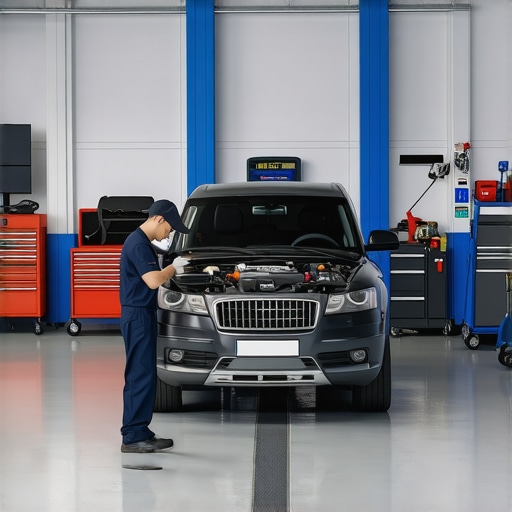
It was a chilly morning when I first ignored that squealing sound under my hood. I thought it was just a minor annoyance, maybe a loose belt. But by the time I reached work, my car wouldn’t shift gears properly, leaving me stranded. That moment taught me a hard lesson about auto maintenance—ignoring small signs can turn into expensive repairs. Since then, I’ve learned that being proactive with your vehicle not only saves money but keeps you safe on the road. And with 2024 bringing new advancements in auto repair, staying ahead of the curve is more important than ever.
Why Staying on Top of Auto Repairs Matters in 2024
Every driver faces the challenge of balancing a busy schedule with car maintenance. But neglecting routine checkups can lead to serious issues, from brake failure to transmission problems. The good news? With expert tips tailored for 2024, you can keep your vehicle running smoothly and avoid costly breakdowns. Automakers and repair experts agree that proactive maintenance is the best insurance for safety and longevity. According to a recent study by the AAA Foundation for Traffic Safety, properly maintained vehicles are 50% less likely to experience a breakdown that could lead to accidents. That’s a statistic every driver should keep in mind.
Have you ever ignored that small noise or warning light, only to regret it later?
Early mistakes—like ignoring a warning light or delaying brake service—are common pitfalls I’ve seen many drivers make. I once postponed a transmission check because I thought it was just a minor slip, only to face a costly rebuild. That experience taught me the importance of understanding what your car’s signals mean and acting fast. You don’t have to be a mechanic to keep your vehicle in top shape; simple knowledge and regular checks can save you hundreds. For guidance on how to spot and address issues early, check out this comprehensive auto repair guide for 2024.
Inspect Your Fluids Regularly
Start by checking your oil, coolant, brake fluid, and transmission fluid at least once a month. During one winter, I neglected this simple step, and my transmission started slipping unexpectedly. Regularly inspecting these fluids is like giving your car vital signs — it helps catch problems early. Use a clean rag or dipstick to assess fluid levels and look for discoloration or debris. If fluids are low or dirty, top them off or replace them promptly. For detailed instructions, visit this auto repair guide for 2024 to ensure you’re doing it right.
Change Oil and Filter
Changing your oil every 5,000 to 7,500 miles maintains engine health. I once delayed my oil change and ended up with a clogged filter, which caused my engine to stall. Think of it as brushing your teeth daily — essential for health. Use the manufacturer-recommended oil type and quality. If unsure, consult your owner’s manual or a trusted mechanic. This simple routine prevents engine wear and prolongs your vehicle’s life.
Maintain Brake System Vigilance
Brake pads wear out over time, and ignoring squeals or soft pedal feel can lead to brake failure. I remember hearing a high-pitched squeal and dismissing it, only to find my brake pads worn to the metal. This is a dangerous gamble. Test your brakes by gently pressing the pedal; it should feel firm. If you notice any unusual noise, vibration, or decreased responsiveness, schedule a brake service immediately. For comprehensive tips, check out top-brake-transmission-tips-for-2024-auto-maintenance-success. Regular brake inspections can save lives.
Schedule Transmission Checkups
Your transmission is the car’s nervous system — it shifts gears and keeps your drive smooth. I once ignored a slipping transmission, assuming it was just an old car quirk. But the problem worsened, and I faced a costly rebuild. Regular transmission fluid changes and inspections are critical. Look for delayed shifting, slipping, or strange noises, and get professional help if needed. For detailed maintenance strategies, visit top-transmission-brake-service-tips-for-2024-auto-maintenance-success. Proper transmission care enhances safety and performance.
Keep Your Auto Body in Top Shape
Small dents or scratches can lead to rust if left untreated. I once ignored a minor scratch on my bumper, which later expanded into rust — a costly fix. Regular visual inspections and prompt collision repairs prevent corrosion and maintain vehicle integrity. Consider visiting collisionrenew-body-repair-tips-for-2024-vehicle-safety for professional advice on repairs that safeguard your vehicle’s structural safety.
Invest in Professional Auto Repairs
While DIY checks are valuable, some issues require expert intervention. For example, complex transmission problems or collision damages should be handled by certified technicians. I learned this the hard way after attempting a DIY collision repair, which resulted in mismatched paint and compromised safety. Trust professionals to use quality parts and techniques, such as those outlined in auto-repair-season-tips-for-2024. Regular professional inspections can extend your vehicle’s lifespan and ensure safety on the road.
Many car owners fall into common traps when it comes to auto maintenance, often based on myths or oversimplified advice. Let’s dig deeper into these misconceptions and reveal the hidden nuances that can make a real difference in how you care for your vehicle.
Why Most People Overlook the Power of Proper Diagnostics
One widespread myth is that sticking to a schedule of basic fluid checks and oil changes is enough to keep your car running smoothly. While essential, this approach ignores the importance of thorough diagnostics. Modern vehicles are equipped with complex sensors and computer systems that can reveal hidden issues long before visible symptoms appear. Skipping advanced diagnostics can lead to missed early warnings, turning small problems into expensive repairs. For example, a subtle transmission slipping might be dismissed as normal wear, but a professional diagnostic can uncover sensor malfunctions or software glitches that, if corrected early, save you hundreds.
Beware the Costly Trap of DIY Brake Repairs
Many believe that replacing brake pads is a straightforward task. While basic brake pad replacement can be doable for experienced DIYers, the danger lies in neglecting the full system inspection. A common mistake is to replace pads without checking rotors, calipers, or brake fluid, which can compromise safety. Poor installation or ignoring underlying issues can cause uneven wear or even brake failure. Instead, consider professional brake services, especially since they include comprehensive checks that prevent dangerous failures. For expert insights on this, visit top-brake-transmission-tips-for-2024-auto-maintenance-success.
How Overlooking Transmission Health Can Backfire
The transmission often gets less attention than the engine but is equally critical. A common misconception is that transmissions are maintenance-free. In reality, regular transmission fluid changes and inspections are vital, particularly for older vehicles. Ignoring signs like delayed shifting, slipping, or strange noises can lead to complete transmission failure, which is costly to repair. Advanced maintenance strategies, including fluid analysis and sensor checks, can detect early deterioration. For a deeper understanding, explore top-transmission-brake-service-tips-for-2024-auto-maintenance-success.
How CollisionRenew Enhances Your Vehicle’s Safety and Value
CollisionRenew isn’t just about fixing dents or scratches; it’s about maintaining your car’s structural integrity and safety. Many owners overlook the importance of professional auto body repairs, assuming small damages are cosmetic. But unaddressed collisions can lead to rust, compromised safety, and decreased resale value. Investing in quality repairs from CollisionRenew ensures your vehicle remains safe and durable, aligning with the latest standards for 2024. For comprehensive guidance, check auto-repair-collisionrenew-tips-for-2024-collisionrenews-ultimate-guide.
Have you ever fallen into this trap? Let me know in the comments. Recognizing the real nuances in auto care can save you money and keep you safe on every ride.
Keeping your vehicle in top shape over time requires more than just regular visits to the mechanic; it involves having the right tools and knowledge to perform basic maintenance tasks yourself. For any car enthusiast or cautious driver, investing in quality equipment can save money and extend the lifespan of your vehicle. One of my favorite tools is a digital multimeter. I use it to check battery health, sensor outputs, and wiring continuity, ensuring electrical systems are functioning properly without unnecessary trips to the shop. A reliable multimeter like the Fluke 117 provides accurate readings and durability, making it an essential part of my auto maintenance kit.
Another indispensable tool is a high-quality torque wrench. Proper torque application is crucial when tightening lug nuts, brake calipers, or suspension components. I prefer a click-type torque wrench because it offers precise control and helps prevent over-tightening, which can cause damage or unsafe conditions. For example, correctly torquing brake calipers ensures they grip rotors effectively, preventing uneven wear or failure. Using a torque wrench aligned with manufacturer specifications (which you can find in your vehicle’s service manual or auto repair guides) is a simple way to improve your maintenance quality.
For fluid checks, I rely on a good set of automotive fluid testers. These handheld devices measure oil viscosity or coolant pH levels, giving me insights into the health of critical systems. Regular fluid testing helps catch issues like oil degradation or coolant contamination before they cause major damage. Pairing these tests with a diagnostic scanner, such as an OBD-II code reader, allows me to monitor engine performance and catch error codes early. As vehicles become more sophisticated, integrating diagnostic tools with software like Torque Pro or BlueDriver helps interpret sensor data and identify potential problems proactively.
Looking ahead, the trend in auto maintenance is moving toward smarter, connected tools that sync with smartphone apps, providing real-time insights and maintenance reminders. I predict that in 2024, more drivers will adopt these advanced diagnostics to stay ahead of issues, especially as vehicles become increasingly digital. For example, using a Bluetooth-enabled OBD-II scanner with a dedicated app can notify you of low fluid levels or sensor malfunctions instantly, saving you from costly repairs down the line.
How do I maintain my car’s health over time?
One of the best ways to ensure your vehicle remains reliable is to establish a routine with essential tools. Regularly check your battery voltage with a multimeter, especially before winter, when cold weather can strain electrical systems. Use a torque wrench to revisit critical fasteners during oil changes or brake servicing—this keeps everything tight and functional. Incorporate fluid testing and diagnostic scans into your maintenance schedule to catch issues early. Modern tools, like connected scanners, are making this process easier and more informative than ever. I highly recommend trying out a Bluetooth OBD-II scanner with a smartphone app, as it can dramatically improve your ability to diagnose and address problems before they escalate. For comprehensive tips on integrating these tools, check out auto repair guides for 2024.
The Hardest Lesson I Learned About car service,brake service,auto repair,transmission,collisionrenew
One of the most valuable lessons I’ve learned is that ignoring small warning signs can lead to major, costly repairs—and even compromise safety. Early warning lights, squeals, or sluggish responses aren’t nuisances; they’re signals that your vehicle needs attention. Recognizing and acting on these signs, rather than dismissing them, has saved me hundreds and kept me safe. This lesson has reshaped my approach to auto maintenance, emphasizing proactive care over reactive fixes.
3 Myths About car service,brake service,auto repair,transmission,collisionrenew That Held Me Back
I once believed that regular oil changes were enough to keep my car running smoothly. I also thought DIY brake repairs were simple and that transmissions required no attention until failure. These myths delayed critical maintenance and cost me dearly. Learning the truth—like the importance of diagnostics, full system checks, and professional repairs—has profoundly improved my vehicle’s longevity and safety. Don’t fall for surface-level advice; dig deeper for real auto care strategies.
What Experts Won’t Tell You About car service,brake service,auto repair,transmission,collisionrenew
Professionals emphasize that modern vehicles are complex ecosystems. They rely heavily on diagnostics, sensors, and software to alert us of potential issues. Yet, many drivers overlook these early warnings, focusing only on visible problems. Advanced diagnostics can reveal hidden faults before they escalate, saving money and lives. Trusting expert insights—like routine transmission fluid analysis or brake system scans—can make all the difference in your maintenance routine.
Curated Recommendations for Lasting Vehicle Safety
My Essential Toolkit for Car Maintenance includes a reliable digital multimeter, a high-quality torque wrench, and a Bluetooth-enabled OBD-II scanner. I trust these tools because they empower me to perform accurate diagnostics and precise repairs, reducing trips to the mechanic. Additionally, books like “Auto Repair for Dummies” have been invaluable for understanding complex systems, and reputable sources like CollisionRenew’s auto repair guides for 2024 provide up-to-date strategies.
Your Turn to Try
Taking charge of your auto maintenance can feel daunting, but with the right tools and knowledge, it becomes manageable—and rewarding. Regular checks of fluids, proper use of diagnostic tools, and timely professional repairs will keep your vehicle in top shape for years to come. Remember, proactive care isn’t just about saving money; it’s about ensuring safety on every drive. So, are you ready to implement these expert tips and tools in your routine?
Have you ever struggled with diagnosing a car issue early? Share your experiences below and let’s learn from each other’s journeys toward safer, smarter auto care.