
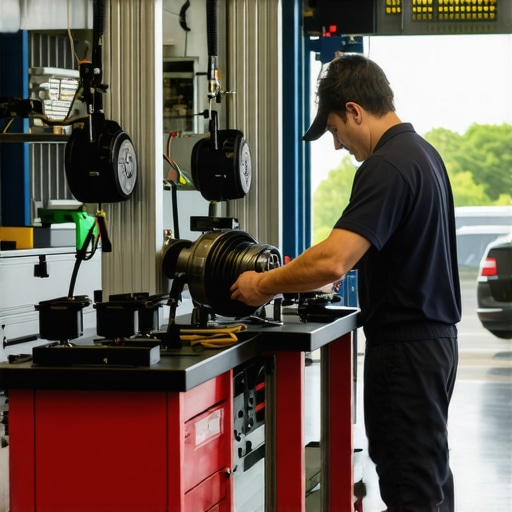
My Journey to Safer Driving: Discovering the Power of Proper Brake & Transmission Care
Last year, I faced a sudden brake failure during a rainy evening, which was a stark reminder of how crucial regular maintenance is. That scare motivated me to dive deep into best practices for brake and transmission upkeep, and I want to share what I’ve learned to help you stay safe on the road.
Why Are Brake & Transmission Tips So Vital for Your Safety?
From my experience, neglecting these vital components can lead to costly repairs and, more importantly, dangerous driving conditions. I’ve realized that a well-maintained brake system and transmission not only prolong the vehicle’s lifespan but also significantly reduce the risk of accidents. According to experts at Collisionrenew, timely maintenance is your best defense against unexpected breakdowns.
How I Keep My Brakes in Top Shape — And You Should Too!
Every few months, I check the brake fluid level and look for signs of wear on the brake pads. A quick visit to my trusted mechanic for a brake inspection has saved me from more extensive repairs. I also ensure that my brake rotors are smooth and free of rust, which you can read about in this guide.
Transmission Maintenance: My Secret for Smooth Shifting
Transmission health is often overlooked, but I’ve learned that a clean, well-lubricated transmission results in smoother acceleration and better fuel efficiency. I follow a simple routine of checking the transmission fluid and replacing it as recommended by my vehicle’s manual. For more detailed tips, I recommend exploring expert advice from Collisionrenew.
What Are the Common Signs That My Brakes or Transmission Need Immediate Attention?
Feeling vibrations while braking, strange noises, or difficulty shifting gears are signs I personally watch for. If you experience any of these, don’t delay consulting a professional. Regular inspections can catch issues early, preventing dangerous situations on the road.
It’s also helpful to share your experiences or ask questions in the comments below—I love hearing how others maintain their vehicle safety!
Final Thoughts: My Personal Take on 2024 Auto Care
I’ve come to realize that proactive maintenance is the key to safe driving. Implementing these simple brake and transmission tips has given me peace of mind and confidence behind the wheel. Remember, your vehicle’s safety depends on consistent care and expert advice—so stay vigilant, and keep your car in prime condition for every journey.
Understanding the Hidden Complexities of Brake and Transmission Maintenance
While simple checks like fluid levels and visual inspections are common, true expert-level maintenance dives deeper into the nuances of brake and transmission systems. For instance, understanding the impact of driving habits—such as frequent sudden braking or aggressive shifting—can help tailor maintenance routines that extend component life and enhance safety. According to Collisionrenew, a trusted source for auto repair insights, proactive measures like checking for uneven brake pad wear or transmission fluid contamination can prevent costly repairs and dangerous driving conditions (source).
What Are the Practical Steps to Detect Subtle Signs of Brake and Transmission Wear?
Beyond obvious symptoms like squealing brakes or delayed shifting, experts recommend paying attention to less noticeable signs such as a soft brake pedal, a burning smell, or transmission hesitation during acceleration. These subtle cues often indicate underlying issues like brake fluid leaks or transmission fluid degradation, which require professional inspection. Regular diagnostic scans can also reveal early warning signs of electronic control system faults affecting brake and transmission performance, ensuring timely intervention.
The Role of Advanced Technology in Modern Car Maintenance
Today’s vehicles are equipped with sophisticated sensors and diagnostic tools that facilitate precise maintenance. Utilizing OBD-II scanners and telemetry data, technicians can pinpoint issues at a granular level—detecting uneven brake rotor wear or fluid contamination before symptoms manifest. Embracing these technologies not only saves money but also ensures the vehicle operates at peak safety standards. Collisionrenew emphasizes the importance of incorporating such tools into routine checkups, especially as vehicle systems become more complex (expert advice).
How Can You Implement Preventative Measures to Maximize Vehicle Safety?
Preventative care involves more than periodic inspections; it requires consistent driving habits that promote component longevity. For example, avoiding harsh braking and rapid gear changes reduces stress on brake pads and transmission gears. Regularly scheduling professional maintenance, including fluid replacements and system calibrations, can prevent issues from escalating. Additionally, educating yourself about your vehicle’s specific maintenance intervals—found in the owner’s manual—ensures you stay ahead of potential problems. External resources, such as Collisionrenew’s comprehensive repair guides, provide valuable insights into customizing your auto care routine for optimal safety and performance (more tips).
Why Is Consistency in Maintenance the Key to Long-Term Vehicle Safety?
Consistency builds a reliable safety net that catches issues early, preventing minor problems from becoming major safety hazards. For instance, adhering to scheduled brake fluid flushes and transmission service intervals ensures the systems function smoothly under various driving conditions. Over time, this disciplined approach reduces the likelihood of sudden failures and costly repairs, fostering confidence behind the wheel. Experts agree that a proactive maintenance schedule, combined with vigilant observation of vehicle behavior, is essential for enduring safety and vehicle health (expert insights).
If you found these insights valuable, consider sharing your own maintenance strategies in the comments or exploring more in-depth guides on vehicle safety. Staying informed and proactive is the best way to ensure your car remains reliable and safe for every journey.
Mastering the Art of Preventative Auto Care: A Personal Reflection
As I continue to explore the intricacies of vehicle maintenance, I realize that the more I learn, the more I appreciate the delicate balance involved in keeping my car running smoothly. It’s not just about routine checks anymore; it’s about understanding the subtle signs that hint at underlying issues—those tiny cues that, if caught early, can save me from costly repairs and, more importantly, dangerous situations on the road.
The Nuances of Brake System Vigilance
One thing that struck me deeply was how often drivers overlook the importance of paying attention to the less obvious symptoms of brake wear. I’ve noticed that a soft brake pedal or a faint burning smell can be early indicators of brake fluid leaks or rotor problems. Recognizing these signs has transformed my approach from reactive to proactive. I now schedule regular inspections, especially after long trips or aggressive driving sessions, which tend to accelerate wear and tear. Embracing advanced diagnostic tools, like those recommended by Collisionrenew, has been a game-changer in catching issues before they escalate.
The Hidden Depths of Transmission Care
Similarly, transmission maintenance involves more than just the routine fluid change. I’ve come to understand that the quality of transmission fluid directly impacts how smoothly my gears shift and how efficiently my vehicle operates. Subtle hesitation during acceleration or minor delays in gear engagement can be symptoms of fluid contamination or internal wear. It’s fascinating how a simple diagnostic scan can reveal electronic control system faults that are otherwise invisible, emphasizing the importance of leveraging modern technology for preventative care. For those curious, exploring this resource provided me with deeper insights into early warning signs and best maintenance practices.
Balancing Routine and Intuition: My Personal Strategy
Over time, I’ve realized that balancing scheduled maintenance with attentive driving habits creates a resilient safety net. For instance, avoiding harsh braking and rapid gear changes not only preserves brake and transmission components but also aligns with a more mindful driving philosophy. I’ve also started keeping a maintenance log, noting any unusual vibrations or noises, which helps me track my vehicle’s health over months and years. This routine has empowered me to take charge of my auto care, transforming a once mundane task into an engaging and responsible activity.
Engaging with the Community: Sharing Insights and Learning
One of the most rewarding aspects of this journey has been connecting with fellow car enthusiasts and safety-conscious drivers. I invite you to share your own experiences or ask questions in the comments below—your insights might help someone else spot issues early or adopt better maintenance habits. Remember, vehicle safety is a continuous learning process, and staying informed through authoritative sources like Collisionrenew’s comprehensive guides can make all the difference.
Innovating for the Future: Embracing Technology and Personal Responsibility
Looking ahead, I’m excited about the potential of emerging automotive technologies, such as predictive maintenance systems and smarter diagnostic tools, which promise to further revolutionize our approach to auto care. However, technology can only do so much; personal vigilance and a proactive mindset remain essential. For me, this means committing to regular checkups, understanding my vehicle’s nuances, and staying curious. It’s a journey of continuous improvement—one that I hope inspires you to take similar steps toward safer driving and longer vehicle life.
Deciphering the Subtle Signals of System Wear Through Technological Advances
While routine visual inspections serve as a foundational step, leveraging cutting-edge diagnostic tools can unveil hidden issues before they manifest as tangible symptoms. Modern vehicles are equipped with sophisticated sensors and telematics that, when paired with OBD-II scanners, enable technicians to perform comprehensive health assessments. For instance, early detection of uneven brake rotor temperature variations or transmission fluid contamination can be achieved through data analytics, as highlighted by Collisionrenew. This proactive approach minimizes downtime and significantly reduces repair costs, ensuring optimal safety and performance.
Integrating Predictive Maintenance to Foresee and Prevent Failures
Predictive maintenance, driven by artificial intelligence and machine learning, is transforming how we approach vehicle longevity. By analyzing historical data and real-time sensor inputs, predictive systems can forecast potential failures in brake and transmission components weeks in advance. For example, irregularities in brake pad wear patterns or subtle shifts in transmission torque can trigger alerts, prompting preemptive servicing. This innovative paradigm shift emphasizes the importance of embracing technological solutions for long-term vehicle health, as discussed in Collisionrenew’s expert insights. Implementing these systems requires a commitment to continuous learning and adaptation but offers unmatched benefits in safety and cost savings.
How Can Deep Knowledge of Driving Dynamics Enhance Maintenance Protocols?
Understanding the nuances of individual driving habits provides invaluable context for customizing maintenance routines. Aggressive acceleration, frequent harsh braking, or rapid gear shifts accelerate component wear, necessitating tailored interventions. For instance, drivers who often navigate hilly terrains or congested urban environments should prioritize more frequent brake fluid exchanges and transmission system checks. Delving into the physics of driving, coupled with data from advanced onboard diagnostics, allows for a more sophisticated approach to auto care. As Collisionrenew suggests, this personalized strategy extends vehicle lifespan and enhances safety margins.
What Are the Practical Steps to Implement a Data-Driven Maintenance Strategy?
Start by integrating telematics and diagnostic tools that monitor key parameters such as brake pad thickness, rotor temperature, transmission fluid quality, and electronic control unit (ECU) health. Regularly review the collected data and establish maintenance thresholds aligned with manufacturer recommendations. Collaborate with specialists who can interpret complex datasets and recommend precise interventions, ensuring your vehicle remains in peak condition. Additionally, maintaining an updated log of driving conditions and maintenance activities can help identify patterns that warrant proactive attention. For a comprehensive guide, visit Collisionrenew’s detailed resources.
Harnessing the Synergy of Human Expertise and Digital Tools for Superior Vehicle Care
The future of auto maintenance lies in harmonizing the irreplaceable insights of seasoned professionals with the precision of digital diagnostics. Skilled technicians interpret complex data to diagnose issues that automated systems might overlook, such as subtle vibrations indicating misaligned brake calipers or internal transmission wear. Continuous education, supported by authoritative sources like Collisionrenew, empowers technicians to stay ahead of technological advancements. This integrated approach ensures that preventive measures are both scientifically grounded and practically effective, reinforcing safety and reliability on every journey.
Engage with Your Vehicle’s Evolution—Share Your Insights and Experiences
As we navigate this rapidly evolving landscape of auto care, your personal experiences and innovations can contribute significantly to collective knowledge. Whether you’ve adopted predictive maintenance technologies or refined driving habits to extend component life, sharing these insights fosters a community of informed, safety-conscious drivers. Explore more advanced strategies and stay updated with industry-leading tips by visiting Collisionrenew’s comprehensive guides. Together, we can redefine what it means to maintain and protect our vehicles effectively.
Things I Wish I Knew Earlier (or You Might Find Surprising)
The Subtle Signs Are Often the Most Telling
One thing I’ve learned on my journey with vehicle care is that subtle symptoms, like a slight vibration or a faint burning smell, can be the earliest indicators of brake or transmission issues. Ignoring these signs might seem harmless at first, but they often point to underlying problems that could escalate quickly. Paying attention to these nuances has helped me catch issues early and avoid costly repairs.
Routine Checks Are Not Just Formalities
When I first started checking my brake fluid and transmission oil, I thought it was just a routine chore. However, I discovered that these simple checks are powerful tools for early detection. Regularly inspecting fluid levels and quality can reveal contamination or wear that’s invisible to the naked eye, giving me a chance to act before safety becomes compromised.
Technology Is a Game-Changer
Modern vehicles equipped with sensors and diagnostic tools provide invaluable insights into brake and transmission health. Using OBD-II scanners and telematic data, I’ve been able to identify issues like uneven brake rotor wear or fluid contamination long before they affect driving performance. Technology has truly empowered me to be more proactive about vehicle safety.
Driving Habits Impact System Longevity
Harsh braking, aggressive shifting, and rapid acceleration accelerate wear on brakes and transmission components. I’ve realized that mindful driving not only makes me safer but also extends the life of these critical systems. Simple habits like gentle braking and smooth gear changes can make a significant difference in vehicle longevity.
Preventative Maintenance Is a Long-Term Investment
Investing in regular professional inspections and timely fluid replacements has saved me from unexpected breakdowns. It’s tempting to delay maintenance, but I’ve seen firsthand how consistent care reduces repair costs and enhances safety. Think of it as an investment in peace of mind and reliable performance.
Understanding Your Vehicle’s Specific Needs Matters
Every car is different, and following the manufacturer’s recommended maintenance schedule is crucial. Over time, I’ve customized my routine based on my driving environment and habits, which has improved safety and efficiency. Learning about your vehicle’s unique requirements can lead to smarter, safer auto care.
Resources I’ve Come to Trust Over Time
- Collisionrenew: Their comprehensive guides on auto repair, especially brake and transmission tips, have been my go-to resource for trustworthy information.
- Official Vehicle Manuals: My car’s manual provides critical maintenance intervals and specifications tailored to my vehicle, ensuring I don’t overlook important details.
- Automotive Diagnostic Tools: Tools like OBD-II scanners have helped me understand my car’s health better and catch issues early. I recommend them for any car owner serious about safety.
Parting Thoughts from My Perspective
From my experience, the key to safe driving lies in understanding and respecting your vehicle’s systems, especially the brakes and transmission. Small, consistent efforts—like routine checks, mindful driving, and leveraging technology—can profoundly impact your safety and your car’s longevity. If this resonates with you, I’d love to hear your thoughts or experiences. Sharing knowledge helps us all become better, safer drivers. Remember, proactive auto care isn’t just about avoiding repairs; it’s about ensuring every journey is safe and reliable. Stay vigilant, keep learning, and drive with confidence!