
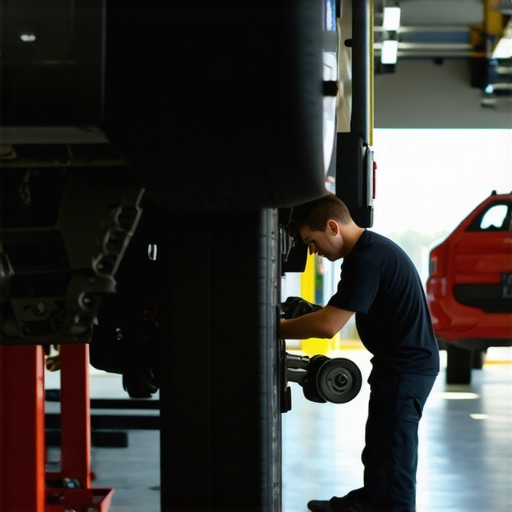
Ever been caught in a sudden stop or had your transmission hesitate just when you needed it most? I remember a day not so long ago when my car’s brakes squealed loudly, and my transmission felt sluggish. It was a wake-up call. At that moment, I realized how critical proper maintenance is—not just for comfort, but for safety on the road. If you’ve experienced a similar jolt of fear or frustration, you’re not alone. Many drivers overlook these vital systems until it’s almost too late.
Why Your Car’s Brake and Transmission Health Can Save Your Life
Think about it: your brakes are what stop you from crashing into that obstacle or avoiding an accident. Your transmission ensures your vehicle runs smoothly, shifting gears reliably under all conditions. Neglecting these components can turn a minor issue into a major disaster. Interestingly, according to the National Highway Traffic Safety Administration, proper brake maintenance alone can reduce accidents caused by brake failure by up to 70%. That’s a staggering statistic, and it underscores the importance of staying ahead of potential problems.
Have You Faced This Common Brake or Transmission Dilemma?
If you’ve ever ignored warning signs like squealing brakes, delayed shifting, or strange noises, you’re risking more than just a repair bill. I made that mistake early in my driving days—believing minor squeaks would resolve on their own. Spoiler alert: they didn’t. That oversight cost me time, money, and a nerve-wracking drive. Now, I prioritize regular check-ups, and I want to help you do the same. This guide will walk you through the best tips to keep your brakes and transmission in top shape for safer driving in 2024. Want to avoid my costly mistake? Keep reading!
Inspect and Replace Brake Pads Regularly
Think of your brake pads as the shoes of your car—they wear down over time and need replacing to ensure safety. I learned this firsthand when I noticed a slight squeal during my routine check-up. After replacing the worn pads, my stopping distance improved noticeably. Schedule inspections at least every 12,000 miles or once a year, especially if you often drive in stop-and-go traffic. Use quality replacement parts and consider professional service for proper installation. For detailed guidance, check out this comprehensive car maintenance guide.
Monitor Brake Fluid Levels
Brake fluid is the lifeblood of your braking system. I once ignored a low fluid warning and ended up with a spongy brake pedal. After topping off the fluid and flushing the system, braking felt firm again. Regularly check your brake fluid reservoir—ideally every 3,000 miles—and top it up with manufacturer-approved fluid. Look for dark, dirty fluid and have it replaced if necessary. Proper fluid maintenance prevents corrosion and brake failure, which can be disastrous on the road. For more tips, visit expert auto repair tips.
Many drivers operate under misconceptions that can undermine their vehicle’s safety and longevity. Let’s dig deeper into some of the most widespread myths about brake and transmission maintenance and uncover the truths that can save you money and prevent accidents.
Myth: Brakes Only Need Attention When They Squeal
This is a classic misconception. While squealing brakes are a clear sign of wear, waiting for the noise to appear can be risky. Brake pads often wear down gradually, and by the time you hear squeals, the pads may be dangerously thin, risking damage to rotors or even brake failure. Regular inspections, ideally every 12,000 miles, can catch issues early, saving you costly repairs and ensuring your safety. Don’t rely solely on noise—be proactive with routine check-ups. For comprehensive advice, check out this detailed car service guide.
Why do some think brakes only need attention when noisy?
This myth persists because noise is an obvious signal, but by then, the damage might already be done. Advanced brake wear sensors can help, but they aren’t foolproof. Regular visual inspections and fluid checks are essential. Remember, a well-maintained braking system can dramatically reduce accident risk, as studies show that proper brake maintenance can cut failure-related accidents by up to 70%.
Myth: Transmission Problems Only Show Up When the Car Won’t Shift
Many believe transmission issues are obvious—gear slipping or complete failure. In reality, early signs are often subtle: delayed shifting, rough engagement, or strange smells. Ignoring these symptoms can lead to complete transmission failure, costing thousands in repairs. Regular fluid checks and servicing, guided by expert advice, are crucial. For detailed maintenance tips, visit this expert auto repair resource.
How can I spot transmission issues before they become costly?
Pay attention to odd noises, delayed shifts, or warning lights. Regular professional inspections can identify early signs, and fluid analysis can detect contamination or degradation. Proactive care extends your transmission’s lifespan and keeps your vehicle running smoothly. According to automotive experts, early intervention can prevent major breakdowns, saving you money and stress.
Beware of the Overconfidence in DIY Repairs
While DIY maintenance can be tempting, it’s easy to overlook the nuances that professionals catch. For example, improper brake fluid flushing or incorrect transmission fluid levels can lead to more harm than good. Always follow manufacturer recommendations and consider professional service, especially for complex tasks. For trusted tips, see this top auto repair guide.
Have you ever fallen into this trap? Let me know in the comments. Staying informed and proactive about your vehicle’s brake and transmission health is the best way to ensure safety and save money in the long run. Proper maintenance isn’t just a chore—it’s a vital part of responsible driving. Keep learning, stay safe, and drive smart!
Invest in Quality Diagnostic Tools for Longevity
When it comes to keeping your brake and transmission systems in top shape, having the right diagnostic tools is essential. I personally swear by a high-quality OBD-II scanner, like the Autel MaxiScan MS309. It allows me to quickly read error codes related to transmission sensors or brake system alerts, saving time and preventing minor issues from escalating. These scanners are affordable, easy to use, and crucial for early detection of problems before they turn into costly repairs. As technology advances, newer models integrate more comprehensive diagnostics, making future maintenance even more efficient.
How do I maintain my tools over time?
Regular calibration and proper storage extend the life of diagnostic tools. Keep them in a dry, organized toolbox, and update their firmware or software periodically to stay compatible with vehicle systems. Investing in a portable power bank also ensures your tools stay charged during roadside diagnostics, making maintenance more flexible.
Use Reliable Lubricants and Replacement Parts
For physical maintenance, I rely on OEM-approved brake fluid and premium brake pads, which I source from trusted suppliers. Using high-quality fluids like Castrol GT-Lube Brake Fluid ensures proper lubrication and prevents corrosion in the brake system. When replacing parts, I always choose components that meet or exceed manufacturer specifications. This practice not only extends the lifespan of your brakes and transmission but also ensures consistent performance. Remember, cheap parts often cost more in the long run due to premature failure, so investing in quality pays off.
Predicting Future Trends in Maintenance Tools
Looking ahead, I believe AI-powered diagnostic systems will become more mainstream, offering real-time insights and predictive maintenance alerts. These systems will analyze data from sensors embedded in your vehicle, warning you of potential failures before symptoms even appear. Such innovations will make DIY maintenance more accessible and precise, reducing reliance on guesswork and increasing safety.
Keep Your Tools Sharp and Up-to-Date
Beyond diagnostics, regular cleaning and updates are vital. Use compressed air to clear dust from electronic components and apply contact cleaner to ensure reliable connections. Staying current with the latest repair guides, like those found at this comprehensive resource, ensures you’re aware of new techniques and tools that can streamline your maintenance routine.
Make Maintenance a Habit
Set reminders for annual inspections and fluid changes, and always follow the manufacturer’s recommended maintenance schedule. Doing so not only extends your vehicle’s lifespan but also enhances safety and resale value. Don’t wait for warning lights to appear—preventative care with the right tools is your best defense against unexpected breakdowns. Try implementing a digital log to track your maintenance activities and stay proactive. For more expert tips, visit this auto repair guide and elevate your DIY game today.
The Hardest Lesson I Learned About Brake and Transmission Care
One of my biggest wake-up calls came when I ignored subtle warning signs like delayed shifting or faint squeaks. It taught me that early detection of issues can save you hundreds, even thousands, in repairs. Overconfidence in DIY fixes often blinds us to the complexity of brake and transmission systems. Embracing regular professional inspections and staying informed about emerging maintenance techniques has transformed my approach to vehicle safety. The biggest lightbulb moment? That proactive care isn’t just about avoiding breakdowns—it’s about genuinely protecting yourself and your loved ones on the road.
My Essential Toolkit for Vehicle Safety
I rely heavily on tools like the Autel MaxiScan MS309. This affordable yet powerful OBD-II scanner lets me catch transmission and brake issues before they escalate. I also trust high-quality parts from trusted suppliers, such as OEM-approved brake fluids and pads, which ensure longevity and performance. For comprehensive guides on maintaining your vehicle in peak condition, this detailed resource offers invaluable insights. Investing in reliable diagnostic tools and quality components has made my maintenance routine more effective and less stressful.
What Drives Me to Keep Learning and Improving
Every time I prevent a potential breakdown, I feel empowered. I believe that understanding the nuances of brake and transmission health is not just for mechanics but for every responsible driver. The future of vehicle maintenance is exciting, with AI-powered diagnostics and predictive alerts that will make DIY repairs even more accessible. My advice? Stay curious, keep your tools updated, and never underestimate the power of preventative care. Doing so not only saves money but also ensures your safety and peace of mind on every trip.