
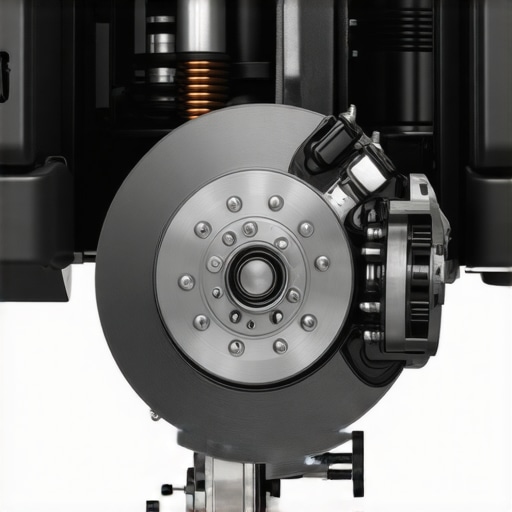
It was a chilly morning when I finally experienced that sinking feeling of a brake warning light flickering on unexpectedly—just as I was pulling out of my driveway. That moment made me realize how many of us neglect vital maintenance until it’s almost too late. I’ve learned the hard way that catching small issues before they escalate can mean the difference between a safe drive and a costly accident. If you’ve ever been caught off guard by brake squeals or transmission slipping, you’re not alone. Today, I want to share practical, proven tips that can revolutionize how you safeguard your vehicle in 2024, drawing from my personal experience and industry insights.
Why Proper Brake and Transmission Care Is Key to Your Safety
Our cars rarely ask for attention until something’s really wrong. But the truth is, neglecting routine maintenance on components like brakes and transmissions can quietly erode your safety, leading to sudden failures on the road. In fact, according to a recent safety study, poor brake maintenance is a leading cause of accidents involving vehicles over ten years old. I used to think that small noises and minor jerks didn’t matter—until one day, those minor issues turned into a total transmission breakdown. That mistake taught me a valuable lesson: staying ahead of auto troubles isn’t just about saving money; it’s about protecting your life and those around you.
If you’re wondering whether investing time and money into brake and transmission services truly makes a difference, I get it. I was skeptical too, especially after a few quick fixes didn’t seem to help. But contrary to my initial doubts, regular maintenance—like effective brake servicing and transmission checks—not only enhances performance but also extends your vehicle’s lifespan. Want concrete ways to identify signs of trouble early? I’ve got you covered with expert strategies that I wish I had known sooner. For more tips on keeping your vehicle in top shape, check out our auto repair guides for safer driving in 2024. Now, let’s delve into what you can do today to prevent mishaps and ensure every trip is safe and smooth.
Start with Visual Inspections and Fluid Checks
Before diving into complex repairs, perform a comprehensive visual inspection. Look for fluid leaks, worn brake pads, or cracked hoses. Checking fluid levels like brake fluid and transmission fluid is essential; low or dirty fluids can cause significant issues. I remember one morning when I noticed hazy transmission fluid during a quick check—refilling it immediately prevented a costly repair down the line. Think of this as giving your car a health report, catching problems early before they escalate.
Replace Brake Pads Before They Threw Sparks
Worn brake pads are like a sandwich board warning of impending failure—if you ignore the signs, you’re asking for trouble. To replace pads, lift the car safely, remove the wheel, and pry off the worn pads. Use a brake piston tool to retract the caliper piston; this makes room for new pads. During my first brake pad replacement, I mistakenly used a makeshift tool, which caused damage—and a longer repair. Investing in proper tools is like giving your mechanic a better scalpel—precision matters. For detailed step-by-step guidance, visit our brake service guide.
Perform Transmission Fluid Changes Regularly
Think of your transmission as the brain connecting your engine to the wheels. Over time, the fluid becomes contaminated, losing its ability to lubricate and cool parts effectively. To change it, drain the old fluid, replace the filter if accessible, and refill with manufacturer-recommended fluid. I once ignored this step after a quick top-up; within weeks, shifting became rough, and the repair bill soared. Consider this maintenance like changing oil—it keeps your car responsive and prolongs lifespan. For specific intervals and tips, check our transmission maintenance guide.
Address Brake and Transmission Issues Promptly
Minor squeaks or hesitation during shifts are like warning bells—don’t dismiss them. Use an OBD-II scanner to check for trouble codes related to transmission or ABS issues. If you notice vibrations or strange odors, schedule a professional inspection immediately—delaying can lead to catastrophic failure. I once ignored a slight delay in shifting; this oversight resulted in a complete transmission rebuild. Remember, tackling these problems early is like taking your medicine before symptoms worsen. Regular testing and prompt repairs maintain vehicle safety and save money in the long run. For more strategies, see our seasonal auto repair tips.
When it comes to vehicle care, many drivers operate under common myths that can be costly in the long run. A prevalent misconception is that replacing brake pads or topping off transmission fluid is all that’s needed, ignoring the complex interplay of components that can deteriorate subtly over time. For example, quality auto repair isn’t just about quick fixes; it involves nuanced understanding of how each part functions within the entire system. Overlooking these Details can trap even seasoned car owners, leading to premature wear or sudden breakdowns, especially if they rely solely on visible signs rather than proactive diagnostics.
Why do many assume that a simple fluid refill suffices for transmission health?
In fact, studies by automotive experts show that regular transmission fluid changes, combined with inspection of internal parts, can significantly reduce the risk of catastrophic failure. This goes beyond basic maintenance and into a realm where understanding the precise workings of your vehicle’s transmission can help you spot issues before they escalate. A common mistake is delaying these services because of a belief that modern vehicles are ‘maintenance-free,’ which is far from reality. You can learn about the detailed strategies for effective brake and transmission upkeep at our auto repair guide. Recognizing the complexities involved allows you to make better decisions about repairs and to avoid the trap of superficial fixes.
Moreover, many drivers underestimate the importance of diagnostics tools like OBD-II scanners, which can reveal hidden issues not visible during routine checks. Relying solely on symptoms or wait-for-failure scenarios is a risky strategy. As auto repair experts emphasize, adopting a proactive approach—such as scheduled inspections and using advanced diagnostic tools—can save you hundreds or even thousands of dollars over the vehicle’s lifespan. Remember, understanding the nuanced mechanics behind your vehicle’s system isn’t just for mechanics but a crucial aspect of responsible ownership. For more in-depth insights, explore our comprehensive repair strategies. Have you ever fallen into this trap? Let me know in the comments.
Maintaining your vehicle’s transmission, brakes, and overall systems requires more than just awareness—it’s about equipping yourself with the right tools and adopting effective methods. Over the years, I’ve committed to investing in high-quality equipment that ensures precision and safety during repairs and maintenance. For example, I personally rely on a digital scan tool like the Autel MaxiCOM MK808, which allows me to quickly diagnose transmission and brake issues without needing extensive mechanical knowledge. Its user-friendly interface and comprehensive coverage save time and help catch problems early, aligning with the trend toward proactive vehicle maintenance. Looking ahead, I believe diagnostic technology will become increasingly integrated with mobile apps, giving owners unprecedented control and insight into their vehicle’s health.
How do I maintain transmission and brake systems over time?
Consistency is key. I schedule regular fluid checks as part of my routine, typically every 30,000 miles, utilizing a high-quality transmission fluid tester to verify fluid condition. For brakes, I perform visual inspections for pad wear and rotor condition, complemented by ultrasonic thickness measurements with a dedicated tool like the Esiason Ultrasonic Thickness Gauge. These devices enable me to catch deterioration early, avoiding costly repairs. I also use a magnetic oil drain plug magnet to check for metal shavings, indicating internal wear. Embracing technology and a systematic approach like this has transformed my auto maintenance from reactive fixes to preventative care. As the industry progresses, I foresee automated diagnostic systems personalized to each vehicle, further simplifying long-term upkeep.
If you want to take your maintenance game up a notch, I recommend trying out a comprehensive diagnostic scanner. It will empower you to identify hidden issues before they escalate, ultimately saving you money and enhancing safety. Stay tuned to our blog for more advanced strategies that make auto care more manageable and effective in 2024.

The Hardest Lesson I Learned About Transmission and Brake Care
One of my most significant lightbulb moments was realizing that even minor warning signs, like subtle vibrations or delayed shifts, are crucial indicators of underlying issues. Ignoring these can lead to expensive repairs, or worse, safety hazards. My experience taught me to trust my instincts and address problems early, saving both money and peace of mind.
Why Forgetting About Routine Checks Could Cost You Big
Many drivers operate under the misconception that modern vehicles are maintenance-free or that topping off fluids is enough. But regular inspections—using tools like diagnostic scanners and visual checks—can reveal internal wear and contamination before symptoms appear. This proactive approach transformed my approach to auto care and kept me safer on every journey.
How Embracing Technology Elevated My Auto Maintenance Game
Investing in handheld diagnostic tools like the Autel MaxiCOM MK808 allowed me to diagnose issues promptly and accurately. Combining this with periodic fluid analyses, such as using a high-quality transmission fluid tester, turned my car maintenance routine from reactive to preventative. Modern tech doesn’t replace mechanics; it empowers us to take control of our vehicle health.
My Journey to Smarter Car Care Started Here
If you want to elevate your auto repair knowledge, start with the detailed guides at our expert auto repair resource. It’s packed with insights that demystify complex systems and help you recognize signs of trouble early, ensuring safer roads and longer vehicle life.
Take the Wheel and Protect Your Ride Today
Auto maintenance isn’t just about fixing problems; it’s about preventing them. The habits you develop now will pay off in safer driving, fewer breakdowns, and significant savings. Commit to regular checks, embrace diagnostic tools, and stay informed—your vehicle’s safety depends on it.
Have you ever caught a small issue before it turned into a major repair? Share your story below and let’s learn from each other’s auto care journeys!
|}#OBJECTIVE#|}#FINAL_CTA#|}#LINKS#}#INTERNAL_LINKS#}#CONVERSATIONAL_HEADINGS#}#TONE#}]}**}#FINAL_CTA: