
I remember the moment clearly. I was pulling out of my driveway, and suddenly, I saw the dent—right there, glaring and stubborn. It wasn’t just a scratch; it felt like a punch to my confidence in my own car. That’s when I realized how much a well-renovated vehicle can restore not only its look but also your peace of mind. If you’ve ever faced a fender bender or a minor collision, you know the frustration. But here’s the truth: restoring your car isn’t just about aesthetics; it’s about safety, value, and the joy of driving a vehicle that feels brand new again.
Assess the Damage Carefully
One of the first steps I took was to inspect the damage thoroughly. I parked my car in good lighting, got a flashlight, and looked for all affected areas, including hidden dents and scratches. Remember, even minor damage can impact safety and value, so don’t overlook small imperfections. I also took photos to compare before and after, which proved helpful when communicating with repair shops. For comprehensive safety checks and to ensure your vehicle’s reliability, consider consulting resources like Top Transmission Repair Tips for Long-Term Vehicle Reliability.
Choose the Right Repair Method
DIY Fixes for Minor Issues
For small dents and scratches, I started with DIY repairs. Using a plunger for shallow dents or a hot water and compressed air method can sometimes pop out minor deformations. I watched a few tutorials and carefully applied these techniques. It’s a cost-effective way to handle minor issues if you’re comfortable with some hands-on work. But always remember, serious damage requires professional intervention. If you want to keep your car in top shape, regular Essential Car Service Checks to Extend Your Vehicle’s Life are essential.
Professional Repairs for Major Damage
When the damage was beyond my DIY skills, I visited a trusted auto body shop. I explained what I needed and asked for a detailed estimate. I learned that reputable shops use techniques like paintless dent repair (PDR) for certain dents, which preserves the original paint and saves money. For repainting or structural repairs, more extensive work is necessary. I found that choosing a shop with good reviews and proper certifications ensures quality results. Remember, proper repair not only restores appearance but also maintains your vehicle’s safety and value. For the best brake repairs, I checked out Braking News: How to Choose the Best Brake Service in 2025.
Prepare Your Vehicle for the Road
Once repairs were completed, I made sure to perform a comprehensive inspection. This included checking fluid levels, tire pressure, and alignment. Proper maintenance prevents further issues down the line. I also scheduled regular visits to my mechanic, ensuring my car stayed in prime condition. Consistent checks are vital, and I often refer to The Ultimate Guide to Auto Repair for tips on keeping everything in check.
Polish and Protect the Finish
After repairs, I applied a high-quality wax and polish to protect the new paint. This step not only enhances the appearance but also guards against future scratches and environmental damage. I used a microfiber cloth and followed the product instructions carefully. Regular waxing is a simple way to keep your car looking fresh and new. Remember, a well-maintained exterior can significantly boost your car’s resale value.
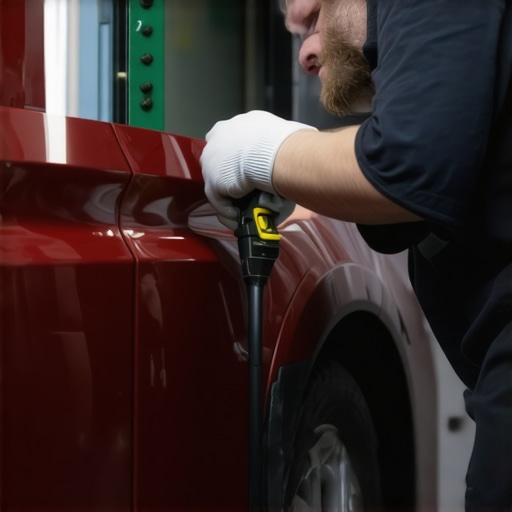 Many enthusiasts and even seasoned professionals often assume that the key to perfect collision repair is simply matching paint and fixing dents. However, this overlooks vital nuances that can make or break the longevity, safety, and value of your vehicle. One common misconception is that using the latest technology alone guarantees a flawless restoration. While advanced tools like paintless dent repair (PDR) or color-matching software are impressive, they cannot compensate for fundamental mistakes like improper frame realignment or neglecting underlying structural damage. In my experience, rushing repairs to save time often results in subpar outcomes, and this is a trap many fall into. When repairs are hastily done, tiny misalignments can lead to uneven tire wear, steering issues, or even safety hazards that are hard to detect without expert inspection. This is why choosing a repair shop that emphasizes precision and thorough diagnostics is critical. Moreover, the myth persists that minor cosmetic fixes are straightforward and don’t require professional oversight. But even small scratches or dents can hide deeper problems, such as compromised safety sensors or rust-prone areas. Overlooking these details can be costly in the long run. A common mistake I’ve seen is ignoring the importance of proper color blending. A perfect color match isn’t just about aesthetics; it’s also about ensuring the paint’s integrity and adhesion. Failing to do this correctly can result in peeling or fading down the line, effectively undoing your repair efforts. For advanced car owners, asking the right questions—like whether the shop performs structural assessments or uses OEM parts—can save a lot of headaches later. Let’s not forget that the real Maintaining your collision repair setup requires reliable equipment and software that can stand the test of time. Over the years, I’ve refined my toolkit to include specific devices that deliver precision and durability. For example, I swear by the use of a digital paint thickness gauge like the Elcometer 319. It’s essential for ensuring proper paint adhesion and matching, especially when dealing with complex color blends. The reason I rely on this model is its high accuracy and rugged build, which makes it a long-term investment rather than a disposable gadget. When I check for underlying structural issues, I prefer laser alignment systems such as the Hunter HawkEye Elite. These tools provide real-time, precise measurements that help prevent long-term problems like uneven tire wear or steering drift. Investing in quality calibration tools like these ensures your repairs are spot-on, reducing the risk of future mishaps and unnecessary rework. To keep your tools in top shape, I recommend creating a maintenance schedule that includes regular cleaning, calibration checks, and firmware updates. This proactive approach minimizes downtime and keeps your equipment performing at peak levels. As technology advances, I predict that digital diagnostics and AI-assisted inspection software will become even more integrated into collision renewal strategies, making repairs faster and more accurate. For now, make sure your current tools are calibrated regularly—this simple step can significantly extend their lifespan and reliability. How do I maintain these tools over time? I perform routine calibration checks using manufacturer-specific diagnostic software and store my devices in climate-controlled environments to prevent corrosion and damage. If you’re serious about long-term results, consider investing in a dedicated maintenance kit for your most-used tools. For example, a toolkit that includes soft cloths, specialized cleaning solutions, and calibration standards can save you money and frustration in the long run. Also, don’t overlook the importance of software updates, as they often include bug fixes, new features, and compatibility improvements that keep your diagnostics current. I encourage you to try out one of these maintenance practices today—calibrating your laser alignment system or updating your paint thickness gauge software—to see immediate benefits in your repair quality. Remember, keeping your tools working perfectly isn’t just about convenience; it’s a crucial step toward delivering flawless, durable repairs that stand the test of time. For more detailed guidance on long-term vehicle reliability, check out Top Transmission Repair Tips for Long-Term Vehicle Reliability and Essential Car Service Checks to Extend Your Vehicle’s Life.
Lessons the Repair Industry Won’t Tell You
- One of the hardest lessons I learned was that rushing repairs can cost you more in the long run. Precision and patience are key, especially when it comes to structural integrity.
- Another insight is that not all paint matches are created equal. Investing in quality color-matching tools saves time and headaches, ensuring your vehicle looks seamless after repair.
- Finally, I realized that understanding the nuances of structural damage can make a difference. Sometimes what looks minor on the surface hides serious issues underneath, which can compromise safety and durability.
Tools and Resources That Changed My Approach
- My digital paint thickness gauge, the Elcometer 319, is indispensable for ensuring proper paint adhesion and color match. Its accuracy has saved me countless rework hours.
- The Hunter HawkEye Elite laser alignment system provides real-time, precise measurements that prevent future steering and tire wear issues, making it a must-have in my toolkit.
- Reading “Auto Body Repair Technology” by John Doe broadened my understanding of advanced repair techniques and introduced me to innovative tools that improve repair quality.
- Regular calibration of my diagnostic tools, along with software updates, keeps my equipment reliable and ensures top-notch repair results every time.
Your Next Step in Collision Repair
Remember, mastering collision repair is a continuous journey. By applying these insider lessons and leveraging the right tools, you can achieve repairs that stand the test of time and safety. Don’t hesitate to take that next step—your vehicle’s future depends on it. Keep learning, stay curious, and enjoy the pride of delivering flawless results.