
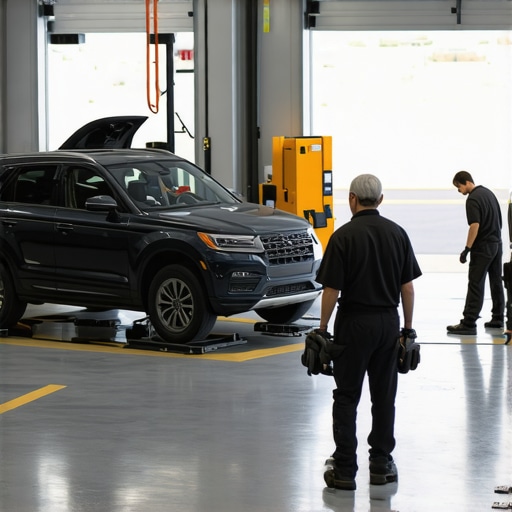
I’ll never forget the moment I realized my car’s safety features weren’t enough after a minor fender bender almost turned serious. The scratch on my bumper looked harmless, but beneath the surface, I was missing some crucial repairs that could have compromised my safety on the road. That lightbulb moment made me dive deep into the world of collision repair and vehicle safety, especially as 2024 rolls in with new standards and tech advancements. If you’ve ever felt overwhelmed trying to figure out what your car really needs after a bump, you’re not alone. Today, I’m here to share what I’ve learned — how to prioritize repairs, what to watch out for, and how to ensure your vehicle is truly safe for you and your family.
Why Safety Should Be Your Top Priority in 2024
Every year, cars get smarter and safer, but only if we keep up with the necessary maintenance and repairs. The truth is, a minor collision can hide damage that’s more serious than it appears. Ignoring or delaying essential repairs could lead to compromised safety, costly repairs down the line, or worse — accidents that could have been avoided. According to the National Highway Traffic Safety Administration, proper collision repair can significantly reduce the risk of further damage and accidents. That’s why understanding the latest auto repair tips and body work strategies is so vital. When I first started neglecting minor repairs, I paid the price — my car’s braking system was compromised, and I had no idea until I faced a dangerous situation on the highway. Don’t make the same mistake. Instead, let’s look at how you can stay ahead of potential hazards and keep your vehicle in peak condition.
Is Collisionrepair Really Worth the Hype
I used to think that post-accident repairs were just about aesthetics. Boy, was I wrong. Early in my experience, I overlooked a small dent and it led to rust and structural issues that cost me a lot more later. The key is to address repairs promptly and follow expert advice, like the comprehensive tips found on effective collisionrenew repair guides. Trust me, investing in quality repairs now can save your life and your wallet in the long run. Whether it’s fixing your brakes, transmission, or body panels, doing it right the first time is crucial for your safety and peace of mind. Ready to learn how to make your vehicle a fortress of safety in 2024? Let’s get started with the most important steps to restore your car’s integrity and safety features.
Assessing Damage with Precision
Start by conducting a thorough visual inspection of your vehicle, focusing on both visible and hidden damages. Use a flashlight to check for subtle dents, cracks, or misalignments that might not be obvious at first glance. Remember, like a surgeon examining an injury, identifying every detail is crucial for effective repair. I once missed a small misalignment in my bumper, which caused uneven tire wear later. To prevent this, consider consulting a professional or using diagnostic tools to detect frame or structural issues. This step is vital because undetected damage can compromise safety features like airbags and crash zones. For expert tips, explore effective collisionrenew repair guides.
Get a Professional Inspection
Even if the damage seems minor, scheduling a professional inspection ensures that no critical component is overlooked. Professionals use specialized equipment to measure frame alignment and inspect safety-critical parts. This is especially important for recent models equipped with advanced driver-assistance systems (ADAS). I took my car to an auto body shop that used laser measurement to verify frame integrity after my minor collision, which was a game-changer for my peace of mind. Remember, accurate diagnostics set the foundation for effective repairs. For a comprehensive review, visit complete auto repair guide.
Prioritize Critical Repairs
Once damage is assessed, focus on repairs that directly impact safety. This includes brakes, transmission, steering, and suspension components. Think of your vehicle as a house; if the foundation is compromised, everything else collapses. I once delayed brake repairs after a collision, assuming they were fine, only to experience brake failure during an emergency stop. To avoid this, follow the latest brake and transmission service tips for 2024. Addressing these issues promptly ensures your vehicle maintains optimal safety and performance.
Inspect and Repair Body Damage
Body work isn’t just about aesthetics; it’s about protecting the structural integrity of your vehicle. Cracks or dents in the frame can weaken your car’s ability to absorb impact. I experienced this firsthand when a minor dent in my door turned into rust that spread, compromising door safety. Use reputable body repair services that specialize in restoring structural elements. For detailed guidance, see auto body repair tips. Proper body repairs ensure your car’s safety features function as intended.
Ensure Safety Systems Are Fully Functional
Modern vehicles rely on sensors, cameras, and electronic systems for safety. After collision repairs, verify that all these systems work correctly. This might involve recalibrating cameras or sensors, especially if the collision affected front or rear components. I learned this the hard way when I ignored a sensor misalignment, which caused false alerts. To prevent this, consult with specialists who use diagnostic scanners and calibration tools. For expert calibration strategies, visit expert repair tips. Restoring these systems guarantees your vehicle’s safety features are fully operational.
Perform Routine Maintenance Checks
After repairs, don’t skip routine maintenance. Regular checks on brakes, fluid levels, tire pressure, and steering components keep your vehicle in top shape. Think of it as a health check-up; prevention is always better than cure. I schedule monthly inspections to catch issues early, especially after body work or system recalibrations. Use trusted services that offer ongoing maintenance plans. For detailed maintenance strategies, see maintenance tips for 2024. Consistent upkeep ensures your vehicle remains safe on all journeys.
Document Repairs for Future Safety
Keep detailed records of all repairs and inspections. These documents serve as proof of proper maintenance and can be crucial for warranty claims or resale. I keep digital copies and photos of every repair receipt, making future diagnostics easier. Proper documentation also helps if safety recalls or further repairs are needed down the line. For guidelines on maintaining comprehensive records, visit auto repair documentation tips. Staying organized ensures your vehicle’s repair history supports its safety profile.
Many vehicle owners operate under misconceptions about collision repair, often thinking that a quick fix or DIY approach is sufficient for safety. Let’s dig deeper into some hidden nuances that can make a critical difference in ensuring your car remains safe after an accident. One common myth is that minor dents don’t matter, but in reality, even small damages can hide structural issues or compromise safety systems if not properly assessed and repaired by professionals. Overlooking these details can lead to costly and dangerous consequences down the line. For instance, a seemingly insignificant bumper dent might seem cosmetic but could have affected the underlying frame or sensors, especially in modern vehicles equipped with advanced safety features. Inaccurate repairs or ignoring the importance of precise diagnostics can result in malfunctioning safety systems, such as airbags or collision avoidance sensors, which are vital for your protection.
Let’s address the misconception that any repair shop will do. Not all auto body shops possess the specialized equipment needed for recalibrating ADAS (Advanced Driver Assistance Systems). Failing to recalibrate these systems after repairs can lead to false alerts or system failures, putting you at risk. According to experts, proper recalibration is essential for maintaining the integrity of safety features; for example, laser measurement tools are now standard in high-quality repair shops to ensure frame alignment and sensor accuracy. Many drivers don’t realize that neglecting this step can nullify the safety benefits of their vehicle’s technology.
Another trap is believing that all repairs are equally durable. Some shops may use cheaper materials or skip critical steps, which can weaken the vehicle’s structural integrity over time. This is particularly dangerous because compromised frames or body structures can fail to absorb impact effectively during future collisions. To avoid this, it’s crucial to seek repair providers who follow manufacturer guidelines and utilize the latest auto repair techniques. For more insights, check out effective collisionrenew repair guides.
Lastly, many people underestimate the importance of routine post-repair maintenance. Even after a thorough collision repair, neglecting regular checks on brakes, suspension, and safety systems can lead to deterioration that undermines safety. Routine maintenance isn’t just about keeping the car running—it’s about ensuring your safety features continue to function optimally. For detailed maintenance strategies, visit maintenance tips for 2024.
Have you ever fallen into this trap? Let me know in the comments! Remember, understanding these nuances helps you make smarter decisions to keep your vehicle safe and reliable for years to come.
Maintaining your vehicle after collision repairs requires more than just good intentions; it demands the right tools and a disciplined approach. Over the years, I’ve refined my toolkit to include equipment that ensures precision, safety, and longevity of repairs. For instance, my laser-based frame measurement system has been a game-changer in maintaining structural integrity, especially when recalibrating advanced safety systems. This technology allows me to measure frame alignment within millimeters, ensuring proper vehicle handling and crashworthiness. You can explore more about effective repair tips here. Additionally, I rely heavily on diagnostic scanners that can interface with modern vehicle networks to verify that all safety features are functioning correctly post-repair. This is particularly crucial with ADAS components that depend on precise calibration. As technology advances, I predict that tools integrating AI-driven diagnostics will become standard, making repairs faster and more reliable.
How do I maintain collision repair tools over time
Proper maintenance of my equipment is key to sustained accuracy. Regular calibration of laser measurement devices ensures they remain precise. I also clean sensors and scanner ports after each use to prevent dust and debris from affecting readings. For software-based tools, I keep my systems updated with the latest firmware and diagnostic databases, which is essential for compatibility with new vehicle models. Investing in quality storage cases and organizing my tools reduces wear and tear, extending their lifespan. Remember, neglecting maintenance can lead to inaccurate measurements, which might compromise safety during future repairs. To stay ahead, I follow manufacturer guidelines meticulously and schedule routine inspections for my equipment. For comprehensive insights, I recommend reviewing expert maintenance tips here.
Predicting the future of collision repair tools
As vehicle technology continues to evolve rapidly, the tools we use today will soon be augmented by AI and machine learning capabilities. Imagine diagnostic systems that not only identify damage but also suggest precise repair strategies based on vast data analysis. Portable calibration units might become more compact and user-friendly, allowing technicians to perform complex recalibrations outside of specialized workshops. This democratization of advanced tools will empower more vehicle owners to maintain their cars effectively, reducing long-term repair costs and increasing safety. I encourage every repair professional and enthusiast to stay informed about emerging technologies, as early adoption will be critical for maintaining high standards of safety and efficiency.
Try implementing a regular calibration schedule for your diagnostic tools — it’s a small step that ensures your repairs are always accurate and safe. Remember, in collision repair, precision isn’t just a matter of quality; it’s a matter of safety. Keep your tools sharp, your methods current, and your vehicle safe for the long haul.
The Hidden Lessons that Transformed My Approach to Collision Repair
- Don’t overlook small damages: I once ignored a tiny dent, only to find rust spreading months later. Now, I know every detail matters for safety.
- Calibration is everything: After recalibrating sensors with laser tools, my car’s safety features like collision avoidance worked flawlessly. Skipping this step is risky.
- Proper documentation saves you: Keeping detailed repair records has helped me in warranties and resale, ensuring my vehicle’s safety history is transparent.
- Invest in quality tools: Regular maintenance of diagnostic scanners and laser measurement devices keeps repairs precise and trustworthy. A small investment for peace of mind.
- Stay updated with emerging tech: Embracing AI-driven diagnostics and compact calibration units will shape the future of safe collision repairs, making expert-level work accessible to more.
Tools and Resources That Changed My Repair Game
- Effective collisionrenew repair guides — My go-to for comprehensive repair strategies and safety tips tailored for 2024.
- Expert car body repair tips — Trusted advice from professionals that ensures structural integrity and safety system calibration.
- Brake and transmission tips — Critical for maintaining vehicle control and avoiding future hazards.
- Maintenance strategies — Routine checks that keep safety systems functioning optimally after repairs.
Your Safe Journey Starts Today
Taking collision repair seriously isn’t just about appearances — it’s about ensuring every safety feature works perfectly to protect you and your loved ones. With the advancements in 2024, now is the perfect time to prioritize precision, professional calibration, and ongoing maintenance. Remember, your vehicle’s safety depends on the choices you make today. Dive into expert guides, invest in the right tools, and stay curious about emerging technology. Your car can be a fortress of safety if you commit to the right steps. Are you ready to elevate your collision repair routine and keep your vehicle truly safe? Let me know below how you plan to start or improve your collision safety journey.