
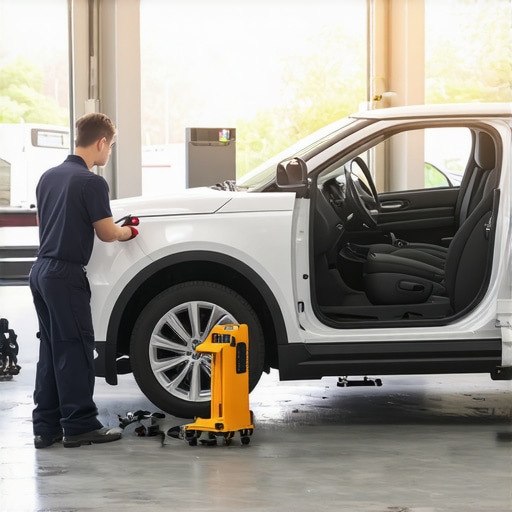
Ever been in the middle of driving, only to be jolted by that annoying rattling noise coming from your car door? I remember the first time I heard it—my stomach sank. After investing time and money into repairs, only to hear these incessant sounds, I felt frustrated. It’s like your car is trying to tell you something’s wrong, but you’re not quite sure what. That lightbulb moment when I finally pinpointed the cause changed everything.
Why Rattles After Repairs Are More Than Just Noise
When a car door rattles after a repair, it’s more than a minor annoyance. It can indicate underlying issues that, if ignored, might lead to further damage or costly fixes down the line. The thing is, many car owners, including myself early on, overlook these sounds, thinking it’s just part of the aging process or a minor misalignment. But statistics show that unresolved rattles can sometimes mask bigger problems—like loose panels or improperly secured components—that compromise safety and reduce the lifespan of your vehicle. According to automotive experts, a persistent rattle often signifies that something isn’t sitting right, which could cause more significant issues if left unaddressed. If you’re like me, you might be wondering, “Is this just a nuisance, or could it be a sign of something serious?” I’ll be honest—I made the mistake early on of dismissing these noises, only to find out later they were signs of improper reassembly. That’s why understanding why your repaired door rattles matter is the first step toward fixing it right.
Have you experienced this kind of rattling after fixing your car door? If so, you’re not alone. The good news is, with a little knowledge and patience, you can address these issues without heading straight back to the shop. In the upcoming sections, I’ll walk you through the common causes of rattles inside a repaired car door and share practical tips on how to silence that noise for good. Because, trust me, once you get to the root of the problem, driving becomes a lot more peaceful and a whole lot more enjoyable.
Inspect the Door Panel Thoroughly
Start by opening the door and gently removing the interior panel using a trim removal tool, similar to disengaging the cover of a complicated gadget. Pay attention to how clips and fasteners are secured; often, a loose clip causes rattling. I once took apart my door and found that a missing clip was the culprit, which I replaced for a quick fix. Be methodical and keep track of all parts.
Check and Tighten All Bolts and Screws
Next, examine all bolts securing the door components, especially around the window regulator and lock mechanism. Use a socket wrench to tighten any that are loose. Think of this as tightening the screws on a piece of furniture—firm but not over-tightened to avoid damage. I learned this the hard way when over-tightening snapped a bolt; so proceed cautiously.
Examine the Door Lock and Latch Assembly
Operate the lock and latch to see if they move smoothly. Lubricate the latch with silicone spray to reduce friction and noise. I applied lubricant and noticed an immediate decrease in rattling sounds. For best results, spray into the latch mechanism, then operate the lock several times to distribute the lubricant evenly.
Inspect the Window Tracks and Weatherstripping
Moving to the window, roll it up and down to identify any misalignment or wobble. Clean and lubricate the tracks with a silicone-based spray to ensure smooth movement. Weatherstripping should be snug and free of tears; replace if worn out. I once found that a torn weatherstrip allowed vibrations that caused noise, so replacing it stopped the rattle entirely.
Adjust the Door Alignment as Needed
If the door appears misaligned, it can cause metal-to-metal contact, generating noise. Loosen the hinges slightly and gently shift the door to better fit the frame, then retighten. Remember, small adjustments make a big difference—like tuning a guitar string. I carefully aligned my door and achieved a much quieter ride.
Test Drive and Fine-Tune
After reassembling, take a test drive to listen for remaining noises. Shake the door panel while driving; if noise persists, revisit the previous steps. Patience and attention to detail are key; it’s often a process of elimination. Once I identified and tightened a slightly loose hinge, the rattling was gone, and my driving experience improved significantly.
For persistent issues stemming from complex internal components, consider consulting professionals or referencing specialized guides. For example, restoring factory gaps after a minor side swipe can be crucial for proper seal and noise reduction (learn more here).
Many car owners believe that routine maintenance is straightforward, but there are nuanced truths that can significantly impact your vehicle’s longevity. For instance, the popular myth that all brake pads wear out at the same rate overlooks the importance of the type of brake pad material and driving habits. Using cheaper, non-organic brake pads might save money initially but can lead to uneven wear and increased rotor damage, ultimately costing more. To avoid this, consider [preventative brake service](https://collisionrenew.com/the-10-tool-that-saves-your-brakes-from-uneven-wear), which ensures consistent brake performance over time.
Another misconception is that transmission fluid never needs changing if the car runs smoothly. In reality, transmission fluid deteriorates due to heat, friction, and time, losing its lubricating properties. Ignoring this can cause transmission slipping or overheating, particularly during towing or stop-and-go traffic. Regular checks and fluid replacement, guided by the manufacturer’s recommendations, can prevent costly repairs and extend your transmission’s life. It’s worth noting that some car owners neglect to consider how the fluid’s condition affects overall vehicle performance, which is a critical oversight. For advanced insights, read about [transmission slip issues when towing](https://collisionrenew.com/why-your-transmission-slips-only-when-you-are-towing).
What’s the impact of overlooked transmission fluid maintenance on long-term reliability?
Understanding the subtle aspects of auto repair, such as the specific noise patterns that indicate underlying issues, can save you money and stress. For instance, a whirring sound that changes with speed often signals bearing problems or a failing differential—important cues to catch early. Experts note that diagnosing these subtle signs requires a trained ear and knowledge of vehicle mechanics, rather than relying solely on visual inspections or generic advice. With advancements in diagnostic tools, such as vibration analysis and sensor data, technicians can identify these hidden problems more accurately now than ever before. Being aware of these nuances allows you to schedule timely repairs, preventing small issues from escalating into major failures. For specific cases, you might find it interesting to explore [signs your rear axle bearings are failing](https://collisionrenew.com/see-the-whirring-sound-change-with-speed).
In the realm of auto service, myths abound that can lead you astray. For example, many believe that car repairs can always be postponed until a warning light appears. However, proactive maintenance can uncover underlying problems before visual or alert signals arise. Regular inspections, especially of critical components like the transmission, brakes, and steering systems, are essential. Delaying service not only increases the risk of unexpected breakdowns but also reduces the longevity of your vehicle.
Have you ever fallen into this trap? Let me know in the comments. By understanding these deeper nuances and avoiding common misconceptions, you’re better equipped to maintain your vehicle effectively, saving money and ensuring safety on the road.Maintaining your vehicle’s performance over the long term requires more than just basic knowledge; it demands the right tools and a systematic approach. From diagnosing sneaky transmission issues to ensuring brake components wear evenly, professional-grade equipment can make a significant difference. One device I personally rely on is a high-quality scan tool like the BlueDriver OBD2 Scanner, which provides detailed error codes and live data. This helps me identify hidden problems early, such as subtle transmission slip signs that could worsen over time. Investing in an ultrasonic leak detector has also proven invaluable for pinpointing vacuum or coolant leaks that cause engine hesitation, a common pitfall overlooked in routine inspections.
Lessons That Changed How I Approach Car Repairs
- One unexpected lesson I learned is that a rattling car door often hints at underlying issues that can compromise safety, reminding me to always pay attention to even the smallest noises after repairs.
- My experience taught me that loose clips and improperly secured components aren’t just annoying—they can lead to more significant damage if ignored, emphasizing the importance of thorough inspections.
- Discovering how adjusting door alignment can drastically reduce noise made me realize that sometimes, small manual tweaks can prevent costly future repairs and improve driving comfort.
Tools and Resources That Boost My Repair Confidence
- The BlueDriver OBD2 Scanner has been invaluable for diagnosing hidden issues early, giving me confidence that I catch problems before they escalate.
- Online guides, especially those on CollisionRenew, have provided step-by-step instructions that empower me to perform minor fixes myself, saving time and money.
- Community forums and expert articles have broadened my understanding of vehicle mechanics, helping me make informed decisions and communicate effectively with professionals.
Drive with Peace: Your Car’s Quiet Voice Matters
Listening to your vehicle and addressing those subtle rattles can save you from unexpected breakdowns and costly repairs. By taking proactive steps, you not only extend your car’s lifespan but also make every drive safer and more enjoyable. Remember, your car’s noises are its way of communicating—so tune in and respond with care. Are you ready to give your vehicle the attention it deserves and untangle those mysterious rattles? Share your experiences below and let’s learn together!