
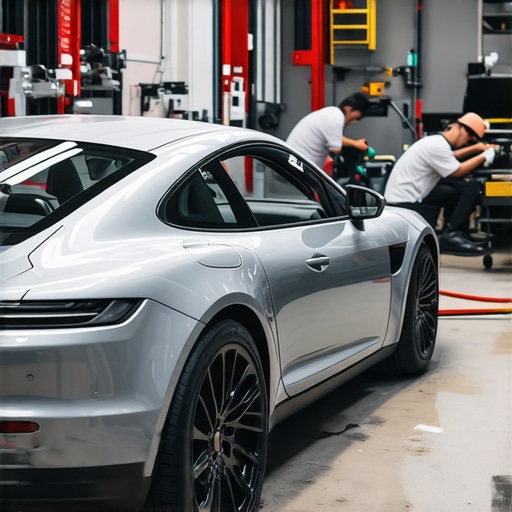
I remember the moment vividly—parking my silver sedan after a quick errand, only to notice that a recent dent now had a visible mismatch in paint color. My heart sank. Here I was, thinking I was doing right by my car, only to realize I had overlooked a crucial detail: the paint on silver cars can be deceptive. The sun was shining just right, highlighting the uneven hue, and suddenly my sleek ride looked years older.
Ever found yourself in a similar spot? A small scrape or collision, and then the headache of mismatched paint that just won’t blend? You’re not alone. I used to think respraying the entire panel was the answer—until I discovered that mismatched paint on silver cars isn’t as straightforward as it seems. There’s a specific art, and some clever Collisionrenew tactics, to restore that perfect, seamless finish.
Today, I promise to share with you some proven strategies I’ve tested in my own garage. We’ll explore how to tackle mismatched paint, especially on those elusive silver hues, without resorting to complete repainting of the entire vehicle. Believe me, I’ve learned from mistakes early on—like rushing to repaint entire sections only to end up with more noticeable color discrepancies. Did you know that many car owners don’t realize the importance of adjusting for clarity and aging in certain paints? According to professional auto paint experts, mismatched paint can occur simply because of UV exposure and paint aging, and fixing it requires more than just a spray can.
If you’ve ever hesitated to take on a repaint project or worried about ending up with visible patches, I’ve got you covered. I’ll walk you through the specific steps to match your car’s factory finish on that beautiful silver surface, saving you time, money, and the frustration of poor results.
But first—have you ever faced this problem with mismatched paint, leaving your car looking uneven or patchy? If so, stay tuned; the methods I’ll share might just be the game-changer you need to get your ride looking showroom-ready again.
Why Matching Silver Paint is Trickier Than You Think
Assess Your Existing Paint Carefully
Start by examining your silver paint’s current condition. Use a clean flashlight to inspect for oxidation, fading, or uneven patches. I once noticed my silver sedan’s hood was duller than the doors, which was a sign I needed to match the surrounding paint precisely. Document the variations—these nuances are critical for a perfect blend and help you understand the aging and clarity issues that can cause mismatches.
Choose the Right Matching Technique
Decide between using a spray-in-place method or blending in a paint booth. For small areas, a targeted blend is often enough. For example, I used a blending method by lightly spray-matching the adjacent panel and feathering the paint outward. This minimizes the color transition and results in a more uniform look. Remember, concentrated color spots will stand out more on silver, which reflects light differently compared to darker shades.
Use the correct color base
Many car owners overlook that silver paints contain metallic flakes that vary with age. Ensure your paint mix includes a base that matches the original factory hue. I have found that ordering custom-mixed paint in small quantities from a specialized dealer yields better results than generic spray cans; this is especially true for metallic or pearl finishes that require precise pigment ratios.
Adjust for Clarity and Aging
Before painting, consider that sunlight and time cause silver paint to lose clarity. Mixing a small amount of clear coat into your base can help restore brightness. I experimented by adding a drop of clear into my touch-up paint, which enhanced the reflective qualities. This step prevents your repair from appearing dull or mismatched due to aging effects, and it’s especially crucial for metallic finishes, which are sensitive to inconsistencies.
Prepare the Surface Rigorously
Thoroughly clean and sand the damaged area to create a smooth, receptive surface. Use a fine-grit paper—around 800-1000 grit—to feather the edges. I learned this the hard way when an uneven surface caused the new paint to bead and gloss differently. Proper preparation ensures that the new layer adheres seamlessly, reducing color mismatches caused by surface imperfections.
Apply Multiple Light Coats
Instead of a thick application, spray multiple thin coats, allowing each to dry fully. This technique, similar to laying bricks carefully, helps build up an even layer that blends with the factory paint. I once approached this by applying four light coats over half an hour, which resulted in a much more consistent finish than a single thick coat. Patience here directly correlates with a professional-looking result.
Sand and Polish Post-Painting
After drying, lightly sand the area with ultra-fine (1500-grit) paper to smooth transitions. Follow with a polishing compound to restore gloss. I applied a light polish using a buffer, which eliminated minor haze and enhanced the metallic shimmer. This step is critical on silver because reflections can highlight uneven textures or color differences, making your repair obvious.
Evaluate and Fine-Tune
Finally, compare your repaired section with nearby panels under natural light. If discrepancies persist, consider a second tinting layer or blending. Remember, matching silver paint isn’t a one-shot effort; patience and gradual adjustments often yield the best results. I once spent extra time doing minor touch-ups, which saved me from costly repainting later.
By following these structured and precise steps—assessing the existing condition, selecting proper techniques, adjusting for aging, and finishing with careful polishing—you can achieve a seamless silver paint repair that restores your vehicle’s aesthetic and value. Embrace the process as an art form, and your patience will pay off with a professional look that rivals original factory finish.
**
For more detailed tips on restoring surface textures, check out [how to restore factory paint texture on plastic bumpers](https://collisionrenew.com/how-collisionrenew-restores-factory-gaps-after-a-small-side-swipe).**Many car owners believe that replacing brake pads or doing routine auto repair is straightforward, but there’s a common misconception that can lead to costly mistakes. For example, many assume that every brake pad is identical, disregarding nuances like material composition, design, and compatibility, which are critical for optimal performance and safety. In fact, **using the wrong type of brake pads for your vehicle can cause uneven wear or squealing**, especially if you haven’t matched the pads to your driving habits or vehicle specifications.
One often overlooked nuance is the importance of bedding in new brake pads properly. Failing to do so can lead to glazing, where the pad surface becomes smooth and reduces braking effectiveness. The correct bedding process involves specific patterns and heat cycles, which many overlook, resulting in diminished brake performance over time. Check out [the correct way to bed in new brake pads](https://collisionrenew.com/the-correct-way-to-bed-in-new-brake-pads) to ensure safety and longevity.
Beyond the basics, advanced car repair requires understanding the hidden factors that influence system performance. For example, many think a shuddering or vibrating steering wheel during braking points solely to warped rotors, but often, **caliper pistons sticking due to corrosion or debris are the real culprits**. Proper diagnosis involves inspecting the entire brake assembly rather than just replacing the rotors. This nuanced approach can prevent repeated repairs and save you money.
Why do some brakes still squeal after replacement
Natural material incompatibilities, improper installation, or contaminated components can cause persistent noise, which isn’t just annoying but indicates underlying issues. An expert approach involves checking for improperly lubricated contact points, uneven pad seating, or dust buildup. Also, be aware that aggressive driving or exposure to elements like salt can accelerate caliper corrosion, leading to uneven brake wear and noise. Consult [this guide](https://collisionrenew.com/the-secret-to-removing-salt-stains-from-your-car-carpet) about environmental effects on vehicle components for a comprehensive view.
Many car owners overlook that **a burning rubber smell under the hood during braking** can signal issues like worn-out brake components or the need for proper brake bed-down. It’s essential to recognize these early warning signs to avoid brake failure. For a deeper insight into brake-related smells, see [this resource](https://collisionrenew.com/the-real-cause-of-a-burning-rubber-smell-under-your-hood).
Finally, advanced suspension or wheel bearing issues can mimic brake problems but require distinct solutions. For example, a popping noise over bumps might seem unrelated but can be caused by loose or damaged wheel bearings, which should be diagnosed correctly to prevent further damage. Learn more about identifying wheel bearing sounds [here](https://collisionrenew.com/the-specific-sound-your-wheel-bearing-makes-before-it-fails).
By mastering these nuanced elements—matching brake components, proper bedding, thorough diagnosis, and environmental considerations—you elevate your auto repair from basic to professional-grade. It’s about understanding that every detail, no matter how small, impacts safety and durability. Are you ready to dig deeper into your vehicle’s needs? Have you ever fallen into this trap? Let me know in the comments.
Invest in Quality Diagnostic Tools for Long-Term Car Care
As a dedicated car owner, I can’t emphasize enough the importance of having reliable diagnostic equipment on hand. The 10 tools every car owner needs guide detailed in Collisionrenew’s resource is a goldmine. I personally rely on a high-quality OBD-II scanner, like the BlueDriver, which offers comprehensive real-time data and fault code reading. This tool has revolutionized my maintenance routine, allowing me to identify issues before they escalate, saving me time and money over the years.
Use Precise Tools to Maintain Transmission Health
When it comes to transmission maintenance, having the right equipment makes all the difference. I recommend a good transmission fluid tester with clear, digital readings. Regularly checking your fluid ensures you catch leaks or contamination early, extending the life of your transmission. In the future, the trend points toward smart, wireless sensors integrated with your smartphone, providing continuous health reports about vital components.
How do I keep my auto repairs effective over time?
Consistent use of advanced tools, combined with routine inspection schedules, guarantees that your repairs and maintenance sustain their effectiveness. For instance, routinely verifying tire pressure with a digital gauge can prevent uneven wear that might otherwise go unnoticed. Incorporate a detailed maintenance log and set reminders for component replacements based on manufacturer specs. Remember, combining proper tools with scheduled check-ups ensures your car remains reliable, safe, and efficient for the long haul.
As we look ahead, digital diagnostics and AI-powered monitoring systems are expected to become standard, allowing proactive maintenance that anticipates failures before they happen. Embrace these technologies now to stay ahead in your vehicle care.
Don’t forget, mastering your tools’ capabilities maximizes their benefits. For example, regularly updating your diagnostic software ensures compatibility with newer vehicle models and software improvements, which can be accessed through the manufacturer’s app or website. Start with one of the recommended devices today—your car’s health depends on it!
Over the years, I’ve discovered that tackling silver paint imperfections is as much an art as it is a science. One of the biggest lessons I learned is that rushing to fix mismatched paint often leads to more noticeable discrepancies, especially on metallic finishes that reflect light dynamically. Patience and precision in preparation and application are essential to achieve a seamless blend and preserve your car’s sleek appearance.
Another insight is the importance of understanding that silver paints can age uniquely, with UV exposure and environmental factors causing subtle changes in clarity and hue. Recognizing these nuances allows for better matching and longer-lasting repairs, saving headaches down the line. Using custom-mixed paints tailored to your vehicle’s specific finish can make all the difference in restoring that factory shine.
Finally, I realized that post-paint care—like careful polishing and lightly sanding the repaired area—can dramatically enhance the final result. It’s tempting to think one coat is enough, but multiple thin coats, combined with proper finishing techniques, blend the repair into the original surface almost invisibly. Remember, the key lies in attention to detail and embracing the process as a form of craftsmanship.
My Favorite Tools and Resources for Silver Car Touch-Ups
For anyone serious about perfecting their silver paint repairs, I highly recommend investing in a quality color-matching spray gun and a set of micro sandpapers (like 1500-2000 grit) for finishing touches. These tools give you more control and a smoother final appearance. Additionally, exploring resources such as Collisionrenew’s techniques for matching aged finishes has provided invaluable tips. Books like Automotive Refinishing Techniques by Bob McKee offer in-depth knowledge that complements hands-on practice, helping you understand color theory and application nuances better.
Keep Pushing Your Repair Skills Forward
Taking on paint repairs is a rewarding challenge—each successful project boosts your confidence and saves you money. My advice is to view each repair as a learning experience, refining techniques and understanding materials along the way. With patience and the right resources, you’ll be surprised at how professional your results can become. Remember, mastering silver paint restoration isn’t just about fixing a dent; it’s about preserving the beauty and value of your vehicle through craftsmanship and dedication.
Are you ready to take your car care to the next level? Share your stories or ask questions below—I’d love to hear about your experiences with automotive paint touch-ups!