
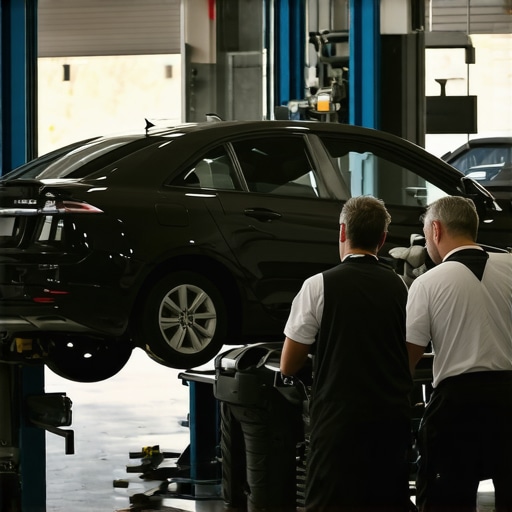
Ever had that sinking feeling after a minor bump, wondering if your car will ever be the same? I remember the first time I faced a fender bender and rushed to the nearest auto shop. I thought, “How complicated can fixing a dent be?” Turns out, a lot more than I expected. The wrong repair can compromise safety and even lead to more costly fixes down the line. That lightbulb moment taught me a valuable lesson: knowing the right auto body repair tips isn’t just about aesthetics, it’s about your safety on the road. Today, I want to share some practical, effective collision repair strategies that can make all the difference in 2024. Trust me, these are tips I wish I knew from the start, and I believe they can save you from the headaches I experienced.
Why Now Is the Time to Master Collision Repair for Safety
With the increasing complexity of modern vehicles, especially with new safety features and advanced materials, understanding auto body repair is more crucial than ever. A mishandled repair not only looks bad but can also undermine your car’s ability to protect you during an accident. Did you know that improper repairs can lead to increased crash risks? According to the National Highway Traffic Safety Administration, vehicles with poorly repaired body damage are at a higher risk of secondary accidents due to compromised structural integrity. That’s why staying informed about the best collision repair practices in 2024 isn’t just smart — it’s essential. If you’ve ever wondered whether your repairs are up to par or how to choose reliable service, you’re not alone. Many drivers face this dilemma, especially with the rise of DIY tutorials that can sometimes do more harm than good. But don’t worry — I’ve been there, made my share of mistakes early on, like trusting a quick fix that looked good but wasn’t safe. That’s why I want to guide you through proven methods and resources that will keep your vehicle safe and reliable.
Is Skipping Professional Repair Worth the Risk?
Honestly, I used to think I could save money by skipping professional repairs and going for quick fixes. Big mistake. The damage might look minor, but underlying structural issues can lurk beneath the surface. This mistake cost me more in the long run, both financially and in terms of safety. It’s vital to know when to seek expert help, especially for complex repairs involving airbags, sensors, or frame alignment. For comprehensive insights on top-rated collision repair strategies, I recommend checking out these trusted repair tips for 2024. They outline what to look for and how to ensure your repairs are safe and thorough. Remember, a good repair isn’t just about fixing the visible damage — it’s about restoring the vehicle’s safety features and structural integrity. So, have you ever skipped a professional repair and regretted it later? If so, stay tuned — I’ll be sharing how to avoid those pitfalls with practical, effective steps that will keep you safe on every journey.
Assess the Damage Carefully
Start by inspecting your vehicle thoroughly, focusing on both visible and hidden damage. Use a flashlight to check the frame, undercarriage, and hidden panels for dents, cracks, or misalignments. Remember, superficial fixes might hide underlying issues that could compromise safety later. Once you’ve identified the problem areas, document everything with photos — this will help when consulting professionals or insurance adjusters.
Use a Magnet to Detect Structural Weaknesses
A simple but effective trick I used was a magnetic tool to detect inconsistencies in the metal. If the magnet doesn’t stick firmly in certain spots, it might indicate weakened structural areas that need reinforcement. This is especially useful after minor impacts where damage isn’t immediately obvious.
Choose the Right Repair Shop
Don’t just pick the closest or cheapest option. Look for certified shops with experience in modern vehicle repair, especially those familiar with advanced safety features. Check reviews and ask for before-and-after photos of similar repairs. I once trusted a local shop that looked promising but lacked the necessary expertise — the repair ended up causing alignment issues that took more money and time to fix. Visit this resource to learn how to select top-rated collision repair services in 2024.
Prioritize Frame and Structural Repairs
The backbone of your vehicle’s safety is its frame. If your car has suffered a collision, ensure that the repair process includes precise frame alignment. Use a frame machine — a device that acts like a giant skeleton to straighten the vehicle’s structure. I saw firsthand how a misaligned frame can cause uneven tire wear and reduce crashworthiness. Always ask your repair technician if they use modern equipment for this step.
Learn About New Materials and Technologies
Modern vehicles now incorporate aluminum, composites, and smart sensors that influence repair procedures. Familiarize yourself with these materials to avoid improper fixes. For example, welding aluminum requires specific skills and tools. Skipping this step can weaken the repair and endanger safety. For detailed insights, check out this guide.
Verify the Quality of Repairs
Once repairs are complete, don’t just accept the work at face value. Conduct a test drive, paying attention to steering, braking, and any unusual noises. Use a level surface to check for uneven ride height, which could indicate misalignment. I always recommend bringing your vehicle to a trusted mechanic for a post-repair inspection to ensure everything is up to standard. It’s worth the extra effort to guarantee your car’s safety features are fully functional.
Test Safety Features
Engage your vehicle’s safety systems like airbags, ABS, and lane assist. Many modern cars require calibration after body repairs; failure to do so can result in malfunctioning safety features. Consult your manual or a professional to verify that all sensors and systems are correctly calibrated.
Maintain Your Vehicle Regularly
Collision repair is just the beginning. Regular maintenance such as brake checks, tire rotations, and fluid replacements keeps your car in optimal safety condition. For comprehensive maintenance tips, visit this resource. Staying proactive prevents minor issues from turning into major safety hazards down the road.
By following these concrete steps, you can ensure your vehicle remains safe and reliable after a collision. Proper assessment, choosing qualified repair shops, understanding modern materials, verifying quality, and maintaining your car are all crucial to safeguarding your journey in 2024 and beyond.
Many car owners believe that they can handle minor collision repairs themselves, especially with the abundance of DIY tutorials online. While it might seem cost-effective and straightforward at first glance, this mindset often leads to overlooked nuances that can jeopardize your vehicle’s safety and longevity. Let’s dig deeper into what most people get wrong about collision repairs and how to avoid common pitfalls.
Why DIY Repairs Can Be More Harmful Than You Think
Everyone is tempted to fix a small dent or scratch on their own, thinking it’s just a cosmetic issue. However, the reality is that superficial fixes can mask underlying structural damage, especially to the frame or safety features. For example, improper patching or filler application can weaken the metal, leading to increased crash risks. Industry experts warn that such shortcuts might save money initially but result in more costly repairs or safety hazards later. This is why consulting professionals who use advanced tools, like frame machines, is crucial. Remember, a proper repair restores not just the appearance but also the integrity of your vehicle’s safety systems.
Common Myths About Collision Repair That Are Still Believed
One widespread myth is that all repairs are equally effective regardless of the shop you choose. In truth, not all repair shops have the same level of expertise, especially with modern vehicles that incorporate aluminum, composites, and smart sensors. Another misconception is that paintless dent repair (PDR) can fix all types of damage. While PDR is excellent for minor dents, it doesn’t address structural issues or frame misalignments, which are critical for safety. Believing these myths can lead to inadequate repairs, risking your safety on the road.
Beware of the Overconfidence Trap During Structural Repairs
A common mistake is assuming that minor frame misalignments aren’t serious. Even a small deviation can significantly compromise the vehicle’s crashworthiness. Advanced techniques like laser measurement and frame straightening are necessary to ensure precision. Skipping these steps or trusting a shop without proper calibration tools can leave your vehicle vulnerable. As research from safety authorities emphasizes, precision in structural repairs is essential for optimal crash safety. So, don’t underestimate the importance of technical expertise and proper equipment. For more insights, check out these collision repair tips for 2024.
Have you ever fallen into this trap? Let me know in the comments. The key is to recognize that collision repair isn’t just about cosmetic fixes; it’s about safeguarding your life and those of your loved ones. Be cautious, choose experienced professionals, and never assume that a quick fix guarantees safety.
Maintaining your vehicle’s performance and safety after collision repairs requires more than just a good repair job. Equipping yourself with the right tools and adopting effective maintenance strategies can extend the lifespan of your repairs and ensure your car remains reliable on the road. From specialized diagnostic software to professional-grade cleaning equipment, I’ll share the tools I swear by to keep my vehicle running smoothly long-term.
Precision Diagnostics with Advanced Software
One of the most critical investments I’ve made is in a reliable OBD-II scanner paired with professional diagnostic software like Autel MaxiCOM or BlueDriver. These tools allow me to monitor my vehicle’s sensors, engine performance, and safety systems in real-time. Regular scans help catch issues early—like subtle sensor malfunctions or calibration drifts—before they turn into costly repairs or safety hazards. As vehicles become more complex with integrated safety features, using high-quality diagnostic tools is no longer optional but essential. Looking ahead, I predict that AI-powered diagnostic apps will become more accessible, providing even deeper insights without the need for expensive equipment.
Use of Precision Alignment Tools
After structural repairs, maintaining proper wheel alignment is crucial for safety and tire longevity. I rely on a portable laser alignment system like Hunter Hawkeye. This tool allows me to verify and adjust my wheel angles accurately at home or on the go, saving trips to the shop. Proper alignment ensures even tire wear and optimal handling, which are vital for safety after collision repairs. As technology advances, I expect more affordable, user-friendly alignment tools to become available for DIY enthusiasts, bridging the gap between professional and personal maintenance.
Quality Cleaning and Inspection Equipment
Keeping your vehicle clean isn’t just about aesthetics—dirt and debris can hide issues like rust or corrosion, especially after repairs. I use a combination of microfiber detailing cloths, compressed air, and a gentle yet effective cleaning solution like Meguiar’s detailing sprays. Regular cleaning allows me to inspect the vehicle closely for any signs of wear or damage that could compromise safety. Additionally, a high-powered flashlight helps me examine hidden areas, ensuring no damage goes unnoticed. As vehicle materials evolve, I anticipate more eco-friendly, advanced cleaning solutions will emerge, making maintenance both effective and sustainable.
How do I maintain my vehicle over time?
The secret to long-term vehicle health is consistent maintenance. I schedule regular inspections of safety features like airbags, sensors, and brakes, especially after collision repairs. Using the best maintenance tools and techniques, I perform routine checks on brakes, transmission fluid, and suspension components. Staying ahead of potential issues not only extends the life of your repairs but also keeps you safe on the road. Remember, investing in quality tools and adopting a disciplined maintenance routine can make all the difference in preserving your vehicle’s integrity for years to come.
If you’re serious about maintaining your car’s safety and performance, I highly recommend trying out a professional-grade diagnostic scanner and a precision alignment tool. These investments will empower you to catch issues early, save money, and ensure your vehicle remains in top condition. Keep your vehicle working hard for you—because safety and reliability are worth it.
The Hardest Lesson I Learned About Auto Body Repair
After years of DIY fixes and trusted shops, I quickly discovered that rushing repairs can compromise your safety. One time, I trusted a quick patch that looked fine but ended up weakening my vehicle’s frame, risking lives on the road. That experience taught me that precision and professional expertise are non-negotiable for collision repair safety.
My Essential Toolkit for Vehicle Safety
Investing in quality diagnostic tools like professional-grade scanners and precision alignment equipment such as Hunter Hawkeye transformed my maintenance routine. These tools help me catch issues early and ensure restorations meet safety standards, giving peace of mind every time I hit the road.
Your Turn to Prioritize Safety
Now, I challenge you to take collision repair seriously. Verify your repairs, consult experienced professionals, and stay informed about modern vehicle materials and systems. Your safety depends on it. Remember, proper repair and maintenance are investments in your well-being, not just your car’s appearance.
Have you ever underestimated the importance of professional collision repair? Share your experiences below, and let’s learn from each other to stay safe in 2024 and beyond.