
I remember the moment clearly. I was driving home after a long day, the rain was coming down hard, and suddenly my brakes felt less responsive than usual. That sinking feeling of vulnerability hit me hard. It was a lightbulb moment—realizing that neglecting proper auto care can turn a routine drive into a dangerous gamble. I’ve learned from my mistakes, and today, I want to share how strategic brake and transmission maintenance can make all the difference in 2024.
Why Your Car’s Brakes and Transmission Matter More Than Ever
In recent years, the roads have become more unpredictable. With more vehicles, distracted drivers, and weather extremes, your vehicle’s safety systems need to be in top shape. Proper auto care isn’t just about avoiding breakdowns; it’s about ensuring your safety and that of your loved ones. Expert strategies for brake and transmission service are no longer optional—they’re essential. When I first overlooked this, I paid the price with costly repairs and, more importantly, a close call that could have been deadly. That wake-up call prompted me to delve deeper into effective maintenance practices. If you’ve ever faced a sudden brake failure or transmission slip, you know what I’m talking about. Thankfully, with the right approach, you can prevent such scares. Curious how? Keep reading, and I’ll show you how to stay ahead of the curve with trusted tips and services.
Is Your Car Ready for the Road Risks of 2024?
Early on, I made the mistake of ignoring routine check-ups, thinking they were just unnecessary expenses. Turns out, those small oversights can snowball into major issues. Regularly scheduled services like essential transmission and brake services are designed to catch problems before they become dangerous. Neglecting them is one of the most common mistakes drivers make that compromise safety. Did you know that according to a recent study, properly maintained brakes can reduce stopping distances by up to 30%? That’s a game-changer. As someone who’s been there, I want to help you avoid the costly pitfalls I fell into. In the next sections, I’ll guide you through practical, proven strategies to keep your vehicle performing at its safest in 2024, ensuring peace of mind on every trip.
Start with a Precise Inspection
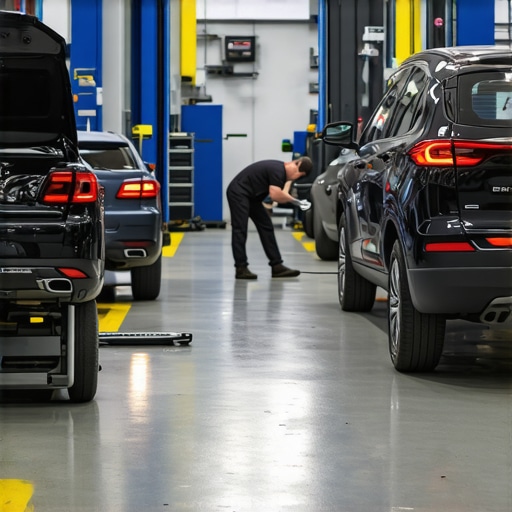
My first step was a detailed inspection, much like a doctor performing a full check-up before prescribing medicine. During one routine visit, I watched a technician meticulously examine my brake pads and transmission fluid levels. That day, I learned that early detection of wear and tear prevents costly repairs and safety risks. It’s crucial to schedule professional inspections at least twice a year, focusing on brake system components such as rotors, calipers, and brake pads, as well as transmission fluid quality and levels. Regular checks ensure you catch issues before they escalate, especially with the unpredictable driving conditions of 2024.
Use the Right Tools for Accurate Diagnosis
Invest in a quality diagnostic scan or have your mechanic do it. Think of it as a thermometer for your car’s health. During my own maintenance, I used an OBD-II scanner to identify hidden transmission error codes that weren’t obvious during a test drive. This simple step can reveal problems with sensors, transmission slippage, or brake system faults early on. For DIY enthusiasts, having a reliable scanner and understanding how to interpret error codes can save time and prevent dangerous surprises on the road.
Prioritize Routine Maintenance Tasks
Next, I set a strict schedule for essential services. For instance, I replaced my brake fluid every 20,000 miles, following the manufacturer’s recommendations. Brake fluid absorbs moisture over time, which can cause brake failure. Similarly, I scheduled transmission fluid changes every 30,000 to 60,000 miles, depending on driving habits. These routine services are like changing the oil in an engine—they keep vital systems running smoothly and extend their lifespan. Consistency here is key; neglecting these steps is akin to ignoring warning lights on your dashboard.
Choose Trusted Auto Service Providers
In my experience, working with reputable shops that specialize in brake and transmission services makes a real difference. I once took my car to a shop with glowing reviews and was impressed with their transparent approach. They used high-quality parts and explained every step of the repair process. For the best results, look for providers who follow manufacturer guidelines and offer warranties on their work. Proper auto care isn’t just about quick fixes; it’s about building a partnership with professionals dedicated to your safety.
Adopt a Proactive Maintenance Routine
Don’t wait for warning signs like squealing brakes or slipping gears. I learned that proactive maintenance prevents emergencies. Set reminders for fluid checks, pad replacements, and system diagnostics. For example, I used a calendar app to schedule biannual visits, which helped me stay ahead of potential issues. Consistent maintenance is like regular exercise for your body—it keeps everything functioning optimally and reduces the risk of breakdowns during critical moments.
Stay Informed with the Latest Auto Care Tips
Finally, I kept myself updated with the latest auto repair tips by visiting trusted websites and reading about new service technologies. For instance, newer brake pads with ceramic compositions last longer and perform better under extreme conditions. Staying informed allows you to ask the right questions and make smarter decisions about your vehicle’s care. Remember, in 2024, auto safety isn’t just about reactive fixes—it’s about being proactive and educated.
Many car owners believe that routine maintenance is just about replacing parts when they break down. However, this oversimplification can lead to costly mistakes and unsafe driving conditions. Let’s dig deeper into what most people get wrong about auto transmission and brake maintenance and reveal the nuances that expert mechanics swear by.
Why Routine Checks Are Not Enough for Modern Vehicles
Contrary to popular belief, simply following the manufacturer’s recommended service intervals isn’t always sufficient, especially for high-mileage or complex cars. Modern vehicles often have sophisticated sensors and control modules that can hide underlying issues until they become serious problems. For instance, a transmission might show no symptoms during a quick visual inspection but could be silently slipping due to fluid degradation or sensor malfunction. This is why relying solely on scheduled maintenance without diagnostic scans can be a trap. According to automotive experts, early detection through comprehensive diagnostics can save you from expensive repairs and dangerous failures. Explore advanced diagnostic strategies to stay ahead of trouble.
The Common Myths About Brake and Transmission Repairs
One widespread myth is that brake pads or transmission fluid only need replacement when they’re visibly worn or dirty. In reality, many components wear out gradually and silently. For example, brake fluid can absorb moisture over time, reducing its boiling point and impairing braking performance before any visible signs appear. Similarly, transmission fluid can degrade chemically without changing color or smell, especially if the vehicle is driven under extreme conditions. Relying on visual cues alone is a dangerous game. Instead, regular professional testing ensures optimal safety and performance.
What Most Drivers Overlook When Maintaining Their Car
Most car owners overlook the importance of system calibration and software updates. Modern transmissions and brake systems often depend on electronic controls that require calibration after repairs or part replacements. Failure to re-calibrate can lead to subpar performance, increased wear, or even safety hazards. Additionally, manufacturers release software updates that improve system reliability and safety. Ignoring these updates can leave your vehicle vulnerable to bugs or outdated protocols, which could compromise safety in unpredictable 2024 road conditions. For an advanced approach, consider asking your mechanic about system calibration and software updates.
Have you ever fallen into this trap? Let me know in the comments. Staying aware of these hidden nuances can make a significant difference in your vehicle’s longevity and safety. Remember, expert auto care isn’t just about replacing parts—it’s about understanding your vehicle’s complex systems and maintaining them proactively for safer driving.
Maintaining your vehicle’s brakes and transmission over time requires more than just routine visits to the mechanic. Investing in the right tools and adopting effective methods can save you money and keep your car performing at its best. One of my go-to equipment pieces is a high-quality OBD-II scanner. I personally use the BlueDriver because it provides detailed diagnostics and can interpret complex error codes, making it invaluable for early detection of issues like transmission slip or brake sensor faults. This device allows me to monitor my vehicle’s health regularly without costly trips to the shop, ensuring I stay ahead of problems. For those interested in proactive auto care, a reliable scanner is an essential addition to your toolkit; it’s a game-changer in diagnosing hidden issues before they become dangerous, aligning perfectly with the trend toward smarter, data-driven maintenance strategies for 2024.
Another crucial tool is a fluid extraction pump. I prefer the Mityvac because it simplifies the process of changing transmission fluid and brake fluid, especially in tight engine bays. This tool ensures a thorough replacement, preventing old, contaminated fluid from compromising system performance. Regular fluid changes with a quality pump extend the lifespan of your components and improve safety, which is why I recommend it for anyone serious about vehicle upkeep. As auto technology advances, tools like these will become even more sophisticated, incorporating digital sensors and connectivity to automate and optimize maintenance routines.
To keep your brakes and transmission calibrated after repairs, a scan tool with calibration capabilities is essential. I’ve found the Autel MaxiSys to be effective because it supports a wide range of vehicle makes and models, allowing me to reprogram or calibrate systems as needed. Proper calibration ensures that electronic components function correctly, preventing issues like uneven brake pad wear or transmission miscommunication. With software updates rolling out frequently, having a tool that stays current is vital. Future trends suggest that auto repair will lean heavily on such multi-functional devices, integrating diagnostics, calibration, and software updates into one seamless platform—making maintenance more precise and less time-consuming.
How do I maintain these tools over time? I recommend routine cleaning with contact-safe electronic cleaner and storing them in a protective case to prevent damage. Regularly updating their firmware or software also keeps your diagnostic tools compatible with the latest vehicle systems. As technology evolves, so will these tools, incorporating AI-driven diagnostics and cloud connectivity to provide real-time insights and maintenance recommendations—an exciting development for 2024 auto care enthusiasts. To get started, try updating your scanner’s firmware today and see how it can help you catch potential issues early, saving you money and ensuring your vehicle stays safe on the road.
Lessons from the Trenches That Changed My Perspective
- One of the biggest revelations was realizing how silent failures can be. My transmission showed no warning signs until it suddenly slipped, costing me a lot of money and peace of mind. Regular diagnostics can catch these issues early, saving you a fortune and keeping you safe.
- I learned the hard way that visual inspections alone aren’t enough. Brakes and transmission components can degrade internally without visible clues. Investing in professional diagnostics and quality tools is a game changer.
- Personal experience taught me that proactive maintenance isn’t just about safety; it’s about confidence. When I kept up with fluid changes and system calibrations, I felt more in control on the road, especially with the unpredictable conditions of 2024.
Tools and Resources That Make a Difference
- OBD-II Scanners: Devices like BlueDriver have empowered me to monitor my vehicle’s health in real time. They help identify hidden issues early, making DIY diagnostics accessible and effective.
- Fluid Extraction Pumps: Using tools like Mityvac simplifies routine fluid changes. Regularly replacing transmission and brake fluid with quality pumps extends component life and boosts safety.
- Calibration and Diagnostic Software: The Autel MaxiSys has been invaluable in recalibrating electronic systems after repairs. Staying current with software updates ensures my vehicle performs optimally and safely.
- Educational Resources: Websites like Expert Auto Repair Tips keep me informed about the latest maintenance strategies, helping me make smarter choices.