
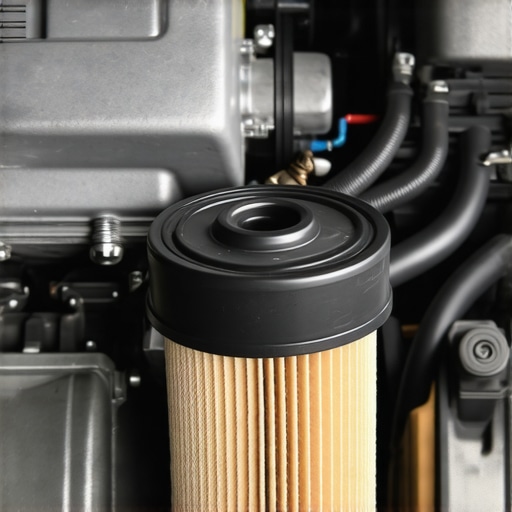
I remember the exact moment I knew I was in trouble with my car. It was a chilly morning, and as I shifted into drive, my transmission hesitated, almost as if it was unsure whether to engage. That small, almost imperceptible jerk made me think, “What’s going on under the hood?” Later, I discovered the culprit wasn’t anything fancy—it was a dirty air filter. That lightbulb moment opened my eyes to a sneaky cause of transmission issues that many car owners overlook.
Why Neglecting Your Air Filter Can Lead to Transmission Troubles
Most folks focus on oil changes, tire rotations, or brake pads when it comes to regular maintenance. But the air filter? Often, it gets ignored—until the engine starts acting up. Here’s the thing: a clogged air filter doesn’t just reduce fuel efficiency or cause rough idling. It can subtly mess with your transmission shift points, making your driving experience jerky and uncomfortable. You see, when your engine isn’t getting enough clean air, it struggles to create the proper air-fuel mixture. This causes the engine to work harder and can send confusing signals to the transmission control module. Over time, this stress can lead to shifting problems, similar to the way a misaligned or dirty component in the system can throw off the entire operation.
From personal experience, I learned that the problem often begins small—slight delays, odd shifts—but if left unchecked, it can cause real damage. The good news is, with a simple air filter replacement, many of these issues can be resolved before they escalate. That’s what I want to share today: how neglecting a dirty air filter can sabotage your transmission and what you need to do to fix it.
Is Your Transmission Troubles Just a Dirty Filter Wrecking Your Ride?
Early in my repair journey, I made a classic mistake—assuming all shifting issues stemmed from transmission fluid or mechanical failure. I ignored the basics, like checking the air filter, and paid the price with more complicated repairs. It’s a common trap, and honestly, it’s easy to fall into if you’re not aware. That’s why I emphasize understanding how such simple maintenance acts as a foundation for your vehicle’s health. If you’re curious whether your own car’s troubles could be due to something as straightforward as a clogged air filter, keep reading. We’ll go through the signs, the diagnosis, and the fix to ensure your transmission runs smoothly without unnecessary repairs.
Locating and Accessing the Air Filter
Start by opening your vehicle’s hood and finding the air filter housing, often a black plastic box secured with clips or screws. If you’re unsure, consult your owner’s manual for the exact location. Use a socket wrench or your hands to undo any fasteners holding the cover in place. For example, I once struggled temporarily with a stubborn clamp, but applying a bit of penetrating oil made removal smoother.
Removing the Old Filter Carefully
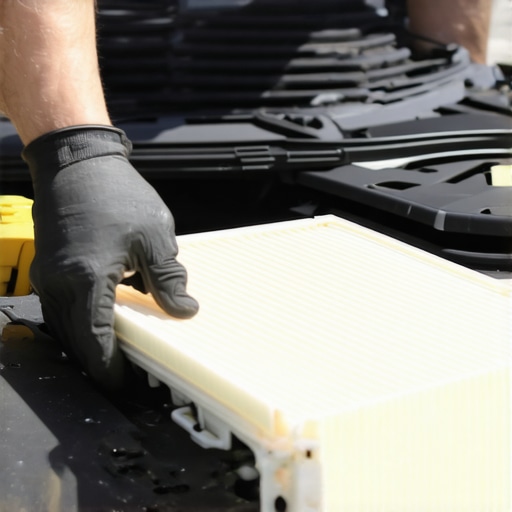
Once the housing is open, gently lift out the dirty filter. Take note of its orientation so you can install the new one correctly. Be cautious not to knock debris into the intake manifold or surrounding components. I learned this the hard way when I accidentally dropped dust into the intake, causing a brief engine hesitation afterwards.
Choosing the Correct Replacement Filter
Verify the specific filter size and type for your vehicle, which can be found in your owner’s manual or on the existing filter itself. Opt for high-quality filters from reputable brands to ensure optimal airflow. Remember, a low-cost filter may seem appealing but can quickly become clogged and cause engine strain.
Installing the New Air Filter
Insert the new filter into the housing, ensuring it fits snugly in the correct orientation. Close the cover securely, listening for a click or tightening fasteners as needed. Proper installation guarantees that unfiltered air doesn’t bypass the filter and enter the engine, which could mimic issues caused by transmission stress.
Maintaining a Regular Replacement Schedule
Check your vehicle’s maintenance schedule to replace the air filter typically every 15,000 to 30,000 miles, or more frequently if driving in dusty environments. I once postponed a filter change during a long road trip, which resulted in sluggish throttle response—an easy fix once I replaced it. Staying on top of this simple step keeps your engine and transmission running smoothly, preventing fuel inefficiency and mechanical stress.
Monitoring Performance After Replacement
After installing the new filter, pay attention to how your car drives. Notice if shifts are smoother or if the engine responds more readily. If issues persist, consider inspecting other components like the transmission fluid or consulting a professional. But more often than not, a clean air filter is the first step towards diagnosing and solving transmission trouble early on. For related maintenance tips, see how to address transmission slip issues caused by neglect.
Breaking the Myth of Quick Fixes
Everyone loves a speedy repair, but in reality, many car owners fall for the misconception that replacing a single component—like brake pads or a transmission solenoid—solves all problems instantly. The truth is, modern vehicles operate as interconnected systems, and fixing one part without considering the whole can lead to recurring issues. For example, a worn-out clutch might cause slipping, but if the transmission fluid is overdue for a change, the problem will persist despite the new clutch. Advanced diagnostics often reveal that addressing the root cause, rather than just symptoms, is the key to lasting repairs.
Beware of the ‘Set and Forget’ Maintenance Approach
Many drivers believe that following the manufacturer’s maintenance schedule guarantees trouble-free operation forever. However, this approach overlooks nuances like driving conditions, climate, and vehicle age, which can accelerate wear. For instance, frequent short trips create moisture buildup in the transmission fluid, worsening its condition quicker than the schedule suggests. Regularly inspecting critical components like brake fluid or steering linkage—beyond just the recommended intervals—can save you from costly breakdowns. Keep in mind that neglecting such nuances often results in premature failures, as highlighted by experts in automotive maintenance standards.
Advanced Mistake: Assuming All Noise Means Immediate Replacement
Now, let’s tackle a common misconception: hearing a strange squeal or rattling automatically means replacing parts immediately. While ignoring unusual sounds is risky, some minor noises are harmless and temporary. For example, a squeaky belt can sometimes be resolved with a simple tension adjustment or lubrication, saving you unnecessary expense. Conversely, ignoring a subtle vibration during acceleration might mask a failing cv joint or transmission issue that requires professional attention. Knowing when a component is truly on its last legs involves understanding subtle diagnostic clues, not just loud symptoms. For in-depth insights, check out the signs of transmission stress.
Make Your Repairs Count: The Hidden Nuance
One crucial nuance often overlooked is the importance of proper torque and calibration after repairs. For instance, a transmission fluid change isn’t complete until the system is filled to precise specifications; otherwise, shifting problems may linger. Similarly, replacing a broken tie rod without ensuring the alignment can lead to uneven tire wear and steering issues. These details are what separate amateur repairs from professional-level work. Knowing this, you can avoid the trap of repeat visits and ensure the longevity of your repairs. Want to learn more about hidden maintenance tricks? Visit why steering feel changes after minor accidents.
Have you ever fallen into this trap? Let me know in the comments, and stay vigilant about the nuances that keep your vehicle running smoothly!
Investing in the Right Equipment for Your Garage
To keep your vehicle running smoothly over time, having quality tools is essential. I personally rely on a high-precision torque wrench, like the Snap-on digital model, because it ensures components such as transmission fluid caps and suspension bolts are tightened to manufacturer specifications, preventing over-tightening or under-tightening issues. Additionally, a reliable multimeter helps me diagnose electrical problems accurately, saving time and avoiding unnecessary replacements. For routine inspections, I use a borescope camera, allowing me to peek into tight spots—like behind the engine or deep within the transmission—without dismantling the entire assembly. These tools have become indispensable, enabling me to perform precise repairs and maintenance, ultimately extending the lifespan of my vehicles.
Embracing Software for Predictive Maintenance
Modern vehicles are equipped with onboard diagnostics, but I supplement that with aftermarket scan tools like the Autel MaxiCOM series, which provides comprehensive live data and trouble code definitions. This software allows me to monitor real-time sensor outputs—such as transmission temperature or brake wear indicators—and anticipate potential failures before they occur. As predictive maintenance continues to evolve, integrating telematics with cloud-based analytics will become standard, offering vehicle data insights directly to your smartphone. Embracing these technological advancements means you can schedule repairs proactively, rather than waiting for breakdowns, significantly reducing long-term repair costs and downtime.
Crafting a Maintenance Routine That Lasts
Consistency is key for long-term car health. I schedule quarterly check-ins, including inspecting brake fluid quality—by comparing its color and viscosity to the [dark coffee](https://collisionrenew.com/why-your-brake-fluid-looks-like-dark-coffee)—and ensuring transmission fluid levels are optimal, using a simple method outlined in this guide on checking transmission fluid without a dipstick. Regularly greasing suspension components and inspecting belts prevent wear and tear from escalating. Keeping detailed maintenance logs helps me track when components like bushings or hoses are due for replacement, avoiding costly failures down the line. Remember, proactive upkeep today avoids expensive repairs tomorrow.
Scaling Up and Future Trends in Auto Care
As vehicles grow more sophisticated, scaling your maintenance efforts involves adopting smart diagnostics and possibly hybrid or electric-specific tools. I predict that in the coming years, AI-powered diagnostic systems will become the norm, alerting owners and technicians to potential issues months in advance. For now, investing in a comprehensive scan tool, like the Autel, and staying updated with the latest tech news—such as breakthroughs in collision repair materials—can prepare you to handle future challenges effectively. To explore advanced diagnostics, consider trying diagnostic software that connects to your smartphone, providing immediate insights into complex systems like CV joints or cooling fans.
How do I maintain the health of my vehicle over time?
One of the best ways to ensure long-term reliability is to develop a detailed maintenance schedule that includes both routine checks and anticipatory repairs. Making a habit of inspecting critical systems—such as brake fluid quality, transmission fluid condition, and engine belts—helps catch small problems before they evolve into costly repairs. Using quality tools and modern diagnostic software enhances your ability to make precise interventions, saving money and time. Remember: investing in good equipment and reliable methods today guarantees your vehicle’s performance well into the future. For instance, regularly referencing detailed guides like why your transmission slips only when towing can clue you into specific maintenance needs.
My challenge to you: pick one advanced diagnostic or maintenance tip from this article—perhaps investing in a high-quality torque wrench or trying the transmission fluid check method—and implement it this week. Small consistent efforts lead to lasting results. If you’re interested in a specific technique, such as identifying vacuum leaks using soapy water, give it a try and see how it improves your understanding of your vehicle’s health.
Over the years, I’ve realized that the most effective auto repair solutions often come from paying attention to the smallest details. One of the greatest lessons I’ve learned is that a seemingly insignificant component—like the air filter—can have an outsized impact on your vehicle’s health, especially the transmission. These insider insights can help you avoid costly repairs and keep your car running smoothly for years to come.
What I Wish I Knew Before Overhauling My Transmission
- Many transmission issues are actually caused by overlooked maintenance like air filter replacement. Recognizing this early allowed me to prevent major repairs, saving hundreds of dollars.
- Regular inspections and understanding your vehicle’s subtle signals can be game-changers. For example, noticing slight shudders or delays in gear engagement often points back to simple fixes like changing your air filter or transmission fluid.
- Investing in quality tools, such as a torque wrench or diagnostic software, made me more confident in DIY repairs, ensuring that I fixed problems correctly the first time.
- Staying proactive in routine maintenance, rather than waiting for warning lights, helps catch issues way before they become emergencies. Small steps today lead to long-term peace of mind.
- Understanding how interconnected vehicle systems are prevented me from quick-fix traps and encouraged a holistic approach to auto care, which keeps my car on the road longer.
Discover My Favorite Resources to Keep Your Car in Top Shape
- Autel MaxiCOM Scan Tools: I trust these for comprehensive diagnostics because they provide real-time data and actionable insights, helping me prevent problems before they escalate.
- High-Quality Repair Guides and Manuals: Books like “Automotive Repair for Dummies” or manufacturer service manuals give detailed instructions that I return to again and again for DIY maintenance.
- Professional Workshops and Local Mechanics: Building relationships here ensures I get expert advice when complex issues arise, avoiding costly guesswork.
- Online Communities and Forums: Sharing experiences and tips with fellow car enthusiasts keeps me updated on best practices and emerging issues, which I find invaluable.
Take Action Now and Keep Your Car Running Smoothly
Embarking on a proactive maintenance journey isn’t just about fixing problems—it’s about embracing a mindset that values subtle nuances and continuous learning. Your vehicle isn’t just a machine; it’s a complex system demanding attentive care. Start today by checking your air filter or exploring diagnostic tools—small efforts can yield big rewards. Remember, the road to reliable driving is paved with mindful maintenance and curiosity. So, what small step will you take this week to improve your car’s health? Let me know below and share your experience with simple yet impactful repairs.