
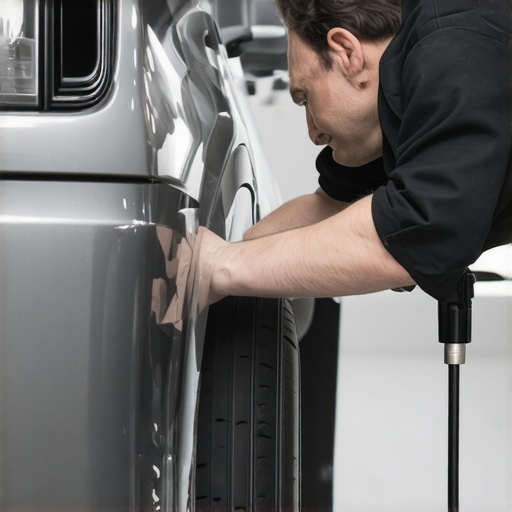
I remember the day I backed out of my driveway, only to hear that sickening crunch—the unmistakable sound of a minor collision. My heart sank when I saw the dent marring the sleek plastic of my bumper. Like many car owners, I faced a common dilemma: replace the entire bumper or find a smarter, more cost-effective solution. That moment was a lightbulb for me—there had to be a way to repair without going for full replacement.
Why a Dented Bumper Can Feel Like a Personal Setback
My car, like yours probably, reflects more than just transportation; it’s a part of our daily lives, our routines, and sometimes even our identity. That dent wasn’t just an eyesore—it was a reminder of that careless parking job or unexpected road mishap. Plus, the thought of shelling out hundreds for a new bumper felt overwhelming. I started digging into options and learned about collision repair techniques that don’t require full replacement, especially for plastics.
Is It Really Possible to Fix Plastic Dents Without Replacing the Bumper?
Early on, I made the mistake of assuming that any significant Dent meant a costly replacement. But I soon discovered that innovative methods, like the ones used by Collisionrenew, restore the original shape and finish—saving both time and money. These techniques involve special tools and heat application that can push dents back into shape, often matching factory paint seamlessly. It’s a game-changer for those of us who want quick, quality fixes.
So if your plastic bumper has a dent, you’re probably wondering whether this solution is right for you. Well, I’ll walk you through how collision repair shops achieve this transformation—and how you can avoid unnecessary replacement costs. But first, let’s address that nagging doubt most car owners have: “Does repairing a dent really last?”
Prepare Your Workspace and Gather Tools
Before starting, find a well-ventilated workspace with flat surfaces. Collect essential tools like a heat gun, plastic pry tools, a clean cloth, rubbing alcohol, and some gloves. Think of this as preparing your kitchen before cooking—having everything at hand makes the process smoother. I once tried to fix my bumper on the driveway without proper gloves, which made handling hot tools uncomfortable, so proper preparation is key.
Clean the Damaged Area Thoroughly
Use rubbing alcohol and a cloth to remove dirt, grease, and wax from the dented area. This ensures good adhesion if you plan to use fillers later. I made this mistake early on—skipping cleaning led to poor results and uneven repairs. Think of it like prepping a surface for painting; cleanliness directly affects finish quality.
Apply Heat to the Bent Plastic
Using a heat gun set to low or medium, gently warm the dented area. Move the gun back and forth to avoid overheating. The goal is to soften the plastic without melting it. I remember heating the plastic too much and causing discoloration, which was frustrating. Think of the plastic like a thick piece of gum—warm it enough, and it becomes flexible enough to reshape.
Push Out the Dent Using Pressure
Once heated, put on gloves and press from behind the bumper with a plastic pry tool or your hands wrapped in a cloth. If the dent is accessible from behind, gently push outward until the surface is flush. I once worked on a bumper with restricted access, so I used a long screwdriver wrapped in tape to distribute pressure evenly. It’s like trying to pop a bubble gum bubble—gentle, even pressure yields the best result.
Special Tip: Using a Suction Cup or Dent Puller
If access is limited, a dent puller or suction device can help. Attach the device to the dent and pull gently to restore the shape. I tried a suction cup that didn’t hold well initially, but adjusting the angle and pressure improved grip—demonstrating patience makes a difference.
Refinish the Surface for Seamless Results
If the denting process causes scratches or slight paint imperfections, lightly sand the area and apply matching automotive paint or a touch-up pen. For minor surface issues, a buffing compound can restore shine. I once over-sanded a small section, dulling the finish, so I learned to sand with caution. Think of this as polishing a gemstone—attention to detail ensures a professional look.
Final Inspection and Adjustments
After cooling, inspect the area for smoothness and alignment. If necessary, repeat heating and pushing. For stubborn dents, professional collision repair shops can perform more advanced techniques. Remember, patience is crucial—rushing might cause additional damage. I’ve found that taking your time yields the best results, especially when working with plastic’s flexibility.
By following these steps, you can repair minor bumper dents effectively, saving money and avoiding unnecessary replacements. For more complex issues, consulting a professional ensures safety and quality—especially for structural or critical areas like [trunk latch problems](https://collisionrenew.com/how-collisionrenew-fixes-trunk-latches-that-wont-snap-shut-2) or sensor recalibration after minor collisions.
When it comes to car maintenance, many enthusiasts focus on the obvious—oil changes, tire rotations, and brake inspections—yet overlook the subtle complexities that can make or break their vehicle’s longevity. Let’s dig deeper into some misconceptions and advanced mistakes that even seasoned DIYers often fall prey to.
Are You Falling for These Transmission Misbeliefs?
One prevalent myth is that darkening of transmission fluid signifies imminent failure. While it does indicate wear, several drivers believe changing it immediately will extend their transmission’s life, which isn’t always true. According to auto experts, premature fluid swaps without diagnosing underlying issues can sometimes do more harm than good, especially if related components are already damaged. It’s essential to understand that fluid color change isn’t the sole warning sign; listening to your car’s shifting behavior offers more insight. Learn more about transmission fluid myths here.
The Collisionrenew Advantage: Why Professional Repairs Matter
Many assume that collision repair shops are just about aesthetics, but advanced techniques like frame straightening and sensor calibration are critical for safety and vehicle performance. Skipping professional intervention can leave hidden frame damage undetected, which might cause uneven tire wear or steering issues down the line. For example, improper alignment after minor fender benders not only affects ride quality but also accelerates tire wear, especially on inner edges. A comprehensive repair that addresses both visible and hidden damage ensures your car performs optimally, keeping you safe on the road. Discover how hidden damage can compromise safety.
Brake Service Traps That Can Cost You Dearly
Many drivers neglect the importance of regular brake fluid testing, assuming it’s a maintenance task that can wait. However, dark or contaminated brake fluid can cause spongy pedals or brake failure, leading to dangerous situations. It’s a common mistake to believe that bleeding brakes once is enough; in reality, brake fluid degrades over time and absorbs moisture, which reduces braking efficiency. Regular fluid flushes not only prevent brake fade but also save money by avoiding rotor and pad damage. Want to make your braking system last longer? Schedule consistent brake fluid checks and stay ahead of costly repairs. Understand the risks of neglecting brake fluid health.
How Deep Does Your Knowledge Go?
If you’re curious whether there’s more to learn about advanced auto repair nuances, examining how sensor calibration after minor collisions affects your vehicle’s safety systems is crucial. Calibration ensures backup cameras, collision sensors, and lane assist features work flawlessly, but many overlook this step after repairs. Misaligned sensors can cause false warnings or system failures, compromising safety. As experts advise, always verify sensor calibration when dealing with collision repairs, especially with modern cars loaded with assistive technology. For instance, damaged bumper sensors can subtly impact your lane-keep assist, increasing collision risk. Stay informed to keep your vehicle performing at its best. Find out how calibration impacts safety.
So, the next time you approach auto maintenance, remember that understanding these nuanced aspects can save you money, time, and most importantly, ensure your safety. Do you know which common myths you’ve accepted as fact? Share your experiences in the comments and stay ahead in your vehicle care journey!
How Do I Maintain My Vehicle’s Health Over Time?
Consistency is key when it comes to auto maintenance. I rely heavily on specialized diagnostic tools like the Autel MaxiCheck Pro, which offers
comprehensive scanning for all modules, ensuring no fault codes go unnoticed. Regularly using a professional-grade scan tool helps me identify issues early, especially with complex systems like transmission control modules or collision sensors. For instance, keeping your backup camera clear and calibrated can prevent dangerous blind spots; check out this guide for detailed steps.
I also endorse the use of high-quality, OEM-recommended lubricants and fluids. For example, periodically flushing your transmission with the correct fluid—like Valvoline MaxLife Multi-Vehicle Transmission Fluid—can prevent early wear. I perform such flushes every 30,000 miles, which aligns with manufacturer recommendations. Using the right tools, like a high-torque torque wrench, ensures bolts are tightened to proper specifications, avoiding over-tightening or under-tightening, which can jeopardize component integrity.
From a software perspective, I prefer diagnostic programs like OBDLink’s app for real-time data and live sensor monitoring. This allows me to track engine temperature spikes or detect sluggish response from automatic systems—like a delayed shift or faulty collision sensors—before they become costly repairs. As vehicle electronics continue to evolve rapidly, staying updated with the latest software updates from your vehicle manufacturer is vital to maintaining smooth operation.
What Tools Are Vital for Daily Car Maintenance?
For routine inspections, I keep a set of precision screwdrivers, including Torx and Phillips-head, which are essential for accessing sensor modules or replacing small electronic components. A quality digital multimeter, like the Fluke 117, helps me diagnose electrical issues, such as a dead battery causing malfunction in power windows or interior lighting. I always test circuit continuity and voltage levels before making repairs, saving time and avoiding unnecessary replacements.
For cleaning and minor cosmetic fixes, I swear by a clay bar kit to remove embedded dirt from paint surfaces, preventing corrosion that could affect collision repair or repainting. Regularly inspecting your fluid levels—brake fluid, coolant, and windshield washer—is simplified with a good set of transparent reservoirs or dipsticks. Maintaining clean and properly filled fluids extends your vehicle’s lifespan and keeps safety systems functioning optimally, such as collision avoidance sensors that can be affected by contaminated rain sensors—learn more about this here.
The Future of Car Maintenance Is Smarter and More Connected
As connected vehicle technology advances, I predict a shift toward AI-powered diagnostic tools integrated directly with car systems. Future trends include predictive maintenance alerts based on sensor data analytics, reducing unexpected breakdowns. Imagine receiving a notification on your smartphone about a critical part nearing failure—like a failing wheel bearing—and scheduling repairs proactively. Embracing digital tools now will prepare us for a more efficient, long-term maintenance routine.
To start optimizing your vehicle’s longevity, I recommend trying out a comprehensive diagnostic scan with your existing OBD2 scanner. It’s a simple step that can reveal hidden issues, preventing costly repairs down the line. Remember, investing in the right tools and regular maintenance not only saves you money but keeps you safe on every journey.
The Hidden Lessons Most Auto Owners Never Discover
One of the most valuable insights I gained was that not every dent or scratch deserves a full replacement. Often, with patience and the right tools, you can restore your bumper’s appearance without breaking the bank. I also learned that understanding the nuances of vehicle electronics—like sensor calibration after minor collisions—can make a significant difference in your car’s safety and functionality. This knowledge is often overlooked but is crucial for any DIY enthusiast committed to keeping their vehicle in top shape. Additionally, listening to your car’s shifting and braking behaviors can alert you to subtle issues before they become costly failures, saving you time and money in the long run.
My Safe Harbor for Repair Resources and Tools
Over the years, I’ve come to rely on certain tools and resources that have transformed my approach to auto maintenance. For instance, a high-quality scan tool like the OBDLink’s app gives me real-time insights into my vehicle’s health, catching potential problems early. I trust the OEM-recommended fluids, such as Valvoline MaxLife Multi-Vehicle Transmission Fluid, because they’ve proven their durability and compatibility through personal experience. For tackling small cosmetic issues, a quality clay bar kit has become indispensable in maintaining a pristine exterior surface. Lastly, staying updated with professional repair guides, especially from Collisionrenew, has provided me with step-by-step procedures that are both accurate and easy to follow, ensuring safety and effectiveness in my repairs.
Believe in Your Ability to Keep Your Vehicle at Its Best
Embarking on DIY repairs or routine maintenance might seem intimidating at first, but with the right mindset and knowledge, it’s incredibly rewarding. Your dedication to understanding your car’s inner workings ensures longevity, safety, and a sense of pride every time you hit the road. Remember, every small repair or checkup contributes to a smoother, safer driving experience, saving you money and giving you control over your vehicle’s future. So go ahead—start with that dent, check your fluids, or calibrate your sensors; you might just surprise yourself with what you can accomplish.