
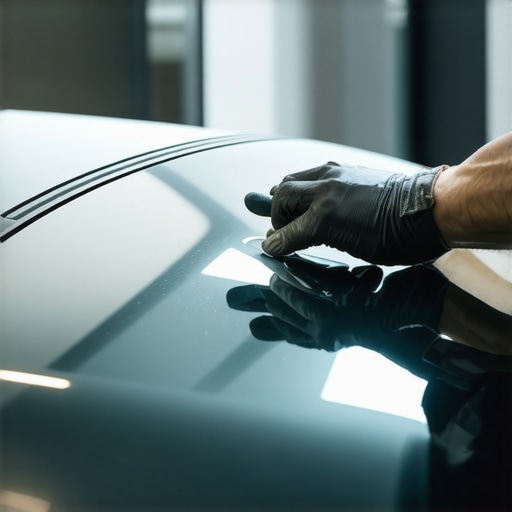
Ever stepped out of a cheap car wash only to be greeted by an array of tiny, frustrating paint swirls scattered across your vehicle’s surface? I remember the moment well—my car looked worse than before I took it in, with unsightly streaks lurking in the sunlight. It was a lightbulb moment for me, realizing that not all washes are created equal, and many cheap options leave your car’s paint vulnerable to micro-scratches that turn into swirls over time.
Discovering the Hidden Damage from Budget Car Washes
It’s heartbreaking to see your shiny paint job marred by careless wash techniques. Those stubborn swirls can make your car look dull and diminish its resale value. I used to think that a quick wash would do the trick, but I learned that the wrong approach can do more harm than good. That’s when I was introduced to CollisionRenew, a service that specializes in repairing paint swirls and restoring your vehicle’s glory.
Is Repairing Swirls Really Worth the Peace of Mind?
Initially, I was skeptical. Did I really need professional help, or could I just buff out the swirls myself? I made the mistake of trying a DIY fix early on, which only worsened the problem and left me with uneven paint. It reminded me of a common misconception—many think minor paint defects can be fixed with amateur techniques, but in reality, professional treatment ensures a smooth, mirror-like finish. If you’re wondering whether CollisionRenew’s approach is effective, I can tell you from firsthand experience: it truly works, and it’s worth every penny to avoid further damage.
Start With a Thorough Inspection
Before diving into any repair, examine your vehicle carefully to identify all the swirls and scratches. Use sunlight or a bright garage light to catch tiny imperfections you might miss in regular light. During my own repair, I noticed some faint swirls on the hood and more pronounced scratches on the door panels. Document these areas to ensure you address everything comprehensively.
Gather the Right Tools and Materials
Invest in a quality dual-action polisher, microfiber polishing pads, a fine-cut polish, and a clay bar. Think of the polisher as a gentle pen that carefully erases imperfections without damaging the paint, similar to how a dentist uses a delicate tool to scrape away plaque without harming your teeth. I initially tried a cheap buffer, which caused more swirls—opting for a proper machine made all the difference.
Prepare Your Vehicle for Polishing
Wash your car thoroughly to remove dirt and debris that could cause further scratches during polishing. Then, dry it completely. Next, use a clay bar with a lubricant to remove embedded contaminants. This process is like exfoliating skin; it smooths out the surface, making polish and correction easier and more effective. I learned this the hard way—rushing through the wash left dirt in the paint, making my efforts less effective.
Apply the Polish Correctly
Apply a few drops of fine-cut polish on the pad and work in small sections. Turn on the polisher to a medium speed, and move it in overlapping circles—never stay in one spot long, similar to coloring within lines to prevent over-application. The goal is to gently remove the micro-scratches without removing too much clear coat. During my first attempt, I kept the polisher stationary, causing uneven spots—learning to keep it moving evenly delivered a mirror finish.
Use Proper Technique for Best Results
Maintain consistent pressure—light but firm—so the machine does the work. Think of it as guiding a paintbrush in smooth strokes rather than pressing hard, which could cause new scratches. After several passes, check your work by wiping away residual polish with a clean microfiber cloth. I found that inspecting under different angles helped me judge if I achieved the desired gloss or if further polishing was needed.
Finish With a Protective Coating
Once the swirls are eliminated, apply a high-quality wax or sealant to protect the restored surface. This acts like a shield, much like sunscreen for your skin, keeping paint safe from UV damage and dirt buildup. I personally noticed my car stayed cleaner longer and the shine lasted several weeks longer after sealing the paint.
Address Specific Areas with Additional Techniques
For stubborn swirl marks or deeper scratches, consider spot polishing or using a specific compound. If you encounter issues like uneven paint after repair, consult professional services like collision repair experts for advanced correction. Remember, patience and correct technique are key; rushing or using incorrect tools can make imperfections worse.
Many car owners believe that simple fixes or routine maintenance are straightforward and risk-free. However, beneath this confidence lies a set of nuanced misconceptions that can lead you astray. One widespread myth is that all brake pads are the same, leading many to opt for the cheapest replacement without considering material differences. In reality, choosing the wrong brake pad type can result in uneven wear, increased stopping distances, or even damage to rotors, which might necessitate costly brake service.
Another trap involves transmission repairs. Many think that topping off the transmission fluid is all that’s needed when shifting issues arise. This overlooks the importance of proper diagnosis; sometimes, a slipping transmission results from internal wear, valve body problems, or fluid contamination, not just low fluid levels. Ignoring this nuance can lead to invasive repairs or replacements, which are avoidable with professional assessment. To understand why ignoring subtle signals can backfire, check out this detailed guide.
Are You Falling for Oversimplified Fixes That Might Worsen the Problem?
Take, for example, the common belief that a rough idle always points to ignition issues. While spark plugs are a suspect, sometimes the culprit is a vacuum leak or clogged fuel injector. Jumping straight to plug replacement without proper diagnostics may only provide temporary relief or, worse, mask a more serious problem. This is where understanding the advanced nuances, such as inspecting vacuum lines or testing fuel pressure, becomes invaluable. A study from the Automotive Service Association confirms that thorough diagnostic checks drastically reduce unnecessary part replacements, saving both money and time.
Additionally, many underestimate the importance of proper alignment and suspension assessments. Misaligned wheels or uneven tire wear can mimic or exacerbate braking and steering issues, leading to premature component degradation or safety risks. Skipping detailed diagnostics and relying on quick fixes can turn minor issues into major repairs. Always consider that, just like in my experience with restoring paint, precision and patience in diagnosis and repair yield the best longevity and performance.
Be cautious of applying quick fixes based on assumptions. Sometimes, a minor problem hints at a deeper systemic issue, and resolving it requires a comprehensive approach. When in doubt, consult with experts who use meticulous diagnostic methods rather than shortcuts. Remember, the small nuances—like how your gear shifter feels on cold mornings or why your car pulls slightly during braking—are clues to underlying issues that could escalate if neglected. To deepen your understanding, visit this resource.
Maintaining Your Vehicle with Precision Tools
To keep your vehicle running smoothly over the years, investing in high-quality diagnostic and repair tools is crucial. I rely heavily on a professional-grade OBD-II scanner like the BlueDriver, which provides comprehensive trouble code readings and real-time data. It enables me to pinpoint engine, transmission, or sensor issues quickly, reducing unnecessary trips to the mechanic and empowering me to address problems early.
Alongside diagnostic tools, a dual-action polisher is indispensable for correcting paint swirls effectively. I prefer models with variable speed settings, such as the Porter-Cable 7424 XP, because they allow delicate adjustments during polishing, preventing damage to the clear coat while restoring that mirror-like shine. Using the right pads—like microfiber polishing pads—enhances the outcome and smoothness of the finish.
Implementing Routine Maintenance for Lasting Performance
Regularly scheduled maintenance is your best defense against costly repairs. For example, changing your engine oil and filter at manufacturer-recommended intervals keeps your engine running efficiently, preventing sludge buildup. For transmission health, servicing with quality transmission fluid ensures smooth shifting and prolongs component life.
Additionally, inspecting your brake system periodically—checking rotor thickness and pad wear—can prevent dangerous failures. I recommend the brake pulsation test to identify uneven wear early. These proactive steps are vital for long-term reliability and safety.
How do I maintain systems as they age?
As your vehicle accumulates miles, certain components such as struts, bushings, and sensors require attention. I recently discovered that cleaning or replacing cabin filters can significantly improve fuel efficiency and interior comfort. Similarly, inspecting your shock absorbers with a simple bounce test helps determine if they need replacement before they cause handling issues. Staying aware of these signs and addressing them promptly preserves your vehicle’s performance and resale value.
Scaling Up Your Repair Capabilities
If you’re looking to expand your DIY maintenance repertoire, consider tools like a hydraulic lift or a precision torque wrench. These allow you to perform tasks like suspension repairs or wheel torques with confidence. For example, accurately torquing wheel nuts prevents uneven wear or loosening, which is critical for safety. As I anticipate the trend toward electric and hybrid vehicles, having digital multimeters capable of handling higher voltages and diagnosing electrical issues will become increasingly essential.
How do I keep my car system in top shape over time?
Adopting a regular maintenance schedule combined with the right tools can extend your vehicle’s lifespan dramatically. For instance, check out this guide to diagnose transmission slipping and prevent further damage. I highly recommend starting with a trusted diagnostic scanner and setting reminders for fluid changes and inspections. Over time, these practices not only save money but also ensure your car remains reliable and safe for years to come. Stay proactive, and your vehicle will reward you with years of dependable performance.
What I Wish I Knew About Buffing and Repair Techniques That Changed Everything
- Patience is your best ally. Rushing through polishing or repair can worsen imperfections. I learned this when I attempted a quick fix, only to make the swirls more noticeable. Taking the time to use proper tools and technique results in a flawless finish.
- Small details make a huge difference. Inspecting every inch of your vehicle under different lights helped me spot hidden flaws I would have missed otherwise. This thoroughness ensures comprehensive repairs that last.
- The right tools are game-changers. Investing in a quality dual-action polisher and microfiber pads paid off by delivering professional-level results at home. Skimping on equipment often leads to more work and frustration.
Exploring Resources That Elevated My Repair Game
- The BlueDriver OBD-II scanner is my go-to diagnostic tool. Its reliability and detailed readings allow me to diagnose issues early, saving money and preventing bigger problems. I trust it because it’s accurate and user-friendly.
- Guides from CollisionRenew provide invaluable insights into specific repair techniques, from fixing rattling heat shields to realigning sensors after minor collisions. Their step-by-step instructions bridge the gap between amateur and professional work.
- Reading repair stories and tips on automotive forums helped me understand common mistakes and how to avoid them, making my repairs smoother and more effective.
Your Turn to Take Control of Your Vehicle’s Care
Remember, mastering the art of vehicle repair and maintenance isn’t about shortcuts but about dedication and learning the nuances that make a difference. Whether it’s restoring paint or diagnosing transmission issues, every careful step brings you closer to a safer, more reliable ride. Don’t wait for problems to escalate—start implementing these insights today, and watch your car—and your confidence—shine brighter than ever.