
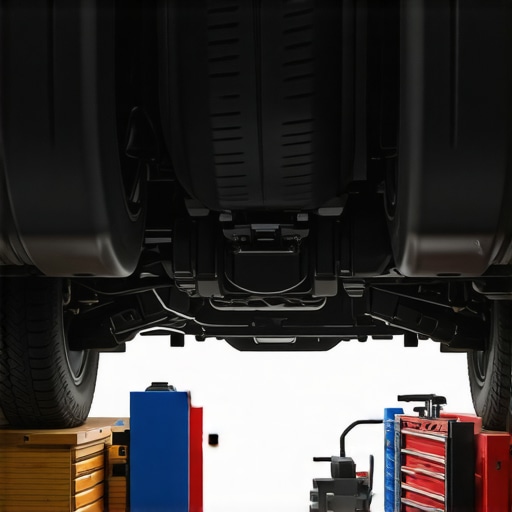
Ever been startled awake by a peculiar whirring noise coming from the back of your car? One morning, as I started my vehicle, I heard a consistent, almost hypnotic sound that made me pause—what was that? It wasn’t your typical engine hum or tire roar; it was a distinct, high-pitched whirring that seemed to increase with speed. That moment was a lightbulb going off for me—something wasn’t quite right, and I had to figure out what.
Since then, I’ve learned that this kind of sound often points to issues within the rear axle or wheel bearings, but diagnosing it can be tricky if you’re unfamiliar with car mechanics. Initially, I brushed it off, thinking it was just a minor inconvenience. But as the noise grew louder, I realized ignoring it could lead to more serious problems, like a complete axle failure or loss of control while driving.
So, today, I want to share with you how I approached diagnosing that elusive whirring sound from the rear of my vehicle. More importantly, I’ll guide you through identifying whether it’s something you can fix yourself or if it’s time to seek professional help. Trust me, catching these signs early can save you from costly repairs or dangerous situations on the road.
Detecting the Whirring: When to Pay Attention
The first step in solving any auto mystery is understanding why this sound appears and what it indicates. Usually, a consistent whirring that correlates with your vehicle’s speed suggests issues with your wheel bearings or the differential. If you’ve noticed the noise intensify as you accelerate or turn, it’s a strong sign that something’s out of alignment—or worse.
It’s also essential to consider other symptoms that may accompany this noise. Do you feel vibrations in your steering wheel? Is your vehicle pulling to one side? For example, a failing wheel bearing often causes a humming or grinding noise that worsens over time, and if left unaddressed, it can lead to bearing collapse. You can explore more about related vibration issues [here](https://collisionrenew.com/why-your-car-vibrates-only-when-you-let-off-the-gas), which might be interconnected.
Initially, I made the mistake of dismissing the sound as a normal part of driving, which turned out to be a costly oversight. Often, inexperienced DIYers jump straight into replacements without confirming the root cause. Trust me, it’s vital to perform proper diagnostics before investing in repairs.
Now, with a grasp of what to listen for and observe, we’re ready to dig deeper into how to confirm if your rear axle is the culprit and what steps you should take next.
Confirm Wheel Bearings Are the Culprit
Start by safely lifting your vehicle using a jack and secure it with jack stands. Remove the wheels from the rear axle, just like peeling a snap-open snack bag—careful but straightforward. Spin the wheel by hand; if you feel roughness or hear grinding, it indicates worn or damaged wheel bearings. I once did this myself, and the moment I felt the roughness, I knew I was dealing with a failing bearing, prompting me to replace it immediately.
Inspect the Axle and Differential
Check for leaks or damage around the axle seals and differential. Look for oil seepage or unusual wear patterns. To do this, support the vehicle safely, then wipe the differential housing clean and look for fresh oil or cracks. I once noticed a small leak that seemed insignificant but turned out to be a sign of a compromised seal, making me appreciate the importance of thorough visual inspections.
Test Drive with a Focused Listening
Drive your car at various speeds, noting when the noise peaks. Turn gently while maintaining speed; if the whirring intensifies during turns, it often points to wheel bearing issues. I remember mimicking this step on a quiet street, carefully listening through open windows, which helped me identify the problem area precisely, preventing unnecessary part replacements.
Perform a Brake and Suspension Check
Even though the sound is rear-specific, brakes can sometimes produce similar noises. Sit in the car, press the brake pedal several times while stationary; if the noise persists or changes, it might be related to brake calipers or pads. Also, listen for any suspension rattles or loose components. Once, I discovered a loose brake caliper causing the same whirring, emphasizing the importance of comprehensive inspection.
Use a Stethoscope for Precise Localization
If available, use a mechanics’ stethoscope or a makeshift one (like a long screwdriver placed against components with your ear at the other end). This technique helped me pinpoint the exact source of the noise, distinguishing between wheel hub, axle, or differential issues. It’s a simple yet effective step to avoid unnecessary repairs.
Consult Professional Help if Unsure
If testing and inspection reveal potential issues, but you’re uncertain about proceeding, refrain from driving aggressively. Instead, consult a professional mechanic who can perform a more detailed diagnosis, including bearing and axle load tests. In my experience, trusting experts prevented further damage and kept me safe on the road.
Prioritize Safety and Longevity
Remember, ignoring these signs can lead to catastrophic failure—think of it like a ticking bomb. Early detection and action save money and ensure your safety. Keep these diagnostic steps in mind, and you’ll be better equipped to handle strange noises before they turn into costly repairs.Many car enthusiasts and even seasoned owners often fall prey to common myths that can lead to costly mistakes. For instance, the belief that brake pads should be replaced only when they squeal is misleading; in reality, brake pads can wear unevenly and silently, increasing safety risks if ignored. Relying solely on visual cues without considering other symptoms might cause you to overlook critical issues like brake fluid degradation, which can turn dark and gritty, compromising braking performance. Instead of waiting for obvious signs, regular diagnostics and servicing are essential to maintain optimal safety.
A frequent misconception surrounds transmission care. Many assume that flushing transmission fluid is always beneficial, but overdoing it can damage seals or components, especially in older models. The key lies in understanding your vehicle’s specific needs, which are typically outlined in the manufacturer’s maintenance schedule. Consult trusted sources or technicians who can advise whether a fluid change is appropriate—forcing a flush when unnecessary can do more harm than good. This nuanced understanding helps prevent premature wear and expensive repairs.
Advanced car diagnostics reveal that many issues, like vibrations or inconsistent shifting, are diagnosed incorrectly due to superficial inspections. For example, replacing a suspected faulty component without proper testing can lead to ineffective repairs. Techniques such as listening with a mechanic’s stethoscope or conducting controlled test drives can provide deeper insights. Interestingly, studies suggest that a significant percentage of early transmission failures are preventable through proper diagnostics and timely maintenance—emphasizing the importance of expertise over assumptions.
Is it better to perform air filter replacements every so often, or should you wait until you notice performance drops? Routine replacements based on mileage rather than symptoms are advisable, but newer filters can last longer if the vehicle is used in clean environments. The myth that filters must be replaced at fixed intervals regardless of conditions can lead to unnecessary expenses. Smart maintenance involves evaluating driving conditions and adhering to manufacturer recommendations, not just calendar-based schedules.
Have you ever fallen into this trap? Let me know in the comments! The key to avoiding costly repairs is understanding these nuances and questioning common beliefs that might not hold true for your specific situation. Remember, being proactive and informed is your best defense against preventable auto mishaps.Maintaining your vehicle over time requires more than just oil changes; it demands the right tools, a systematic approach, and a bit of technical know-how. For DIY enthusiasts and seasoned mechanics alike, investing in quality equipment ensures longevity and reliable performance. One staple I personally rely on is a digital multimeter, which I use not only for quick battery checks but also for testing sensors and circuit continuity, ensuring that electrical issues don’t sneak up on me unexpectedly. Additionally, a mechanic’s stethoscope has become indispensable; it allows me to precisely pinpoint noisy components like wheel bearings or alternators, saving time and preventing unnecessary part replacements.
For more complex diagnostics, I lean on advanced scan tools such as OBD-II code readers that interface with software like Torque Pro or Car Scanner. These tools provide real-time data on engine parameters, transmission health, and emission controls, empowering me to catch issues early. I often compare live sensor data against manufacturer specifications, which I can access through service manuals or online databases. This proactive monitoring minimizes breakdown risks and extends the life of critical components like the transmission, reducing long-term costs.
How do I maintain my tools over time?
Keeping your diagnostic equipment in top shape involves regular calibration and careful storage. I keep my multimeter’s test leads clean and calibrated, following manufacturer guidelines, to ensure accurate readings. Batteries in wireless sensors are replaced before they die unexpectedly, and I store my tools in a dedicated toolbox to prevent damage. Learning to interpret data accurately is as vital as having the right gear; for this, I often review technical bulletins and forums, which keep me updated on emerging issues and solutions. The future of vehicle maintenance points towards sophisticated diagnostic systems integrated with AI, promising quicker and more precise troubleshooting. To prepare, I regularly update my software and firmware, aligning with industry advancements.

Looking for a way to future-proof your maintenance approach? Try integrating a Bluetooth-enabled OBD-II scanner connected to your smartphone. This combo offers immediate insights on your vehicle’s health, from fuel efficiency to transmission status, all at your fingertips. Investing in such a tool has transformed my approach to preventive care, catching issues before they escalate into costly repairs like transmission rebuilds or collision damage repairs. Don’t wait for warning lights to blink—be proactive and keep your car running smoothly for the long haul.Throughout this journey exploring the mysterious whirring noise from the rear of your vehicle, I realized that effective auto troubleshooting transcends tools and manuals—it truly hinges on honing your instincts and paying close attention to the subtle signs your car gives you. One invaluable lesson I learned is that many issues, like faulty wheel bearings or differential problems, often whisper rather than shout, requiring a keen ear and patience. Trusting my intuition, combined with methodical testing, saved me from unnecessary replacements and potential dangers on the road. My experience has shown me that developing a personal ‘car conversation’—listening carefully to each sound and feeling—can empower you to address problems early. Engaging with your vehicle on this level not only enhances your repair skills but also deepens your connection with your car, transforming maintenance from a chore into a gratifying craft.