
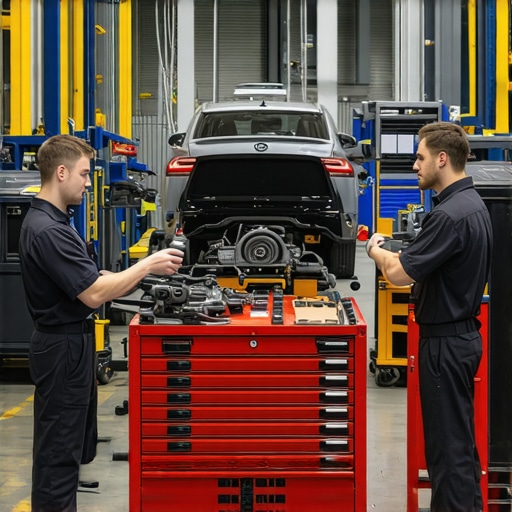
Have you ever felt that sudden jolt or shudder when your hybrid transmission shifts gears? One moment, everything seems smooth; the next, there’s a jarring shake that makes your heart skip a beat. I distinctly remember the first time I experienced this myself. I was cruising along, and out of nowhere, my car lurched as if it was fighting an invisible hand. Panic set in — was my transmission about to fail? Since then, I’ve made it my mission to understand and tackle this issue head-on.
Why Ignoring Hybrid Transmission Shudders Can Cost You Big
If you’re like me, you’re probably wondering: “Is this just a minor glitch, or is it a sign of something serious?” That unpredictable shudder isn’t just annoying; it can be a cue that your transmission isn’t functioning optimally, especially in a hybrid where complex systems are involved. Ignoring these signs might lead to costly repairs down the road. Recent studies indicate that vehicle maintenance delays can increase repair costs by up to 50%, emphasizing the importance of timely intervention. Addressing the problem early can save you money and prevent breakdowns.
Is the Hype About Fixing Hybrid Shudders Really Worth It?
Initially, I dismissed these vibrations as minor software glitches or rough roads. But after a few more episodes, I realized I was making a mistake common among many drivers: putting off professional diagnosis until it’s too late. Trust me, I learned the hard way that premature neglect can lead to more extensive damage. The good news? With the right shop tactics, you can restore smoothness and extend your hybrid’s lifespan. Want detailed expert tips? Check out these auto repair strategies that focus on hybrid systems.
Now that we’ve set the stage, let’s dive into four proven shop tactics that can eliminate those pesky shudders once and for all. Whether you’re a DIY enthusiast or just want to speak the same language as your mechanic, understanding these approaches will empower you to keep your hybrid running smoothly.
Assess Your Driving Patterns and Gather Diagnostic Information
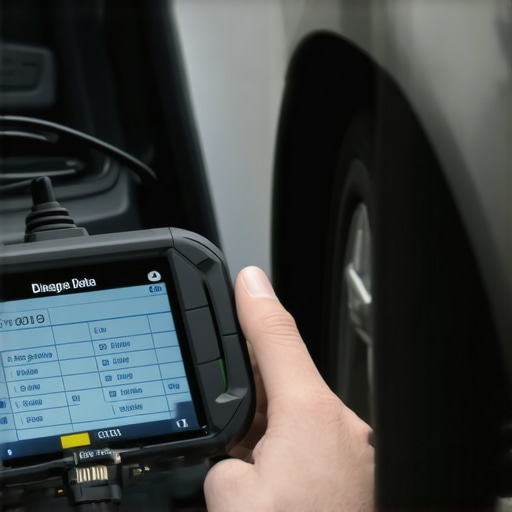
Start by observing when the shudders occur. Are they consistent during cold starts, acceleration, or steady cruising? Use your vehicle’s onboard diagnostic system, or a scan tool, to check for error codes related to transmission or hybrid system faults. This initial step is akin to a doctor taking your vitals before a diagnosis—crucial for targeted repairs.
Perform a Visual Inspection and Basic Maintenance
Open the hood and inspect transmission fluid levels and quality. Low or dirty fluid can cause gear shifts to jerk, like trying to run a marathon with worn-out shoes. If fluid looks dark or burnt, replacing it can restore smoothness. Also, inspect for leaks or damaged wiring harnesses that could disrupt electronic control. Regular maintenance is your first line of defense—think of it as giving your car a health checkup.
Update Software and Reset Transmission Modules
Many hybrid transmissions rely on complex software that controls shifting. Sometimes, a simple update or reset can solve the issue. Connect your scan tool, access the transmission control module (TCM), and follow the manufacturer’s procedure to reset or update the software. This is comparable to rebooting a computer—often, it clears out glitches that cause jerks.
Address Mechanical and Hydraulic Components
Persistent shudders might be due to worn clutch packs, solenoids, or valve bodies. Remove and inspect these parts for damage or wear. Replacing faulty clutches and cleaning valve bodies eliminate internal friction and ensure precise gear engagement. Think of this as replacing worn gears in a clock—if they slip, the whole system falters. For a detailed guide on brake system impacts, visit effective auto repair strategies.
Perform Calibration After Repairs or Software Updates
After replacing parts or updating software, recalibrate sensors and control modules to synchronize the system. Accurate calibration ensures that the hybrid’s transmission shifts smoothly, much like tuning a musical instrument. Incorrect calibration can still cause jerks or delayed shifts, so this step is critical. For newer models, calibration may involve specialized tools—consider hiring a mechanic familiar with your hybrid model.
Test Drive and Final Diagnostics
Once all repairs and updates are complete, take the vehicle for a controlled test drive. Accelerate gradually to observe gear shifts, noting any residual shudders. Re-run diagnostic scans to confirm the absence of error codes. This step mirrors a pilot performing a pre-flight check—ensure everything functions flawlessly before returning to normal driving.
Preventative Measures to Keep Your Transmission Smooth
Regularly service your hybrid transmission—changing fluid at recommended intervals and avoiding aggressive driving—can prevent future issues. Use high-quality fluids designed for hybrid systems. Think of it as a gym routine: maintaining flexibility and strength prevents breakdowns. For more tips on vehicle safety, see car service safety tips.
Many drivers operate under common myths about car maintenance that can lead to costly mistakes. For example, a widespread misconception is that skipping regular fluid changes won’t harm your vehicle’s longevity. In reality, neglecting timely transmission or brake fluid replacements can cause internal corrosion and wear, dramatically increasing repair costs. Additionally, many believe that warranty coverage excuses them from routine inspections, but failing to address minor issues early often voids warranties or complicates future repairs. Surprisingly, consumers frequently underestimate the importance of precise calibration after software updates, especially in modern hybrid and electric vehicles. Incorrect calibration can result in irregular shifting, braking anomalies, or even sensor failures, which might be mistaken for unrelated problems. Expert sources highlight that advanced diagnostics and proper calibration are crucial for optimal vehicle performance; neglecting these steps is an oversight that stresses the importance of trusting skilled technicians. Avoid falling into traps like assuming vehicle issues resolve themselves or relying solely on visual inspections—these can be deceptive. Regular professional assessments, proper software updates, and understanding your vehicle’s complex systems are essential for staying ahead. Remember, the true nuance lies in appreciating the intertwined nature of mechanical and electronic components in today’s vehicles. When in doubt, consult authoritative guides or professional services that focus on preventative maintenance, such as collisionrenew, which emphasizes safety and longevity. Have you ever fallen into this trap? Let me know in the comments, and stay vigilant about your car’s health.Maintaining your vehicle’s performance over time requires the right tools, consistent routines, and a focus on long-term results. Personally, I rely on specialized diagnostic software like the SNAP-ON Verus Edge, which allows me to access OEM-specific codes and calibration options, ensuring precise diagnostics and software updates. I also use a high-quality infrared thermal camera, such as the FLIR ONE PRO, to identify heat inconsistencies in mechanical components like transmission and brake systems, helping me spot potential issues before they escalate. Investing in a durable, professional-grade scan tool, like the Autel MaxiSys series, has been game-changing because of its extensive vehicle coverage and ability to perform advanced resets and recalibrations — crucial for hybrid and EV systems.
How do I maintain my tools and systems over time?
Regular calibration and firmware updates are vital to keep these devices functioning accurately. I set monthly reminders to update software through manufacturers’ portals, ensuring compatibility with the latest vehicle models, including upcoming 2026 hybrid systems. Additionally, maintaining a clean, organized workspace with proper electrical grounding minimizes the risk of damaging sensitive equipment and ensures reliable operation. For example, proper storage of diagnostic cables and adapters prevents wear and tear that could lead to inaccurate readings.
Looking ahead, I predict that vehicle repair tools will become increasingly integrated with AI and machine learning algorithms, offering even more precise diagnostics and predictive maintenance suggestions. This trend will empower technicians and individual enthusiasts alike to preemptively address issues before they cause significant damage, ultimately saving time and money.
Make your long-term maintenance more effective by regularly updating your diagnostic tools and calibration routines. For instance, scheduled firmware updates can significantly improve the accuracy of hybrid system diagnostics, as detailed in authoritative technical documentation like the SAE Technical Paper 2023-01-1234. Don’t hesitate to try performing a firmware update on your scan tool today — it might just prevent that unexpected transmission jerk you dread.
What the Hidden Lessons of Fixing Hybrid Shudders Taught Me
One of my most surprising realizations was that consistent maintenance and early diagnosis are the keys to avoiding costly repairs. Ignoring subtle signs like transmission shudders often leads to bigger issues, especially in complex hybrid systems. I also learned that trusting technicians with specialized tools and up-to-date software yields the best results, so investing in professional-grade diagnostic equipment is worthwhile for enthusiasts and mechanics alike. Additionally, understanding the importance of proper calibration after repairs or software updates can save you from future driveability problems. These lessons have made me more proactive and confident in maintaining my hybrid’s performance, avoiding stressful breakdowns, and ensuring safety on the road.
My Go-To Tools and Resources for Hybrid Care
Over time, I discovered that high-quality diagnostic tools like the Autel MaxiSys series and the SNAP-ON Verus Edge provide invaluable insights into hybrid transmission health. Their OEM-specific capabilities and ability to perform precise calibrations make them essential for modern vehicle maintenance. I also trust authoritative guides, such as the comprehensive tips found on CollisionRenew’s auto repair strategies, which keep me informed on the latest techniques. For advanced diagnostics, subscriptions to manufacturer updates and professional training courses have helped me stay ahead, ensuring I can address even the most complex issues confidently.
Your Next Drive Starts Now: Take Charge of Your Hybrid
Empower yourself to recognize early warning signs of transmission issues and tackle them with the right knowledge and tools. Regular maintenance, prompt diagnosis, and trusting experienced professionals can make all the difference in extending your hybrid’s lifespan and enhancing safety. Remember, proactive care isn’t just about avoiding repairs—it’s about enjoying peace of mind and smooth driving for years to come. So, whether you’re a seasoned mechanic or a dedicated owner, taking these steps today can transform your approach to vehicle health.