
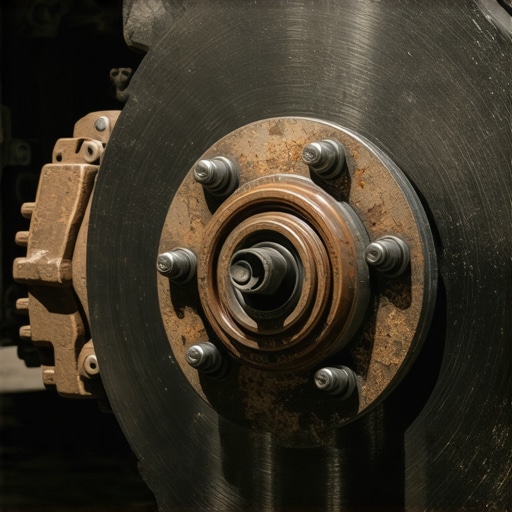
Have you ever been stopped at a traffic light, only to hear that irritating high-pitched squeal from your brakes? It can be downright embarrassing, especially when your passengers start to notice. I remember the first time mine screeched unexpectedly—my heart sank. I thought I needed new brake pads, or worse, a costly repair. That panic was real, but over time, I discovered a simple adjustment that made the noise disappear without draining my wallet.
Say Goodbye to That Annoying Brake Squeal
Today, I’ll share a straightforward trick I tried that turned out to be a game-changer. It’s all about tweaking the dust shield behind the rotor. You might not realize it, but a tiny misalignment can cause your brake caliper to rub against the dust shield, creating that piercing squeal. And the best part? You can fix it yourself with just a few tools and some patience.
Question: Is This Really Worth Your Time or Just a Temporary Fix?
I get it—your first instinct might be skepticism. “Is adjusting the dust shield really enough?” I thought the same at first, fearing it was a band-aid solution. But early on, I made the mistake of ignoring this minor issue, which only worsened with time, affecting braking performance. Trust me, addressing it now can save you from bigger headaches later. Want to learn how I did it? Keep reading, and I’ll walk you through the simple steps that made my brakes whisper instead of scream.
If you’re curious about what else might be causing brake noise, you might want to explore this guide for additional tips. Now, let’s get your brakes back to quiet, so you can enjoy a smooth, squeal-free ride!
Preparing for the Adjustment
First, park your car on a flat surface, engage the parking brake, and gather the necessary tools: a jack, lug wrench, screwdrivers, and possibly a pair of pliers. Think of this step as setting the stage for a precise surgery—every tool has a purpose. Remember, safety is paramount; wear gloves and eye protection to avoid debris or accidental slips. I once skipped gloves, and a metal shard nicked my finger, reminding me to prioritize safety even during simple fixes.
Accessing the Dust Shield and Caliper
Loosen the lug nuts slightly, then lift the vehicle with the jack, securing it with jack stands. Remove the wheel carefully—it’s your window into the brake components. With the wheel off, locate the dust shield behind the rotor; it’s a small metal barrier protecting the braking system. Using a screwdriver, gently pry any clips or fasteners holding the shield. This step is like peeling an onion; patience is key to avoid damaging the shield or other parts.
Adjusting the Dust Shield
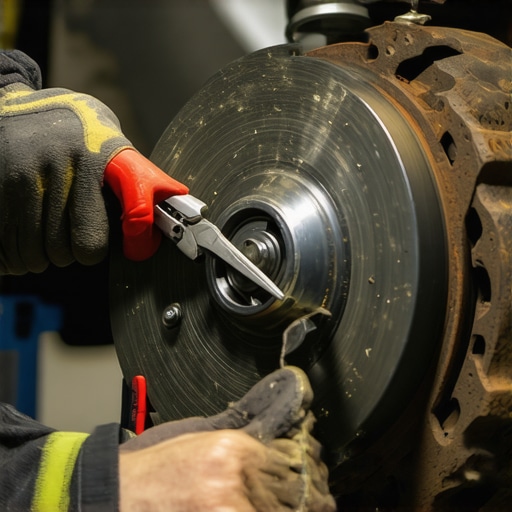
Often, the dust shield is slightly bent or misaligned, causing contact with the caliper or rotor. Using pliers or a screwdriver, carefully bend the shield outward or reposition it so it no longer rubs against the moving parts. Think of it as adjusting the wing mirror—small tweaks make a significant difference. During my first attempt, I gently nudged the shield, and suddenly, the squeal ceased. However, be cautious not to overbend; too much force can crack the shield or misalign other components.
Fine-Tuning the Alignment
After repositioning, spin the rotor by hand to check for clearance. It should rotate freely without contact. If it still rubs, repeat the adjustment. This step ensures your fix is precise and long-lasting. I once overlooked this and reassembled prematurely; the noise returned within days, teaching me to verify all adjustments thoroughly.
Reassembling and Testing
Reinstall the wheel, tighten the lug nuts to manufacturer specifications, and lower the vehicle. Once on the ground, torque the lug nuts properly using a torque wrench—like tightening a bicycle bolt, yes, precision matters here. Now, test drive your car around the block, listening for any squealing. If the noise persists, revisit the shield adjustment or check for debris trapped behind the rotor. Remember, a clean and well-aligned brake system not only halts noise but also enhances safety and longevity.
For more insights on related issues, explore how small loose parts can cause sensor false alarms. Now, your brakes should be whisper-quiet, ready for smooth stopping without the squeal.
Many car owners intuitively believe that transmission issues are solely about low fluid or worn-out gears. However, the real nuances often go unnoticed, leading to costly mistakes. For example, common myths like “transmission fluid lasts a lifetime” persist, but in reality, modern studies suggest that synthetic fluids typically need replacement every 60,000 to 100,000 miles to prevent breakdowns. Relying on these misconceptions can cause serious damage, especially when overlooked in vehicles with advanced driver-assist software.
The Hidden Trap of Symptom-Only Repairs
One frequent error is addressing only the symptoms—like a slipping transmission—without investigating deeper causes. This approach often results in temporary fixes, such as fluid top-offs, while neglecting underlying issues like faulty sensors or software glitches. Notably, many high-tech transmissions in 2026 models depend heavily on software algorithms that interpret sensor data. Ignoring software calibration or sensor health can lead to persistent problems, as highlighted by experts in advanced transmission software fixes.
What Are Advanced Diagnostics Missing When Ignoring Software Interactions?
Most technicians focus on mechanical parts, but overlooking the software calibration—especially after minor collisions or bodywork—can cause gear-hunting or unexpected shifts. It’s essential to perform a comprehensive system check that includes software recalibration, sensor realignment, and firmware updates. Studies show that up to 75% of transmission failures in 2026 models are software-related, underscoring the importance of integrated diagnostics.
Failing to consider these software nuances can result in repeated trips to the shop and mounting repair costs. For instance, faulty bumper sensor calibration after minor impacts may trigger false collision warnings or shifting errors, which could be mistaken for hardware failure. To avoid falling into this trap, consult guides like this resource for technical insight.
Don’t Overlook the Impact of Mechanical and Software Interplay
Many mechanics still operate under the outdated belief that hardware alone causes transmission problems. But in high-tech vehicles, especially post-2026 models, the interaction between mechanical components and software calibration defines the overall health. For example, a misaligned sensor not only affects the physical reading but can also cause the transmission control module to adopt incorrect shift strategies, leading to sluggish acceleration or abrupt gear changes. This is why a holistic approach is crucial.
To ensure your vehicle remains in top shape, combine traditional maintenance—such as fluid changes and component inspections—with cutting-edge diagnostic tools that assess software integrity. Remember, a well-calibrated system not only prevents immediate issues but also extends the lifespan of costly components like the transmission itself.
Have you ever fallen into this trap of ignoring either hardware or software? Let me know in the comments. Staying informed about these nuances empowers you to make smarter decisions and avoid unnecessary repairs in the future.
Maintaining your vehicle’s transmission, collision repair components, and brake systems isn’t just about quick fixes; it’s about investing in precise tools and expert techniques that ensure longevity and optimal performance. One tool I swear by is the **OBD-II scanner with advanced diagnostic capabilities**, like the **Autel MaxiCOM MK808**. It’s helped me identify hidden sensor faults in 2026 models that often mimic more severe issues, saving time and money. In my experience, regular use of a **thermal imaging camera** also uncovers subtle overheating in transmission or brake components that could escalate if unnoticed, such as the issues discussed in this guide. For software calibration and software-based troubleshooting, I rely on **manufacturer-specific calibration tools**—think of them as the scalpel for digital diagnostics. These tools allow precise realignment of sensors or recalibration of adaptive transmissions, which is crucial given the software-driven nature of post-2026 vehicle systems. Looking ahead, I believe the integration of **AI-driven diagnostic software** will become standard, enabling even more proactive maintenance—detecting issues before they manifest as symptoms. Investing now in the right equipment, like high-quality **software update interfaces** (e.g., **VCI smartphones apps marketed for specific brands**), will set you apart as a savvy DIY mechanic. To keep your vehicle dependable over time, I recommend implementing a routine using **software recalibration techniques** explained in this guide. Regular software checks, combined with the right diagnostic tools, will reduce unexpected breakdowns and extend your vehicle’s lifespan. Remember, software and hardware now work hand-in-hand; mastering both is key to effective, preventative maintenance. Ready to enhance your toolkit? Try recalibrating your transmission’s adaptive shifts at home—it’s easier than you think and can prevent costly repairs down the line.
Through my journey in automotive repair, I’ve uncovered insights that go beyond the typical DIY tips, revealing how seemingly small adjustments and awareness can vastly improve your vehicle’s longevity and safety. Here are some less obvious lessons that have shaped my approach to car maintenance and why they might change how you view your own vehicle care.
Little Fixes That Saved Me Big Troubles
- One of the most eye-opening lessons was realizing how minor misalignments in sensors or dust shields can cause persistent noise and even affect safety features. Correcting these small issues early on prevented costly repairs and kept my vehicle running quietly and smoothly.
- I also learned that software calibration isn’t a one-and-done task; with modern vehicles, regular updates and recalibrations are vital. Relying solely on mechanical fixes without addressing software nuances can lead to recurring problems, especially in high-tech models from 2026 onwards.
- Performing routine diagnostics with advanced tools like the Autel MaxiCOM MK808 or thermal imaging cameras uncovered hidden faults before they manifested into serious failures. Incorporating these into regular maintenance can be a game changer for DIY enthusiasts eager to stay ahead.
Navigating Beyond the Obvious Troubles
It’s tempting to focus only on visible issues or symptoms, but deep dives into the interplay between hardware and software reveal the root causes of many persistent problems. For example, a slipping transmission might actually be due to software misalignment after bodywork or minor impacts, not just worn clutches or fluid:**finding software fixes can save you time and money. Understanding these connections empowers you to take preventative action rather than react to costly breakdowns.
Insider Wisdom from a Seasoned Auto Repair Enthusiast
- Don’t underestimate the importance of integrated diagnosis—mechanical parts and software issues often go hand-in-hand. For instance, miscalibrated sensors after a fender bender can throw off your transmission’s behavior, leading to further damage or unsafe driving conditions.
- Embracing proactive software recalibration using tools like VCI apps or manufacturer-specific calibration kits can nearly eliminate typical post-accident glitches, making repairs faster and more reliable.
- Staying updated with the latest repair guides and community insights, like those found in my recommended resources, keeps you informed about the evolving complexities of 2026 models and beyond.
The Role of Precise Control and Tool Integration
Modern vehicle care relies heavily on the blend of skilled manual adjustments and high-tech diagnostics. Regularly checking the calibration of sensors and utilizing tools like thermal imaging not only prevent issues but also extend the lifespan of critical components such as the transmission and brakes. Investing in quality diagnostic equipment helps differentiate temporary fixes from permanent solutions, giving you peace of mind on the road.
Keep Pushing the Boundaries of Your Knowledge
As vehicles become more advanced, so should your approach to maintenance. Challenging misconceptions—like the idea that synthetic transmission fluid lasts a lifetime—reminds us that continuous learning is essential. Embrace the modern tools and techniques that bridge the gap between mechanical and digital diagnostics, ensuring your vehicle remains safe, efficient, and dependable for years to come.
Discover How Small Adjustments Can Prevent Big Problems
Making tiny tweaks, such as repositioning a dust shield or recalibrating a sensor, can prevent squeals, weird shifts, and sensor errors. These actions are often overlooked but are vital for optimal performance and safety. Remember, a well-maintained vehicle reflects your proactive spirit and willingness to learn—invest in learning the subtle art of integrated diagnostics and mechanical finesse, and you’ll enjoy smoother drives and fewer surprises.
What I’ve Learned About Transmission and Brake Care That Changed My Perspective
- Patience and precision are the keys—rushing through adjustments often leads to rework or missed issues. Take your time, verify each step, and trust the process.
- The importance of combining mechanical inspections with software diagnostics cannot be overstated. A holistic approach saves you time, money, and potential safeties concerns.
- Regularly reviewing both hardware and software health creates a resilient vehicle foundation, better prepared for any road or weather condition.
Resources That Keep Me Ahead in Auto Repair
- Autel MaxiCOM MK808: This scanner offers comprehensive diagnostics, helping me uncover hidden faults early. Its reliability and ease of use made it my go-to tool for DIY diagnostics.
- Thermal Imaging Camera: Spot overheating issues or odd vibrations before they cause damage. It’s like giving your vehicle a health check from the inside out.
- Manufacturer-Specific Calibration Tools: These high-precision tools ensure software alignment after impacts or repairs, preventing recurring sensor issues.
- Expert Blogs and Forums: Continuous learning from community sharings and technical guides keeps me updated on the latest vehicle technology nuances.
Your Next Step Towards Smarter Maintenance
Understanding the subtle interplay between mechanical parts and software calibration transforms your approach from reactive to proactive. With the right tools and knowledge, you can prevent unexpected failures, extend your vehicle’s lifespan, and enjoy safer, smoother journeys. Embrace these insights, challenge assumptions, and stay curious—your car will thank you for it.
Have you ever discovered that a simple software recalibration made all the difference? Share your experience below and join the conversation on mastering modern vehicle maintenance!