
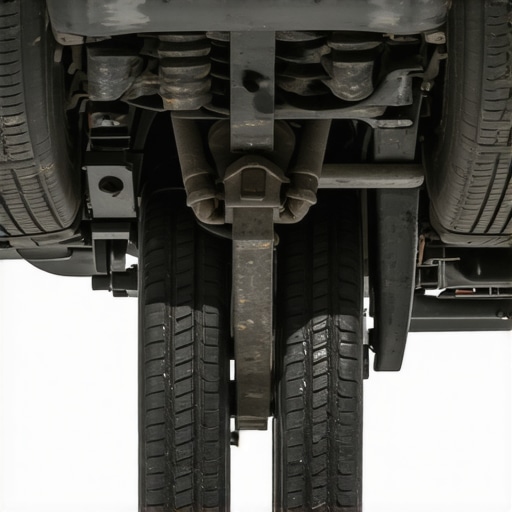
Imagine this: I was cruising down the highway, feeling pretty good about my latest car maintenance routine, when suddenly I felt a strange vibration through the steering wheel. It was subtle at first, but as I accelerated, it got worse—like a constant buzz warning me something was off. Turns out, the culprit was mismatched tire brands on the same axle. I had unknowingly compromised my vehicle’s safety and performance because I didn’t realize how critical this detail is.
Have you ever experienced a weird shake or heard unusual noises after replacing just one or two tires? If so, you’re not alone. Many drivers overlook the importance of matching tire brands and models across an axle, thinking any tire will do as long as it fits. But this small oversight can lead to bigger problems, such as uneven tire wear, handling issues, or even safety hazards that are harder to spot.
Today, we’ll uncover the truth about mismatched tires, sharing personal lessons learned along the way. I’ll guide you through the potential dangers and show you simple ways to ensure your tires work harmoniously, protecting you and your loved ones.
Why Mixing Tire Brands Can Spell Trouble for Your Car
Tires are the only contact point between your vehicle and the road. When they’re mismatched, especially on the same axle, it can mess with your car’s balance and handling. Instead of working together smoothly, mismatched tires can cause uneven grip, leading to steering instability, irregular wear patterns, and sometimes even dangerous vibrations at highway speeds. I learned this the hard way, and it’s a mistake I’ll never repeat.
In fact, automotive experts agree that tires of different brands, tread patterns, or sizes are not designed to be used together, especially on the same axle. The reason? Different tire compounds and constructions respond differently to road conditions, and when mismatched, they can generate conflicting forces that compromise safety. According to a report by the National Highway Traffic Safety Administration, mismatched tires can adversely affect vehicle stability, particularly during emergency maneuvers.
But I also want to share a personal mistake I made: I once replaced only the front tires with a different brand because I thought it wouldn’t make much difference. I was wrong. The car started pulling to one side and the steering felt loose. That experience taught me that even a small mismatch can have a domino effect, impacting other components and leading to costly repairs down the line.
If you’ve noticed unusual handling or vibrations, or you’re just curious about how to prevent these issues, stay with me. Next, I’ll walk you through practical steps to check your tires and ensure everything is aligned for optimal safety and performance. Ready to become a more confident car owner? Let’s get started.
Inspect Your Current Tire Setup Thoroughly
Begin by assessing the tires on each axle. Use a tire tread depth gauge and visual inspection to identify differences in tread patterns, sidewall markings, and wear levels. For example, I once noticed my front left tire had significantly more tread wear than the right—error number one. Document these differences to decide if replacement or matching is needed.
Check Tire Size, Brand, and Model Compatibility
Ensure all tires on the same axle are identical in size, brand, and model. This information is written on the sidewall, listing size (e.g., P225/45R17), load index, and speed rating. Mismatched sizes can cause handling issues, similar to mismatched gears in a transmission, leading to increased wear and instability.
Use a Reliable Tire-Matching Tool
Invest in a tire matching system or simply verify with the manufacturer’s specifications. When I replaced my front tires, I confirmed the match using the original tire’s specs, preventing future vibrations. This step saves you from unpredictable handling and uneven tire wear.
Assess the Condition of Each Tire
Check for sidewall damage, punctures, or uneven tread wear. Replacing only the damaged tires with mismatched ones is like patching one side of a dam—it risks failure. Always aim to replace at least two tires on the same axle with ones of equal size and similar tread wear.
Properly Install and Torque the Tires
Follow the manufacturer’s recommended torque specifications—usually between 80-100 ft-lb—when mounting the tires. Using a torque wrench, tighten the lug nuts in a crossing pattern to ensure even pressure. I once overlooked this, leading to a loose wheel that caused a vibration at highway speed; lesson learned.
Balance the Tires Accurately
Never skip balancing after installation. Unbalanced tires can cause vibrations, similar to how a misaligned fan blade causes noise. A professional balance ensures smooth rotation, improves fuel efficiency, and prolongs tire life. I took my car to a shop that used a bubble balancer, and the difference was immediate—no more steering wheel shake at 55 mph.
Align Your Wheels for Optimal Performance
Wheel alignment adjusts the angles of your wheels to manufacturer specifications. Proper alignment reduces uneven tire wear and handles better on the road. After tightening my lug nuts, I scheduled an alignment and noticed improved steering responsiveness, making every drive safer and more comfortable. To learn more about alignment issues, visit this guide on wheel vibrations.
Many car owners operate under the assumption that auto repair is straightforward and that mechanics always prioritize honesty. However, there are nuanced pitfalls that even seasoned drivers often overlook, leading to unnecessary expenses and safety risks. Let’s explore some of these misconceptions.
Is Your Car Service Actually Doing What You Need?
Contrary to popular belief, not all car service routines are equally beneficial for your vehicle’s longevity. For instance, many people think replacing oil once a year suffices, but depending on driving habits and climate, bolder approaches like frequent oil changes or using high-quality synthetic oils can significantly extend engine life. Many assume that the cheapest option is always best, but skipping essential diagnostics or opting for cheap parts can cause more harm than good. Be wary of services that focus only on superficial fixes without diagnosing underlying issues, which can lead to recurring problems.
Why Brakes Fail Before Their Time Is a Myth
It’s commonly believed that brake pads need replacement only when visibly worn. But the real nuance lies in understanding the importance of regular brake fluid checks. Contaminated or old brake fluid can reduce hydraulic pressure, leading to increased stopping distances or even brake failure, often before signs of pad wear appear. Don’t wait until you hear squealing or feel pedal vibrations—proactive maintenance can prevent costly repairs. For example, a simple flush of brake fluid every couple of years can preserve braking performance and safety.
Advanced Diagnostics — Are They Overkill?
Many drivers think that advanced diagnostics like engine scans are only for severe issues when, in fact, they can reveal hidden problems early. A flashing check engine light isn’t always a cause for panic; sometimes, it’s an early indicator of issues like misfires or impending sensor failure. Regularly utilizing diagnostic tools not only saves money but also prevents breakdowns. Many mechanics recommend periodic scans, especially if your vehicle experiences subtle performance drops. Learn more about diagnosing engine issues by visiting this guide.
Beware of the Trap: Overlooking Small Leaks
A common mistake is ignoring small fluid leaks, assuming they are inconsequential. But even minor leaks from transmission fluid, coolant, or power steering can escalate quickly. For example, low transmission fluid levels caused by unnoticed leaks can lead to slipping gears and increased wear, sometimes only noticeable when the problem intensifies. Being vigilant about fluid leaks and addressing them early can save hundreds in repairs, especially if you catch issues before they affect vital systems. Check out this article for detailed insights into transmission leak pitfalls. Recognizing these nuanced errors and myths helps you become a more informed vehicle owner. Remember, regular maintenance, honest diagnostics, and attention to small details can prevent big problems down the line. Have you ever fallen into this trap? Let me know in the comments.Keeping your vehicle in top shape requires more than just occasional visits to the mechanic. Investing in the right tools and establishing a routine maintenance schedule can extend your car’s lifespan, improve safety, and save you money in the long run. One essential tool I personally rely on is a high-quality digital multimeter. I use it regularly to check electrical components, ensuring your car’s sensors and wiring are functioning correctly, which is crucial for diagnostics and avoiding costly repairs. Additionally, a reliable torque wrench ensures that lug nuts and critical bolts are tightened to manufacturer specifications, preventing issues like wheel wobble or loose components, which can be dangerous at highway speeds. Having a good set of screwdrivers and pliers is fundamental for quick fixes on the go, whether it’s tightening a loose hose clamp or replacing a sensor.
For software, I recommend keeping an up-to-date OBD-II scanner like the BlueDriver. It provides comprehensive diagnostic codes right from your smartphone, enabling you to identify potential problems early—sometimes before the check engine light even turns on. This proactive approach can help you address issues such as a misfiring cylinder or a failing catalytic converter before they escalate.
Regularly inspecting your belts, such as the serpentine belt, is vital. I suggest applying a simple trick: use a flashlight to check for cracks or fraying, and see if the belt feels loose or shiny—signs it’s nearing failure. For detailed guidance on fixing squeaky belts, visit this helpful guide on [how to fix a squeaky serpentine belt with one simple trick](https://collisionrenew.com/how-to-fix-a-squeaky-serpentine-belt-with-one-simple-trick).
When it comes to long-term results, consistency is key. Schedule routine oil changes, brake inspections, and tire rotations based on your vehicle’s manual. For instance, I set reminders every 5,000 miles to ensure my tires wear evenly, which not only improves fuel efficiency but also enhances safety.
Looking ahead, the trend is leaning toward integrating smart diagnostic tools and predictive maintenance. Devices that monitor your car’s health in real-time and send alerts to your phone are becoming more affordable and accurate, making it easier than ever to keep your vehicle running smoothly.
**How do I keep my car working over time?** The answer lies in combining the right tools with a disciplined maintenance routine. Start by acquiring a quality OBD-II scanner and a torque wrench—these are game-changers. Use them regularly to verify your vehicle’s systems and ensure everything is properly secured and functioning well. These small investments can prevent costly breakdowns and give you peace of mind every time you hit the road.
Don’t wait for a warning light or a breakdown—be proactive. Try checking your belt tension with a simple flashlight inspection or run a diagnostic scan to catch upcoming issues early. Remember, preventive care beats emergency repairs — make these tools part of your regular car maintenance toolkit today.
Lessons That Changed How I Care for My Car
One of the most eye-opening experiences I had was realizing how crucial it is to match tires correctly. A simple mismatch on the same axle can lead to vibrations, uneven tire wear, and compromised safety. From that lesson, I learned to always verify tire sizes, brands, and models before replacing any wheel components, saving myself time and potential costly repairs.
Another insight was the importance of proper tire installation and balancing. Skipping these steps, or rushing through them, can cause unsettling vibrations and steering issues. Now, I always insist on professional balancing and torqueing, making sure every lug nut is tightened to the manufacturer’s specs.
The value of regular wheel alignment also became clear after experiencing handling problems. Proper alignment not only enhances vehicle safety but also extends tire life. I now schedule alignment checks whenever I install new tires or notice shifting steering behaviors.
Gearing Up with Tools That Keep My Car Running Smoothly
My go-to tools include a high-quality torque wrench and a reliable OBD-II scanner. These tools empower me to diagnose and address issues early, avoiding unnecessary expenses. For instance, with my scanner, I caught a misfire early and avoided a more significant engine problem. Coupled with routine inspections, these essentials have become my secret weapons for ongoing vehicle health.
Additionally, I rely on a well-maintained set of screwdrivers, pliers, and a flashlight to handle quick fixes myself. An occasional check of the serpentine belt’s condition with a simple flashlight helps me prevent unexpected breakdowns, keeping me safe on the road.
Embracing Preventive Care for Confident Drives
Investing in preventive maintenance, like regular fluid checks and timely replacements, makes all the difference. I now prioritize checking brake fluid and coolant levels quarterly, which has saved me from more serious issues down the line. Staying ahead of potential problems turns routine car care into a powerful tool for peace of mind and safety.
With new diagnostic technologies becoming more affordable, I encourage everyone to explore these options. Early trouble detection through software not only saves money but also keeps your vehicle performing at its best. Remember, proactive care is your best defense against unexpected breakdowns and costly repairs.
Take Charge of Your Vehicle’s Well-Being Today
The journey to a safer, more reliable ride starts with small, consistent steps. Equip yourself with the right tools, stay vigilant about routine inspections, and don’t hesitate to seek professional help when needed. Your car is more than just transportation—it’s a trusted partner that deserves your attention and care. Ready to implement these insights and enjoy smoother drives? Your vehicle will thank you.