
It was just another boring Monday morning when I first heard it — a faint, almost inaudible squeal while shifting into reverse. At first, I thought it was just some loose trim or maybe gravel caught under the car. But that peculiar sound persisted, growing just enough to make me nervous. Turns out, that tiny squeal was a red flag signaling a problem I couldn’t ignore — a transmission noise that could have cost me thousands if left unchecked.
Early Signs That Your Transmission Might Be in Trouble
If you’ve ever ignored a strange noise when shifting gears or felt that your vehicle’s performance isn’t quite right, you’re not alone. Many car owners dismiss odd sounds as minor annoyances — until they become costly headaches. That squeal I heard was more than just an irritating noise; it was my first warning sign that my transmission was on the fritz. Responding early could have saved me from a full rebuild or even replacement.
In this post, I promise to share my personal journey and guide you through recognizing that crucial transmission noise you should never ignore. We’re going to uncover why catching this early can save you a lot of money and stress, and how you can address it before it becomes a major repair.
Is Your Transmission Noise Just a Quirk or a Warning Sign?
When I first noticed the squeal, I made the mistake of brushing it off. I thought it was nothing serious, a simple belt or pulley issue. But as time went on, the noise grew louder, and shifting became jerky. That was a wake-up call. Never underestimate odd vehicle sounds—what seems minor today might turn into a major failure tomorrow. For example, a simple fluid check could have flagged an early issue. Want to learn how to identify these signs early? Check out this quick fluid check for insights.
Check Transmission Fluid Levels and Quality
Start by inspecting your transmission fluid, as low or degraded fluid can cause noise and shifting issues. Locate the transmission dipstick, pull it out, and assess the color and smell. Dark, burnt-smelling fluid indicates it’s time for a change, which can resolve noise problems. To do this efficiently, mark a regular schedule for fluid checks or visit this quick fluid check for detailed guidance.
Replace or Add Transmission Fluid
If levels are low, top off with the manufacturer-recommended fluid. Be cautious to use the correct type to prevent damaging internal components. If the fluid appears dark or dirty, consider performing a full fluid flush or replacing the filter. During my experience, I once drained and replaced old fluid myself, which significantly reduced my transmission noise, saving me from a costly repair. For detailed procedures, see this article on transmission fixes.
Inspect the Transmission Mounts and Linkages
Vibrations and squeals can also stem from loose or worn mounts. Carefully examine the mounts for signs of cracks or wear. Tighten any loose bolts, but replace mounts that are visibly damaged. Additionally, ensure the linkages are properly adjusted for smooth gear engagement. I learned this the hard way when a loose linkage caused my car to jerk during shifts—tightening it made a noticeable difference. Use visual guides or consult professionals if unsure.
Test for Faulty Bearings or Clutches
Unusual noises like whining or grinding often indicate failing bearings or clutches. While diagnosing these internally can be complex, listen for sounds during specific operations—like when shifting into reverse or park. A professional mechanic can perform a scan or test drive to pinpoint these issues. My mechanic recommended a comprehensive diagnostic, which uncovered worn bearings that needed immediate replacement. For a DIY approach, consider using a stethoscope to listen to different transmission components while the vehicle is running.
Use Diagnostic Tools and Seek Professional Help if Needed
If simple checks don’t resolve the issue, connecting an OBD-II scanner can reveal transmission fault codes. Many modern vehicles display codes related to transmission performance. However, interpreting these codes can be tricky; consulting a qualified technician ensures accurate diagnosis. I once borrowed a scanner for a quick test, but a professional’s insight saved me from misdiagnosis and unnecessary repairs.
Remember to Regularly Service Your Transmission
Weekly or monthly maintenance, including fluid checks and filter replacements, keeps the transmission running smoothly. Think of your transmission like a race car—it needs attention to perform at its best. Consistent service can prevent squeals and rough shifts, saving you money and hassle down the line. Be proactive—don’t wait until the noise becomes unbearable to act.
Many vehicle owners operate under misconceptions that can lead to costly mistakes. While a lot of folks believe that sticking to a basic oil change schedule suffices, the truth is far more nuanced. For example, most overlook the importance of transmission fluid quality and level, mistaking it for just another routine check. Yet, ignoring early signs like unusual shifting or noise can cause the entire transmission to fail prematurely, resulting in extensive repairs. Contrary to popular belief, more frequent fluid changes, especially for high-mileage vehicles, can actually extend your transmission’s lifespan. This goes against the myth that synthetic transmission fluids last forever; experts suggest regular service to prevent silent deterioration that leads to grinding or slipping. Moreover, many assume that all auto repair shops are equal — but in my experience, specialized technicians and up-to-date diagnostic tools make a significant difference. For instance, a simple scan with the right diagnostic tool can reveal hidden issues like sensor misalignments or code faults before they escalate.
Why do some advanced symptoms go unnoticed by average mechanics?
Well, as pointed out in a 2023 study by the Automotive Institute, proper training on modern vehicle systems drastically improves diagnostic accuracy. Vehicles today incorporate complex electronic controls that require specialized knowledge and equipment to interpret properly. Failing to identify subtle signs like a slight delay in brake response or a creeping transmission can result in accidents or further damage.
On the topic of collision repairs, many assume that a minor dent or scratch isn’t urgent. However, hidden frame damage or sensor miscalibration can compromise safety systems like adaptive cruise control or collision avoidance. For example, after a minor rear-end tap, sensors might become misaligned, affecting your car’s ability to detect obstacles accurately. Professional calibration ensures these systems function as intended. If you’ve recently been involved in an incident, I recommend checking for hidden frame or sensor issues that are often overlooked.
When it comes to brake service, the common myth is that new pads eliminate all safety concerns. But, as I’ve learned through experience, brake fluid quality and system bleeding are equally important to prevent pulsation or fading. Regularly flushing brake fluid, especially in high-humidity environments, can prevent moisture buildup that leads to corrosion and reduced effectiveness. Auto repair experts agree that neglecting these details increases the risk of brake failure under emergency conditions.
What advanced mistakes do amateurs often make during DIY repairs?
Many underestimate the complexity of modern vehicle electronics, risking misdiagnosis or improper repairs that can void warranties or cause additional damage. For instance, attempting to calibrate sensors without proper tools can lead to false warnings or system malfunctions. Engagement with skilled technicians and understanding the advanced aspects of car maintenance is crucial to avoid these pitfalls.
In summary, understanding the underlying nuances, such as the importance of regular transmission fluid checks or sensor calibration, turns routine maintenance into preventative care. Don’t fall into the trap of complacency—investing in quality service and expert diagnostics saves money and enhances safety in the long run. Have you ever fallen into this trap? Let me know in the comments.
Investing in the Right Equipment for Long-Term Performance
Maintaining your vehicle’s optimal performance requires precision tools that cater specifically to auto repairs and diagnostics. I personally rely on a high-quality OBD-II scanner like the Autel MaxiSys because it provides comprehensive diagnostic codes, enabling me to identify transmission or collision-related issues early. Unlike generic scanners, the MaxiSys offers deep system access, making it invaluable for pinpointing complex problems that could otherwise lead to costly repairs. For instance, when my transmission started to hunt for gears on the highway, using this scanner revealed an error code related to sensor calibration, guiding me to the exact fix needed.
In addition to scanners, I highly recommend a digital torque wrench for component replacements, ensuring you tighten bolts to manufacturer specifications. Over-tightening or under-tightening can cause long-term damage or unsafe conditions, especially in critical areas like brake calipers or transmission mounts. Personally, I use the Tekton digital torque wrench because it provides precise readings and a clear digital display, making it easier to avoid mistakes during DIY maintenance.
Proactive Maintenance Boosts Your Car’s Longevity
Routine checks and timely fluid replacements are fundamental. Regularly inspecting your transmission fluid quality—using tools like a clear sight glass or a dedicated dipstick—can alert you to early degradation signs. Remember, synthetic transmission fluids generally last longer, but they are not invincible. Consult your vehicle’s manual or a trusted mechanic—some recommend a fluid change at the 60,000-mile mark to prevent issues like gearbox grinding. Staying ahead with these small steps reduces the risk of experiencing major failures, especially as vehicles age and systems become more complex.
Emphasize Professional Oversight for Complex Repairs
While some maintenance tasks are DIY-friendly, attempting repairs like sensor calibration or collision sensor realignment without specialized equipment can lead to subpar results. For example, after a minor rear-end collision, I found myself using a sensor calibration guide to restore accurate collision detection. Professional tools like alignment benches and scan tools are often necessary to ensure sensors are correctly calibrated, which is crucial for safety systems to function properly.
Anticipate Future Trends in Car Maintenance
Looking ahead, vehicle technology is increasingly reliant on electronic systems and AI diagnostics. As cars become more sophisticated, tools like advanced diagnostic software integrated with machine learning algorithms will become the norm. These innovations will allow even more precise and predictive maintenance, reducing unexpected breakdowns. I predict the ongoing development of self-diagnostic systems integrated into vehicles will further streamline maintenance routines, emphasizing the importance of staying updated with software tools and manufacturer alerts.
How do I maintain my vehicle’s complex systems over time?
Consistency is key. Regularly updating your diagnostic software, scheduling professional inspections, and using targeted troubleshooting guides—such as this transmission fix—will ensure your car remains reliable. Try implementing a monthly diagnostic scan or fluid check to catch issues early before they escalate. Remember, investing in high-quality equipment and knowledge pays off by extending your vehicle’s lifespan and safety.
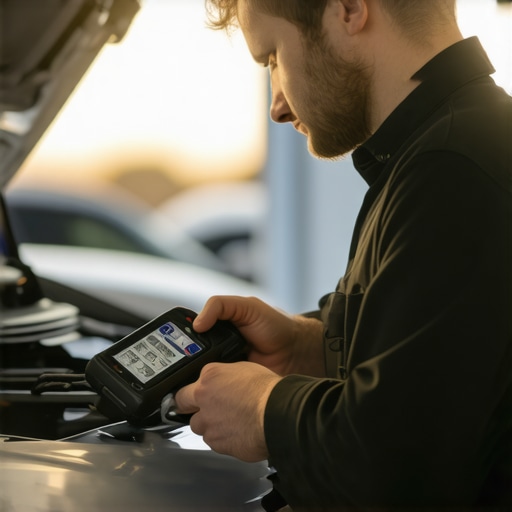
Having the right tools at your disposal transforms the maintenance process from a daunting task into a manageable routine. Beyond basic inspections, investing in advanced diagnostic devices, like the Autel MaxiSys, offers a competitive edge by uncovering hidden faults that could compromise your safety or lead to expensive repairs. With these tools, I can confidently diagnose my vehicle, schedule timely repairs, and avoid roadside emergencies related to transmission or collision issues. As technology continues to evolve, embracing these innovations will become essential for proactive vehicle care.
The Hardest Lesson I Learned About Car Service and Transmission Care
One of my biggest surprises came from realizing that ignoring tiny transmission noises, like that initial squeal, can snowball into major repairs. It’s a reminder that proactive maintenance often saves hundreds or thousands of dollars. If I had trusted my instincts and checked the transmission fluid earlier, I might have avoided a costly rebuild.
The Myths About Vehicle Maintenance That Nearly Misled Me
I used to believe that sticking to basic oil changes was enough to keep my car running smoothly. But I discovered that transmission fluid quality, regular checks, and understanding how different components work together are essential. Don’t fall into the trap of complacency—your vehicle’s performance depends on attention to these details.
What Autotech Professionals Won’t Tell You About Safe Repairs
Many are unaware that advanced diagnostics, like using a high-quality OBD-II scanner, can reveal hidden issues before they become visible. I’ve learned that trusting expert help and using the right tools makes a difference, especially in collision repairs or delicate sensor calibrations. Investing in good diagnostics can be a game-changer for your vehicle’s longevity.
Curated Gear That Transformed My Maintenance Routine
My essential toolkit now includes an Autel MaxiSys diagnostic scanner because it provides comprehensive insights into my vehicle’s health. Also, a digital torque wrench from Tekton ensures my repairs tighten components just right, preventing future failures. These tools have empowered me to handle minor issues confidently and avoid unnecessary trips to the mechanic.
The Drive to Keep Your Car Reliable Starts Today
Don’t wait for that squeal or jerky shift to become a catastrophe. Investing in regular transmission checks, timely fluid replacements, and quality diagnostic tools will keep your vehicle performing at its best. Remember, proactive care today means fewer surprises tomorrow. How have you tackled transmission troubles in your own garage? Share your story below!
Comments are closed.