
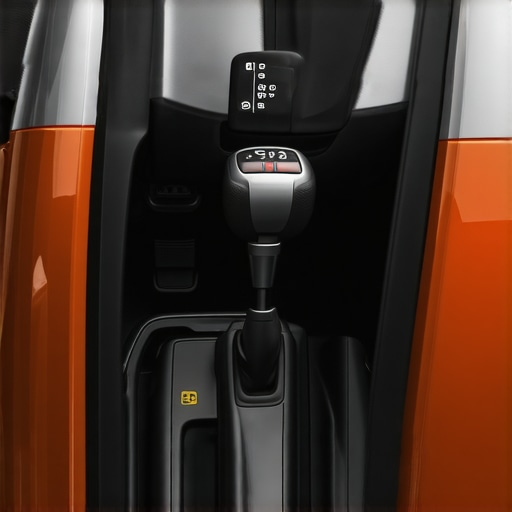
It happened to me on a freezing winter morning. I turned my key, pressed the brake, and expected my car to glide smoothly into drive. Instead, it refused to budge. That sinking feeling of helplessness started to creep in—why wouldn’t my car shift out of park? If you’ve faced this frustrating situation, you’re not alone. Today, we’re going to uncover the real reason your car gets stubborn in park and how you can solve it without breaking the bank or calling a mechanic at every turn.
Why Your Car Might Stubbornly Stay Put in Park
Sometimes, the issue is simple—like a worn brake light switch or a low brake fluid level. Other times, it’s a sneaky electrical glitch or a transmission sensor failure. The key is understanding that your vehicle’s shifter interlocks with several safety systems to prevent accidental movement, especially when your foot isn’t on the brake. This interlock can malfunction, leaving your car stuck in place. I learned this the hard way early in my DIY car repair journey, mistakenly replacing parts I didn’t need because I didn’t grasp how these safety systems worked. That mistake taught me to dig deeper, and it’s a lesson I want to share with you so you don’t waste time and money.
Is It Worth Fixing Yourself, or Should You Call in Help?
This question haunted me at first—was it just a simple fix, or was my entire transmission acting up? Trust me, sometimes what seems like a major problem is just a minor fix. For example, a malfunctioning brake switch or a blown fuse could be behind your car’s refusal to shift. I recommend starting with basic checks, which can save you both time and money. If you’re unsure, consulting a trusted mechanic or experienced DIYer can prevent unnecessary frustration. Remember, addressing the root cause early can also prevent more costly repairs down the line, like transmission rebuilds or replacements. According to this article, transmission issues often stem from overlooked safety interlocks or fluid problems that are easier to fix than you think.
If you’re sitting there wondering, “Why won’t my car come out of park?” or if you’ve already tried the simple fixes without success, don’t worry. We’re about to explore practical, proven steps you can take RIGHT NOW to get your vehicle shifting smoothly again. Ready to solve this puzzle and regain your driving confidence? Let’s dive in.
Test Your Brake Light Switch First
Think of the brake light switch as a security guard that communicates with your transmission. When it’s malfunctioning, your car’s interlock system might think your foot isn’t on the brake, trapping it in park. To test it, locate the switch near your brake pedal—press the pedal and listen for a click or check if the brake lights turn on. If the lights don’t activate, the switch could be faulty. I once had to replace my brake switch after experiencing this issue; the fix was straightforward, and my car shifted smoothly afterward. Learn more about brake switch issues.
Check and Reset the Fuses
Electrical problems can be tricky, but fuses are the first place to look. Locate your fuse box—often under the dashboard or in the engine bay—and identify the fuse related to your transmission interlock system, usually marked. Remove and inspect it closely; if it’s blown, replace it. Once replaced, try shifting out of park. I remember once a blown fuse caused my transmission shifter to stick, but replacing it instantly fixed the problem. If you’re unsure how to identify or replace a fuse, this guide can help.
Inspect the Shift Lock Solenoid
The shift lock solenoid acts like a gatekeeper for your gear shifter, releasing it when the system receives a proper signal. If it’s stuck or faulty, your car won’t shift out of park. To check, turn on your vehicle, press the brake, and locate the solenoid—usually near the shifter assembly. Occasionally, gently tapping or jiggling the shifter can free a stuck solenoid. I once had to work on mine after it refused to budge; after a light tap, it released, and I could move the shifter freely. If this doesn’t work, replacing the solenoid might be necessary, which isn’t as complicated as it sounds.
Examine the Transmission Range Switch
This switch communicates your selected gear to the vehicle’s computer. When faulty, it can prevent the shifter from releasing. To test, turn your car on, press the brake, and move the shifter through various positions; watch for corresponding indicators on the dashboard. If there’s a mismatch or no response, the switch may need replacement. During my own repair, adjusting the switch aligned everything perfectly. Sometimes, cleaning the contacts or realigning the switch can resolve the issue without replacement.
Address the Transmission Fluid and Mechanical Parts
Although less common, low transmission fluid or mechanical failure can affect shifting. Check your transmission fluid level and condition—if it’s dark, smells burnt, or is low, topping up or changing it might do the trick. Also, inspect the linkage for any damage or misalignment. In my experience, a simple fluid change significantly improved shifting performance. For more details on maintaining transmission health, visit this resource.
Summary
By systematically checking these components—brake switch, fuses, shift lock solenoid, transmission switch, and fluid—you can often solve the problem yourself. Remember, safety first: always work with the vehicle off unless testing electrical components, and consider seeking professional help for complex issues. Taking these steps saved me hours of waiting and hundreds of dollars, and it can do the same for you. Keep troubleshooting until you find the culprit, and you’ll regain control of your vehicle in no time.Many car owners believe they understand how their vehicles work, but in reality, some of the most widespread beliefs about auto repair are misleading or outright incorrect. Let’s dig deeper into these misconceptions and uncover the hidden nuances that can save you time and money. One common myth is that all transmission issues are due to a faulty clutch or gear synchronizers; however, many problems stem from simple causes like low-quality transmission fluid or worn sensors, which can be fixed with proper diagnostics.
Are We Overlooking Basic Maintenance in Favor of Costly Repairs?
A significant mistake many make is assuming that complex, expensive repairs are inevitable when, in fact, routine checks like inspecting the battery terminals or the serpentine belt tensioner can prevent major breakdowns. For example, neglecting to clean your battery terminals might cause starting issues, which are often mistaken for more severe electrical faults. <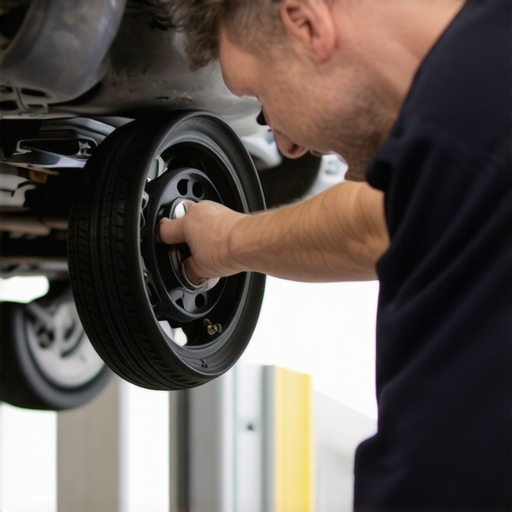 > Additionally, some believe that every squeal or noise requires immediate replacement of parts like brake pads or belts. But noise often results from minor issues such as dust buildup or a loose belt tensioner, which can be resolved with simple cleaning or adjustment. Rushing into replacements without proper diagnosis can wipe out your maintenance budget unnecessarily. In the realm of collision repairs, there’s a misconception that all dents and scratches require repainting, but techniques like paintless dent repair can restore your vehicle’s appearance effectively without costly repaint jobs. Understanding these nuances helps you avoid unnecessary expenses and ensures your repairs are truly needed. Moreover, the idea that synthetic oils last longer and are always better for your engine doesn’t hold in every case; some engines benefit more from conventional oils depending on driving habits and manufacturer recommendations. Always consult your vehicle’s service manual or a trusted mechanic before jumping to synthetic options. If you believe you’re falling into these traps, remember that thorough diagnostics and a basic understanding of your car’s systems are your best tools. Initiate a routine inspection schedule, and don’t hesitate to seek expert advice when in doubt. Have you ever fallen into this trap? Let me know in the comments.
Maintaining your vehicle’s health over the long term requires the right tools and a disciplined approach. I personally rely on a few specialized pieces of equipment that allow me to diagnose, repair, and optimize my car’s systems efficiently. One essential tool I’ve found invaluable is a high-quality scan tool like the OBD-II Bluetooth scanner. This device connects to your smartphone via an app, giving real-time diagnostics for engine issues, transmission errors, and more. I use mine every month to clear error codes after addressing minor issues, which keeps my vehicle running smoothly and prevents small problems from escalating.
Another must-have is a digital multimeter. Not just a basic model, I prefer one with data logging capabilities so I can track voltage and resistance over time. This is especially useful when checking battery health or testing sensors like the battery terminals. The precision helps me identify issues early, such as drain leaks or sensor failures, before they cause stalling or sluggish performance.
For physical repairs, I recommend investing in a set of quality hand tools—especially a good ratchet set, screwdrivers, and a torque wrench. These are crucial when replacing components like the serpentine belt, which you can fix with just a simple trick you might not know (see this guide). Using the correct torque prevents future issues like belt slippage or premature wear.
Proper cleaning tools also make a difference. A dedicated battery terminal cleaner brush helps maintain good electrical connections, crucial for avoiding no-start conditions or erratic sensor readings. Preventive maintenance like this is a game-changer and saves a lot of money down the line.
Looking ahead, I believe the trend will continue toward smarter, connected tools that integrate diagnostics directly with cloud-based maintenance records. Future car service may feature AI-driven systems that monitor key components continuously and alert you before a breakdown occurs, making proactive maintenance more accessible than ever.
How do I keep my tools effective over time? Regular calibration, proper storage, and updating the software on my scan tools are key. I always ensure my scanner firmware is current, which helps me catch the latest issues as vehicle technology evolves. Additionally, I keep my hand tools organized in a sturdy tool chest, so I can quickly grab what I need without wasting precious time.
Finally, don’t overlook the importance of routine inspection routines. Performing monthly checks on the serpentine belt tensioner or fluid levels using your tools can reveal early signs of wear (learn how to assess tensioners). Consistency is your best friend in auto maintenance, helping to extend every part’s lifespan and ensuring your car remains dependable.
Ready to step up your maintenance game? Start with a reliable scan tool and practice logging sensor readings. As you get comfortable, try diagnosing a sluggish transmission by checking the transmission fluid temperature with your multimeter and referencing this detailed article for guidance. Taking control today will make future repairs smoother and more affordable.
Lessons Hidden in Plain Sight That Changed My Approach to Car Maintenance
- I realized that many of my initial assumptions about car issues were superficial. For example, attributing a shuddering transmission solely to fluid level ignored the importance of sensor calibration and connector integrity—sometimes, a simple cleaning or re-alignment made all the difference.
- Discovering that electrical components are often the root cause, not just mechanical parts, shifted my troubleshooting methods. Regularly inspecting fuses and switches saved me from costly replacements and unnecessary headaches, especially when I learned to recognize subtle signs of failure early.
- Understanding how modern vehicle systems communicate—through ECMs and various sensors—empowered me to use diagnostic tools effectively. I now see that data logging and error code analysis aren’t intimidating but essential for accurate diagnosis, leading to faster, more reliable repairs.
My Favorite Tools and Resources That Keep Me Ahead of Auto Troubles
- OBD-II Bluetooth Scanner: This device connects seamlessly to my smartphone, providing real-time insights into engine and transmission health. Its ease of use and detailed reports help me catch issues before they escalate.
- Multimeter with Data Logging: Monitoring voltage fluctuations and sensor outputs helps prevent unpredictable failures and extends component life. I trust this tool because it highlights underlying electrical issues often missed during visual inspections.
- Repair Manuals and Forums: Resources like vehicle-specific repair guides and online communities provide invaluable insights, tips, and troubleshooting flowcharts. They have helped me solve complex problems on my own, saving money and expanding my knowledge.
Your Next Move: Embrace the Auto Repair Journey
Enjoying autonomy in vehicle maintenance builds confidence and saves future expenses. Whether it’s testing components, replacing a faulty sensor, or simply learning more about how your car works, taking that first step is empowering. Remember, every mechanic started with curiosity and a willingness to learn—the key is to stay patient and curious. Which part of your vehicle are you most eager to understand better? Share your thoughts below and start turning your car into a project you love.