

Ever been on a drive where, suddenly, your steering wheel starts to tug to the right, and you have to constantly fight to keep your car centered? I remember the first time it happened to me—halfway through a trip, my car decided it wanted to drift to the shoulder, and I felt a wave of panic. It was one of those moments where you realize, without warning, that something’s not quite right, and it could turn into a bigger problem if left unchecked.
The truth is, this common issue isn’t just a minor annoyance; it’s a sign that your vehicle might be telling you something crucial about its health. When your car pulls or drifts to one side, it could be a warning sign of alignment problems, uneven tire wear, or even more serious suspension issues. Ignoring it can lead to uneven tire degradation, increased fuel consumption, and compromised safety—things no driver wants to overlook.
But here’s the good news: diagnosing and fixing this drifting problem isn’t as complicated as it might seem. I’ve been there, making my fair share of mistakes early on—like neglecting to check tire pressure or ignoring subtle steering feedback. Trust me, the key is to identify the root cause with a clear plan.
So, today, I promise to guide you through the essential steps to understand why your car drifts to the right and how you can address it effectively. From inspecting your tires to more intricate suspension checks, we’ll cover everything so that you can hit the road safely, with confidence.
Why Does My Car Pull to the Right When I Let Go of the Wheel?
Many factors can cause your car to drift right when you release the steering wheel. Common culprits include misaligned wheels, uneven tire wear, or issues with the suspension components like ball joints or tie rods. Sometimes, even your brake system might be at fault if a caliper is sticking, creating uneven resistance.
A quick test is to visually inspect tire pressure and tread wear. If your tires are underinflated or worn unevenly, it’s a good starting point. Sometimes, the problem is as simple as needing a wheel alignment—something that can be caused by hitting a pothole or curb. Interestingly, according to industry experts, nearly 70% of vehicle handling issues are root causes of misaligned wheels or worn suspension parts—costly if unaddressed, but easy to fix in the early stages.
One mistake I made early on was assuming that tire pressure alone was enough. But the real solution often involves checking the alignment and suspension, which can be more complex and might require professional help. Still, understanding the basics can save you a lot of time and money.
Before we dive into the repair steps, have you ever experienced your car pulling to one side unexpectedly? Knowing when to act can prevent future safety hazards and expensive repairs. Now, let’s explore how you can diagnose and correct the root cause of your vehicle’s drifting behavior, step by step.
Check Your Tire Pressure and Wear
Begin with a simple yet crucial step: inspect your tire pressure using a reliable gauge. Under-inflated or unevenly worn tires can subtly pull your car to one side. I remember a time when I ignored this step, and my car kept drifting right—once I topped up the tires and replaced worn treads, the issue vanished. Ensuring all tires have equal pressure and healthy tread is foundational to proper alignment.
Perform a Visual Suspension Inspection
Next, look under the vehicle for any visibly damaged or loose suspension parts, such as tie rods or control arms. A broken or bent component acts like a crooked limb, tugging your steering. During my own check, I noticed a torn tie rod boot, which was causing uneven steering pull. Replacing damaged parts immediately restored balance and improved handling.
Test Your Wheel Alignment
Wheel misalignment is often behind a persistent pull. To test this, find a straight, flat stretch and gently let go of the steering wheel for a few seconds. If your vehicle drifts significantly, it’s time for an alignment. Many drivers delay this service, but I learned early on that proper alignment keeps your tires even and steering true, preventing uneven wear and costly repairs.
Address Uneven Brake Pads or Calipers
Brake issues can also cause pulling. Sticking calipers or uneven brake pads create resistance on one side, pulling the vehicle when you release the wheel. If you notice a burning smell or uneven brake wear, examine the brake components. In my experience, freeing a stuck caliper using a simple trick with brake cleaner and new hardware made a noticeable difference in steering behavior.
Consider Professional Assistance
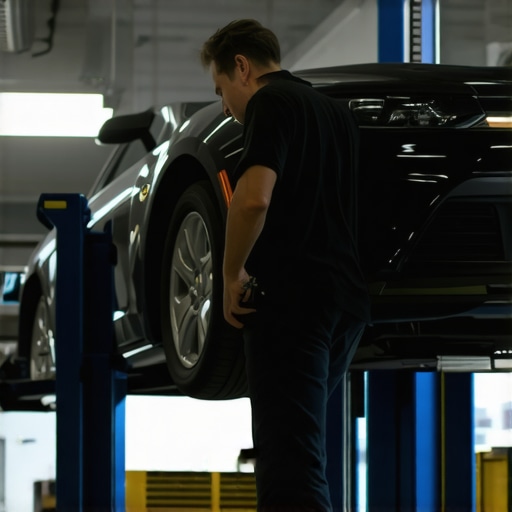
If after these steps the issue persists, it’s wise to visit a qualified mechanic. They can perform a precise wheel alignment and suspend your vehicle on a hoist for a thorough check of components like ball joints and steering linkages. Remember, neglecting these symptoms can lead to uneven tire wear and compromised safety—treating the root cause early is cost-effective and essential.
Prevent Future Drifts by Regular Maintenance
Finally, integrating routine checks into your maintenance schedule makes discovering issues early much easier. This includes periodic tire pressure revisions, suspension inspections, and aligning your wheels every 10,000 to 12,000 miles. Doing so not only keeps your steering straight but prolongs the life of your tires and suspension parts.
 When it comes to auto repair and maintenance, many car owners operate under misconceptions that can lead to costly mistakes. Let’s dig deeper into some of the most misunderstood aspects and reveal the nuances that only seasoned professionals appreciate. For example, a widespread myth is that mixing different brands of engine oil is harmless. However, seasoned mechanics know that oil compatibility matters, especially regarding viscosity and additive packages, which can affect engine performance and longevity. Overlooking this nuance can contribute to increased engine wear over time. Moreover, many drivers believe that a car’s warning lights are always accurate signals of the problem. In reality, warning lights can sometimes be triggered by sensor malfunctions or electrical glitches, leading to unnecessary repairs if not diagnosed properly. A specific trap to avoid is ignoring subtle noises during braking, which might seem insignificant—yet, heading over an uneven pad or a sticking caliper can cause uneven brake wear and compromise safety. Did you know that neglecting to replace transmission fluid at recommended intervals is a common mistake? Not only does it reduce shifting smoothness, but it can also lead to overheating and transmission failure. Studies show that drivers who ignore fluid changes are 40% more likely to experience transmission issues within the first 50,000 miles. This ties into a lesser-known fact: some auto repair shops recommend flush intervals based on generic timelines, but the actual optimal frequency depends on driving habits and conditions. Regularly inspecting and understanding the unique needs of your vehicle can save you from unnecessary repairs. Additionally, many assume that all collision repairs are straightforward, but the intricate process of matching paint shades after bodywork requires expertise. CollisionRenew emphasizes that matching metallic paints or fixing hidden dents demands precision to restore your car’s original appearance seamlessly. Are you aware of how overlooked suspension components, such as ball joints or sway bar links, can cause subtle handling issues that mimic steering misalignment? Advanced diagnostics and a keen eye for detail are essential to identify these hidden problems early. Remember, trusting a professional who knows the ins and outs of vehicle nuances—including the importance of correct torque specifications during repairs—can make all the difference. Think about it: Have you ever fallen into this trap? Let me know in the comments. For more insights into complex repair nuances, check out our article on how CollisionRenew meticulously restores faded plastics after repainting, ensuring your car looks as good as new.Maintaining your vehicle’s performance over the long haul requires more than just basic knowledge; it demands the right tools and a systematic approach. As someone who’s spent years working on everything from transmission repairs to collision repainting, I can attest that investing in quality equipment not only saves you money but also ensures safety and reliability. One must-have in my toolkit is a high-precision digital alignment sensor, like the Hunter HawkEye Elite, which provides quick, accurate wheel alignment readings—crucial for preventing uneven tire wear and steering issues. I personally prefer this over traditional bubble gauges because it offers real-time adjustments and integrates with diagnostic software. Additionally, a reliable set of torque wrenches, such as the Tekton Digital Torque Adapter, is indispensable for ensuring components like suspension bolts or brake caliper brackets are tightened to manufacturer specifications, avoiding potential failures. For diagnosing suspension or bearing problems, I rely on a stethoscope designed for automotive use. Listening to wheel bearings with this device helps identify imminent failures—like the one detailed in [this article](https://collisionrenew.com/the-specific-sound-your-wheel-bearing-makes-before-it-fails)—and prevents costly repairs down the line. To keep the engine running efficiently, I use a scan tool like the Autel MaxiCOM MK808, which not only reads codes but also offers comprehensive live data streams. This allows me to spot issues early, particularly with sensors that influence long-term reliability, such as oxygen sensors or MAF sensors. Moving beyond tools, embracing a proper maintenance routine with software like HaynesPro’s vehicle diagnostics database helps me stay ahead of potential problems. Regular fluid analyses, especially for transmission and brake fluids, inform me when to perform flushes—as explained in [this post](https://collisionrenew.com/why-your-brake-fluid-looks-like-dark-coffee)—ensuring fluid properties don’t degrade, which can compromise safety. Predictive maintenance is the trend heading into the future, driven by advancements in telematics and sensor technology. Automated alerts from onboard diagnostics will soon notify you of failing components before symptoms become severe. Until then, I recommend you start by investing in a diagnostic scanner and establishing a routine check schedule. Want to go all-in? Try using a magnetic oil drain plug with built-in sensors to easily monitor engine oil quality over time. This small upgrade can reveal early signs of wear and help extend your engine’s lifespan. Remember, staying proactive with the right tools enables you to address issues early and keep your vehicle performing at its best.
When I first faced a vehicle that stubbornly pulled to the right, I underestimated the importance of comprehensive diagnostics. The experience taught me that quick fixes rarely address root causes, especially in complex systems like suspension and alignment. My biggest revelation was realizing that balancing tire pressure alone isn’t sufficient; understanding the intricate interplay of suspension components and wheel geometry can make or break your driving experience. Also, trusting industry-specific tools, such as high-precision alignment sensors, proved invaluable—regularly investing in quality tools is a game-changer for DIY enthusiasts and professionals alike. Lastly, I learned that prevention beats cure: scheduling routine inspections can save you from sudden, stressful repairs on the road. The key takeaway? Embrace patience and curiosity—each fix deepens your understanding of how your vehicle truly works, turning maintenance into a rewarding journey rather than a chore.