
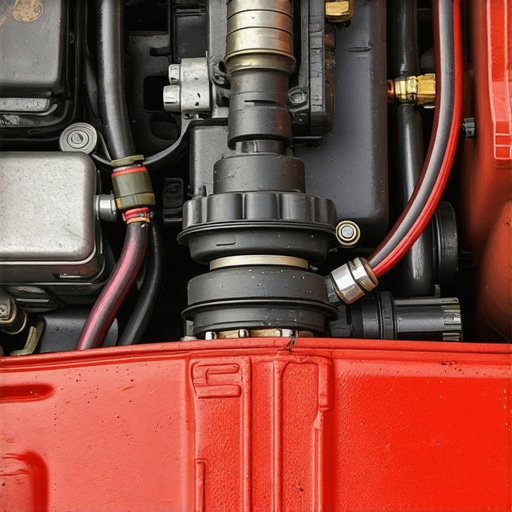
It happened on a rainy Tuesday morning as I turned the steering wheel, expecting the usual smooth response. Instead, I was met with a strange, almost frantic squeal, and a sudden, heavy stiffness in the wheel. My heart sank. Have you ever experienced that gut-wrenching moment when your car behaves unexpectedly, and you realize something’s seriously off? That was my lightbulb moment—those subtle signs that a component is on its way out, in this case, my power steering pump.
Why Recognizing These Signs Early Can Save You Big Bucks
Every car owner knows the frustration of unexpected repairs. But catching the warning signs of a failing power steering pump early can make all the difference—saving you from costly replacements and dangerous breakdowns. Trust me, I learned this the hard way by ignoring some initial hints. It’s like ignoring a little cough until you’re struck with a full-blown cold.
Here’s the thing: Your power steering pump is the unsung hero of smooth driving. It’s responsible for making steering effortless. When it starts to fail, it doesn’t just make your driving less comfortable—it can compromise your safety. Early signs like whining noises, stiff steering, or a fluid leak are more than mere annoyances; they’re red flags.
In fact, neglecting these signs can lead to total pump failure, leaving you stranded or worse, involved in an accident. Experts emphasize the importance of maintenance and early detection. According to a recent study, about 70% of vehicle breakdowns at roadside are due to neglected or delayed maintenance, often involving critical steering components.
If you’re like I was, you might miss these signs because they start subtly. That’s why it’s vital to know what to look out for. Do you remember the last time your steering felt harder than usual or you noticed a strange sound when turning? If so, don’t brush it off. Addressing these issues early can prolong your vehicle’s lifespan and ensure your safety on the road.
This post will guide you through the *tell-tale signs* that your power steering pump is about to quit, along with practical tips on how to handle it before it’s too late. Want to avoid the panic and expense I faced? Keep reading, and let’s get your car back to running smoothly.
Assess the Symptoms Clearly
Start by confirming the signs. Is your steering wheel hard to turn? Do you hear whining noises when you steer? Or is there a noticeable fluid leak under your car? These clues point directly to the power steering system. During my experience, noticing a sudden stiffening in wheel movement prompted me to delve deeper. Recognizing early signs can prevent complete pump failure, which often results in costly repair bills.
Gather Essential Tools and Supplies
Before diving into repairs, assemble a few key items: a clean rag, a jack and jack stands, a wrench set, a funnel, and fresh power steering fluid. Having these ready saves time and avoids multiple trips to the parts store. I once underestimated the importance of proper tools, which led to unnecessary delays and frustration. Ensuring your workspace is organized will streamline the process.
Inspect the Power Steering Fluid Level and Condition
Make sure the engine is off, then locate the power steering reservoir. Remove the cap and check the fluid level—if it’s low, topping it up might temporarily alleviate steering issues. However, do examine the fluid’s clarity; dark or dirty fluid signals the need for a full flush. During my first inspection, I found contaminated fluid, which explained the whining noise. Regular fluid checks can prevent pump strain and extend its lifespan.
Examine for Leaks and Fluid Leaks Points
Look carefully around the pump, hoses, and reservoir for any signs of leakage. Fluid leaks manifest as wetness or stains, often accompanied by low fluid levels. In one instance, a small crack in the hose caused a steady leak, which was easy to repair once identified. Repairing or replacing faulty hoses is critical—ignoring leaks risks further damage to other steering components.
Test the Power Steering Pump Operation
Start the engine and turn the steering wheel from lock to lock slowly. Listen for whining or squealing sounds—these are telltale signs of pump wear. Check if the steering responds smoothly; stiffness or delay indicates a failing pump. I experienced increased difficulty turning the wheel, confirming my pump’s deterioration. Performing this test regularly helps catch issues early.
Perform Basic Maintenance or Plan for Replacement
If the fluid is dirty, drain and replace it with the manufacturer-recommended type. For minor hose leaks, seal or replace hoses as necessary. If the pump whistles loudly or remains stiff after fluid replacement, consider a full pump replacement. During my repair, I replaced the pump after confirming the failure, which restored smooth steering and prevented a breakdown. For detailed guidance, explore transmission repair tips tailored for motor vehicle reliability.
Consult Professional Help When Needed
If you’re unsure about performing complex repairs or the issue persists after basic fixes, seeking professional assistance is wise. Skilled mechanics can diagnose hidden problems, such as worn-out control valves, that aren’t obvious. Remember, proactive maintenance like regular car service checks can catch potential failures early.
Many car owners operate under misconceptions that can lead to costly mistakes. For instance, there’s a common belief that if your vehicle isn’t showing obvious signs of trouble, it’s perfectly fine to postpone maintenance. However, seasoned experts emphasize proactive checks, especially for critical systems like the transmission and braking. Ignoring subtle hints or dismissing early warning signs often results in more severe damage down the road, which is why understanding the hidden nuances of vehicle maintenance is essential.
Why Do So Many Assume More Fluid Is Better for Transmissions?
A widespread myth is that topping off transmission fluid will solve shifting issues. In reality, overfilling can cause foaming, leading to pressure irregularities and gear slippage. Advanced vehicle diagnostics reveal that maintaining the correct fluid level—not just adding more—is vital for long-term reliability. According to automotive engineers, improper fluid levels are among the top causes of early transmission failure, highlighting the importance of accurate checks and professional guidance.
Another misconception pertains to brake service, where many believe that replacing brake pads alone suffices. However, neglecting to inspect and service the brake fluid, rotors, and calipers can compromise safety and cause uneven wear. Regular comprehensive brake assessments, as recommended by brake service experts, can prevent expensive repairs and ensure optimal performance.
When it comes to collision repair, many assume that a good-looking exterior fix is enough. But underlying frame damage or compromised structural elements can jeopardize safety and vehicle longevity. Skilled collision centers use precise measurement techniques, sometimes down to the millimeter, to restore your car’s integrity. You can learn more about this approach in our article on restoring your car to perfection.
For those who think that auto repairs can always wait until symptoms worsen, think again. Early intervention, guided by thorough inspections, often saves money and prevents dangerous breakdowns. A failure to recognize the importance of regular vehicle service checks can be the difference between safe driving and a costly emergency. Have you ever fallen into this trap? Let me know in the comments.
Is Your Vehicle’s Hidden Problem Affecting More Than You Think?
Most advanced auto repair experts agree that overlooked issues, like a minor coolant leak or slight steering wobble, can accelerate wear in other systems and even reduce fuel efficiency. Identifying these hidden problems early requires a keen eye and some knowledge of vehicle dynamics. For example, a small coolant leak might seem insignificant but can cause engine overheating and damage. Regular diagnostics and a trusted mechanic can reveal these issues before they become major headaches. For instance, misdiagnosed problems, such as an unsteady transmission or wobbling steering, are often symptoms of deeper failures which, if left unchecked, escalate quickly.
Remember, successful car maintenance isn’t just about responding to problems but understanding their root causes. This understanding saves money, extends your vehicle’s lifespan, and keeps you safe on the road. If you need help with detailed checks or professional guidance, visit our contact page for expert support. Stay vigilant, and don’t let misconceptions compromise your vehicle’s health!
Tools I Recommend for Long-Term Vehicle Care
When it comes to maintaining your vehicle, having the right tools can make all the difference. I personally swear by a high-quality diagnostic scanner like the OBD2 scanner. Not only does it allow me to read and clear error codes promptly, but it also helps me monitor real-time data such as transmission temperature and brake system status, which are critical for early detection of issues. For instance, using the transmission shudder diagnostic tool can pinpoint loose solenoids or worn-out parts before they cause expensive damage.
In addition, a reliable multimeter is indispensable for checking electrical components like sensors and wiring, especially when diagnosing complex issues related to ABS, airbags, or lighting systems. I prefer models that automatically log readings over time, which helps in understanding patterns or intermittent faults that are easy to overlook during a quick check.
The Value of Consistent Maintenance and Proper Equipment
Regularly inspecting fluid levels and quality using a dedicated fluid tester ensures that components such as the transmission and brakes stay in optimal condition. For example, using a dipstick to monitor transmission fluid helps prevent foaming or contamination, which can lead to gear slippage or overheating. Having a torque wrench also allows me to tighten bolts to manufacturer specifications, preventing over-tightening that may damage sensitive parts.
Looking Ahead: The Future of Car Maintenance Tools
With advancements in automotive technology, I predict that integrated smart diagnostics will become standard. Think AI-powered sensors that predict failures before they happen, notifying you via smartphone app. This proactive approach could significantly reduce breakdowns and repair costs by catching issues early. Staying updated with the latest tools and software will be essential for any car owner who wants to keep their vehicle in top shape.
How do I maintain tools and diagnostics over time?
To keep your tools effective over the long haul, regular calibration and maintenance are key. Clean your diagnostic devices after each use, check the battery health of wireless equipment, and store tools in a dry, organized space to prevent corrosion. Also, keep software firmware up-to-date; many diagnostic scanners release updates that improve compatibility and fix bugs. By treating your equipment well, you ensure reliable performance whenever you need it. I recommend scheduling a bi-annual review of your toolkit, much like you would with vehicle maintenance. For comprehensive guidance on routine checks, see our essential vehicle maintenance tips. And don’t forget—try out your diagnostic scanner on a routine check today. It’s a simple step that can save you headaches and money in the long run.
The Hardest Lesson I Learned About Car Maintenance That Saved Me
Sometimes it takes a wake-up call, like a sudden steering failure, to realize the importance of proactive vehicle care. From my experience with my power steering pump, I learned that ignoring early signs—no matter how subtle—can lead to costly repairs and safety risks. Trust me, paying attention to those small indicators is a secret weapon in maintaining your vehicle’s longevity and safety.
How My Toolbox Became My Most Trusted Ally
Having the right tools, like a quality diagnostic scanner and accurate fluid testers, transformed how I manage car issues. These tools empowered me to identify problems early, saving time and money. I found that investing in reliable equipment is not just about convenience—it’s an essential part of responsible auto ownership that can prevent minor issues from escalating.
Taking Control Before Car Problems Take Over
One of the biggest revelations was understanding that early detection is key. Regular checks of fluid levels, listening for strange noises, and inspecting for leaks have become my routine. This proactive approach ensures that potential failures, like a failing power steering pump, are addressed before they turn into emergencies, making every drive safer and stress-free.
Benefits of Knowing What Most Drivers Overlook
Learning to recognize the subtle signs of system wear—such as unusual noises or slight stiffness—gives me an edge. These insights help me plan maintenance ahead of time, avoiding inconvenient breakdowns. Sharing this knowledge with fellow car owners can elevate everyone’s safety and save big on repairs, proving that education truly is power behind the wheel.
Turning Experience into Expert Advice
If there’s one takeaway from my journey, it’s this: never dismiss the small signals your car sends. Whether it’s a whine when turning or a fluid leak, these are warnings, not nuisances. Being attentive and prepared, with the right tools and knowledge, transforms car ownership from a chore into a rewarding chapter of responsible caregiving. Curious to hear your own experiences or tips—what subtle signs have you caught early? Drop a comment below and let’s keep the conversation driven and insightful.