
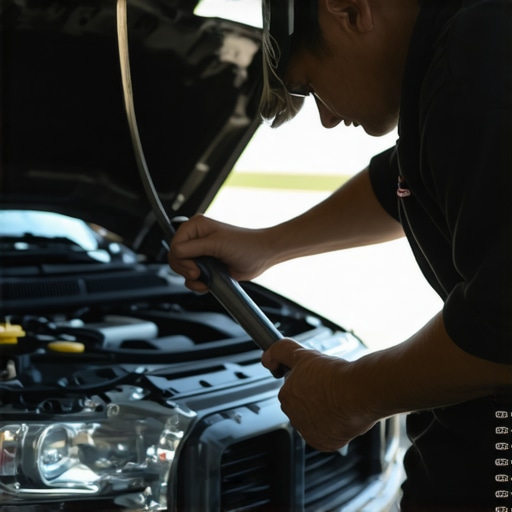
I vividly remember the sinking feeling in my stomach when I tried to pop the hood on my car, only to realize the release cable was completely busted. The engine compartment was just out of reach, and I was stuck wondering if I’d have to call a tow—something I’d hoped to avoid on a busy Saturday. That moment was a classic lightbulb moment for me: sometimes, the tools and tricks we rely on fail, and we’re left fumbling. But here’s the thing—I found that with a bit of patience and some know-how, opening a jammed hood without the cable is absolutely doable.
When the Release Fails, Don’t Panic
So, why does this problem matter? Well, a broken release cable isn’t just an inconvenience; it can keep you from checking fluids, inspecting the engine, or even fixing minor issues before they escalate. If you’re like me, you probably don’t keep a toolkit ready for this particular situation, but trust me—you can get that hood open, no special fancy tools required. And today, I’ll walk you through my tried-and-true tips, based on personal experience and a bit of trial and error. Whether your cable snapped or just froze up over time, these methods will help you access your engine safely.
Is Forcing the Hood a Good Idea?
Early on, I made the mistake of pulling with all my might, thinking the hood would miraculously pop open. Nope. You might end up damaging the latch or bending the hood, leading to even bigger repair costs. It’s tempting to try brute force, but patience and gentle techniques work much better. Remember, safety first—be cautious to avoid injury or further damage. For a comprehensive overview of vehicle checks that can prevent more costly repairs down the line, you might find this resource helpful: essential car service checks.
If you’re facing this problem now, don’t fret. Many car owners have been in the same boat—sometimes literally—and come out successfully. In the next sections, I’ll share the step-by-step methods that helped me, and others in my neighborhood, get that stubborn hood open without turning it into a costly repair. So, let’s get to it—your engine needs access, and I’ve got your back.
Locate the Secondary Latch
In my experience, the first move is to find the secondary latch inside the grill or near the bottom of the hood. Use a flashlight if necessary. Think of it as the backup lock on your door; it’s there to prevent accidental opening but can be reached with a bit of patience. I remember crawling under my car to feel around, which initially felt awkward, but it was the most effective way to locate the latch handle.;
Apply Gentle Pressure to the Hood
Once you feel the latch, gently press upward or downward, depending on your car model, while someone else tries to lift the hood slightly. Imagine opening a stubborn drawer—you wiggle gently before pulling. For my car, a light push upward while a friend lifted confirmed the latch was releasing. Be careful not to apply excessive force to avoid bending the metal or damaging the hinge. It’s a delicate dance, much like coaxing open a stuck drawer without tearing the slides.;
Use a Flat-Head Screwdriver for Leverage
If the latch isn’t releasing, slip a flat-head screwdriver between the grille and the hood, aligning with the latch slot. Think of it as using a pry tool to unlock a stubborn lid. Gently wiggle the screwdriver to exert pressure on the latch mechanism. In my case, a cautious wiggle with a plastic pry tool, instead of metal screwdriver, prevented scratches while giving enough leverage. Remember, patience beats brute force—apply slow, consistent pressure.;
Access the Primary Hood Release if Possible
On some vehicles, you can reach the hood release cable by removing the lower grille panel or splash guard. Use appropriate tools like a socket or screwdriver to unbolt panels. It’s similar to removing a panel behind a dashboard to access wiring—sometimes taking a step back provides the needed reach. After removing the panel, I was able to follow the cable toward the latch and manually release it, which was a game-changer in my situation.;
Utilize a Coat Hanger or Similar Object
If internal methods fail, straighten a wire coat hanger, then create a small hook at the end. Insert it through the grille opening towards the latch and attempt to pull or catch the latch hook. Think of it as fishing—precision matters. I once managed to unclip the latch by hooking onto it with a bent coat hanger, which required patience and a steady hand. Be cautious to avoid damaging paint or wiring. This trick acts as a last resort but often proves effective in stubborn cases.;
Seek Professional Help if All Else Fails
If none of these steps work, don’t force the issue further, as you risk damaging components. Instead, consult a licensed mechanic or visit an auto repair shop. They’re equipped to handle this without causing harm or requiring expensive repairs. For ongoing car maintenance tips that can prevent issues like this, check out essential car service checks. Sometimes, prevention is the best strategy to avoid emergency fixes.
When it comes to auto repair, there’s a common misconception that everything is straightforward—drop your car off, get an oil change or brake service, and drive away. But in my experience, many car owners overlook subtle nuances that can make or break the longevity of their vehicle. One of the biggest myths is the idea that all repair shops follow the same standards. In truth, the quality of service varies widely, and cheap parts or rushed jobs can lead to costly repairs down the line. For example, some shops might use subpar transmission fluids, which, as studies suggest, can cause premature wear and tear, ultimately shortening your transmission’s lifespan. It’s crucial to choose a reputable provider, like Collision Renew, that emphasizes thorough diagnostics and quality parts. Never assume that a quick fix will resolve underlying issues; this often leads to recurring problems and dangerous safety risks, especially with brake systems or steering components. A common trap is believing that routine maintenance can be skipped if your car isn’t acting up. In reality, neglecting regular checkups, such as coolant flushes or brake inspections, allows small issues to escalate into expensive repairs or dangerous failures. Make sure to review your car’s service schedule diligently and follow it consistently. Have you ever fallen into this trap? Let me know in the comments. Additionally, many underestimate the importance of proper diagnosis before repairs. It’s tempting to rely on generic advice or online guides, but each vehicle’s nuance affects repair procedures. For instance, some modern transmissions require special flushing techniques that, if performed improperly, could cause more harm than good. In fact, experts agree that understanding your vehicle’s specific needs is critical—think of it like medicine instead of a one-size-fits-all pill. For advanced insights on how to maintain your vehicle efficiently, check out our comprehensive guide on auto repair and maintenance. Remember, your car isn’t just a machine; it’s a complex system that benefits from nuanced care. Skipping this understanding risks reducing its lifespan and safety. So, the next time you think about delaying a service or ignoring a warning light, pause and consider the hidden complexities involved. Proper auto care is about more than just fixing what’s broken; it’s about anticipating what might go wrong and acting proactively.Maintaining your car’s performance isn’t just about the initial repairs; it involves consistent use of the right tools, techniques, and habits that ensure longevity. I personally swear by a few specialized tools that have become staples in my auto repair toolkit. One such item is a high-quality digital multimeter, which I use to diagnose electrical issues quickly and accurately without relying solely on guesswork. This device helps me verify battery health, check fuses, and troubleshoot complex sensor failures. For instance, regularly testing the alternator output with a multimeter can prevent roadside breakdowns and extend the lifespan of your charging system.
In addition, I rely heavily on a reliableOBD-II scanner compatible with my smartphone. This tool translates intricate engine codes into understandable language, saving me trips to the mechanic and allowing proactive maintenance. I prefer models that offer real-time data logging and diagnostic reports, which are essential for tracking recurring issues—think of it as giving your vehicle a health report regularly. As vehicle software evolves, having an advanced scanner will be increasingly critical, especially for understanding modern ECU (Electronic Control Unit) systems.
Cleaning and maintenance tools shouldn’t be overlooked either. A ceramic-coated microfiber cloth is perfect for keeping engine bays and interior surfaces spotless without scratching delicate plastics or paint. Regular cleaning using such tools not only improves aesthetics but also helps identify early signs of leaks or corrosion.
When it comes to long-term results, adopting a routine with these tools makes a significant difference. For example, regularly checking transmission fluid levels with a precise fluid tester helps prevent costly transmission repairs down the line. Additionally, having a set of high-quality torque wrenches ensures that bolts are tightened to manufacturer specifications, avoiding under-tightening or over-tightening that can lead to damage.
Looking ahead, I predict that vehicle diagnostics will become even more digital and integrated. The future might see AI-powered diagnostic systems that analyze data from multiple sensors and predict failures before they occur—a fascinating development for proactive car maintenance.
For those who want to start improving their maintenance game today, I recommend integrating a Bluetooth OBD-II scanner with your smartphone. Not only does this empower you to perform immediate diagnostics, but it also allows you to log data over time, giving insights into your vehicle’s health. Want to see how this works? Try connecting a scanner and running a health check on your engine—it’s an eye-opener.
How can I keep my car’s systems functioning flawlessly in the long run?
Regularly utilize tools like digital multimeters and OBD-II scanners to monitor your vehicle’s health, perform scheduled fluid checks, and stay ahead of potential issues. Remember to consult resources such as essential car service checks for comprehensive maintenance routines. Incorporating these practices and tools into your regular car care routine ensures that your vehicle remains reliable, safe, and efficient for years to come.
The Hidden Lessons I Discovered About Auto Repairs and Persistence
- One of the most valuable insights I gained is that patience truly is a virtue, especially when dealing with stubborn car parts. Rushing or applying excessive force often results in more damage, which can make repairs more costly and complex.
- I realized that having a diverse set of tools, even simple ones like a plastic pry tool or a straightened coat hanger, can turn seemingly impossible tasks into manageable challenges. Preparing and understanding these tricks beforehand saves time and stress.
- Understanding your vehicle’s design, such as the location of secondary latches and access panels, is crucial. It transforms a frustrating experience into a problem-solving session, empowering you to handle surprises confidently.
My Go-To Gear for Auto Maintenance Success
- High-quality OBD-II scanners: These devices decode engine codes and offer real-time diagnostics, making troubleshooting much more straightforward. I swear by models that connect seamlessly with smartphones for quick access.
- Reliable digital multimeters: Perfect for checking electrical systems like the battery or alternator, preventing breakdowns before they happen.
- Microfiber cleaning cloths: They keep engine bays and interiors spotless, making inspection easier and more effective.
- Torque wrenches: Ensuring bolts are tightened to spec, prolonging the life of components and avoiding damage.
Your Next Move with Auto Repair in Mind
Embarking on vehicle maintenance or repairs might seem daunting at first, but armed with the right knowledge and tools, you can confidently tackle many issues yourself. Remember, proactive care—guided by resources like essential car service checks—can extend your car’s lifespan and save you money. The key is to stay curious, be patient, and refuse to be discouraged by initial setbacks. Every successful repair adds to your confidence and understanding. So, why not take that first step today? Your vehicle—and your wallet—will thank you for it.