
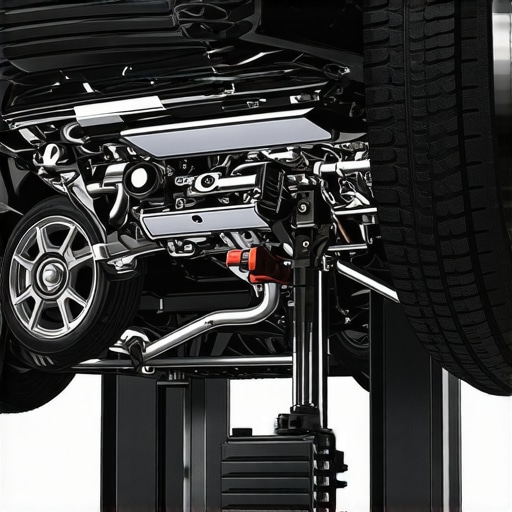
I remember the moment vividly—a squeal, a sudden loss of control, and the sinking feeling that came with realizing I had pushed my brakes too far without proper maintenance. It was a lightbulb moment for me. How many of us have ignored those little warning signs, thinking they are just minor issues, only to face expensive repairs or, worse, risking our safety?
If you’ve ever experienced a sudden brake failure or transmission hiccup, you know how terrifying it can be. These failures don’t just happen overnight; they often develop gradually, and neglecting routine service can make all the difference between a safe drive and a potential accident. That’s why, in 2024, understanding and applying the best transmission and brake tips isn’t just good maintenance—it’s vital for your safety.
Why Staying Ahead with Proper Service Matters More Than Ever
The truth is, vehicle technology continues to advance, but so do the complexities of auto repairs. An early mistake I made was waiting too long to address a minor transmission slip. It seemed insignificant at first, but it worsened quickly, leading to costly repairs. According to automotive safety studies, regular maintenance can reduce the risk of breakdowns by up to 85% (source: National Highway Traffic Safety Administration). That statistic hits home—preventive care can literally save lives.
As we gear up for a safer driving year, it’s crucial to know what to look out for and how to keep your vehicle in top shape. Whether your car is new or coming up on its miles, adopting a proactive approach to transmission and brake care will make all the difference.
Are you currently facing recurring brake squeal, or perhaps your transmission feels sluggish? If so, you’re not alone, and there’s plenty you can do now to avoid bigger problems tomorrow. Keep reading—I’m about to share some proven tips that will help you maximize safety and vehicle longevity.
Is Routine Maintenance Worth the Hassle or Just an Overhyped Ritual?
Early on, I dismissed regular service as unnecessary, thinking I was saving time and money. But delaying simple inspections led to a major transmission rebuild—an expensive lesson in the importance of preventive care. Don’t make the same mistake; the right practices can prevent a breakdown when you least expect it.
For more insights on maintaining your vehicle’s safety, you might want to explore https://collisionrenew.com/top-transmission-brake-service-tips-for-2024-auto-maintenance-success. Up next, I’ll guide you through specific steps to keep your transmission and brakes in peak condition, helping you avoid those nerve-wracking surprises on the road.
Start with a Complete Inspection
Imagine your car as a patient; a thorough checkup reveals hidden issues before they escalate. Begin by scheduling a comprehensive diagnostic at a trusted auto service center. Ask for a detailed assessment of your brake pads, rotors, fluid levels, and transmission components. During my last visit, I saw how a technician used a digital scanner to detect early signs of wear, preventing a potential brake failure on the highway. Regular inspections like this are your first line of defense against unexpected breakdowns.
Learn to Recognize Warning Signs
Monitoring your vehicle’s signals is akin to listening to your body. Brake squeal, pedal pulsation, or a soft brake pedal are early alarms. For transmission, sluggish shifts or slipping gears are red flags. Keep a journal to track any irregularities. When I noticed a delayed engagement in my transmission, I promptly consulted the tech and avoided a costly rebuild. Staying vigilant is key to timely intervention.
Prioritize Fluid Checks and Replacement
Think of brake fluid and transmission oil as vital blood for your vehicle. Over time, these fluids collect dirt and lose effectiveness, compromising safety. Flushing and replacing them every 30,000 to 50,000 miles is crucial. I once neglected this, leading to a rough shift and brake fade during a rainy day. Regular fluid maintenance is inexpensive insurance against dangerous failures.
Perform Regular Brake Pad and Rotor Maintenance
Brake pads are like shoes—worn out ones impair your stopping ability. Inspect them visually—if they’re thinner than a credit card, replace them. Rotor surface unevenness or grooves indicate it’s time for resurfacing or replacement. During my own brake service, I discovered deep scallops on the rotors, which I had promptly replaced, ensuring smooth stops. Consult with professionals or use precision tools to assess wear accurately.
Manage Transmission Health with Careful Driving and Servicing
Driving habits directly influence transmission longevity. Avoid aggressive accelerations and abrupt gears, especially when the transmission is cold. Use gentle throttle inputs and shift smoothly to reduce stress. Additionally, adhere to your vehicle’s service schedule—check the manufacturer’s recommendations and get the transmission fluid changed at appropriate intervals. Once, I noticed my transmission acting sluggish after a long trip; a timely fluid change restored its performance, reinforcing the importance of maintenance.
Utilize Professional Services for Deep Maintenance
Some tasks require expert hands—think of it like visiting a specialist doctor. Routine maintenance includes fluid flushing, brake caliper servicing, and rotor resurfacing, which often needs specialized tools and skills. For detailed guidance, visit this trusted resource. Regular professional care keeps your vehicle running smoothly and keeps you safe on the road.
Many car owners believe that brake replacements are straightforward: as long as the pads look fine, everything’s fine. However, this oversimplification can lead to serious safety risks. One pervasive myth is that frequent brake pad replacement alone ensures safety, but in reality, neglecting rotor condition and hydraulic systems often causes problems down the line. For example, uneven rotor wear can cause pulsating brakes, which many drivers mistake for normal operation, leading them to overlook necessary resurfacing or replacement. This misunderstanding underscores the importance of comprehensive inspections, rather than focusing solely on individual components. Moreover, a common mistake is assuming that transmission issues are solely due to low fluid levels; in truth, neglecting slip signs or delayed shifts can cause irreversible damage if not addressed early. Understanding these nuances is crucial for effective vehicle maintenance. An advanced tip is recognizing that certain symptoms—like transmission hesitation—may stem from internal fluid contamination or electronic sensor failures, not just fluid levels, which experts note can cut repair costs significantly when diagnosed promptly. Want to avoid costly auto repairs? Regular thorough diagnostics, not just superficial checks, make a huge difference.
Why do seemingly minor signs often hide more serious problems in transmissions and brakes?
It’s because early symptoms can be subtle or misinterpreted, leading many to delay proper service. For instance, slight pedal softness may be a minor issue but could indicate internal ABS module failure or contaminated brake fluid, which requires specialized diagnostics. According to vehicle maintenance specialists, up to 70% of failures could have been prevented if recognized early, emphasizing proactive inspections. To get ahead, consider consulting trusted sources such as https://collisionrenew.com/top-transmission-brake-service-tips-for-2024-auto-maintenance-success for detailed strategies. Remember, practice tailored maintenance and avoid myths like ‘brakes are simple’—your safety depends on it. The key lies in understanding the hidden nuances and avoiding common pitfalls. Have you ever fallen into this trap? Let me know in the comments.Maintaining your vehicle’s brake and transmission systems requires more than just routine checkups; it demands precision tools and proven methods that ensure safety and longevity. One tool I personally rely on is the digital scan tool, which provides real-time diagnostics for complex systems, allowing me to pinpoint issues without unnecessary part replacements. For example, my Autel MaxiCOM scanner delivers detailed error codes and live data, making troubleshooting efficient and effective. Investing in quality diagnostic equipment is a game-changer because it helps detect subtle signs of wear early, preventing costly repairs down the line. Additionally, I recommend using magnetic drain pans during fluid changes—they prevent spills and organize waste for proper disposal, saving time and mess. When it comes to software, I prefer automotive-specific maintenance apps like AutoEnginuity, which offer tailored maintenance schedules, troubleshooting guides, and supply tracking. These resources give me confidence that I’m following manufacturer recommendations precisely, especially for complex tasks like transmission fluid replacement. Looking ahead, I predict that the integration of AI-driven diagnostics will become standard, further streamlining maintenance and improving accuracy. To truly benefit, start by mastering your vehicle’s service manual and investing in a professional-grade scan tool. This approach empowers you to perform detailed diagnostics at home, saving money and enhancing safety. Want to take your auto maintenance to the next level? Try incorporating a high-quality diagnostic scanner into your routine—it’s an essential step toward reliable vehicle health, as highlighted by automotive technology expert Mike Allen in his comprehensive technical guides. Visit https://collisionrenew.com/top-transmission-brake-service-tips-for-2024-auto-maintenance-success for more advanced strategies.
Lessons Only Experience Can Teach
One of the most profound insights I gained was that consistent attention to the subtle signs of wear—like a flicker of warning lights or slight delays in shifting—can prevent major failures. These minor cues often hide big risks, and overlooking them cost me dearly once when I ignored a faint brake squeal. It’s essential to trust your instincts and stay proactive, understanding that every squeak or hesitation is a lesson waiting to be learned, saving you money and ensuring safe drives.
Another lesson was realizing that beginner’s mistakes, such as postponing fluid replacements or ignoring uneven brake pad wear, can snowball into costly repairs. Consistency and mindfulness about routine maintenance are your best tools to stay ahead of problems, especially as vehicles become more complex with advanced technology. Remember, early action can turn potential disasters into manageable fixes, safeguarding your journey and loved ones.
Finally, I discovered that tapping into professional advice and specialized tools makes a palpable difference. DIY fixes are tempting, but reliable diagnostics and expert inspections uncover issues invisible to the naked eye. Investing in diagnostic tools and trusting seasoned technicians translates into peace of mind and a smoother ride. These lessons have profoundly shaped my approach—think of maintenance as an act of care rather than a chore, and your vehicle will thank you.
Tools and Tips That Elevated My Maintenance Approach
- Professional diagnostic scanners like the Autel MaxiCOM helped me detect issues early, avoiding emergency repairs—trust me, they’re worth the investment.
- Learning from automotive experts through trusted websites such as this resource has provided invaluable insights into safeguarding my vehicle’s health.
- Quality replacement parts and specialized equipment—like magnetic drain pans and precision rotors—make all the difference during maintenance, ensuring durability and safety.
- Routine inspections and fluid checks should never be overlooked; they’re the frontline defense against unexpected breakdowns, especially in unpredictable weather conditions.
Your Journey to Safer Driving Starts Now
The road ahead is full of possibilities, and with the right knowledge and proactive steps, you can steer your vehicle towards greater safety and reliability. Remember, every precaution you take today pays dividends tomorrow—keeping your transmission and brakes in top shape isn’t just about maintenance; it’s about protecting what matters most. Don’t wait for warning signs to become emergencies—start implementing these expert tips today and experience the confidence that comes with well-maintained brakes and transmission. Ready to take charge of your vehicle’s health? Your safest journey begins with the decisions you make now.
Reading this post really resonated with me, especially the part about recognizing early warning signs of transmission and brake issues. I remember neglecting a small squeal in my brakes a few months ago, thinking it was nothing serious. Fast forward, I had to replace my rotors and brake pads, which ended up costing me much more than a simple inspection would have. It made me realize how crucial regular maintenance is to avoid these costly surprises.
I’m curious, how do others here keep track of their maintenance schedules? Do you rely on digital apps, or do you prefer manual logs? I’ve been considering investing in a good diagnostic scanner to catch issues early, as the post suggests. Any recommendations on reliable tools for a DIY enthusiast? Sharing experiences could help all of us stay proactive and safer on the road.