
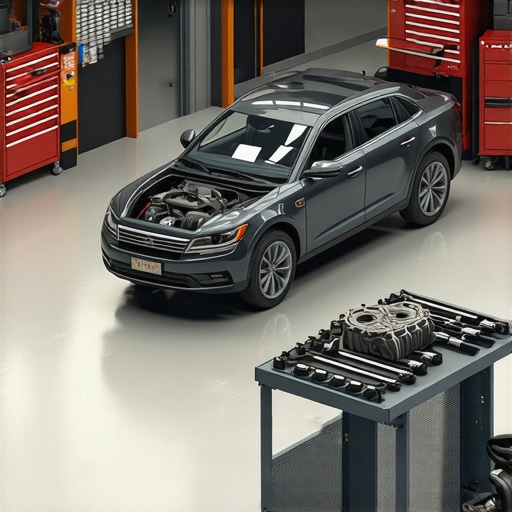
I’ll never forget that sudden squeal of my brakes during a rainy evening, the kind that makes your stomach tighten up. It was a wake-up call—my car was telling me something was off. That moment made me realize how crucial regular maintenance is, especially when it comes to brakes and transmissions. If you’ve ever experienced a strange noise, a sluggish response, or a weird smell from your vehicle, you know how nerve-wracking it can be. But here’s the truth: many of these issues are preventable with simple, proactive strategies. Today, I’m going to share what I’ve learned over years of auto repair experiences about top maintenance tactics for brakes and transmissions in 2024, so you can avoid the panic and keep your ride safe and smooth.
Why Staying Ahead of Brake and Transmission Care Matters More Than Ever
With modern vehicles becoming more complex and road conditions more unpredictable, neglecting these vital components can lead to costly repairs and dangerous situations. The good news? Regular maintenance doesn’t have to be a chore, and it can save you a ton of money and stress down the line. According to recent research, neglected brake and transmission systems are among the leading causes of vehicle breakdowns on the road today. In fact, a study from the National Highway Traffic Safety Administration highlights that proper auto care can reduce breakdowns by up to 40%. That’s a huge difference that could save you from being stranded or worse. If you’re wondering whether it’s worth the effort, I can tell you from experience that the peace of mind and safety it brings are absolutely priceless. Have you faced a sudden brake failure or transmission slip? If so, you’re not alone. But the good news is, with the right strategies, you can prevent these issues altogether.
Is Regular Maintenance Really Worth the Hype or Just a Waste of Time?
When I first started ignoring my car’s warning signs, I learned the hard way. A simple mistake like skipping my brake fluid check turned into an expensive repair. Early on, I thought I could stretch out the intervals or ignore those tiny squeaks, but that only made things worse. Now, I know better. The key is to follow expert advice and stick to a consistent maintenance routine. If you want to keep your vehicle running safely and efficiently, I recommend checking out collisionrenew.com’s auto repair tips for 2024. They offer practical guidance that can help you extend your vehicle’s lifespan and avoid costly surprises. The bottom line? Proper, timely maintenance is not just hype—it’s your best insurance for safe driving in 2024 and beyond. So, are you ready to take control of your car’s health and avoid those last-minute breakdowns? Let’s dive into the essential strategies that will keep your brakes and transmission in top shape this year.
Replace Brake Pads Before They Wear Thin
In my experience, a quick visual inspection of your brake pads can save you from costly repairs. I once caught mine just in time after hearing a faint squeal during stops. To do this, park your car on a level surface, remove the wheel, and check the pad thickness. If it’s less than a quarter-inch, it’s time for a replacement. You can either do this yourself if you’re comfortable or visit a trusted auto repair shop for a professional job. Regularly replacing worn brake pads ensures effective stopping power and prevents damage to rotors, which can escalate repair costs. Remember, neglecting this step can lead to brake failure, especially in emergency situations. Keep an eye on brake performance, like a slight pedal softness or increased stopping distance, which often signals pad wear or fluid issues. Check your brake fluid every 12 months, as contaminated or low fluid can diminish braking efficiency. For comprehensive guidance, visit top auto repair tips to stay ahead of potential problems.
Many car owners fall into traps based on popular myths or oversimplified advice regarding auto repair, especially when it comes to brakes and transmissions. Let’s dig deeper into some of these misconceptions and explore what the experts really recommend. One common myth is that waiting until a warning light appears is sufficient before addressing issues. In reality, subtle signs like a slight delay in shifting or unusual noises can precede warning lights by weeks. Ignoring these early indicators can lead to costly repairs or even breakdowns. Regularly inspecting components and understanding their nuanced behaviors is crucial. For example, many believe that brake pads only need replacement once they are completely worn out. However, semi-annual visual inspections can reveal uneven wear or glazing that compromises braking efficiency long before the pads are thin. Advanced auto care involves paying attention to these small signals to prevent emergency situations.
Another trap many fall into is relying solely on mechanic recommendations without understanding the specifics. Some think transmission fluid only needs changing after a certain mileage, but factors like driving style, climate, and vehicle age influence this. An expert approach involves consulting detailed maintenance schedules and considering fluid condition tests. This proactive mindset can extend transmission life significantly.
Now, here’s a question for the seasoned DIYers and auto enthusiasts: How do you differentiate between minor issues that are safe to monitor and those that demand immediate professional attention? The answer lies in understanding the complex behaviors of your vehicle. For instance, a transmission slipping during acceleration might seem minor but can indicate deeper problems like worn clutch plates or low fluid pressure, which require expert diagnosis. Studies show that early intervention based on nuanced understanding reduces repair costs and extends vehicle lifespan. For comprehensive guidance, check out CollisionRenew’s auto repair tips for 2024.
Finally, avoid the misconception that all auto repairs are equal in complexity. Some repairs, like changing brake pads or topping off transmission fluid, are straightforward, but others—such as diagnosing transmission slipping or collision damage—demand specialized knowledge and equipment. Recognizing your limits and seeking professional help when needed can save you money and prevent further damage. Have you ever fallen into this trap? Let me know in the comments.
Invest in Quality Diagnostic Equipment for Reliable Results
One of the most valuable tools I rely on is a high-quality OBD-II scanner. Not all scanners are created equal; I personally use the BlueDriver because it provides comprehensive diagnostics, including live data streaming and advanced error code interpretation. This allows me to pinpoint issues like transmission slipping or brake system faults quickly, saving both time and money. Investing in a reliable scanner helps me stay ahead of potential problems before they escalate, especially with complex modern vehicles. As automotive technology evolves, future diagnostic tools are expected to incorporate AI-driven insights, making troubleshooting faster and more accurate. For anyone serious about maintenance, a good scanner is a must-have. Learn more about the latest diagnostic tools at CollisionRenew’s auto repair tips for 2024.
Master the Art of Fluid Testing and Replacement
Regularly testing your transmission fluid and brake fluid is crucial. I use a fluid test kit that allows me to assess fluid condition without expensive lab testing. This kit measures contamination levels and viscosity, guiding me on whether a fluid change is necessary. This proactive approach prevents issues like transmission wear or brake failure caused by degraded fluids. As I’ve learned, maintaining proper fluid levels and quality extends component lifespan and improves vehicle safety. In the future, I predict more vehicles will feature built-in sensors that monitor fluid health in real-time, alerting drivers directly. To keep your car in top shape, check out expert auto repair tips for 2024.
Use Precision Hand Tools for Safe, Effective Repairs
When performing maintenance, I always turn to torque wrenches and precision screwdrivers. The torque wrench ensures I tighten bolts to manufacturer specifications, preventing over-tightening that could damage components or under-tightening that risks safety. I prefer a digital torque wrench for its accuracy and ease of use. For delicate tasks, my precision screwdrivers allow me to work without stripping screws or damaging sensitive parts. These tools have saved me from costly repairs and ensure my work meets safety standards. As auto repair technology advances, I foresee more tools incorporating digital interfaces and connectivity, making maintenance even more precise. To get started, consider trying out the tools recommended at CollisionRenew’s top auto repair tools for 2024.
How do I maintain my brakes and transmission over time?
Consistent checks, timely fluid changes, and using the right tools are key. For example, scheduling biannual inspections and following manufacturer-recommended intervals for fluid replacements can prevent major failures. Additionally, tracking your vehicle’s performance signs, like unusual vibrations or response delays, helps catch issues early. Leveraging modern diagnostic and repair tools ensures that your maintenance process is accurate and efficient. As vehicle technology continues to evolve, integrating smart tools with your maintenance routine will become standard practice, making it easier to keep everything running smoothly. Don’t forget to explore expert advice and tool recommendations at CollisionRenew’s auto repair guides to stay ahead of the curve.
The Hardest Lesson I Learned About Car Maintenance
One of the biggest lightbulb moments I had was realizing how neglecting minor signs like a faint squeal or delayed shifting could lead to major repairs. I used to ignore small noises, thinking they were nothing, but those tiny indicators are your vehicle’s way of warning you. Now, I understand that paying attention early on can save hundreds of dollars and keep my car running smoothly.
Tools and Resources That Changed My Approach to Auto Care
Investing in a good OBD-II scanner like the BlueDriver has been a game-changer. It helps me diagnose issues quickly, especially with complex modern transmissions. Also, I rely on expert guides from CollisionRenew to stay updated on best practices and avoid common pitfalls. These resources keep me confident in handling routine maintenance and catching problems early.
Nothing Is More Important Than Taking Action
If you want to avoid costly repairs and stay safe on the road, start prioritizing your vehicle’s maintenance today. Regular inspections, timely fluid changes, and quality diagnostic tools make a real difference. Don’t wait until you hear that squeal or feel a slip—be proactive. Your car’s health isn’t just about saving money; it’s about protecting yourself and your loved ones every time you hit the road.
What’s Your Next Step?
Have you ever overlooked a warning sign that turned into a bigger problem? Share your story below and let’s learn from each other’s experiences. The key to safe driving starts with maintaining your brakes and transmission the right way in 2024.