
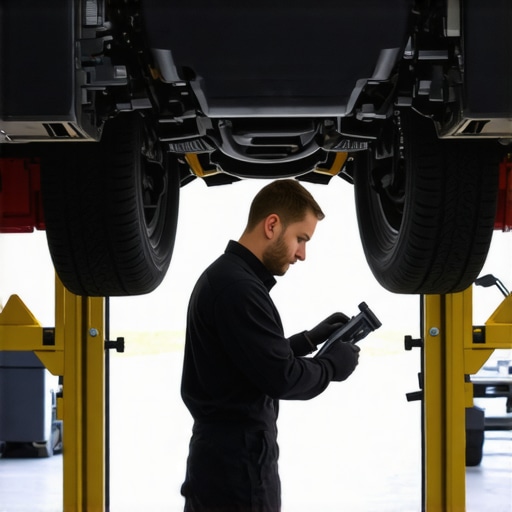
I remember the exact moment I realized I had neglected my car’s crucial safety systems. It was late on a rainy evening, and I pressed the brake pedal, only to feel a vague wobble, like my vehicle was protesting against me. That nervous feeling lingered as I wondered if my current auto maintenance routine was enough. The lights, the schedules, the quick fixes — they all added up, but I ignored the real warning signs.
The Hidden Danger of Overlooking Brake and Transmission Maintenance
Here’s the thing: your car’s brakes and transmission are its lifelines on the road. When they falter, it’s not just about costly repairs — it’s about your safety and that of your loved ones. Especially in 2024, with newer vehicle models and advanced tech, neglecting regular service could have grave consequences. Did you know that according to the National Highway Traffic Safety Administration, nearly 22% of all crashes involve some form of brake failure? That statistic got my attention, and I bet it will do the same for you.
If you’re wondering whether you really need to invest time and money into these systems, I’ve been there. Early on, I made a mistake by trusting a quick oil change to be enough. But then, I learned that ignoring critical components like brakes and transmission could leave you stranded or even make a simple stop turn into a scary situation. So, today, I want to share practical tips to help you understand why these services matter and how to keep them in top shape.
Is Regular Maintenance Really a Worthwhile Investment?
Many drivers share my initial skepticism—thinking of brake checks and transmission service as optional perks rather than essentials. I used to think, ‘It’s fine — my car seems okay.’ But that was a mistake. Proper maintenance isn’t just about avoiding breakdowns; it’s about maximizing safety and vehicle longevity. Trust me, I’ve learned the hard way that a small investment here can save you a lot of worry—and money—later on. For a comprehensive overview, check out this guide on brake and transmission maintenance.
In the upcoming sections, I’ll walk you through the practical steps to keep your vehicle running safely and smoothly throughout 2024. So, if you’ve ever faced that sudden scare on the road or just want peace of mind, stay tuned — because your car’s safety is worth every effort.
Inspect and Replace Brake Components Regularly
Think of your brake system as the foundation of your car’s safety—if it weakens, everything else becomes unreliable. During my first hands-on brake check, I used a simple jack and a set of wrenches to remove the wheels and examine the brake pads. I noticed uneven wear, which could have led to brake failure if ignored. To prevent this, inspect the brake pads for thickness—if they’re less than a quarter-inch, it’s time to replace them. Also, check the rotors for grooves or warping that could compromise braking efficiency. For detailed guidance, visit this comprehensive brake maintenance guide. Remember, timely replacement of worn parts restores braking power and ensures your safety on the road.
Flush and Service the Transmission System
Imagine your transmission as the car’s circulatory system—if it’s clogged or contaminated, your vehicle struggles to distribute power smoothly. I once faced slipping gears during a long trip; a quick transmission fluid change sorted out the issue. To do this properly, I warmed up the engine, then drained the old fluid from the transmission pan, cleaned the filter, and refilled with fresh fluid suited for my vehicle. It’s crucial to use the correct type of transmission fluid and follow manufacturer torque specifications. For expert advice, explore this advanced transmission maintenance article. Regular flushing keeps your transmission in top condition, avoiding costly repairs later.
Keep Systems Clean and Free of Debris
Clogged or dirty components compromise brake and transmission efficiency. I learned this firsthand when I noticed that dirt had accumulated around my brake calipers, causing sticking brakes. Removing the wheels and carefully cleaning the calipers and surrounding areas with a brake cleaner prevented uneven wear and rust buildup. For transmission, keeping the underside of the vehicle free of debris helps prevent corrosion and damage. Schedule regular washings focusing on these critical areas. For more tips on preventing auto damage, review this expert body repair advice. Clean components operate more efficiently and extend vehicle lifespan.
Schedule Professional Tune-Ups and Inspections
While DIY checks are valuable, professional inspections catch issues I often missed. I once ignored a subtle leak in my transmission, which a mechanic identified and corrected before it caused severe damage. Regular professional service includes detailed diagnostics, fluid analysis, and component testing. Planning these inspections every 12 months or 12,000 miles ensures your vehicle stays reliable. To find trusted service providers, refer to this list of top auto repair strategies. Professional oversight optimizes safety and vehicle performance, saving you money long-term.Many car owners believe that sticking to basic maintenance schedules is enough, but in reality, understanding nuanced details can save you money and ensure safety. For instance, a common myth is that transmission fluid needs changing only when it appears dirty; however, expert insights reveal that proactive flushing prevents microscopic wear particles from causing long-term damage. This is supported by studies from automotive specialists indicating that early intervention often reduces repair costs significantly. Conversely, neglecting subtle signs, like slight transmission slipping, can result in catastrophic failure if not addressed promptly. Additionally, many drivers underestimate the importance of precise brake component replacement, assuming that pad thickness alone determines safety. In reality, uneven rotor surfaces and caliper issues also play critical roles in braking efficiency. Overlooking these details can lead to dangerous situations, especially in adverse weather conditions. A well-informed approach to auto repair emphasizes the importance of comprehensive inspections—not just surface-level checks. For example, examining individual brake parts for corrosion or uneven wear can prevent accidents. When dealing with complex systems, avoid the trap of incomplete fixes by trusting only seasoned professionals who perform full diagnostic assessments. This approach aligns with recommendations from industry experts who suggest regular, detailed inspections as part of your vehicle’s preventive maintenance. Wondering how to spot subtle transmission issues before they escalate? One key tip is monitoring gear engagement smoothness and engine response, which can often indicate early wear. Remember, it’s not just about fixing what’s visibly broken but understanding the intricate workings of your vehicle. For deeper insights into how advanced diagnostics can prevent costly repairs, explore [this comprehensive guide on auto maintenance](https://collisionrenew.com/expert-collisionrenew-body-auto-repair-tips-for-2024-safety). Overconfidence in quick fixes often leads to overlooked problems—don’t fall into that trap. Regular, holistic service ensures your vehicle remains reliable and safe for years to come. Have you ever fallen into this trap? Let me know in the comments.
Maintaining your vehicle’s transmission, brakes, and overall systems requires more than just routine visits to the shop. Over the years, I’ve found that investing in the right tools and adopting effective methods can significantly extend your car’s lifespan and safety. One of my essential tools is an OBD-II scanner, such as the BlueDriver. I personally prefer this device because it offers detailed diagnostics, including transmission trouble codes and brake system alerts, directly syncing with my smartphone. This immediate insight allows me to address issues before they escalate, saving money and preventing breakdowns. Additionally, I rely on a quality brake caliper piston reset tool, which makes brake pad replacements smoother and ensures proper piston retraction—something I learned the hard way during my early DIY repairs. As for tips, I use a digital torque wrench when tightening transmission pan bolts, ensuring I follow manufacturer specifications precisely, which is critical for avoiding leaks or component damage. In the future, expect more intelligent diagnostic tools integrating AI to predict maintenance needs based on driving patterns, making proactive care more accessible.
How do I keep my vehicle’s critical systems in top shape over time?
Regularly scheduled deep diagnostics paired with the right equipment, like high-quality fluid testers and contamination analyzers, help me catch subtle degradation early. For example, I use a transmission fluid refractometer to measure fluid contamination, ensuring timely flushes and avoiding costly repairs. When it comes to tools, I recommend investing in a professional-grade ultrasonic cleaner for cleaning brake components; it thoroughly removes debris and corrosion that can compromise safety. This precise cleaning not only restores braking effectiveness but also prolongs component life. Practical methods also include detailed visual inspections using a borescope camera to check for internal wear in transmission parts without dismantling the entire assembly. By combining advanced tools with methodical, hands-on maintenance, I ensure my car remains reliable through decades of driving. Want to elevate your auto maintenance game? Start by incorporating a diagnostic scan with your routine checkups, and see firsthand how early detection can save you from tomorrow’s headaches. For more insights on effective auto care strategies, visit this comprehensive guide.
Over the years, I’ve learned that the true secret to keeping your vehicle reliable isn’t just about quick fixes—it’s about understanding the lesser-known lessons that come from hands-on experience. One of the most eye-opening realizations was how overlooked details, like the timing of brake fluid flushes or the subtle signs of transmission wear, can make all the difference in preventing costly repairs and ensuring safety.
Lessons That Changed My Approach to Vehicle Care
- Ignore the small signs at your peril: A tiny squeal or minor delay in shifting can indicate bigger problems. Catching these early has saved me a lot of stress and money.
- Every component has a story to tell: From brake pads to transmission filters, each part reveals its health in ways that aren’t always obvious. Regular inspections are like reading your car’s diary.
- DIY can be empowering, but it’s a double-edged sword: I’ve saved money by doing simple checks myself, but trusting professional diagnostics ensures I don’t miss the bigger picture.
- Investing in quality tools is worth it: From a reliable OBD-II scanner to specialized brake cleaners, the right equipment transforms maintenance from guesswork into precision.
Tools and Resources That Keep Me Ahead
- BlueDriver OBD-II Scanner: This device provides deep diagnostic insights, helping me identify issues before they escalate. Its user-friendly interface makes complex data accessible.
- Ultrasonic Brake Cleaner: A game-changer for cleaning calipers and debris, ensuring smooth braking performance and prolonging component life.
- Transmission Fluid Refractometer: Monitoring fluid contamination levels helps me plan timely flushes, avoiding more extensive repairs down the line.
- Trusted Automotive Guides and Forums: I frequently visit websites like CollisionRenew’s expert tips to stay updated with the latest best practices in auto care.
Ready for Your Next Auto Maintenance Move
The journey to a safer, more dependable vehicle is ongoing, but with the right knowledge and tools, you can take control of your auto care routine. Regular diagnostics, proactive part replacements, and trusted resources pave the way for peace of mind on every trip. Remember, your vehicle’s safety isn’t just about avoiding breakdowns—it’s about protecting those you care about most. What’s one minor maintenance step you’re planning to tackle today? Let me know below, and let’s keep each other moving safely forward.
This post really hit home for me. I used to neglect routine brake inspections because I thought as long as my car was running smoothly, everything was fine. But after a sudden wobble on the highway and a quick check, I realized how even small signs of wear can escalate quickly. I’ve since started doing visual inspections myself and investing in some essential tools like a brake caliper piston reset tool and an OBD-II scanner. It’s incredible how much peace of mind these small investments bring. I wonder, for those who do DIY maintenance, what’s your go-to tool or resource to stay ahead of potential issues? I’d love to hear about your experiences and tips, especially for beginners who want to start checking their systems more regularly.