
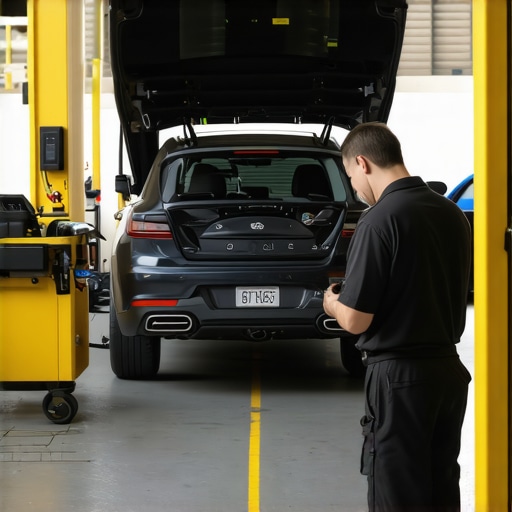
I remember the moment I realized my brakes were losing their bite. It was late one rainy evening, and I pressed the pedal just a little too late — the squeal of warning was unmistakable. That scare was a wake-up call. Since then, I’ve learned that neglecting top-tier brake and transmission services isn’t just risky; it’s downright dangerous, especially as our vehicles become more advanced in 2024.
Ensuring Your Car Stops When It Matters Most
Every driver deserves peace of mind behind the wheel, knowing their car will respond reliably in critical moments. But with so many options and so much information out there, it’s easy to overlook the importance of regular, professional maintenance on brakes and transmissions. The truth is, these systems are the heart of your vehicle’s safety — and neglecting them can lead to costly repairs, or worse, accidents.
Today, I want to share my personal experience and guide you through why investing in top brake & transmission services in 2024 is more than just routine maintenance — it’s a life-saving decision. We’ll explore how to spot warning signs early, what to look for in quality service, and how to prevent breakdowns before they happen. Because trust me, the peace of mind that comes with knowing your vehicle is in top condition is priceless.
Is the Latest Brake Technology Really Worth the Hype?
When I first heard about advanced brake systems and transmission upgrades, I was skeptical. My early mistake was undervaluing the importance of expert advice. I thought, “It’s just brakes, right?” Wrong. As I learned, modern vehicles incorporate sophisticated safety features that require expert servicing. Missing out on these innovations or trusting an unqualified mechanic can compromise your safety. For real, I recommend checking out [expert strategies for safer driving in 2024](https://collisionrenew.com/expert-brake-transmission-service-strategies-for-safer-driving-2024) to see what’s new and how to stay ahead.
If you’ve ever wondered whether your current brake or transmission maintenance is enough, or if you’re risking your safety, you’re not alone. Many drivers ignore early warning signs — until it’s too late. That’s why I’m here to help you understand what’s at stake and how to make smarter choices for your vehicle’s health.
So, are you facing persistent squeals, delayed shifting, or strange vibrations? If yes, then it’s time to take action. In the next sections, I’ll walk you through practical steps to keep your car safe, reliable, and ready for whatever 2024 throws at us. Because, at the end of the day, safety isn’t just a feature — it’s a priority.
Prioritize Regular Inspections and Fluid Checks
Think of your brake and transmission systems as the blood vessels of your car; they need to stay clear and healthy to keep everything flowing smoothly. During my first year of ownership, I overlooked routine fluid checks until I noticed delayed shifts and a spongy brake pedal. That mistake cost me a costly repair, but it also taught me a vital lesson. Schedule a professional inspection every 6 months, especially before long trips or extreme weather. Regularly check brake fluid levels and transmission fluid condition. Low or contaminated fluids are often the first signs of future problems and can be easily addressed if caught early.
Learn to Recognize Warning Signs Early
Imagine your vehicle’s systems as a trusted friend whispering warnings. Squealing brakes, a burning smell, delayed gear engagement, or vibrations when shifting are all red flags. Once, I ignored a persistent squeal, thinking it was just brake dust, until I found myself nearly skidding in an emergency stop. Stay alert to these signs; they’re your car’s way of telling you something needs attention. Use your senses and don’t hesitate to visit a specialist if you notice anything unusual. Early repairs are less expensive and save lives, especially with advanced safety features in 2024 vehicles. For detailed signs to watch, visit this guide.
Invest in Modern Brake Technology
When I upgraded my car’s brake system to include adaptive braking features, I felt a significant boost in confidence. Modern systems like ABS, electronic stability control, and automatic emergency braking are game-changers. They act like an extra set of eyes and hands, especially in adverse conditions. For example, I once faced sudden rain on a busy highway; my new brakes kicked in faster, helping me avoid a collision. These innovations are worth the investment, but only if installed and maintained by certified technicians. Learn more about the latest in cutting-edge brake tech and ensure your vehicle leverages these safety features.
Choose Quality Service Providers
During a routine transmission flush, I accidentally went to a less reputable shop. The mechanic used the wrong fluid, which caused shifting issues and a costly redo. That experience made me realize the importance of selecting certified, experienced professionals. Look for shops that specialize in your vehicle’s make and model, and check reviews or certifications. A good technician will perform a comprehensive diagnostic and use genuine parts. Remember, cheap shortcuts can compromise safety, especially with critical systems like brakes and transmissions.
Schedule Preventive Maintenance and Follow Up
Proactive maintenance is like regular health check-ups — they keep everything running optimally. I set reminders for oil changes, fluid replacements, and system diagnostics. After a major repair, I always follow up to confirm everything operates correctly. This approach prevents minor issues from turning into emergencies. Explore seasonal maintenance tips and create a schedule tailored to your driving habits and vehicle type. Consistency is key to ensuring your brakes and transmission serve you reliably through 2024 and beyond.
Many drivers operate under the misconception that as long as their brakes and transmission seem to be functioning normally, there’s no need for frequent, expert maintenance. This belief can lead to costly repairs and dangerous situations down the line. The reality is, even subtle issues in these systems often hide behind normal operation, making early detection crucial. For example, a minor delay in shifting or slight squealing during braking might seem insignificant, but these are often early warning signs of underlying problems that require professional attention. Relying solely on instinct or routine checks without expert diagnostics can be a trap, especially as modern vehicles incorporate complex safety features that demand precise servicing. I recommend regularly consulting professional guides on comprehensive vehicle maintenance to stay ahead of these issues.
Why do so many drivers fall for these myths?
It’s partly because of a lack of technical knowledge and partly because of the belief that modern cars are more resilient. However, a study by the National Institute for Automotive Service Excellence highlights that neglecting routine checks significantly increases the risk of system failure, especially in advanced models with electronic stability controls and anti-lock braking systems. The truth is, skipping expert service and relying on DIY fixes or cheap shops can lead to what I call the ‘hidden trap’—where problems grow beneath the surface until they cause a breakdown or compromise safety.
Another common mistake is underestimating the importance of high-quality parts and certified technicians. Cheap parts and unqualified mechanics may save a few dollars initially but often lead to more expensive repairs later. For instance, using the wrong transmission fluid can cause shifting issues that may not be immediately apparent but could escalate into complete transmission failure. To avoid this, always opt for certified service providers and genuine parts, and don’t hesitate to consult detailed guides like expert strategies for brake and transmission safety.
Furthermore, advanced driver-assistance features such as automatic emergency braking and adaptive transmissions require specialized knowledge for proper maintenance. Many drivers assume that these systems are maintenance-free, but in reality, neglecting their upkeep can render them ineffective when you need them most. Regular diagnostics and updates from qualified technicians are essential for ensuring these innovations work as intended.
Have you ever fallen into this trap? Let me know in the comments. Staying informed and proactive about your vehicle’s health isn’t just about saving money—it’s about ensuring safety and peace of mind on every drive.
Invest in Precise Diagnostic Tools
One of the most valuable tools I rely on is a high-quality OBD-II scanner. Not all scanners are created equal; I personally use the BlueDriver because it provides detailed live data and fault codes specific to brake and transmission systems. This allows me to identify issues early, such as clogged sensors or electronic glitches, before they escalate. Regularly connecting my vehicle to this device helps me monitor the health of critical components and plan maintenance proactively. As vehicle technology advances, diagnostic tools are becoming more sophisticated, and I predict integration with smartphone apps and AI-driven diagnostics will become standard, making maintenance even more accessible and precise.
Utilize Specialized Lubricants and Fluids
Using the right lubricants and fluids is essential for keeping systems like brakes and transmissions functioning smoothly over time. I always opt for OEM-recommended fluids, which I purchase from trusted suppliers. For example, high-quality brake fluid with a DOT 4 rating ensures optimal hydraulic performance and prevents moisture buildup that can cause corrosion. For transmissions, synthetic oils like Valvoline MaxLife have proven to extend fluid life and improve shifting performance. Regularly changing these fluids according to manufacturer specifications can dramatically extend the lifespan of your components and prevent costly repairs. Advances in synthetic lubricants continue to improve resistance to heat and wear, so staying updated on the latest formulations is vital.
Implement Routine Maintenance Software
Managing maintenance schedules manually can be overwhelming, but I rely on specialized software like AutoCare to track service intervals, record repairs, and set reminders. This digital approach ensures I never miss critical tasks like fluid replacements or inspections. Many modern systems even integrate with your vehicle’s onboard computer, providing real-time alerts for issues detected by the vehicle’s sensors. As these tools evolve, they are incorporating predictive analytics, which can forecast failures before symptoms appear. This proactive approach not only saves money but also ensures your brake and transmission systems stay reliable over the long term.
Adopt Advanced Maintenance Methods
For deep cleaning and restoring performance, I recommend using ultrasonic cleaning machines for parts like valves, solenoids, and pistons. These devices use high-frequency sound waves to remove debris and corrosion more thoroughly than manual cleaning. I personally invested in a portable ultrasonic cleaner, which has allowed me to perform professional-grade maintenance at home, saving time and money. As technology develops, I expect these cleaning methods to become more compact and automated, making advanced maintenance accessible even to DIY enthusiasts. Incorporating such methods can help maintain optimal operation and extend the life of your brake and transmission components.
How do I keep my systems working over time?
Consistent application of diagnostic tools, quality fluids, maintenance software, and advanced cleaning techniques forms the backbone of long-term system health. Regularly updating your knowledge with guides like this comprehensive resource ensures you stay ahead of emerging trends. I encourage you to try integrating a high-end diagnostic scanner into your routine — it’s a game-changer for early problem detection and peace of mind. As vehicle technology continues to evolve, staying current with the latest tools and methods will ensure your brake and transmission systems perform flawlessly for years to come.
Lessons That Changed How I Approach Vehicle Maintenance
- One of my biggest lightbulb moments was realizing that neglecting your brakes and transmission isn’t just about inconvenience — it’s about safety. Early signs like squeals or delayed shifts are often ignored, but they’re your vehicle’s way of warning you about bigger problems ahead.
- I learned to prioritize routine inspections and fluid checks, not just as a chore but as a way to catch issues before they become costly repairs or safety hazards. Regular diagnostics with tools like a trusted OBD-II scanner can reveal hidden problems lurking beneath the surface.
- Investing in modern brake technology, such as ABS and automatic emergency braking, has genuinely transformed my confidence on the road. These features are incredible safety allies when maintained properly by certified technicians.
- Choosing the right service provider makes all the difference. I now stick with shops that specialize in my vehicle’s make and always use genuine parts, which keeps my systems functioning optimally and safely.
- Finally, I realized that a proactive maintenance mindset — combining quality fluids, advanced cleaning methods, and smart scheduling — is key to extending the life of my brake and transmission systems. Staying ahead of issues means safer drives and peace of mind.
My Essential Toolkit for Brake and Transmission Success
- BlueDriver OBD-II Scanner: I trust this device for detailed diagnostics and early problem detection, ensuring I catch issues before they escalate.
- OEM-recommended Fluids: Using high-quality brake and transmission fluids from trusted brands prolongs component life and maintains optimal performance.
- Ultrasonic Cleaning Equipment: For thorough maintenance at home, ultrasonic cleaners help keep parts like valves and pistons free of debris and corrosion.
- Maintenance Management Software: Apps like AutoCare help me track service intervals, set reminders, and stay organized, avoiding missed inspections.
Your Next Step to Safer Driving Starts Now
Taking care of your brakes and transmission isn’t just maintenance — it’s a commitment to your safety and peace of mind. With the right tools, knowledge, and proactive habits, you can ensure your vehicle performs reliably through 2024 and beyond. Remember, the best time to act is before warning signs appear.
What’s the most surprising thing you’ve learned about vehicle maintenance? Share your experience below!