
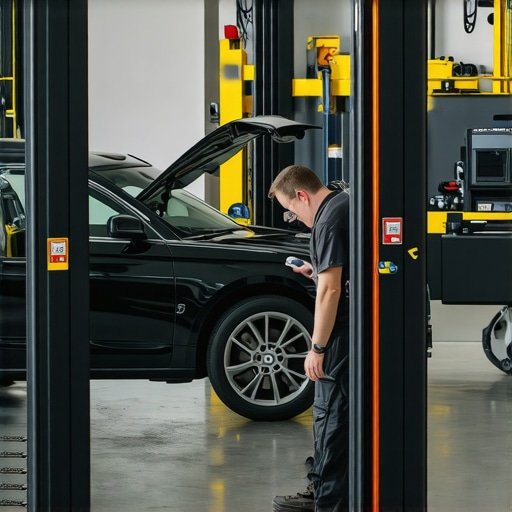
It was a chilly morning when I first heard that dreaded screech from my car’s brakes — the kind of sound that makes your stomach drop. I was on my way to an important meeting, feeling confident behind the wheel, only to be jolted by the sudden, horrifying noise. That moment was a wake-up call. Since then, I’ve learned that neglecting transmission and brake maintenance isn’t just about avoiding costly repairs; it’s about ensuring your safety and the safety of those around you.
Why Staying Ahead with Proper Car Maintenance Matters More Than Ever
Even a seemingly minor oversight in your vehicle’s upkeep can lead to serious consequences. Imagine being on a busy highway, expecting your brakes to respond instantly or your transmission to shift smoothly. Now, consider how neglect or misinformation could threaten that expectation. In 2024, advances in vehicle technology make proper maintenance critical — not just for performance, but for safety. According to the Car Care Council, regular service can extend your vehicle’s lifespan and significantly reduce the risk of accidents caused by mechanical failure.
Is Routine Maintenance Overhyped or Essential?
When I first started out as a car owner, I believed that if my car seemed fine, I didn’t need to fuss over regular check-ups. That was a mistake I quickly paid for. Over time, I realized that skipping routine transmission and brake inspections can turn a small problem into a dangerous breakdown. Early in my auto repair journey, I mistakenly trusted a quick fix that failed months later, almost causing a collision. That experience taught me the importance of following expert-recommended strategies. Want to know how to avoid such pitfalls? Stay tuned for essential tips and insights on keeping your vehicle in top shape with strategies like those discussed [here](https://collisionrenew.com/top-brake-transmission-maintenance-strategies-in-2024). Are you currently facing issues with your car’s responsiveness? If so, you’re not alone. Many drivers underestimate how crucial timely maintenance can be for safety and peace of mind. Let’s dive into practical steps to help you stay ahead on the road.
Start with a Detailed Inspection
Begin by scheduling a comprehensive check-up of your vehicle’s braking and transmission systems. Think of this as a health screening—identifying wear and tear before they turn into costly repairs. During inspection, verify brake pads for thickness and look for uneven wear, which could indicate alignment issues. For the transmission, check for fluid levels and clarity—dark, burnt-smelling fluid signals it’s time for a change. I once caught a minor leak during my routine inspection, which could have led to transmission failure if left unnoticed. Regular inspections are the foundation of effective auto maintenance.
Replace and Repair with Precision
Once issues are identified, proceed with targeted replacements. For brakes, replacing worn pads is like changing shoes for comfort and safety; neglecting it risks brake failure. Use quality parts and follow manufacturer specifications for compatibility. For the transmission, a fluid flush rejuvenates the system—similar to getting enough blood flow for your body. I personally performed a fluid change after watching a tutorial, and the vehicle’s response improved markedly. Trust expert-recommended practices like those outlined [here](https://collisionrenew.com/auto-repair-tips-collisionrenew-strategies-for-2024-success) to get it right.
Optimize Your System’s Performance
After replacing components, focus on fine-tuning. For brakes, ensure rotor surfaces are smooth to prevent vibrations and noise. For transmission, adjust the linkage and check calibration, so shifts are seamless. This step is akin to tuning a musical instrument—you want harmony between parts. I onceAdjusted a clutch cable myself and noticed smoother gear shifts afterward—saving me from future repairs. Consider using professional services that adhere to the latest [top maintenance tips](https://collisionrenew.com/top-brake-transmission-maintenance-strategies-in-2024). Proper calibration not only extends component life but also enhances safety.
Leverage Preventive Maintenance Strategies
Establish a regular schedule for fluid changes, brake inspections, and component checks. Think of this as regular exercise for your car—keeps everything running smoothly and reduces the likelihood of breakdowns. Use reminders or a maintenance log to track service dates. When my mechanic advised me to replace brake fluid every 20,000 miles, I followed that advice and avoided emergency repairs. Preventive maintenance acts as a shield against unexpected failures, especially when following trusted strategies like those found [here](https://collisionrenew.com/ultimate-auto-repair-collisionrenew-tips-for-2024-car-maintenance). Keeping ahead of wear prolongs your vehicle’s efficiency and safety.
Address Issues Promptly to Avoid Future Risks
Recognize warning signs like unusual noises, vibrations, or delayed responses. Addressing these early prevents small issues from escalating. For instance, I once felt a soft spongy brake pedal; a quick check revealed air in the brake lines, which was easy to fix—delaying would’ve jeopardized safety. Develop a habit of listening to your car’s signals and consulting experts promptly. Comprehensive strategies like those detailed [here](https://collisionrenew.com/expert-brake-transmission-service-strategies-for-2024) empower you to act swiftly and effectively.
Keep Learning and Updating Your Knowledge
Vehicle technology evolves rapidly, making ongoing education vital. Read reliable guides and stay informed about new maintenance techniques. I regularly review articles like [this](https://collisionrenew.com/top-auto-repair-collisionrenew-tips-for-2024-vehicle-safety-2) to stay updated. Building this knowledge helps you communicate better with mechanics and make informed decisions. Remember, proactive learning transforms you from a casual driver into a confident owner capable of maintaining your vehicle’s safety and longevity.Many vehicle owners operate under misconceptions about brake and transmission maintenance, often leading to costly mistakes. One common myth is that ignoring minor squeaks or vibrations won’t harm your car—yet, these signs can indicate underlying issues that, if left unaddressed, threaten safety and escalate repair costs. Contrary to popular belief, routine maintenance isn’t just a precaution; it’s a critical safeguard that can prevent catastrophic failures. For instance, neglecting brake fluid changes can cause corrosion and reduced braking efficiency, which some drivers dismiss as minor maintenance. However, studies show that timely fluid replacement significantly extends braking system lifespan and safety, emphasizing the importance of understanding these nuances. Moreover, many assume that all auto repair shops perform equally well, but expertise in modern vehicle technology matters more than ever; choosing specialists familiar with the latest safety strategies can make a difference. A common trap is trusting quick fixes over comprehensive service—this often leads to recurring problems and higher expenses.
What Advanced Warning Signs Should You Watch For to Prevent Major Breakdowns?
Unusual noises during acceleration, delayed engagement in gears, or a burning smell from transmission fluid are signs that require immediate professional attention. Ignoring these symptoms can result in complete transmission failure, leaving you stranded and facing costly repairs. Experts recommend regular diagnostics and staying informed about your vehicle’s specific needs, as detailed in authoritative sources like collisionrenew.com. This proactive approach is especially vital as vehicle technology evolves, integrating complex electronic systems that demand precise maintenance. Are you aware of how minor overlooked issues today could evolve into safety hazards tomorrow? If not, consider reviewing advanced maintenance strategies to protect yourself and others on the road. Remember, understanding these hidden nuances isn’t just for mechanics—it’s part of being a responsible car owner committed to safety and longevity. Want to learn more about avoiding common auto service pitfalls? Dive into expert guides and always prioritize preventative care to keep your vehicle performing at its best. Have you ever fallen into this trap? Let me know in the comments.Maintaining your vehicle’s optimal performance over time requires more than just basic knowledge; it demands the right tools and a strategic approach. As an auto enthusiast, I rely heavily on specialized equipment to diagnose and address issues efficiently, saving both time and money. One of my go-to tools is a high-quality OBD-II scanner, like the BlueDriver Pro, which provides comprehensive diagnostic data straight from my smartphone. This device allows me to pinpoint engine codes, monitor sensor readings, and catch potential problems before they escalate, aligning with expert advice found in collisionrenew.com about proactive diagnostics. Beyond diagnostics, I swear by a good set of torque wrenches; precision in tightening components ensures safety and longevity, especially when replacing brake pads or transmission parts. For instance, using a Click Torque Wrench set correctly prevents under- or over-tightening, which can lead to uneven wear or damage.
In the realm of software, I utilize maintenance tracking apps such as Car Minder Plus to stay on top of service schedules. These apps send timely reminders for fluid changes and inspections, helping me adhere to manufacturer recommendations and prevent costly repairs, echoing strategies outlined in effective-auto-repair-collisionrenew-tips-for-peak-car-maintenance-in-2024.
Thinking ahead, the future of auto maintenance will likely lean heavily on integrated diagnostic systems and AI-driven predictive analytics. As cars become more connected and software-driven, tools that analyze data trends will become essential for long-term health tracking and preventive care. Investing in such equipment now can give you an edge in maintaining your vehicle’s safety and reliability.
<---->
**How do I keep my car’s maintenance tools effective over time?** Regular calibration of your torque wrenches and updating diagnostic software are critical. Over time, torque tools can drift from their specified settings if not calibrated properly; periodic checks ensure accuracy. Likewise, updating your diagnostic tools’ software guarantees compatibility with the latest vehicle models and electronic systems. This maintenance can prevent misdiagnosis and ensure your tools perform reliably, especially as vehicle technology continues to evolve rapidly. Additionally, staying informed through resources like collisionrenew.com can guide you on the newest tools and techniques to enhance your auto care routine.
By integrating these precise tools and disciplined maintenance practices, you’ll prolong your car’s lifespan, enhance safety, and save money down the road. Remember, the key is investing in quality equipment and committing to regular upkeep—your future self will thank you. If you’re ready, try calibrating your torque wrenches this weekend and see the difference it can make in your next repair.
The Hardest Lesson I Learned About brake service,transmission,car service,collisionrenew,auto repair
One of my most impactful lessons was realizing that ignoring small signs of wear—like a squeaking brake or delayed transmission response—could lead to disastrous failures. Preventative care isn’t just about saving money; it’s about safeguarding lives. That eye-opening moment taught me the importance of staying vigilant and trusting expert advice over myths that automotive maintenance is optional.
Tools and Resources That Elevated My Auto Maintenance Game
Over the years, I found that having the right tools makes all the difference. A quality OBD-II scanner, such as the BlueDriver Pro, has become essential for early diagnostics, allowing me to catch issues before they escalate. I also rely on maintenance apps like Car Minder Plus to keep my service schedule organized. Trusted sources like collisionrenew.com offer invaluable tips tailored for 2024, helping me stay updated with the latest safety strategies. These resources empower me to take control of my vehicle’s health confidently.
Seize Control and Drive Safely into the Future
Your vehicle is more than just a means of transport—it’s a vital part of your safety and independence. By applying the insights and strategies discussed, you can ensure your car remains reliable and safe for years to come. Remember, proactive maintenance transforms stress into confidence on the road. Don’t wait for warnings; be the driver who stays ahead, embraces learning, and prioritizes safety every mile of the way.
What’s your biggest auto maintenance challenge right now? Share your experience below and let’s build a safer driving community together.