

Ever been caught off guard by that sudden squeal when you hit the brakes or felt your car hesitate before shifting gears? I used to brush it off as just normal wear and tear—until one day, my transmission started slipping unexpectedly. That lightbulb moment made me realize how critical top-notch transmission and brake services are for safe driving, especially in 2024 where vehicle safety tech is advancing rapidly. The good news? With the right care, you can prevent those nerve-wracking surprises and keep your car running smoothly.
Why It’s Time to Prioritize Your Car’s Heart and Brakes
The truth is, many drivers overlook the importance of regular transmission and brake maintenance until it’s too late. I learned this the hard way early on, making the mistake of neglecting routine checks—thinking a quick brake pad replacement was enough. That was a costly lesson. Today, I want to share what I’ve discovered about the significance of expert auto care for your safety and peace of mind. As a matter of fact, a recent study shows that proper transmission and brake maintenance can extend your vehicle’s lifespan by up to 30% and reduce accident risks significantly (source). So, let’s dive into how you can avoid the pitfalls and ensure your vehicle is ready for whatever 2024 throws at it.
Is the Hype Around Transmission & Brake Services Just Overblown?
Honestly, I used to think all this talk about expert care was just marketing hype—until I saw the difference firsthand. My mistake was waiting too long to get a professional inspection. When I finally took my car to a trusted shop, they caught issues I never even noticed, saving me from a potential breakdown. That experience made me realize: regular, quality maintenance isn’t just a luxury. It’s a necessity. If you’ve ever wondered whether these services are worth the investment, I get it. But trust me, the peace of mind and safety they provide are priceless. Want to learn how to spot the signs that your transmission or brakes need attention? Keep reading, because I’ll share practical tips and trusted resources to help you make informed decisions for your vehicle’s care.
Start with a Professional Inspection
Just like a doctor checks vital signs before diagnosing an illness, a comprehensive auto inspection reveals hidden issues. I remember taking my car in for a full diagnostic, which uncovered early signs of transmission wear and brake pad thinning—problems I would have ignored. This initial step sets the foundation for effective maintenance and prevents costly breakdowns. For detailed tips on choosing the right auto service, check out this auto repair guide.
Prioritize Fluid Changes and System Flushes
Think of transmission fluid like blood in your body—crucial for smooth operation. I once delayed a transmission fluid change, which led to sluggish shifting and eventually a costly rebuild. Regular fluid replacements, typically every 30,000 to 60,000 miles, ensure your transmission runs efficiently. Similarly, brake fluid absorbs moisture over time, reducing braking power. Flushing these fluids removes contaminants and restores performance. Follow trusted maintenance schedules to keep these vital systems healthy.
Replace Worn Components Before They Fail
Worn brake pads are like worn-out shoes—ineffective and uncomfortable. I learned this firsthand when my brakes squealed loudly, signaling it was time for replacements. Using quality parts during brake pad and rotor replacement guarantees longevity and safety. For complex repairs, professional auto shops use specialized tools that DIYers lack, making expert service essential. Regularly inspect your brake system; if you notice pulling, vibration, or noise, it’s time to act quickly.
Ensure Proper Transmission Tuning and Alignment
Transmission tuning optimizes shifting performance, much like tuning a musical instrument for harmony. I once had my transmission professionally aligned and tuned, which significantly improved my car’s responsiveness. This process involves adjusting components for optimal performance and fuel efficiency. An expert mechanic will also check the linkage and sensors, preventing future issues. Proper tuning extends the lifespan of your transmission and enhances driving comfort.
Adopt a Routine Maintenance Schedule
Routine maintenance is your best defense against surprises. I set reminders to schedule regular check-ups, including fluid tests, belt inspections, and system diagnostics. Consistency ensures issues are caught early—saving money and increasing safety. Keep an eye on your vehicle’s service manual, or consult a trusted shop for tailored advice. This proactive approach makes a difference, especially with the advanced safety tech in 2024 vehicles.
Leverage Expert Auto Care Resources
To stay ahead, explore trusted resources like this auto care guide. Partnering with certified technicians ensures your transmission and brakes receive the best treatment. Regular professional inspections and maintenance not only prolong your car’s life but also keep you safe on the road. Remember, investing in expert care today pays off in safer, smoother drives tomorrow.
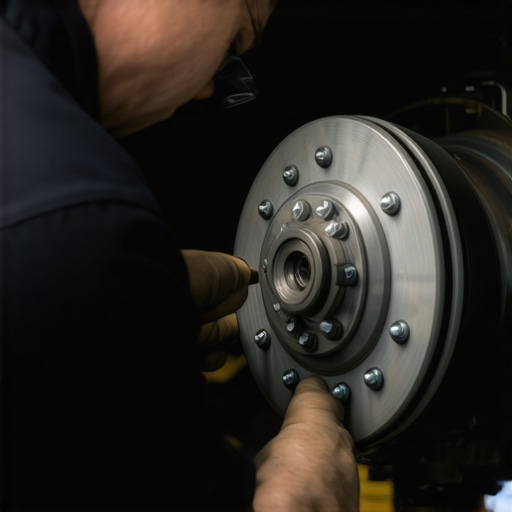
While most car owners understand the basics of transmission and brake care, there’s a common misconception that can trip up even seasoned drivers. Many believe that sticking to the routine fluid changes and replacing worn pads is enough, but in reality, the devil is in the details. Over time, minor issues can snowball into major repairs if you’re not aware of the nuanced factors that influence system longevity and safety.
One often overlooked aspect is the importance of precise calibration during system repairs. For example, after replacing transmission components or brake parts, failing to recalibrate sensors and linkage can lead to suboptimal performance or premature wear. This is particularly critical in modern vehicles equipped with advanced driver-assistance systems (ADAS), where misalignment can cause false alerts or system failures. Experts emphasize that reprogramming and calibration should never be an afterthought but an integral part of repairs, especially in 2024 with the proliferation of smart tech.
Another misconception is that all fluids are created equal. Not all transmission or brake fluids meet the same standards, and using generic or incorrect fluids can compromise system integrity. According to automotive specialists, choosing the right fluid type—specifically formulated for your vehicle model—can significantly extend component life and maintain optimal performance. This is why trusting a professional who understands manufacturer specifications is crucial for avoiding costly mistakes.
Why Do Many Get the Timing of Maintenance Wrong?
Timing is everything, yet many drivers underestimate how critical it is to adhere to manufacturer-recommended maintenance schedules. For instance, delaying fluid changes beyond the suggested mileage can result in fluid breakdown, leading to increased wear and potential transmission failure. Conversely, replacing fluids too early might be unnecessary and add to costs. Advanced diagnostics can reveal the actual condition of fluids and components, helping to fine-tune maintenance timing. Experts advise regular inspections and fluid testing to determine the optimal schedule rather than relying solely on mileage milestones.
Additionally, some assume that newer vehicles are less prone to issues, but in fact, high-tech systems demand even more attentive care. Sensors, electronic controls, and system diagnostics require specialized tools and knowledge to service correctly. Cutting corners here can result in costly errors and safety risks. That’s why partnering with a technician familiar with the latest vehicle tech and manufacturer guidelines, like those outlined in this auto repair guide, is essential for maintaining your car’s health.
In conclusion, understanding the nuanced aspects of transmission and brake maintenance can save you money and ensure safety. Don’t fall into the trap of overlooking calibration, fluid specifications, or timely service. Instead, invest in expert care that recognizes these details. Have you ever fallen into this trap? Let me know in the comments and share your experience!
How do I maintain transmission and brake systems over time
Keeping your vehicle’s transmission and brake systems in top shape requires more than just routine fluid changes. Personally, I rely on advanced diagnostic tools like the OTC Genisys EVO, which provides comprehensive system analysis and live data monitoring. It allows me to identify subtle issues before they become costly repairs, ensuring my vehicle remains safe and efficient. For fluid testing, I use a refractometer, which gives precise readings of transmission fluid contamination levels, helping me decide the optimal time for a flush or top-up. Regular inspections with these tools have saved me from unexpected breakdowns and extended my car’s lifespan significantly.
In addition, I utilize software like auto diagnostics platforms that are compatible with my vehicle’s make and model. These platforms provide detailed reports on sensor health, system calibration needs, and maintenance alerts, especially useful in vehicles equipped with ADAS technology. As vehicle tech advances, integrating these digital tools into my maintenance routine has become essential for precise calibration and system tuning.
Looking ahead, I predict that the trend will move towards smarter, AI-driven diagnostic systems that can predict failures before they happen. These innovations will leverage machine learning to analyze data patterns and recommend proactive maintenance schedules. I encourage you to try implementing a high-quality diagnostic scanner like the Autel MaxiSys or BlueDriver, which are accessible for serious DIYers and professionals alike. Using technology wisely today can save you money and prevent safety issues tomorrow.
Why invest in quality tools for long-term safety
Investing in reliable, precise tools ensures that maintenance isn’t just a quick fix but a strategic effort to prolong your vehicle’s life. For instance, when I replaced my brake rotors, I used a torque wrench calibrated to manufacturer specs, avoiding uneven wear and ensuring safety. Proper calibration tools, like the CRAFTSMAN Digital Torque Wrench, give me peace of mind that each component is tightened correctly according to specifications. This level of precision is vital, especially with modern vehicles that depend on exact calibrations for safety systems.
Regularly updating your toolkit with the latest diagnostic and repair devices is a smart move. It not only improves your repair quality but also helps you stay ahead of potential issues. In the future, I see this becoming even more critical as vehicles incorporate more electronic systems, making traditional repairs insufficient without advanced tools.
Start by choosing a diagnostic scanner compatible with your vehicle, and don’t hesitate to invest in quality hand tools like precision screwdrivers and torque wrenches. These investments pay off over time by reducing repair costs, improving safety, and giving you confidence in your maintenance routines. For a detailed guide on long-term car care, visit this comprehensive auto repair resource. Take the initiative today—your vehicle will thank you for it!
When it comes to vehicle safety and performance in 2024, few things are as overlooked yet crucial as the health of your transmission and brake systems. My journey through auto maintenance taught me that these components are not just parts but the very heart of your car’s reliability. By sharing the lessons I’ve learned, I hope to help you avoid costly repairs and enjoy safer drives.
The Hardest Lesson I Learned About Transmission and Brake Maintenance
- Ignoring calibration can cost you dearly. After replacing a transmission sensor, I skipped recalibrating it, which led to rough shifting and increased wear. Now I know that calibration isn’t optional—it’s essential for system harmony.
- Fluids are more than just liquids. Using the wrong transmission fluid or delaying fluid changes resulted in my transmission slipping. Proper fluid selection and timely replacement are vital for longevity.
- Worn parts don’t just fail—they cause safety risks. I learned the importance of replacing brake pads before they completely wore out, preventing vibrations and potential accidents.
- Technology demands attention. In 2024, ADAS and electronic systems require precise diagnostics and updates. Overlooking this can lead to false alerts or safety system failures.
My Essential Toolkit for Vehicle Safety
- OTC Genisys EVO: This diagnostic tool offers comprehensive system analysis, helping me spot issues early. I trust it because it provides real-time data that’s crucial for modern vehicle systems.
- Refractometer: For precise transmission fluid testing, this tool helps me determine the right timing for fluid changes, preventing unnecessary repairs.
- Autel MaxiSys: A versatile diagnostic platform compatible with many vehicles, it allows me to reprogram and calibrate sensors post-repair, ensuring everything aligns perfectly.
- CRAFTSMAN Digital Torque Wrench: Proper torque is vital. This tool ensures every bolt is tightened to manufacturer specs, avoiding uneven wear and safety issues.
Take Action and Secure Your Ride Today
Maintaining your transmission and brake systems isn’t just about avoiding repairs—it’s about safeguarding your journey and loved ones. Embrace proactive care, invest in quality tools, and stay informed with trusted resources. Your vehicle’s longevity and safety depend on it. Are you ready to take control of your auto care routine and ensure a smoother, safer ride in 2024? Share your experiences or questions below—I’d love to hear your story!
Reading this really highlights how vital regular maintenance is for our vehicles, especially with the advancements in safety tech for 2024 models. I used to think that simple fluid changes were enough, but after a few costly repairs, I realized that calibration and quality parts make all the difference. Investing in proper diagnostic tools and ensuring professionals handle complex repairs seems like a must to keep everything running smoothly and safely.
One thing I’ve noticed from my own experience is that modern vehicles with ADAS systems tend to react strangely if sensors aren’t perfectly calibrated after repairs. Has anyone here faced issues with these systems malfunctioning due to calibration problems? I’d love to hear tips on how to best ensure these systems stay aligned over time, especially for those of us who DIY some maintenance but still rely on experts for the more complex tasks.
This post really underscores how essential proactive maintenance is for ensuring vehicle safety, especially with all the new automotive tech in 2024. I personally learned the hard way when my transmission started slipping unexpectedly, and it turned out that neglecting routine fluid changes and calibration was to blame. Now, I always make sure to have a trusted mechanic handle calibration after any repairs, particularly with newer cars equipped with ADAS.
What’s interesting is how much more complex modern systems have become—calibration and proper fluid type are critical, yet they’re often overlooked until problems arise. I wonder how other drivers are managing the calibration process, especially those who like to troubleshoot or do DIY repairs. Has anyone used advanced diagnostic tools like Autel MaxiSys or BlueDriver for calibration purposes? How effective do you find these tools in maintaining system integrity over time? Overall, investing in proper tools and professional care sounds like the smart way to keep your vehicle safe and reliable—what has been your biggest challenge with this kind of maintenance?