
I remember the exact moment I realized I had ignored my car’s transmission for too long. It was late on a rainy Tuesday when my vehicle started slipping gears unexpectedly. That lightbulb moment hit hard—neglecting transmission care isn’t just about sudden breakdowns; it’s about the slow erosion of your car’s overall health. If you’ve ever felt that sinking feeling when your transmission acts up, you’re not alone. Many drivers overlook this vital component until it’s almost too late. Today, I’m going to share the top transmission repair tips that have helped me keep my car running smoothly for years. These aren’t just tips—they’re a roadmap to long-term reliability, saving you money and stress down the road.
Check Transmission Fluid Regularly and Maintain Proper Levels
One of the easiest ways to keep your transmission healthy is to regularly inspect the transmission fluid. During my last service, I learned to check the fluid level using the dipstick, ensuring it was within the recommended range. If the fluid is low or dark, top it up with the manufacturer-approved fluid or schedule a flush. This simple step prevents overheating and reduces wear, much like how regular oil changes extend engine life. Remember, neglecting fluid levels can lead to slippage and costly repairs, so make it a monthly habit.
Use the Correct Transmission Fluid for Your Vehicle
Using the wrong type of transmission fluid is a common mistake. I once tried to save a few bucks by using generic fluid, but that caused shifting issues. Always consult your vehicle’s manual or the Essential Car Service Checks to extend your vehicle’s life. The right fluid ensures proper lubrication, cooling, and smooth operation, much like choosing the right oil for your engine. When in doubt, visit your mechanic for a fluid recommendation or a quick top-up.
Perform Scheduled Transmission Flushes and Replacements
Over time, contaminants build up in the transmission fluid, reducing its effectiveness. I scheduled a transmission flush after noticing slight delays in shifting. This involved draining old fluid and replacing it with fresh, clean fluid. It’s similar to giving your car a detox—removing sludge and restoring performance. Regular flushes, typically every 30,000 to 60,000 miles, can prevent major failures. Check your vehicle’s maintenance schedule and stick to it to keep your transmission in top shape.
Inspect and Replace Transmission Filter as Needed
The transmission filter traps debris and prevents it from circulating through the system. During my last service, I learned that a clogged filter can cause overheating and sluggish shifting. Replacing it is straightforward and can be done alongside fluid changes. Think of the filter as a sieve; if it’s blocked, everything backs up. Regular inspection and replacement—usually every 30,000 miles—ensure smooth operation and extend your transmission’s lifespan.
Monitor Transmission Performance and Address Issues Promptly
Pay attention to how your car shifts and responds. I once ignored slight hesitation during acceleration, which escalated into a full transmission failure. Early signs include slipping gears, delayed engagement, or strange noises. Address these issues immediately by consulting a professional or visiting the Ultimate Guide to Auto Repair. Catching problems early can save hundreds in repairs and prevent breakdowns. Trust your instincts and don’t delay repairs—your car’s reliability depends on it.
Seek Professional Diagnostics and Repairs When Necessary
While basic maintenance can be done at home, complex issues require expert intervention. I had a transmission problem that I couldn’t fix myself, so I took it to a mechanic who used advanced diagnostic tools. This step ensured accurate identification of problems and proper repairs. Don’t hesitate to consult specialists if your transmission shows persistent issues. Regular check-ups and professional repairs are the cornerstone of Top Transmission Repair Tips for Long-Term Vehicle Reliability, preventing minor issues from becoming major disasters.
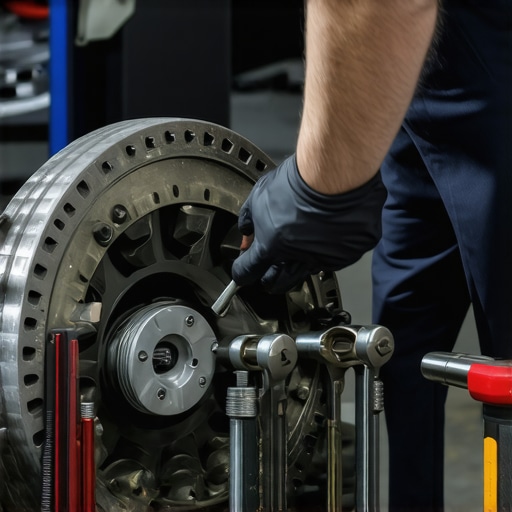 Many drivers assume that simple maintenance routines are enough to keep their transmissions in top shape, but the reality is a bit more nuanced. One common myth is that transmission fluid only needs to be checked when there’s a problem. In truth, regular inspections and understanding the specific needs of your vehicle can prevent issues before they start. For example, some models require synthetic fluids, which behave differently than conventional types, especially under extreme temperatures. Using the wrong fluid can lead to inconsistent shifting and accelerate wear, contradicting popular advice that any transmission fluid will do as long as it’s the right color. Always consult your vehicle’s manual or an expert to ensure compatibility.
Another misconception is that transmission flushes are unnecessary or even harmful. Many think that flushing can dislodge debris and cause damage, but when done correctly and at recommended intervals, it actually helps remove sludge and contaminants that could otherwise cause overheating or gear slipping. Skipping this maintenance can be a costly mistake, often leading to complete transmission failure down the line. Be cautious, though: aggressive or overly frequent flushes can sometimes do more harm than good, especially if the transmission has existing issues.
Advanced drivers question whether DIY repairs or maintenance are enough or if professional diagnostics are essential. While some basic checks like fluid levels are straightforward, complex problems such as slipping gears or erratic shifting usually require sophisticated diagnostic tools. Relying solely on visual inspections or routine DIY fixes can mask underlying issues that only a professional can detect. Ignoring these signs can turn minor repairs into major, expensive overhauls.
Have you ever fallen into this trap? Let me know in the comments. Remember, the key to long-term transmission health is not just routine maintenance but understanding the subtle nuances and avoiding common pitfalls. For more insights, check out Top Transmission Repair Tips for Long-Term Vehicle Reliability and keep your vehicle running smoothly for years to come.Maintaining your vehicle’s transmission over the long haul requires more than just basic care; it demands the right tools and a strategic approach. One of my personal staples is a high-quality scan tool like the Autel MaxiCOM MS908S, which I use regularly to run detailed diagnostics. This device helps me interpret transmission error codes accurately and catch potential issues before they escalate, saving significant repair costs. I also rely on a reliable transmission fluid tester, such as the Valvoline Instant Oil Change tester, to assess fluid condition when I perform inspections. Knowing whether your fluid is contaminated or degraded can tell you a lot about the health of your transmission without complex procedures.
The Hidden Lessons Every Car Owner Should Know
One of the most valuable insights I gained was that transmission care is a marathon, not a sprint. Neglecting small signs like delayed shifting or unusual noises can lead to costly repairs later. I learned that consistent, proactive maintenance saves money and stress in the long run, and that sometimes, trusting the experts is the best move, especially when complex diagnostics are involved.
Another lesson was realizing how much misinformation is out there. For example, I once believed that flushing the transmission fluid was risky, but with proper technique and timing, it became a vital part of my maintenance routine. This shift in understanding came from talking to trusted mechanics and reading reputable guides, which emphasized that informed decisions make all the difference.
Lastly, I discovered that investing in quality tools and regular diagnostics can empower you to catch issues early. Using a good scan tool and monitoring fluid condition regularly has prevented many small problems from turning into emergencies. These lessons taught me that being an active participant in my vehicle’s health is the best way to ensure its longevity and performance.
My Essential Toolkit for Transmission Care
- Autel MaxiCOM MS908S: This diagnostic scanner has been invaluable for interpreting transmission error codes and planning repairs before breakdowns occur.
- Valvoline Instant Oil Change Transmission Fluid Tester: I trust this device to assess fluid condition quickly, helping me decide when a flush or top-up is needed.
- High-Quality Transmission Fluid: Always choose manufacturer-approved fluids; my mechanic recommended synthetic options for better performance.
- Reliable Service Schedule: Following the manufacturer’s recommended maintenance intervals, including fluid changes and filter replacements, has kept my transmission in top shape.
Your Next Step to Keep Your Transmission Running Smoothly
Taking charge of your transmission health isn’t just about following tips; it’s about adopting a mindset of proactive, informed care. Every small check or maintenance step builds toward a reliable, long-lasting vehicle. Remember, your car’s transmission is a complex system that rewards attention and respect. So, get out there, keep those fluids fresh, and don’t hesitate to seek professional advice when needed. Your vehicle’s future depends on it.
What’s the one transmission maintenance habit you’re planning to start today? Share your thoughts below and let’s keep those gears shifting smoothly!