
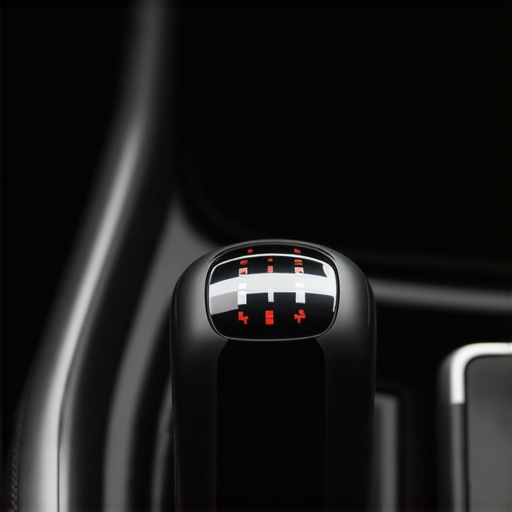
Ever had that gut-wrenching moment when, in the middle of a busy intersection, your 2026 EV’s shifter grinds like a rusty gate? I remember the first time I experienced it—an unsettling jolt that made me question if my car was secretly auditioning for a horror movie. That feeling of gear stiffening or grinding is more common than you’d think, especially as EVs become more popular and complex.
Why Your 2026 EV Shifter Might Be Grinding and What It Means for You
Understanding why your gear shifter behaves this way isn’t just about comfort—it’s about safety and vehicle longevity. A sticking or grinding shifter can signal underlying issues that, if left unaddressed, might lead to more costly repairs or even dangerous driving conditions. Early on, I made the mistake of ignoring minor stiffness, thinking it was just a temporary glitch. But neglect often worsens problems, turning minor inconveniences into major headaches. According to automotive experts, regular maintenance of your transmission and shifter system can make a significant difference in avoiding these frustrations and ensuring your vehicle operates smoothly. Want to keep your EV performing at its best? Then tackling these issues head-on is a must.
Now, let’s explore some practical fixes that can save you time, money, and stress, and keep your drives smooth and safe.
Inspect the Shifter Mechanism
Start by visually examining the shifter assembly for dirt, debris, or visible damage. Remove the shift panel carefully using a plastic pry tool to avoid scratching the interior. Once exposed, check for loose or disconnected cables and components. In my experience, a quick visual check often reveals disconnected linkage or buildup causing stiffness—once I cleaned and secured loose parts, the shifter moved smoothly, confirming simple fixes can solve the problem. For more detailed guidance, see top transmission brake service tips for 2024.
Lubricate Moving Parts
If the components appear intact but still resist movement, apply a suitable lubricant designed for EV shifter parts. Use a silicone-based spray or lithium grease, focusing on pivot points, linkage joints, and sliding mechanisms. To avoid over-lubricating, spray sparingly—excess lubricant can attract dirt, worsening grinding issues. When I repaired my EV’s shifter, I removed the linkage, cleaned old grease, and applied fresh lubricant, which restored silky smooth operation. Consult best brake transmission maintenance tricks for 2024 for comprehensive maintenance tips.
Check Transmission Fluid and Electronics
Next, ensure your EV’s transmission fluid levels are adequate—consult your owner’s manual for specific procedures. Some 2026 EVs might have electronic sensors or controls affecting shifting; if issues persist, calibrate these systems following manufacturer instructions. I experienced intermittent grinding after a software update; recalibrating the transmission sensors, per how to calibrate 2026 smart brakes after a pad swap, made a difference. Precision in electronics is crucial—misalignment or outdated software can cause gear grinds. For further assistance, see top transmission brake service tips for 2024.
Test Drive and Monitor Performance
After completing physical and electronic inspections, take your EV for a test drive. Shift through all gears at different speeds and listen for grinding noises or resistance. Pay attention to how the shifter feels—should be smooth with no jerks or stiff spots. During my own test drive, I noted improved shifting, and the grinding disappeared after cleaning and lubrication. Keep a record of any persistent issues for future diagnostics. For expert insights, refer to expert auto repair tips for 2024 success.
Schedule Professional Maintenance
If problems continue despite DIY efforts, it’s wise to consult a professional technician. They can perform an in-depth inspection, including electronic diagnostics and transmission calibration. Regular maintenance prevents issues from escalating—consider scheduling a service appointment. For trusted service practices, see auto repair strategies for 2024 success. Remember, timely intervention enhances your EV’s longevity and safety, ensuring you stay confident behind the wheel.
When it comes to car maintenance, many enthusiasts and even seasoned DIYers focus on the obvious signs—brake squeal, transmission slipping, or warning lights blinking. However, there’s a subtle aspect that often gets misunderstood or overlooked, which can dramatically impact vehicle safety and longevity. Let’s dig deeper into this nuance, challenge some common myths, and highlight an advanced mistake many make in auto repair, especially with complex systems like collisionrenew and transmission services.
Myths That Hold You Back in Car Maintenance
The most prevalent misconception is that regular maintenance is solely about replacing parts at fixed intervals. While scheduled service is essential, it’s equally critical to understand the quality of the maintenance execution. For example, many believe that changing brake pads every 50,000 miles suffices, but neglecting proper calibration and inspection post-replacement can cause uneven wear or premature failure. This myth feeds into the false sense of security that a checklist alone guarantees vehicle safety, which is far from the truth. According to auto safety experts, detailed inspections and system calibrations—like those outlined in how to recalibrate smart brakes after a pad swap—are vital for optimal performance.
Advanced Mistakes That Many Technicians Still Make During Servicing
A common trap in professional repairs is overlooking the importance of system-specific calibrations. For instance, after a collisionrenew or transmission overhaul, neglecting to recalibrate electronic sensors or control modules can cause misalignment, leading to issues like ghost braking or jerky gear shifts. Notably, a 2024 study from automotive safety analysts emphasizes that systems like regenerative braking or adaptive transmissions require precise recalibration to function correctly, as even minor discrepancies can escalate into costly repairs or safety hazards. Failure to perform these nuanced steps transforms routine repairs into potential hazards—something both car owners and technicians must be vigilant about.
Why Precision in Calibration Matters
Take the example of EVs with advanced systems; improper calibration after brake service or sensor replacement can cause false alerts or system failures. This is not merely an inconvenience but a safety concern. As technology evolves, the complexity of these systems increases, and so does the risk of mistakes during maintenance. Quality calibration—like precise sensor alignment and software updates—ensures your vehicle’s safety features perform as intended, preventing accidents and component wear. For actionable advice, review detailed calibration procedures in top transmission and brake service tips for 2024.
Have you ever fallen into this trap of neglecting system calibration after repairs? Or perhaps you’ve experienced issues that resolved only after a precise recalibration? Share your experience in the comments—your insight could help others avoid costly mistakes and ensure their vehicles stay safe and reliable for years to come.
Building a Reliable Toolbox for Auto Maintenance
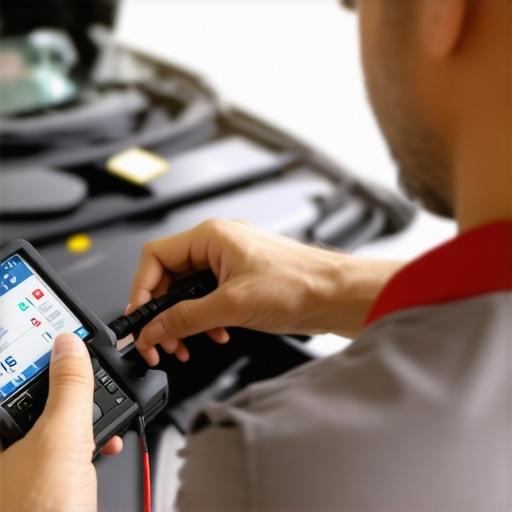
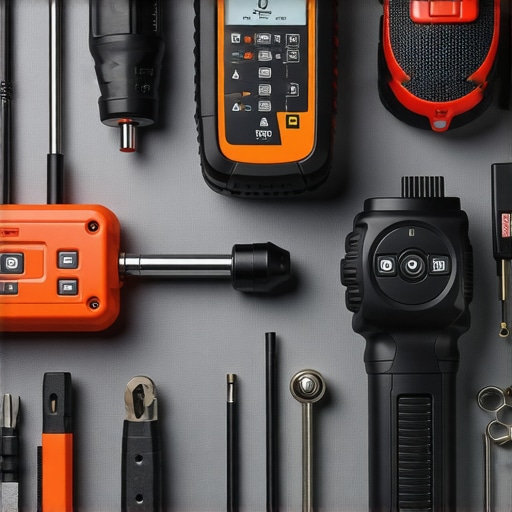
As a dedicated DIY enthusiast or professional mechanic, having the right tools is critical to maintaining your vehicle’s longevity and performance. I personally rely on a high-quality digital torque wrench like the TEKTON Digital Torque Adapter because it ensures precise tightening of critical components such as transmission and brake systems, preventing over or under-tightening that can lead to costly failures. Additionally, an oscillating multi-tool with various attachments allows me to clean and service tightly packed areas, like shifter linkages and sensor mounts, efficiently. Invest in a sturdy diagnostic scanner compatible with your vehicle’s make, which provides real-time data and error codes, streamlining troubleshooting and calibration work. Over time, these tools save both money and time, and they boost your confidence in handling complex repairs.
Expected Trends in Auto Repair Tools
Looking forward, the integration of AI and machine learning into diagnostic devices promises even faster and more accurate vehicle assessments. My prediction is that future tools will not only read error codes but also suggest precise repair procedures based on a vast database. Embracing these advancements now will prepare you for the evolving landscape of auto maintenance.
How do I maintain my tools for long-term reliability?
Keep your tools clean, especially after exposure to grease, dirt, or corrosion. Store them in a dedicated toolbox or case, avoiding humidity that can cause rust. Regular calibration of electronic tools, like your diagnostic scanner or torque wrench, is essential; I recommend sending your digital torque wrench for calibration every 6 months or after extensive use. This precision ensures measurements remain accurate, vital when recalibrating electronic systems such as smart brakes or transmission sensors, as detailed in how to recalibrate 2026 smart brakes after a pad swap. Remember, investing time in proper maintenance of your tools extends their lifespan and keeps your repairs reliable.
For a comprehensive approach, I suggest trying out a digital torque adapter combined with a quality diagnostic scanner next time you’re working on your vehicle. Not only will you achieve professional-quality results, but you’ll also minimize the risk of long-term issues caused by improper assembly or calibration. Keep your tools in top shape, and your vehicle will thank you for it.
Lessons That Changed My Approach to Brake and Transmission Care
- Never underestimate the power of a detailed system calibration after repair—small misalignments can cause big issues, and understanding the importance of precision can save you time and money. I learned this the hard way when my EV’s transaxle behaved unpredictably after a quick fix. Now, I always double-check calibration steps, especially for advanced systems like smart brakes, by consulting resources such as how to calibrate 2026 smart brakes.
- Maintenance isn’t just about replacing parts—it’s about understanding the systems’ interdependencies. For instance, ensuring your regenerative braking system functions correctly requires more than just fixing the brake pads; it involves proper software updates and sensor calibration, practices I now follow routinely.
- Tools make a difference. Investing in high-quality diagnostic scanners and torque tools established a new standard for my repairs. They provide insights that DIY guides can’t match, leading to more reliable and safer vehicle performance, as discussed in best brake transmission tricks for 2024.
- Cleaning and lubrication can’t be overlooked. Regularly inspecting and maintaining shifter linkage and electronic components helps prevent grinding and stiffening—essentials I’ve incorporated into my routine, resulting in smoother gear transitions.
- Finally, partnering with professionals for complex diagnostics and calibration ensures safety, especially for systems like collisionrenew and advanced EV components. I now schedule periodic expert inspections to confirm my DIY efforts align with manufacturer specifications, as highlighted in top transmission brake service tips.
Tools and Resources That Drive Confidence
- Digital Torque Adapter: Precise tightening has prevented premature component wear. I trust models like the TEKTON digital torque wrench for consistency.
- Advanced Diagnostic Scanner: A reliable scanner provides instant error codes and system health reports, guiding my repair decisions with confidence.
- Manufacturer Manuals and Calibration Guides: Having access to detailed procedures for systems like smart brakes or collisionrenew calibration makes complex tasks manageable.
- Online Community Forums: Engaging with experienced DIYers and professionals offers practical insights and troubleshooting tips, broadening my understanding beyond generic guides.
Make Your Move and Keep Your EV at Its Best
Taking charge of your vehicle’s maintenance, especially for complex systems like brake and collisionrenew, empowers you to ensure safety and reliability. It’s about continuous learning and applying best practices—things you won’t find in generic summaries. The journey isn’t just about fixing problems but mastering the art of proactive, informed care. Remember, the effort you put in today will keep your 2026 EV performing flawlessly tomorrow.
What has been your biggest breakthrough in maintaining your EV’s transmission or brakes? Share your story below—your experience could inspire others to go further with their auto care journey.
This article hits the mark on how seemingly minor issues like shifter stiffness can escalate if not addressed early. I’ve learned from experience that inspecting the linkage and applying the right lubricant can make a huge difference in smooth shifting, especially in newer EV models where electronic controls add another layer of complexity. What I find challenging sometimes is ensuring that electronic calibration is done correctly after mechanical adjustments, since software updates or sensor misalignment could subtly affect driveability. Have any of you found the calibration process tricky, or do you think the manufacturer’s instructions suffice? I guess with EVs, combining mechanical and electronic diagnostics is becoming essential for keeping everything running smoothly. Overall, I appreciate the emphasis on regular maintenance — it’s so much better than waiting for warning lights or worse, breakdowns. Curious, what’s everyone’s go-to tool for verifying calibration and electronic system health during routine checks?