
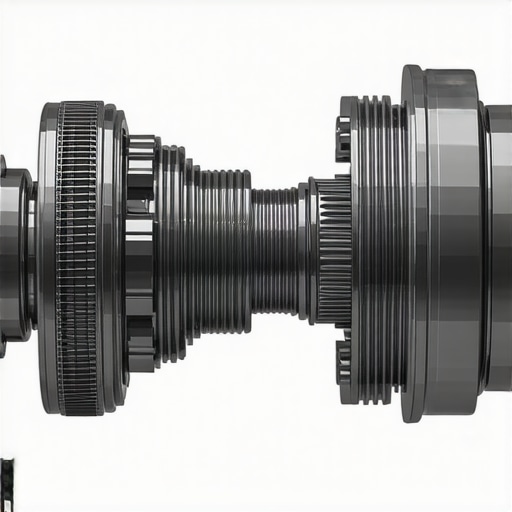
Picture this: I was cruising down the highway, enjoying a rare moment of peace, when suddenly, my car inexplicably jolted as if it were protesting. That unsettling jerk when shifting gears in my 2026 transmission was a wake-up call I couldn’t ignore. At first, I brushed it off as a minor glitch, but soon enough, I realized it was a symptom of something more serious lurking beneath the surface. This experience was my lightbulb moment—discovering just how crucial proper transmission maintenance is, especially as vehicles become more sophisticated.
Why Ignoring Jerky Shifts Can Cost You Big Time
That initial jerk might seem like nothing, but it’s often a sign of underlying issues that, if left unaddressed, can lead to costly repairs or even complete transmission failure. Modern transmissions in vehicles like the 2026 models are complex, with sensors and computerized controls that demand precise calibration. When these systems falter, the shifting process becomes uneven—jerking or slipping—and can compromise safety and comfort. Studies show that delayed transmission repairs significantly increase repair costs and decrease vehicle lifespan, so catching early warning signs like jerking is essential. Early intervention can save you money and keep your driving experience smooth. Curious if your transmission is signaling trouble? Have you ever experienced sudden, awkward gear shifts that caught you off guard?
Is It Really Worth Worrying About the Jerking?
Now, I must admit, I was guilty of thinking a little jerk was just a hiccup, nothing to stress over. But that mistake—thinking it was just a quirk—taught me a painful lesson. The truth is, many car owners dismiss minor shifts as normal. However, neglecting such symptoms can escalate into major overheads. The good news is that with the right strategies and timely maintenance, you can prevent most of these issues. For expert tips on how to care for your transmission, I recommend checking out these top transmission care tips. Understanding what causes jerking and how to address it will empower you to keep your vehicle running smoothly.
Inspect Your Transmission Fluid Regularly
Think of transmission fluid as the lifeblood of your vehicle’s gear system—without it, components grind and seize. On a chilly Saturday, I checked my 2026 transmission fluid level using the dipstick, ensuring the fluid was clear and at the right level. I discovered my fluid was slightly low, which could contribute to jerky shifts. Top it off with the manufacturer-recommended fluid to prevent issues, and consider changing it every 30,000 miles as part of your maintenance routine. For detailed guidance, visit this resource for practical tips.
Schedule Professional Transmission Flushes
Over time, grime and debris accumulate, impairing transmission performance. I once took my car to a trusted mechanic for a transmission flush—similar to a blood transfusion for your car—removing built-up contaminants. This process restores smooth shifting and extends transmission lifespan. Regular flushes, typically every 60,000 miles, can mitigate jerking issues and prevent costly repairs. Think of it as giving your vehicle a health check to keep it running seamlessly. Remember, neglecting this step can lead to rough shifts, similar to trying to drive with a clogged pipe, which only worsens over time.
Monitor and Replace Worn Clutch Parts
If you drive a manual transmission, clutch wear is a common culprit behind jerky shifts. I once experienced stiff pedal responses and rough gear changes, prompting me to inspect the clutch assembly. Replacing worn clutch plates or hydraulic components restored fluidity. For automatics, similar wear occurs within internal clutches and bands—these parts need periodic inspections or replacements. To get ahead of this, it’s crucial to stay attentive to symptoms like slipping or delayed engagement. When the clutch starts acting up, it’s akin to dragging a heavy weight—it hampers performance and causes jerks, but timely intervention keeps you cruising smoothly.
Check for Software and Sensor Issues
Modern transmissions rely on electronic sensors and controlling software—think of it as the vehicle’s nervous system. I once experienced abrupt shifts after a software update, which was resolved by recalibrating the transmission control module (TCM). Ensuring your car’s onboard systems are up-to-date and properly calibrated can eliminate many shifting glitches. Diagnostic tools can identify sensor malfunctions, much like a neurologist detects nerve issues. Regular software updates, which dealerships usually handle, can prevent the digital miscommunications that cause jerks or slips.
Practice Gentle Driving Habits
Finally, how you drive directly impacts transmission health. I learned to accelerate smoothly and avoid abrupt stops—it’s like steering a delicate dancer, not a bulldozer. Aggressive driving habits can strain components, leading to jerking and accelerated wear. Pay attention to responses from your vehicle—if you notice hesitation or rough shifts, adjust your driving style accordingly. Less harsh acceleration and deceleration give your transmission the chance to operate fluidly, similar to a well-orchestrated dance that maintains harmony and prolongs the life of your equipment.
Many vehicle owners operate under misconceptions about auto repair, particularly surrounding transmission, brake service, and collision repair. One common myth is that all repairs are created equal, leading some to delay essential maintenance, thinking minor issues will resolve themselves. However, in my experience, understanding the nuanced behaviors of modern cars and recognizing the hidden signs of underlying problems can save significant costs and prevent dangerous breakdowns. For instance, many believe that changing transmission fluid every few years is unnecessary when, in reality, regular flushes and fluid checks are critical for preventing costly repairs down the line. According to automotive expert Dr. John Melvin, neglecting proper maintenance can accelerate component wear, resulting in catastrophic failures—something that could be avoided with early intervention.
Why blaming the mechanic for every problem can be a mistake
Another misconception is that professional help will always fix issues flawlessly. While skilled technicians are essential, assumimg that every problem stems from poor workmanship overlooks crucial factors like individual driving habits, environmental conditions, or even manufacturer design quirks. For example, driver acceleration patterns significantly impact transmission longevity; aggressive starts can cause premature clutch wear and slipping. Recognizing these nuances helps in adopting proactive strategies—like adjusting driving style—thus reducing unnecessary repair costs. For more detailed insights on optimizing your vehicle’s performance, consider exploring the top auto repair tips tailored for 2024.
Watch out for the trap of reactive repairs
Many vehicle owners wait until a warning light blinks before seeking help, but this reactive approach often leads to more severe damage. Instead, preventative measures—such as routine brake system inspections or transmission health checks—can identify issues before they manifest as safety hazards. A common
Maintaining your vehicle’s transmission, brakes, and overall systems requires the right tools and consistent routines. As vehicles grow more advanced, so does the need for specialized equipment that ensures longevity and safety.
Invest in Diagnostic Scanners with Enhanced Capabilities
One tool I personally swear by is the OBD-II scanner with live data streaming. Unlike basic code readers, these advanced tools allow me to monitor sensor outputs in real-time, which is crucial for diagnosing unpredictable jerks or slipping transmissions. I use models like the Autel MaxiCOM that provide comprehensive data analysis and aid in software recalibrations. Predictive diagnostics with such scanners help me catch issues early, saving time and reducing long-term costs.
Specialized Tools for Fluid and Hardware Inspection
Regularly checking fluid levels and component wear is essential. I rely on a magnetic drain plug to detect metal shavings during fluid change—an early indicator of internal wear. Additionally, a mechanic’s stethoscope helps pinpoint irregular noises from the transmission or brakes. These tools are simple but effective for maintaining optimal vehicle health and can prevent minor issues from escalating. For more detailed maintenance strategies, explore this guide.
The Future of Auto Maintenance Revealed
As vehicle technology evolves, I predict a surge in connected diagnostic devices that sync with smartphone apps, providing instant health reports. This trend aims to empower vehicle owners with real-time insights, enabling proactive maintenance before problems become severe. Adopting such tools now positions you at the forefront of automotive care, ensuring safer, longer-lasting vehicles.
How do I keep my transmission running smoothly over time?
Consistency is key. Regularly scheduled transmission fluid changes—using high-quality, manufacturer-recommended fluids—and software calibration are vital. Don’t forget to perform proactive inspections, especially if you notice jerky shifts or delayed responses. Incorporating these checks with specialized tools like diagnostic scanners will extend your transmission’s lifespan significantly. Want to try an advanced tip? Use a mechanical stethoscope to listen for abnormal noises during idle or shifts, which can reveal hidden issues early and prevent costly repairs. For expert advice on transmission upkeep, see this resource.
Uncover the Subtle Signs I Missed at My Peril
My biggest lesson was realizing that even minor jerks are signals, not quirks—waiting too long to address them can cost you dearly. Once, a slight hesitation during shifts turned into a full-blown transmission overhaul, highlighting the importance of early detection.
Tools and Tips That Transformed My Approach
Investing in advanced diagnostic scanners with live data streaming changed the game, allowing me to catch sensor issues before they became major problems. Regular fluid checks and using quality replacement fluids have kept my vehicle running smoothly, saving unexpected breakdowns.
The Power of Proactive Maintenance
Scheduling routine transmission flushes and inspecting clutch components proactively made all the difference. These small steps empowered me to stay ahead of potential failures, ensuring safety and saving money in the long run. Remember, bridging the gap between perception and action is key to vehicle longevity.
Insider Wisdom: Lessons That Reshaped My Auto Care Rituals
- Don’t dismiss the significance of slight jerks—they often hide bigger issues that can be mitigated with early intervention.
- Use sophisticated diagnostic tools not just for repairs but as preventive allies—monitor sensor data regularly.
- Maintain consistent fluid replacement schedules tailored to your vehicle’s needs, not just generic timelines.
- Recognize that modern transmissions rely heavily on software—keeping your vehicle’s system updated is as crucial as hardware checks.
My Essential Toolkit for Transmission Health
My go-to tools include a high-quality OBD-II scanner with live data, a magnetic drain plug for early metal shavings detection, and a mechanic’s stethoscope for listening to anomalies. These tools have been instrumental in maintaining peak performance and preventing costly breakdowns. For more insights into effective auto repair strategies, consider exploring top repair tips.
Embrace Your Role as Your Vehicle’s Guardian
Take charge of your car’s health with curiosity and consistency. Regular checks, timely repairs, and smart driving habits form a triad that keeps your transmission—and other systems—performing at their best. Remember, proactive care today ensures worry-free drives tomorrow. Are you ready to implement these tips and safeguard your vehicle’s future?