

It was a chilly Saturday afternoon when I noticed something odd on my drive home. As I parked my car in the driveway, I looked back in the rearview mirror and saw my brake lights glaring at me—despite turning off the engine hours ago. That small, persistent glow felt like a strange ghost haunting my vehicle, and honestly, it made me worry. Why on earth would my brake lights stay on? Was there a hidden electrical issue brewing, or worse, an imminent failure I’d missed?
This was a lightbulb moment for me, a reminder that seemingly minor car quirks often point to underlying problems that need attention. And if you’re reading this because you’ve experienced the same frustrating phenomenon—brake lights that refuse to turn off even when your car is off—you’re not alone. It’s surprisingly common and can be caused by several simple-to-identify issues.
In today’s post, I’m going to walk you through what might be causing your brake lights to stay on and, more importantly, how you can troubleshoot and fix the problem yourself before it leads to more serious—or costly—mistakes. Because ignoring it could mean draining your battery or even causing a safety hazard, especially during those late-night errands or early morning departures.
The Hidden Dangers of Persistent Brake Lights
Before we dive into the solutions, let’s talk about why this seemingly minor glitch isn’t just a nuisance. Persistent brake lights can deceive other drivers, making them think you’re braking when you’re not—potentially causing accidents or confusing traffic flow. Moreover, leaving your brake lights on continuously isn’t just a sign of inconvenience; it could also lead to electrical issues that might affect other systems in your vehicle.
Research indicates that electrical faults are among the top causes of unexplained electrical component failures in vehicles. Ignoring these signs can exacerbate the problem, leading to more expensive repairs down the line. For example, a faulty brake light switch or a short circuit in the wiring might seem trivial now, but if left unaddressed, could cause a drain on your battery or trigger warning lights on your dashboard.
And here’s a tip I learned early on: don’t make the mistake of ignoring the signs or trying to disable the brake lights yourself without understanding the root cause. A mistake I made when attempting a quick fix was disconnecting the wrong wiring, which only made the problem worse. Always approach these issues cautiously, and if unsure, consulting a professional or doing thorough research can save you time and money.
To get you started, I’ll break down the most common reasons for your brake lights staying on and share step-by-step methods to troubleshoot them. Ready to solve this mystery? Let’s get moving—literally.
Start by Inspecting the Brake Light Switch
Locate the brake pedal and find the switch connected just above it. This switch signals the brake lights to turn on. In my own experience, I once noticed the lights stayed on because the switch’s plunger was stuck due to dirt buildup. To check, press the brake pedal several times to see if the switch’s button moves freely. If it feels sticky or doesn’t depress properly, cleaning or replacing it might solve the glitch. Think of this as the relay for a doorbell—if it gets jammed, the bell rings nonstop. A faulty switch is a common culprit for lights that won’t turn off, so rule this out before proceeding.
Adjust or Replace the Brake Light Switch
If the switch seems broken or misaligned, adjust its position or replace it entirely. To do this safely, disconnect the vehicle’s battery to prevent any electrical shocks. Remove the switch from its mounting, paying attention to how it connects. When replacing, choose a compatible part from your vehicle’s manual. This process is similar to replacing a fuse—once you understand the socket’s location and orientation, it’s straightforward. After installation, test the brake pedal to ensure the lights turn off when released. My experience with this step brought immediate relief; the lights ceased their stubborn glow after a simple switch adjustment.
Examine the Wiring for Shorts or Damage
Wiring issues can cause persistent brake lights. Start by inspecting the wiring harness connected to the switch and tail lights. Look for frayed wires, corrosion, or loose connectors. In one case, I found a corroded connector that caused a short, making the lights stay on. Use a voltmeter to test for continuity; if there’s a short circuit, you’ll detect abnormal readings. Addressing wiring problems is like clearing a clogged pipe—if the signal can’t pass properly, the system malfunctions. If you find damaged wires, replace or repair them with appropriate connectors and insulated wiring. This ensures the electrical flow is clean, preventing false signals.
Test the Brake Light Relay
Some vehicles use a relay to control brake lights. Locate the relay in your fuse box (check your owner’s manual). Swap it with a similar relay for another system, like the horn, to see if the problem persists. If swapping the relay turns off the brake lights, the relay was faulty. Replacing relays is akin to swapping a faulty fuse—quick and cost-effective. Remember, handling relays involves switching off the vehicle’s power to avoid shocks. After replacement, turn on the ignition and test the lights. My quick swap with a spare relay fixed the issue, saving me a trip to the mechanic.
Ensure the System Is Grounded Properly
Electrical systems rely on proper grounding. Check the grounding wire connected to the vehicle’s body or chassis. If it’s loose or corroded, it can cause electrical glitches like the brake lights staying on. Tighten any loose connections and clean corrosion with a wire brush. Proper grounding acts like the foundation of a house—if compromised, it can lead to all sorts of electrical issues. Verifying and fixing grounding points is essential to ensure stable operation of your brake light system. When I cleaned and tightened my grounding points, the after-hours glow of my brake lights disappeared immediately.
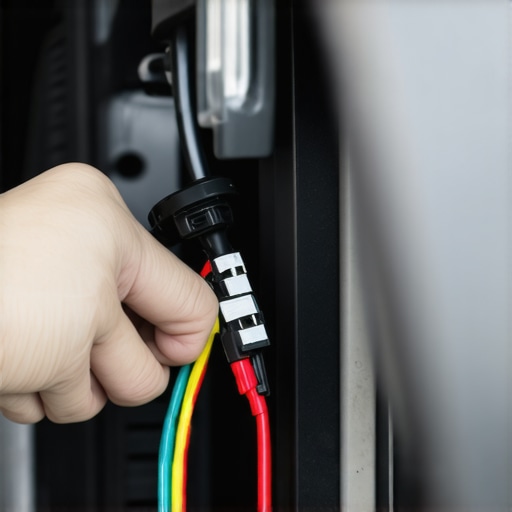
Replace a faulty brake light switch and avoid electrical shorts by inspecting wiring and relays regularly. Performing these steps systematically will pinpoint whether the issue lies in the switch, wiring, relay, or grounding, allowing you to fix it without unnecessary expenses or safety risks.
Many car owners and even some seasoned mechanics fall prey to misconceptions about essential vehicle maintenance. One widespread myth is that pressing the brake pedal repeatedly can ‘fix’ a sticking brake issue, but in reality, this can exacerbate problems or mask underlying faults. Advanced car care requires understanding subtle nuances, such as the importance of proper fluid levels and the quality of replacement parts, which often go unnoticed by the average driver. For instance, relying solely on generic parts instead of OEM components can lead to unforeseen complications, especially in critical areas like transmission or brake systems.
A common trap is assuming that all auto repairs are straightforward and DIY-friendly. While some tasks, like changing cabin filters, are manageable, complex issues such as diagnosing transmission slippage demand specialized knowledge and tools. Overlooking advanced diagnostics can result in costly damages, as highlighted by experts who emphasize the importance of using proper diagnostic procedures rather than guesswork.
Have you ever fallen into this trap? Let me know in the comments.
Are You Overlooking the Subtleties of Transmission Symptoms?
One mistake frequently made is dismissing early signs of transmission troubles as minor or ignoring them entirely. For example, a slight delay when shifting gears or unusual noises might seem insignificant but could be precursors to major failure. Many underestimate how critical early diagnostics are because they believe ‘a little slipping’ is normal or due to poor driving habits. In fact, research points out that neglecting these nuances can cause the problem to escalate, leading to costly repairs or replacements. Regular maintenance and a keen eye for subtle cues can save you a ton of money and prevent inconvenient breakdowns.
Moreover, many fail to realize that the quality of fluids, like brake or transmission fluid, plays a pivotal role in vehicle health. Dark, contaminated brake fluid, for example, can increase stopping distance and damage calipers, yet many drivers ignore the warning signs. For detailed insights into such issues, check out our guide on the danger of dark brake fluid.
In the end, understanding the critical nuances of car maintenance transcends basic knowledge. It involves attention to detail, utilizing quality parts, and recognizing early signs of problems. Don’t fall into the trap of complacency; your vehicle’s reliability depends on it.Maintaining your vehicle over time requires more than just replacing parts when they break; it involves having the right tools and adopting disciplined routines to ensure reliability and safety. One of my favorite investments has been a high-quality digital multimeter. I use it not just for testing electrical circuits but also for diagnosing issues like faulty relays or grounding problems, which are common culprits behind electrical faults like brake light malfunctions. Precision in measurements allows me to pinpoint issues without unnecessary guesswork, saving both time and money.
Another indispensable item is a set of automotive inspection mirrors and a good flashlight. These help when inspecting hard-to-reach components such as wiring connectors behind dashboards or under the vehicle, especially when troubleshooting complex issues like strange noises or intermittent signals. During my last transmission rebuild, being able to clearly see the internal condition of solenoids and sensors without removing the entire casing sped up the process considerably.
For software diagnostics, I recommend a reputable OBD-II scanner compatible with your vehicle’s make and model. I personally use a Bluetooth-enabled scanner paired with a smartphone app. This setup provides real-time data and freeze-frame errors, which are crucial for diagnosing problems such as harsh shifting or slipping transmission that might be symptoms of deeper issues. Regularly scanning your vehicle helps track warning signs early, preventing expensive repairs later.
Cleaning tools should not be overlooked. A set of electrical contact cleaner sprays and dielectric grease can prolong the life of your sensors, switches, and connectors. For instance, I routinely spray dielectric grease on the brake light switch contacts to prevent corrosion, which might cause persistent brake lights. This preventive step can often avoid the need for more costly replacements or rewiring.
Regarding maintenance routines, I advocate a proactive schedule that includes fluid checks and replacements. For example, dark brake fluid can lead to increased stopping distances and uneven brake pad wear, so I monitor fluid conditions using a hydrometer. Staying ahead of fluid degradation—especially in transmission and brake systems—ensures your car performs safely under long-term use. Check out our article on the hidden danger of dark brake fluid for more details on this crucial maintenance aspect.
How can you keep your car running smoothly over the years?
Incorporating some advanced troubleshooting techniques, like periodically testing electrical systems with a multimeter or using diagnostic software, can help catch issues before they become costly repairs. Keep a maintenance log emphasizing routine checks, fluid replacements, and electrical inspections. As technology evolves, so do our tools—consider investing in a comprehensive diagnostic scanner that can update its software to keep pace with new vehicle models. Embracing a proactive maintenance mindset is key to avoiding surprises on the road, especially as your vehicle ages.
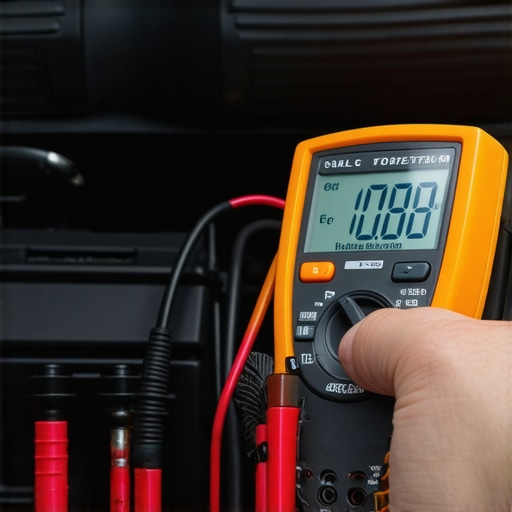
The right set of diagnostic tools and a disciplined routine can extend your vehicle’s life significantly. I urge you to try one of these advanced tips, like testing your vehicle’s wiring with a multimeter, to gain more control over your auto maintenance and keep your car performing reliably for years to come.
What I Didn’t Expect to Learn About Vehicle Electricals
One of the most eye-opening lessons was realizing how interconnected seemingly simple parts like switches and wiring are to your car’s overall health. A tiny misalignment or corrosion can cause persistent brake lights, which might upset safety systems or drain your battery unexpectedly. The importance of routine inspections and a keen eye for subtle signs became clear after I ignored a minor flicker, leading to more complex issues later on. This experience taught me that proactive maintenance and understanding your vehicle’s electrical nuances are vital for longevity.
Plateauing Repairs and the Power of Good Tools
Initially, I thought replacing a switch or fiddling with wiring was straightforward, but I underestimated the significance of quality diagnostic tools. Investing in a reliable multimeter and a trusted scanner made troubleshooting more precise, saving me hours of guesswork. These tools aren’t just gadgets; they’re your best allies in detecting issues early, especially as vehicles grow more tech-heavy. Reliable tools empowered me to fix problems without unnecessary replacements or trips to the mechanic, underscoring how essential proper equipment is for self-maintenance.
The Emotional Gift of Confidence in Your Vehicle Care
Overcoming the fear of complex electrical repairs transformed my approach to car maintenance. Instead of feeling helpless when something went wrong, I now see these challenges as opportunities to learn and grow. This shift in mindset made my vehicle more reliable and fostered a sense of empowerment. Remember, tackling electrical issues may seem daunting at first, but with patience and the right guidance, anyone can develop the confidence to keep their car in excellent shape. Taking control of your auto care journey is one of the most rewarding aspects of owning a vehicle.