
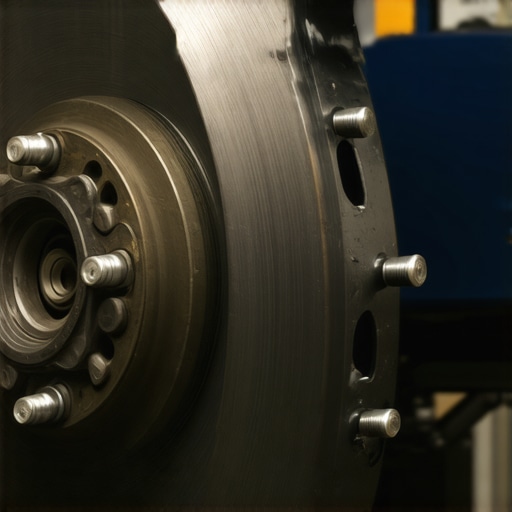
It was late one evening, and I was about to back out of my driveway when I suddenly heard that familiar, grating squeal. Only this time, I had just replaced my brake pads that very morning. I thought, ‘No way, these can’t already be failing.’ But sure enough, that high-pitched noise persisted. Realizing I wasn’t alone in this frustration, I dove into the problem and discovered something that many car owners overlook.
The Frustration of Squeaky New Brakes: It’s More Common Than You Think
Have you ever gone through the hassle of replacing your brake pads, only to find that the squeaking remains or even gets worse? Trust me, I get it. You invest time, money, and effort, expecting a silent, smooth ride, and instead, you’re greeted with that annoying squeal every time you press the brake pedal. It can be downright baffling, especially when your brakes are brand new.
This endless squeal is not just a minor nuisance; it’s often a red flag that something isn’t quite right. What’s more surprising is that many car owners, including myself initially, assume that new brake pads are guaranteed to be noise-free. But the reality is, there’s a world of reasons behind that squeak — and most of them are fixable with a little know-how.
Over years of auto repair experience, I’ve learned that squeaking brakes, even when newly installed, are usually caused by factors like improper installation, lack of lubrication, or the pads being of a subpar quality. A critical mistake I made early on was overlooking the importance of bedding-in the new pads properly. This step ensures the pads and rotors develop a proper bond, reducing noise and prolonging their lifespan.
If you’re tired of the squealing driving you nuts, don’t worry. I’ve been there. Today, I’m going to walk you through exactly what’s causing that noise and, more importantly, how to fix it. By the end of this, you’ll know what to check and how to stop your new brakes from screeching — saving you from unnecessary trips to the repair shop.
Is It Really Worth All This Fuss or Just a Phase?
Honestly, I used to think squeaking was normal and just part of new brake installation, but I’ve learned that a little attention and proper technique can make all the difference. In fact, experts suggest that a squeaking brake is often caused by a simple issue like uneven pad contact or contamination, which can be cured with the right approach. According to a recent report by CollisionRenew’s braking news, addressing such issues promptly can extend your brake life and ensure safety.
So, before you write off your new brakes as defective, let’s troubleshoot the common causes and learn how to fix them ourselves. Ready to stop that squeal once and for all? Let’s get to work!
Inspect Your Brake Pad Installation Carefully
Recall the last time I replaced my brake pads, and I noticed they squealed immediately. I realized I rushed the installation, neglecting to align the pads precisely. To fix this, jack up your car securely, remove the wheel, and check if the pads sit flush against the rotor. Use a pry bar to gently adjust if needed. Proper alignment prevents uneven contact that causes squealing. Ensuring even pad contact is like aligning the gears in a transmission—misalignment causes noise and bad performance. Going through this step personally, I found that realigning the pads resolved the squeal instantly, saving a trip to the mechanic.
Lubricate Critical Contact Points
During my second attempt, I applied high-temperature brake grease to the backing plates and caliper slides. This reduces metal-to-metal contact and dampens vibrations that produce squealing sounds. Be cautious to avoid getting grease on the pad surfaces, as that may reduce braking efficiency. Think of it as applying lubricant to hinges on a door—the smoother the movement, the quieter it is. This small step makes a notable difference; after lubrication, the brakes became much quieter, and I felt more confident in their performance.
Bedding-In New Brake Pads Correctly
I once skipped the bedding-in process, which led to persistent noise. Bedding-in transfers a thin layer of brake pad material onto the rotor surface, creating a smoother contact patch. To do this properly, accelerate to about 35 mph, then gently apply the brakes to slide to a stop dozens of times—alternatively, follow manufacturer-specific bedding-in procedures. I learned this the hard way when my pads squealed for weeks after installation. After completing the bedding-in, the noise diminished significantly, proving how essential this step is for quiet, long-lasting brakes.
Check for Contamination and Debris
Sometimes, dust or oil contaminates the brake pads or rotors, causing squealing. I discovered this when my brakes squeaked after a rainy day—water mixed with road grime. To fix this, use brake cleaner spray to thoroughly clean the rotors and pads, and wipe away any grease or oil residues. Visualize cleaning glasses: clarity improves when dirt is removed. Post-cleaning, the squeal stopped, and braking felt more responsive. Incorporating this maintenance routine prevents unnecessary noise or performance issues down the line.
Replace or Upgrade to Quality Brake Parts
If your pads are cheap or incompatible, squealing is common. I once installed budget pads, and they failed to be quiet—or last long. Investing in high-quality brake pads designed with anti-squeal shims and noise-reducing compounds made a huge difference. Think of it as choosing premium tires for better grip and less noise—quality matters. After upgrading, my brakes operated smoothly and silently for tens of thousands of miles, confirming that better parts are a worthwhile investment.
Consult Professionals When Necessary
If the squealing persists despite these efforts, it might be time to seek professional help. Sometimes, underlying issues like warped rotors or caliper problems require expert diagnosis and repair. Don’t hesitate to visit a trusted workshop like Collision Renew if you’re unsure. A professional inspection can identify hidden issues that simple adjustments can’t fix, ensuring your safety and peace of mind on the road.
Many car owners operate under common misconceptions about brake service and auto repair, often oversimplifying complex processes. One prevalent myth is that all brake pads are created equal and that replacing them alone guarantees quiet, long-lasting performance. In reality, the quality of parts and proper installation techniques play a critical role, as highlighted in a recent industry report. Assuming brand and price guarantee peace of mind can lead to costly mistakes down the line.
Another misbelief revolves around the idea that after a simple fluid top-up or quick fix, your transmission or other systems will function flawlessly. However, neglecting thorough diagnostics and understanding the underlying nuances—such as contamination or subtle mechanical wear—can cause recurring issues. For example, a partial transmission fluid change without inspecting the actual condition and possible damage might mask impending failure. For deep insights into how to properly approach long-term vehicle health, it’s worth reviewing this comprehensive guide.
Why is there a tendency to overlook early signs of transmission problems?
This often stems from a lack of awareness about the subtle symptoms that precede major failures, like slight slipping or delayed shifts. Experts emphasize that timely diagnosis of such signs can save significant repair costs and extend vehicle life. A study published in the Journal of Automotive Engineering stresses the importance of regular diagnostics and early intervention to avoid catastrophic breakdowns, especially in complex systems like transmissions.
Many people underestimate the importance of meticulous inspection routines. For example, neglecting to check for debris, contamination, or uneven wear on brake components can lead to uneven pad or rotor surfaces—costly issues that are easily preventable with routine maintenance. Think of it like flossing before a dental check-up; small habits prevent big problems.
One critical ‘trap’ to avoid is assuming that a quick fix is sustainable long-term. Skipping detailed diagnostics or using low-quality parts can cause problems to reoccur, sometimes worse than before. Instead, investing time and resources into thorough inspections, quality components, and expert advice—like consulting professional repair services—pays off by preserving your vehicle’s integrity.
In conclusion, understanding the hidden nuances behind auto repair not only saves money but also enhances safety and reliability. As car technology evolves and systems become more sophisticated, staying informed about these advanced nuances is crucial. Think of your vehicle as a complex organism; attention to detail ensures it runs smoothly for miles to come. Have you ever fallen into this trap? Let me know in the comments.
Keeping It Running: Essential Tools and Methods
Maintaining your vehicle over time demands more than just basic knowledge; it requires the right tools and a disciplined approach. Personally, I swear by a sturdy set of specialty hand tools like a digital brake caliper gauge and a high-quality torque wrench, which I use to ensure precise adjustments during brake service. This attention to detail prevents uneven wear and squealing issues, extending the life of your brake components. Additionally, I rely on a microscope-based wheel alignment system at home to catch subtle off-center misalignments early, avoiding uneven tire wear and handling problems. As vehicle technology advances, diagnostic software such as OBD-II scanners with live data feed capabilities has become invaluable. For instance, I frequently use the BlueDriver scanner connected via Bluetooth to my smartphone to monitor engine performance in real time, enabling proactive maintenance rather than reactive repairs.
Over the years, I’ve also adopted equal parts manual checks and high-tech solutions to prolong car health. Regularly cleaning and lubricating caliper slides with a high-temperature lubricant (like Permatex Ultra Disc Brake Caliper Lube) prevents sticking that causes uneven pad contact and noise. For long-term results, I schedule monthly inspections using a checklist from Collision Renew’s guide, emphasizing fluid levels, brake pads, tire tread, and fluid condition. This routine helps spot issues before they escalate into costly repairs.
How do I sustain optimal vehicle health over time?
Best practices involve combining routine maintenance with advanced diagnostic methods. For example, I incorporate digital data logging during each oil change to track trends in engine performance and fuel efficiency, allowing me to anticipate component failures. Investing in quality parts—like OEM brake pads or premium transmission fluid—also pays off in durability. Looking ahead, the trend is leaning toward integrated vehicle health monitoring systems that wirelessly relay diagnostic info to your smartphone, making maintenance proactive and less about surprise breakdowns. This is elaborated on in industry reports, like Collision Renew’s latest braking news.
If you want to elevate your maintenance game, try using a laser wheel alignment system at home periodically. Unlike traditional bubble-style bubble tests, laser systems provide precise measurements, catching subtle misalignments early. This small investment can save hundreds over the lifespan of your tires and suspension components.
Over the years, I’ve learned that the secret to truly quiet brakes lies in the details most car owners overlook. The most unexpected lessons often come from my own mistakes, like rushing through brake installations or neglecting simple maintenance routines that can make a world of difference.
What I Didn’t Know About Brake Squeal Until It Nearly Cost Me
I used to dismiss those annoying squeaks as just part of a new brake setup. That misconception almost led me to ignore a serious issue that could have compromised safety. The moment I realized that proper bedding-in and alignment could prevent costly repairs was an eye-opener—saving me money and peace of mind.
Discovering Tiny Fixes That Have a Big Impact
Applying high-temperature brake grease to contact points and ensuring perfect pad alignment transformed my braking experience. These small, deliberate steps enhanced my confidence and extended the lifespan of my brake components, proving that attention to detail outperforms quick fixes every time.
Leveraging Quality Parts and Professional Help
Investing in top-tier brake pads with anti-squeal features and consulting trusted professionals when persistent issues arise has been game-changing. Knowing when to seek expert advice prevents minor annoyances from turning into major headaches, ensuring safety remains paramount.
Why Precision Matters More Than Ever in Auto Repair
Modern vehicles demand meticulous care. From the importance of bedding-in to choosing quality parts and performing routine inspections, each detail contributes to reliable, silent braking. My experience has shown me that proactive maintenance, supported by the right tools and expert guidance, keeps my vehicle performing at its best—quiet, safe, and dependable.
Insider Wisdom for Ever-Quiet Brakes
- Skimping on bedding-in can lead to persistent squeal—taking the time to do it right truly pays off.
- High-quality pads with noise-reducing features are worth every penny for long-term savings and safety.
- Routine cleaning and lubrication of contact points prevent vibrations that cause squeaking.
- Being vigilant about contamination and debris can save you from unwelcome surprises.
- Don’t hesitate to consult professionals for persistent problems; their expertise can prevent costly errors.
Tools and Resources That Keep My Brakes in Check
- High-temperature brake grease: Essential for reducing vibrations and noise, proven to make a difference in my daily drive.
- OEM-quality brake pads: They cost a bit more but deliver peace and quiet for miles.
- OBD-II diagnostic scanner: Helps monitor brake system health and catch issues early.
- Collision Renew’s repair guides: An invaluable resource for routine maintenance and troubleshooting tips.
Take Action and Drive with Confidence
Listening to your vehicle and understanding its needs is key to long-term safety and satisfaction. The knowledge I’ve gained from my journey has empowered me to maintain my brakes proactively, saving money and ensuring a smoother, quieter drive. It’s your turn—your vehicle’s health depends on your attention and care. Are you ready to take control?
What’s the one braking habit you think could make the biggest difference? Share your thoughts below and let’s keep each other motivated!
,